A ‘recipe’ for the perfect storm


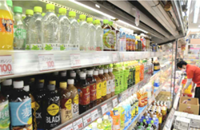
PETALING JAYA: It’s the perfect storm – climate change, war, the pandemic and its spillover effects have all led to spikes in food prices for Malaysians.

The Russian invasion of Ukraine, now in its third month, has led to a shortage of wheat and oil.

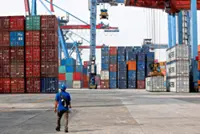
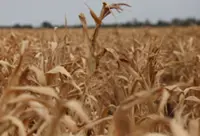
The pandemic has not only affected food production, but disrupted supply chains. Extreme weather events have seen either droughts or flash floods hit agricultural land.

While Malaysia has removed the Approved Permit (AP) requirement for importing food, economists warned that the wheat shortage may last as long as the Russia-Ukraine conflict goes on.

CLICK TO ENLARGE
CLICK TO ENLARGE

But even when that ends, there are bigger concerns.

According to the United Nations World Food Programme, food system disruptions can be linked to climate change and globalisation, as well as conflict and strife.

The climate crisis, it said, is one of the main drivers of hunger today.

“Every inhabited region of the world is experiencing the effects of climate change. Over the past decade, 1.7 billion people have been affected by extreme weather and climate-related disasters.

“Communities which contribute the least to the climate crisis are bearing the brunt of its impacts, with limited means to cope,” it said in a recent statement.

ALSO READ: The climate crisis turns up the heat on Malaysia’s food security

Five days ago, India banned wheat exports effective immediately, citing a risk to its food security, partly due to the war in Ukraine.

At the same time, a scorching heatwave affected its output and domestic prices hit a record high.

China’s Agriculture Minister Tang Renjian also reportedly warned last month that the country’s winter wheat harvest would be poor after wheat growing regions were hit by major floods.

Back home, Malaysia lost RM90.6mil in agricultural products during the massive floods that hit the Klang Valley and several other states in December last year.

Federation of Malaysian Breeders Associations adviser Datuk Jeffrey Ng had said that the hot weather and insufficient workers had affected the supply of chicken in the country, leading to underweight birds being sold.

Consumers’ Association of Penang education officer NV Subbarow said many factors have been driving food inflation, including the climate crisis.

With supply shortages expected even more frequently in the future, Subbarow said Malaysians must be prepared to turn to alternatives.

This includes preparing meals using different ingredients and protein sources from what they normally would.

“For example, if chicken is too expensive, buy fish. If the fish you usually eat is too expensive, try a chaper variety.

“There are also other sources of protein available such as duck and even plant-based proteins such as millet,” he said, adding that suppliers will not reduce prices during shortages if demand remains high.

However, Malaysia University of Science and Technology economics lecturer, Prof Dr Geoffrey Williams warned that the structural impact of Covid-19 lockdowns worldwide has destroyed the food cycle.

The lockdowns stopped planting, growing and harvesting activities and shut down processing plants while also disrupting the supply chain and logistics systems.

“We have still not recovered from that. The conflict between Ukraine and Russia has damaged the supply of grain from both countries and they are stockpiling rather than transporting it.

“The long-term restrictions on world food supply and transportation in favour of Western suppliers, particularly in the European Union (EU), have been damaging the world food industry for decades,” he said yesterday.

All countries, he said, produce much more food than is required by the global population but due to policy restrictions, many people in need do not have access to it.

ALSO READ: Global chain reaction to food security

Prof Williams said the shortages, including of wheat, would last as long as there are supply restrictions from Russia and Ukraine and stockpiled food in the EU and the United States.

“Both Russia and Ukraine have enough stocks but transportation and logistics are down, and the economic sanctions against Russia stopped their exports.

“The conflict also harms planting and harvesting schedules in Ukraine, so this damages the production pipeline and will cause higher futures prices,” he added.

He said other countries might stimulate production, but it would depend on the planting and harvesting cycle.For example, he said the EU and United States have significant capacity and stocks.

“They can increase supply from stocks immediately and raise production and exports within the year from lifting quotas and subsidies.

“The only real problem they face is a labour shortage for harvesting caused by the residual travel restrictions due to the lockdowns.

“If they address these issues, the supply shock can be limited,” he said, adding that leaders must learn the lesson of the devastating impact of lockdowns.

Calling for the liberalisation of the food market as the way forward, he said Malaysia should have a complete reform of food supply and implement food security policies.

Among the issues to address are the dependence on imports, lack of competition in domestic supply and efficiency in the industry to reduce reliance on low-paid work.

“Malaysia cannot continue to be dependent on world markets and must create an independent food supply policy based on agricultural best practices and sound environmental, social, governance and sustainability principles,” he added.

Russia’s invasion of Ukraine has led to a shortage of wheat globally, as Ukraine is one of the world’s biggest exporters of corn, wheat and sunflower oil.

Russia, meanwhile, is the world’s largest exporter of wheat, providing more than 17% of all wheat sold across its borders.

Khazanah Research Institute deputy director Dr Sarena Che Omar said it remains a “guessing game” on how long the wheat shortage would last amid the ongoing war.

“So long as the Ukraine-Russia conflict and other risk factors persist, the shortage or price inflation may persist,” she said.

Sarena said there must be a healthy balance between imports and domestic production.

“I do not condone going 100% self-sufficient for every food item on our menu at all costs,” she said, adding that food security is not just measured by how much we import.

As Malaysia is not ready to be self-sufficient in everything, she said there were potential industries where we have a competitive advantage that should be developed.“Areas such as artisanal rice from Sabah and Sarawak, ulam production, tropical fruits, aquaculture and poultry are some areas worth considering for the domestic industry and also for their export potential,” she said.

Sarena added that the Covid-19 pandemic had taught us how intimately linked we all are globally.

“It also shows how global consumerism is so mainstream, and this pandemic has emphasised the value of appreciating local produce, especially those that grow naturally in our environment,” she said.

“Why buy expensive, imported salads when we may still attain good health and environmental scores by purchasing local ulam?”

Get 20% OFF The Star Digital Access

Monthly Plan

RM 13.90/month

RM 11.12/month

Billed as RM 11.12 for the 1st month, RM 13.90 thereafter.

Best Value

Annual Plan

RM 12.33/month

RM 9.87/month

Billed as RM 118.40 for the 1st year, RM 148 thereafter.

Follow us on our official WhatsApp channel for breaking news alerts and key updates!
food prices , climate crisis ,

Next In Nation

Banks not allowed to take arbitrary action against entrepreneurs, assures PM
EU diplomats visit Terengganu to strengthen ties
Govt to discuss alleged petrol station losses during subsidy transition, says PM
Johor polls: Over 36% of early votes cast
Johor polls cannot be platform to free individuals, says Azalina
No penalties for voluntary e-Invoice corrections until Dec 31 next year, says PM
Johor polls: Police early voting in JB proceeds smoothly despite downpour
Hospital in Likas successfully separates pair of Siamese twins
Caning among penalties under review for cybercrime offenders, says Azalina
Govt aims to reduce skill-related underemployment to 30% by 2030, says HR Ministry

Others Also Read