GLOBAL alarms have gone off since an Ebola outbreak was declared in Bunia, a bustling city in north-eastern Congo.
Borders have slammed shut, flights have been diverted as far as the United States and the Congolese World Cup team is currently in quarantine in Belgium.
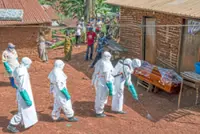
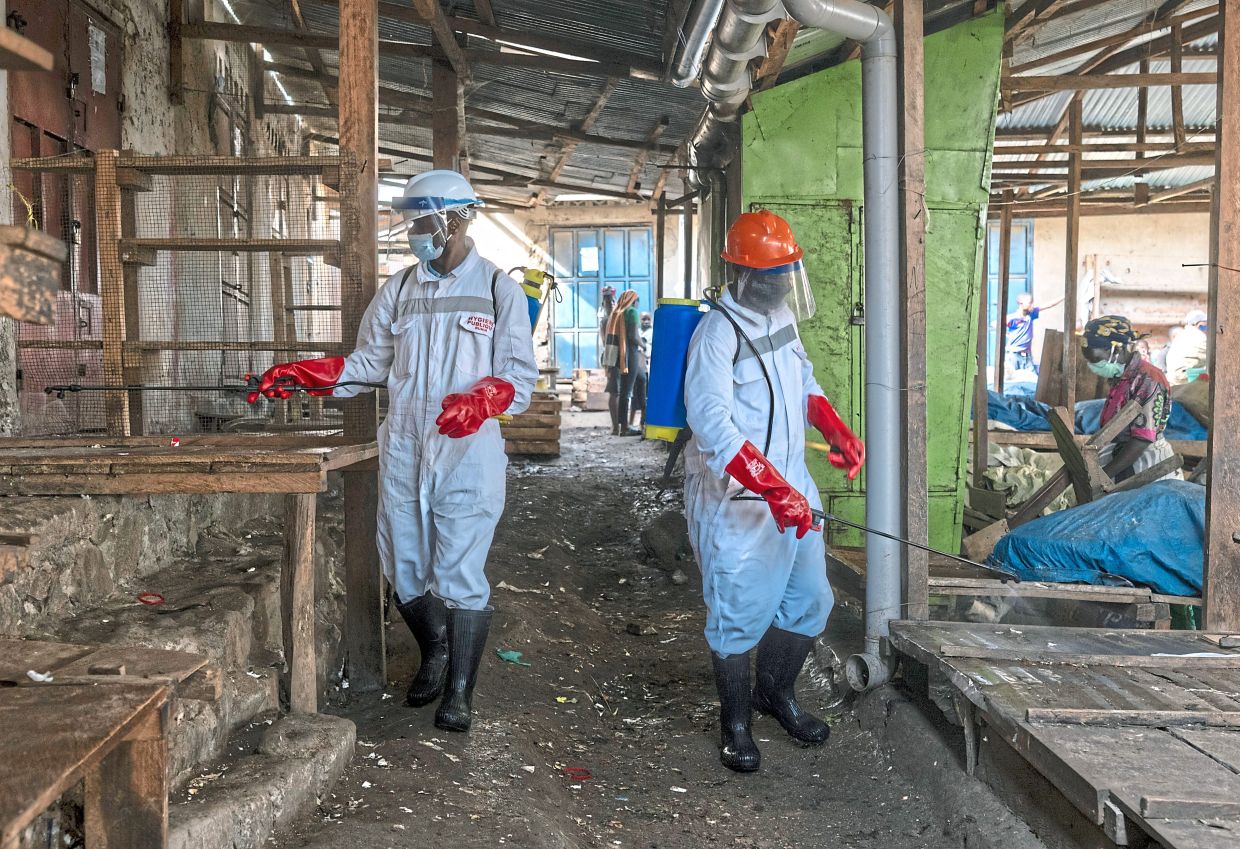
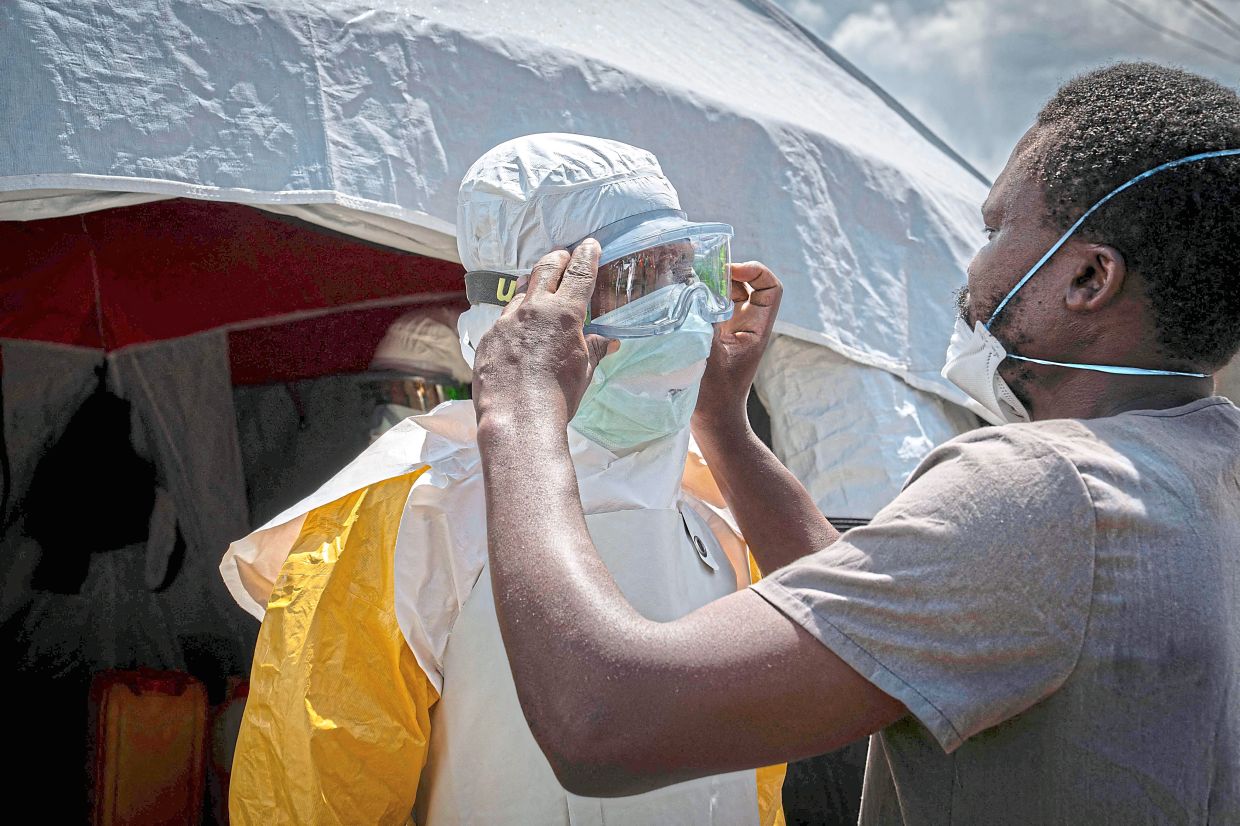
Yet in Bunia, at the heart of the crisis, the usual signs of an organised response – large medical tents, medics in sealed white suits and goggles and patients lying in strict isolation – are not yet in place.
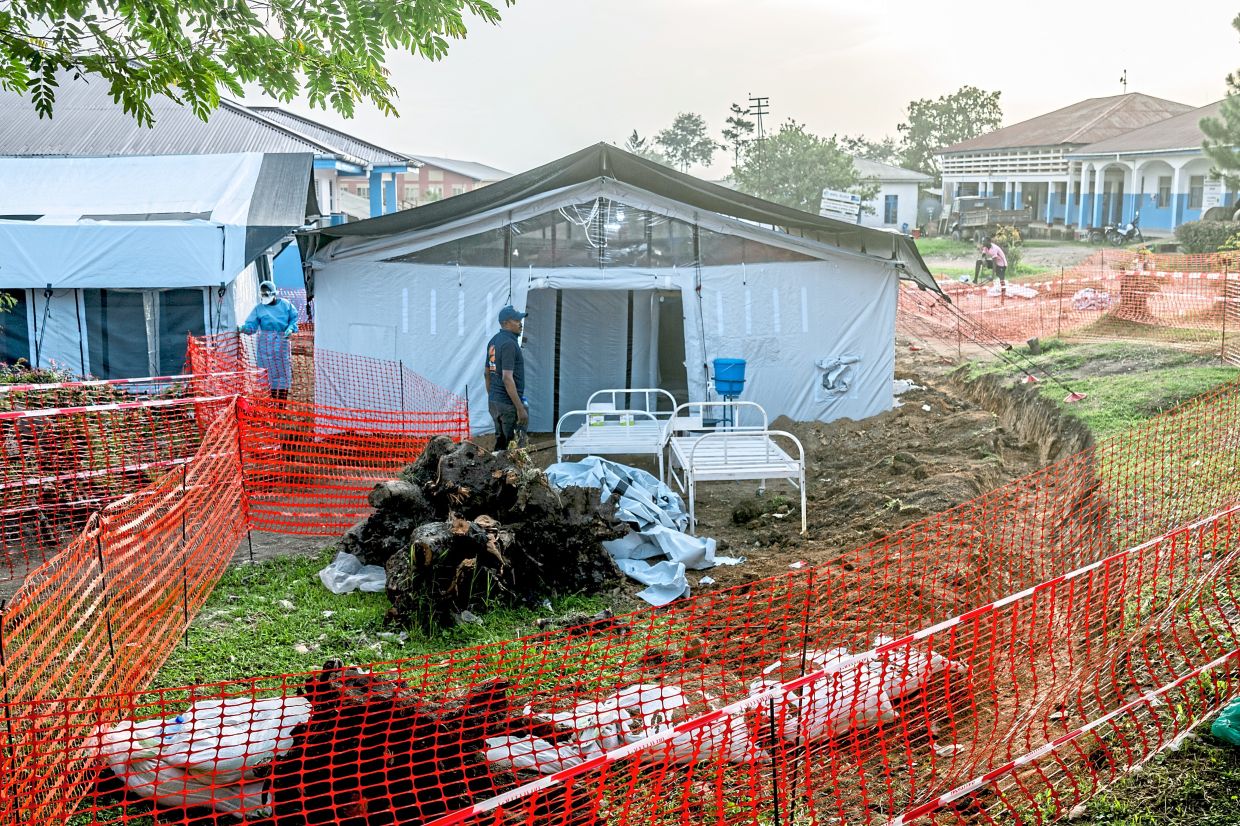
Instead, the incipient aid effort is only just getting set up.
Outside Bunia’s main hospital recently, workers hammered nails and pushed up tents a few metres from the main door, in a frantic scramble to erect a handful of isolation wards where patients can be triaged, isolated and treated.
“The virus is far ahead of us,” said Ahmed Mahat, a manager with International Medical Corps, which is building two of the isolation wards.
“And it’s spreading fast.”
The world is playing catch-up in Congo. Caught flat-footed by an outbreak that was discovered disastrously late – perhaps two months after it started – the system of international response is struggling onto its feet.
Almost nothing was in place when the first patient was confirmed with the rare Bundibugyo strain of the virus on May 15.
Shortly after, Macky Mbavugha, a field manager with the International Rescue Committee, contacted the local health office to see if it had stocks of protective equipment. He found empty shelves.
“Zero,” he said.
“Everyone was totally unprepared.”
US President Donald Trump’s aid cuts exacerbated the crisis, he added.
If US funding for Congo had not been slashed last year, “maybe the alert would have sounded earlier”, Mbavugha said, echoing a widely held assessment in the aid community.
And when larger aid groups sought out local organisations to bolster the Ebola response, many were gone, having closed after funding dried up last year, he said.
Not only was the virus a rare species – with no cure or vaccine, and few tests for it available in the field – it enjoyed a spectacular head start over the aid workers who were trying to contain it.
In the second week of May, the World Health Organisation estimated that 246 people had contracted the virus, mostly in the area around Bunia and a nearby district.
A week later, the WHO reported that there were at least 900 suspected cases and 220 suspected deaths – an acceleration at such an early stage of an outbreak that experts said was terrifying.
Less than two weeks since the Ebola outbreak was declared, it was already the third largest on record.
Even now, just about everything is in short supply.
Congolese health workers treating patients or burying the dead lack basic protective equipment.
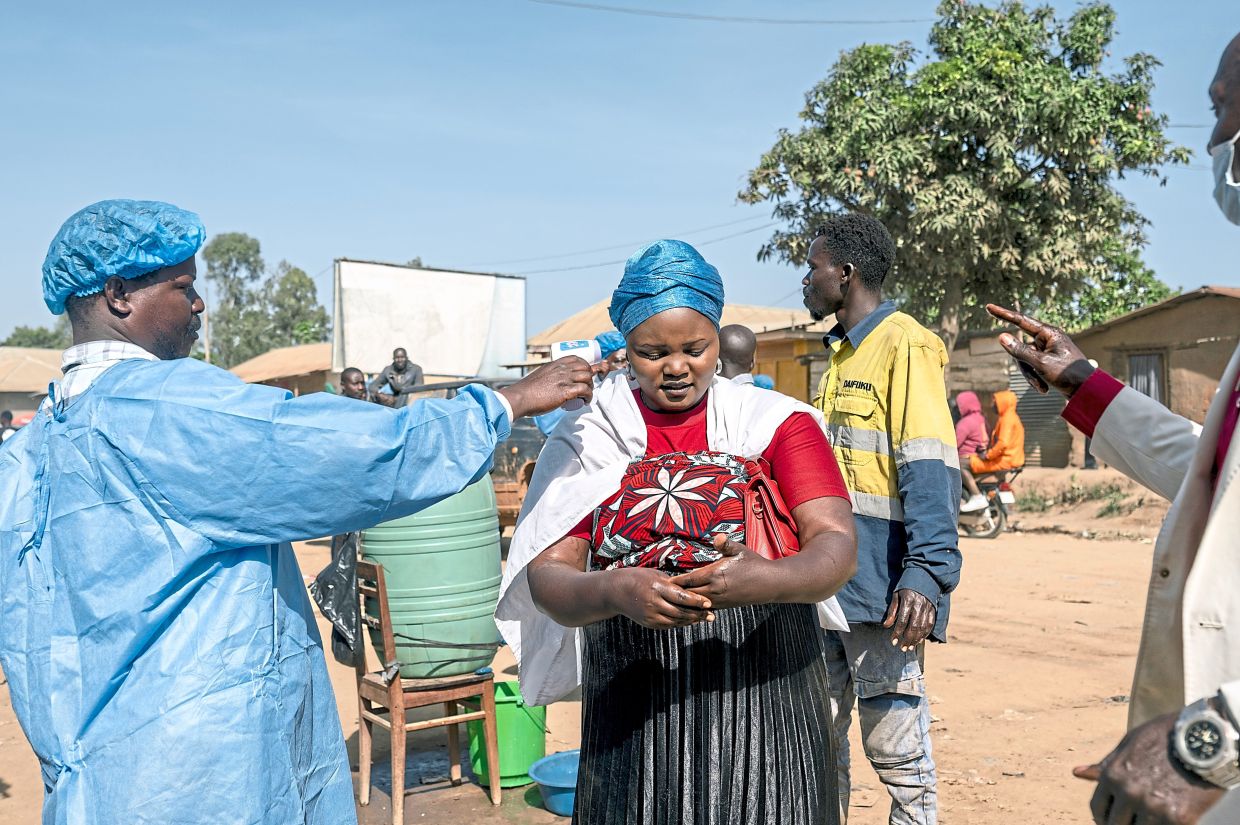
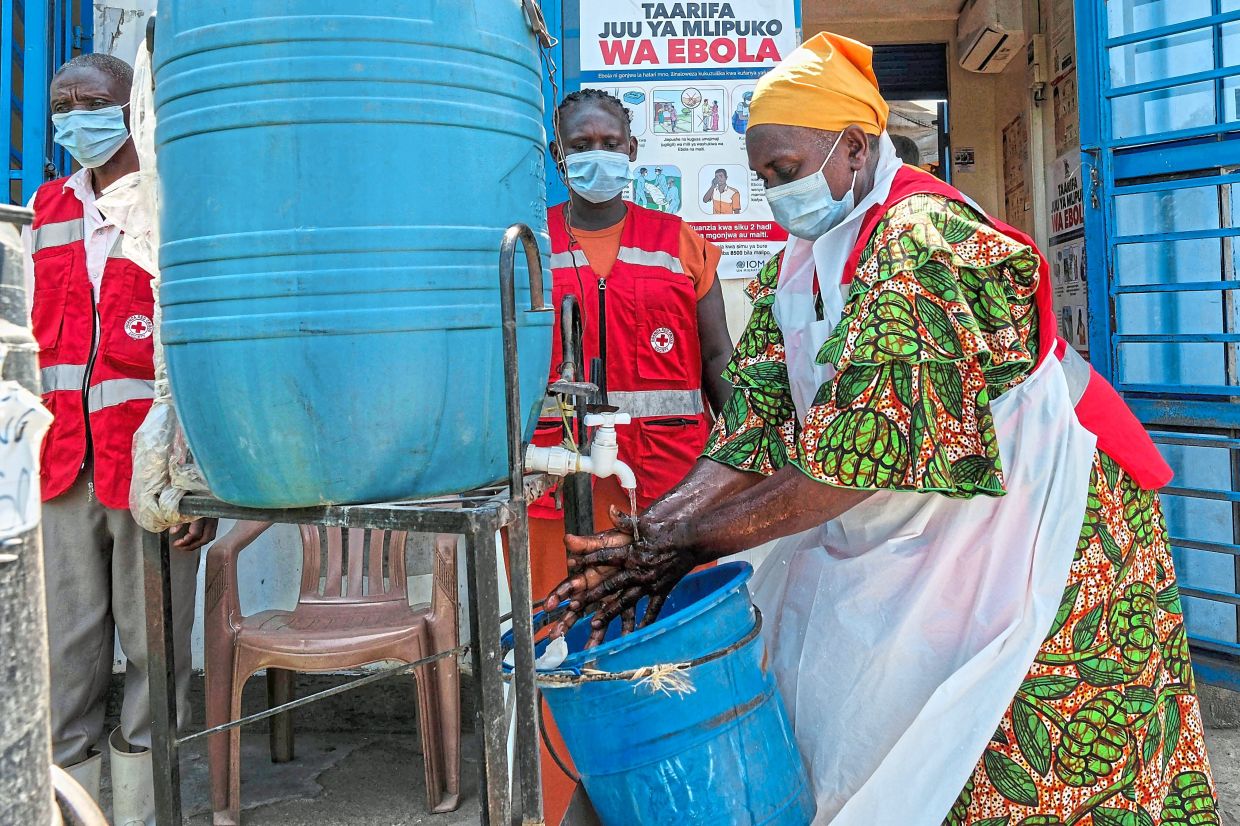
Supplies of hand sanitiser have run out in the pharmacies of Bunia. And, crucially, only a trickle of tests are being processed every day at the city’s government lab.
Aid officials briefed on the lab say that it processes about 40 tests most days, and one day managed just 20 because officials ran out of fuel for the generator that powers it.
Most of all, aid workers are short on time.
Running so far behind the virus, intervention has become less about vanquishing Ebola than about simply trying to slow its steamroller advance across the region.
Although the outbreak is concentrated in Ituri, the war-torn province of which Bunia is the capital, it has also been detected in two other provinces as well as in neighbouring Uganda.
A US official, speaking anonymously to discuss sensitive assessments, said officials deem it highly likely that the virus has also spread into South Sudan.
Ebola is a highly contagious disease that spreads through bodily fluids. A family of fruit bats is believed to be the natural host of the viruses that cause Ebola.
There have been just two other known outbreaks of the Bundibugyo species, which has a fatality rate of about 40%.
This is Congo’s 17th outbreak of Ebola, more than any other country since the disease was discovered there in 1976.
For Bunia, a lush city on the edge of a sprawling rainforest, the outbreak is the latest of many calamities.
I landed here on May 22 aboard a plane of UN peacekeepers, mostly from South Asia.
They are part of a long-standing effort to impose peace on an area where ethnic rivalries and rich resources – gold, timber and coffee – brought decades of conflict.
Rival militias overran Bunia in the early 2000s, battling for control in fighting that by 2003 became so intense that France deployed military troops to impose a peace.
Now the government is back in Bunia, but the surrounding countryside is controlled by a plethora of armed groups formed mostly along ethnic lines, although one particularly vicious outfit has pledged allegiance to a religious terrorist group.
Those ethnic tensions are likely also to shape the response to Ebola.
Two isolation wards are planned for the city – one each for neighbourhoods dominated by Hemas and Lendus, the dominant, rival ethnic groups.
Years of conflict have also frayed communities where conspiracy theories about Ebola hold particularly strong.
As aid workers rush to build isolation wards, they are confronting angry mobs who accuse them of being somehow responsible for the virus.
In recent days, furious crowds burned down one isolation ward in Rwampara, just outside Bunia, and a second one in Mongbwalu, a small mining town to the north of the city that experts say is the likely epicentre of the outbreak.
Funerals are a particular flash point.
In rural areas, people often demand to bury the dead in the traditional custom, which involves much touching of the corpse, even though that is also a perfect way to spread the disease.
In Bunia, many are just coming to terms with the growing epidemic.
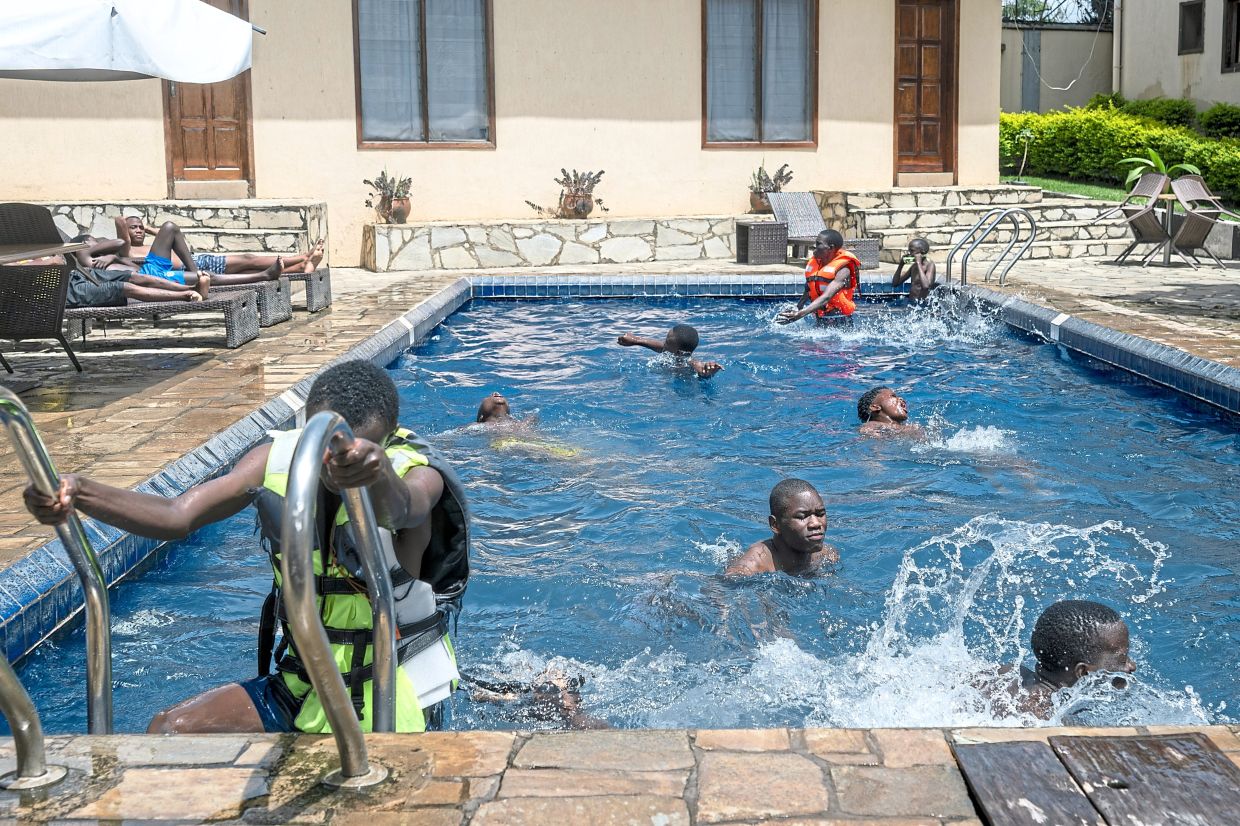
Some residents appeared to take it lightly – splashing about in public pools in recent days, or meeting with friends at saunas, a popular entertainment.
But increasingly, worry is taking hold.
Joel Mugisa, 30, a doctor, traipsed between pharmacies in search of hand sanitiser on a recent night. Every shop was sold out.
He said he wasn’t panicking just yet, but worried about other people, and the widespread penchant for conspiracy theories.
“People don’t take Ebola seriously,” he said, before vanishing into the night.
“That’s the main problem.” — ©2026 The New York Times Company
This article originally appeared in The New York Times