
EDUCATION has long been one of the most important building blocks of nation-building, shaping not only the workforce of the future but also the values, skills, and resilience of a society.

Throughout that conversation, the Parent Action Group for Education (PAGE) has been among the most vocal champions, while The Star has regularly provided a platform for discussions on the issue involving policymakers, educators, parents, and civil society groups.
The issue remains as relevant today as ever, as PAGE continues to engage policymakers and education stakeholders on strengthening the implementation of DLP, including an upcoming engagement with the English Language Teaching Centre on June 23.
In conjunction with The Star’s 55th anniversary, PAGE chairman Datin Noor Azimah Abdul Rahim reflects on the state of Malaysia’s education system, the role of civil society in driving meaningful reforms, and how the media can contribute to informed public discourse and nation-building.
> How do you see the current trajectory of our education system, and what reforms are most urgent to ensure Malaysia’s youth are prepared for nation-building?
We’re at a turning point – the intent to reform is there, but delivery needs to catch up. The most urgent priorities are strong foundational skills, closing inequality gaps, and better support for teachers.
At the same time, we must go beyond exams and focus on critical thinking, values, and resilience.
Nation-building depends on producing not just skilled students but also responsible, adaptable citizens.
The biggest gaps are no longer just about income – they’re about access and support. We’re seeing divides in digital access, quality of teaching, English proficiency, and even parental ability to guide learning.
A child with devices, stable Internet access, and informed parents starts miles ahead of one without. If we’re serious about equity, we must focus on levelling these learning conditions, not just funding.
> Civil society organisations (CSOs) like PAGE often serve as a bridge between parents, schools, and policymakers. What more can CSOs do to strengthen trust, empower families, and ensure education reforms truly benefit ordinary Malaysians?
CSOs need to move from advocacy to action – helping parents understand policies, translating reforms into real support, and bringing ground feedback back to policymakers.
Trust comes from being consistent, credible, and non-partisan. Ultimately, our role is to ensure reforms don’t just sound good on paper but actually work for everyday families. At PAGE, we’re trying to bridge policy and reality.
That means breaking down complex reforms into practical guidance for parents, running ground engagements to help families navigate changes, and continuously feeding real concerns back to policymakers. It’s not just about pushing ideas – it’s about making sure policies actually work in homes and classrooms.
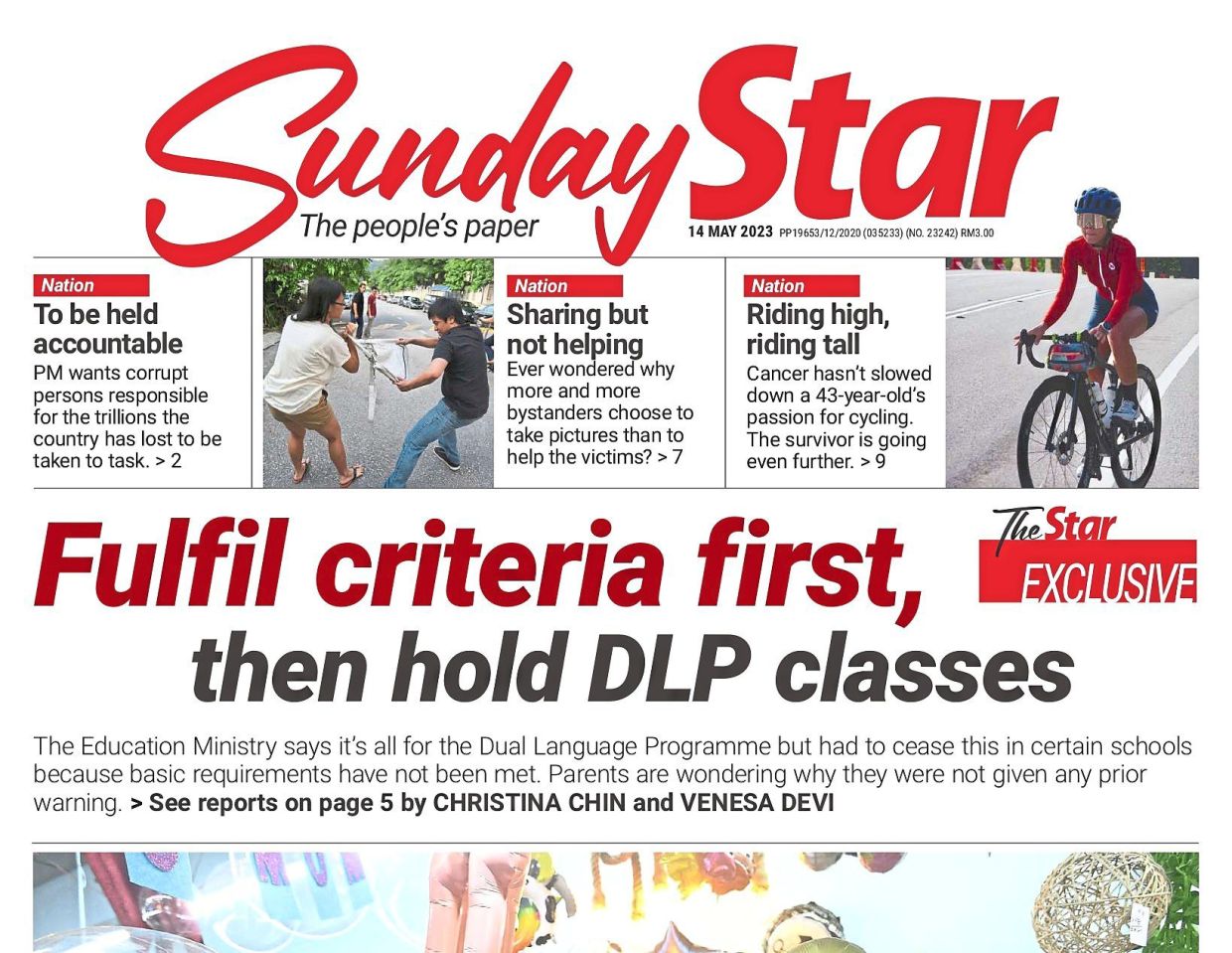
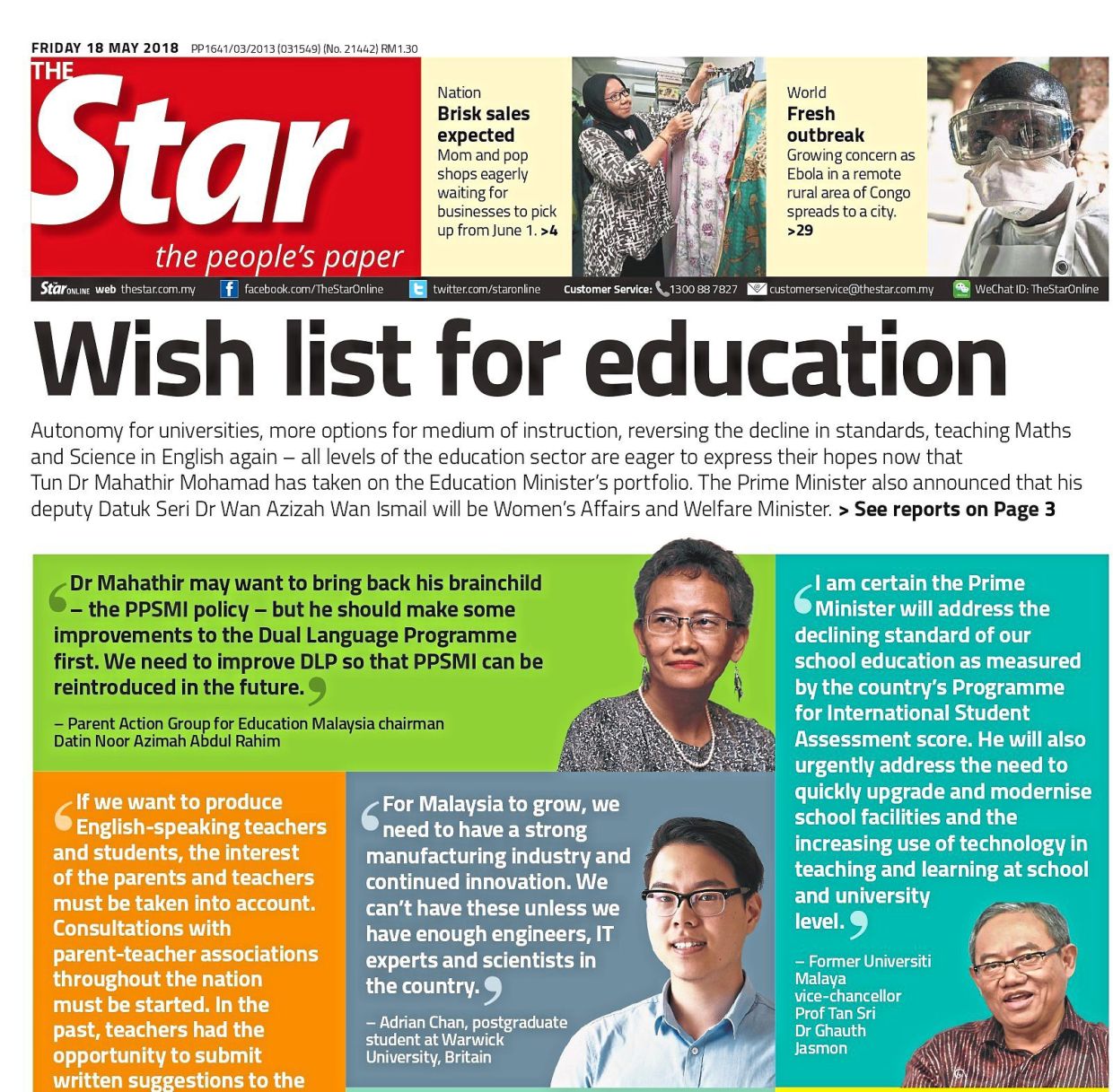
> Over the years, PAGE has worked alongside various stakeholders, including educators, policymakers, parents, and the media, to keep education issues in the public conversation. How important have these partnerships, particularly with the media, been in shaping public understanding and sustaining momentum for education reforms?
The Star has played an important role in keeping education issues visible and relevant. Its coverage has helped amplify concerns from parents and schools and brought them into the national conversation.
That kind of platform is critical – it ensures education stays a priority, not an afterthought.
Where the media could go further is in sustained follow-through: tracking whether policies actually deliver and highlighting what works on the ground, not just what’s announced.
> In today’s rapidly changing media landscape, what more can the media do to better serve the people while shaping public discourse and supporting Malaysia’s nation-building efforts?
Media today must go beyond reporting – they should help shape informed, constructive conversations.
That means more solutions- focused journalism, clearer context, and stronger efforts to counter misinformation.
Just as importantly, the media must reflect diverse voices, especially from under-served communities.
An informed public is essential to nation-building, and media plays a central role in that. It’s about going beyond identifying problems to interrogating what’s working.
That means spotlighting schools, communities, or policies that show real impact, examining why they succeed, and whether they can be scaled.
It also means holding policymakers accountable not just for intent but also for outcomes, asking, “Did this improve students’ lives?” rather than just “Was this announced?”