DAILY life for many Malaysians may still feel mostly normal despite concerns over the Strait of Hormuz blockade and the broader conflict in the Middle East.
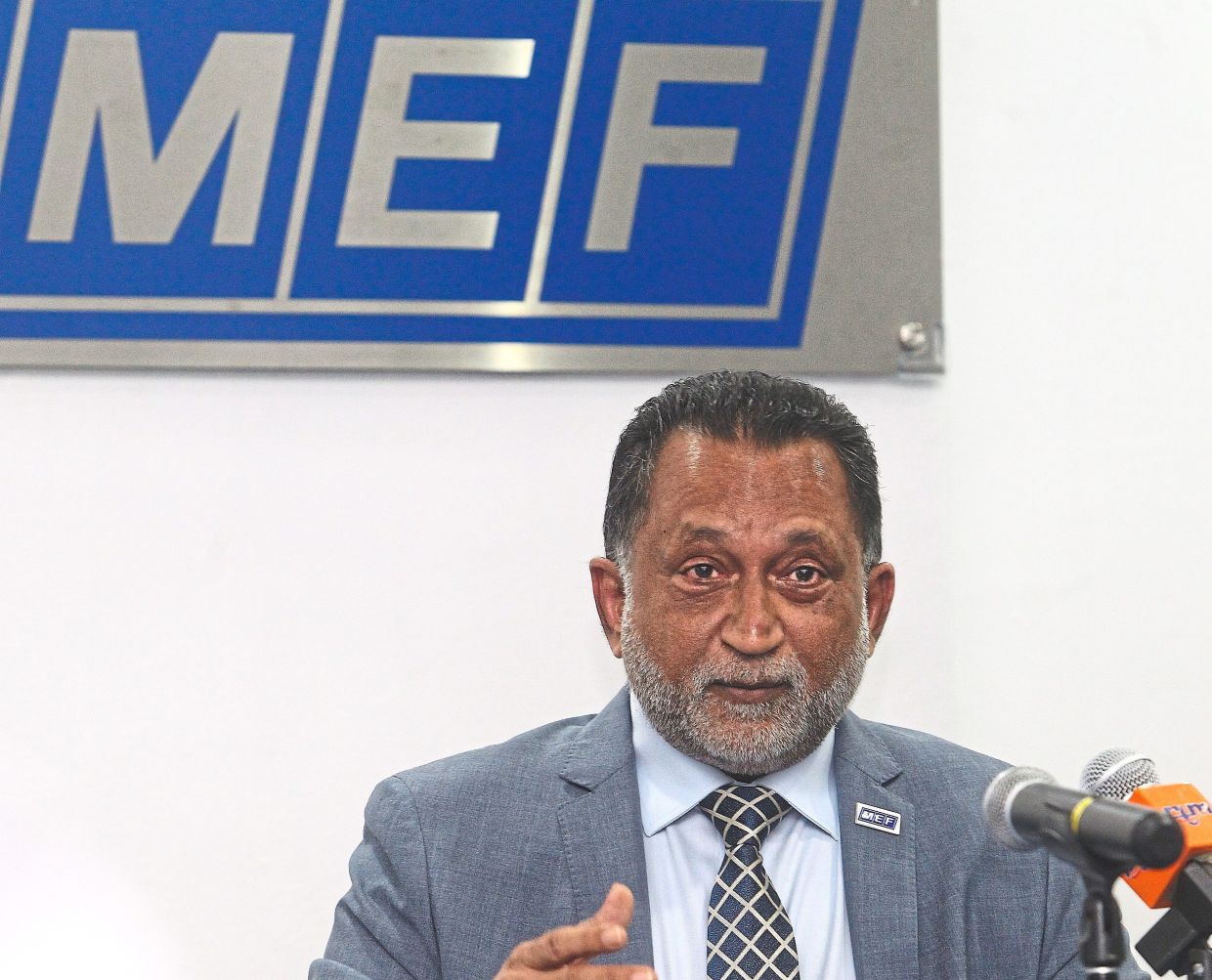
The Malaysian Employers Federation (MEF) says employers are closely monitoring developments not because of any immediate disruptions to local operations, but because of the wider economic consequences that could follow if the situation escalates.
The Strait of Hormuz is one of the world’s most critical oil and gas transit routes, says MEF chairman Datuk Dr Syed Hussain Syed Husman, and any prolonged disruption could drive up global energy prices, increase shipping costs and weaken business confidence.
“Malaysia’s economy is highly interconnected with global trade and supply chains,” he tells Sunday Star.
As such, employers are concerned about the cascading effects of higher fuel costs, higher inflation, weaker consumer spending and increased operational uncertainty.
The concern is particularly acute because many businesses are still recovering from a difficult few years marked by pandemic-related disruptions such as rising labour costs, currency fluctuations and weaker global demands in certain sectors.
According to MEF, industries most exposed to potential disruptions from the Middle East situation include manufacturing, logistics, aviation, tourism, food and beverage, retail, construction, agriculture and fisheries.
This is because many of these sectors depend heavily on imported raw materials, transportation networks or energy-intensive operations.
Micro-, small- and medium- sized enterprises (MSMEs) are even more vulnerable to these challenges because they typically operate with thinner margins and have less financial capacity to absorb sudden increases in costs, adds Syed Hussain.
Yet, he says, businesses are not starting from scratch.
Compared with the situation during the Covid-19 pandemic in 2020, many companies today have stronger risk-management systems, more diversified supplier networks and better inventory planning.
“There is greater awareness and preparedness today, compared with during the height of the Covid-19 pandemic,” he says.
Still, preparedness does not necessarily mean immunity.
“Businesses are more experienced in managing disruptions today, but they are also operating in a far more cost-sensitive environment,” he says.
To reduce their exposure, companies are reviewing supply chains, identifying alternative suppliers and increasing stock buffers of critical materials.
Others are reassessing logistics arrangements, tightening spending and delaying non-essential expansion plans until the outlook becomes clearer.
Some firms are also accelerating automation and productivity initiatives in an effort to reduce costs and improve efficiency.
At the same time, some employers are conducting scenario planning exercises to understand how different levels of fuel price increases or supply disruptions could affect operations.
Syed Hussain says another aspect employers are looking at is to reassess their workforce planning more cautiously, to avoid overcommitment amid uncertain economic conditions.
While he says employers generally consider job cuts a last resort, prolonged economic pressures could eventually force companies to slow hiring, defer expansion plans, reduce overtime or freeze salary adjustments.
“In the short-term, most employers will attempt to absorb costs, improve efficiency and postpone discretionary spending,” he says.
MEF stresses that protecting jobs and maintaining workforce stability while ensuring businesses remain viable is still a priority for employers.
However, he acknowledges that workers are still vulnerable to inflationary pressures, as any sustained increase in fuel prices could affect transportation costs, food prices, utilities and other essential goods.
Syed Hussain says employers can help through measures such as flexible work arrangements, hybrid work models, transport allowances, meal subsidies and employee assistance programmes where circumstances permit.
However, he cautions that employers alone cannot offset broad-based inflation.
“Sustainable wage growth ultimately depends on stronger productivity, business growth and a stable economic environment,” he says.
He hopes policymakers will focus on preserving economic stability through targeted support for affected industries, assistance for MSMEs, measures to manage fuel and energy costs and incentives that strengthen productivity and supply-chain resilience.
MEF also urges continued consultation between government, employers and workers before introducing policies that could further increase operating costs during a period of heightened uncertainty.
“Malaysia’s economy has demonstrated resilience through previous global crises, but proactive planning, policy coordination, and constructive collaboration between all stakeholders will be critical in navigating any potential escalation.”