
ZUKIFLEE AHMAD noticed that his 12 year old son, Danyal, would turn away whenever news reports on the ongoing conflict in Iran and the genocide in Gaza appeared on television.
The boy seemed unsettled, according to Zukiflee, particularly by visuals of injured victims, displaced communities and the reported death toll.
“I knew something was not right. I asked him if he was OK listening to all that. He only shook his head. Realising it made him uncomfortable, I tend to change the channel now or assure him that, God willing, the wars will end soon.
“He would be somewhat calmed down. But he will always be curious and ask me why wars are taking place. It is something difficult for me to explain to him,” says the software engineer.
Zukiflee’s son is not the first child to experience psychological distress from exposure to war coverage, of course. Over the years, numerous studies worldwide have examined how distant conflicts affect adolescents through relentless reporting and graphic imagery.
According to research published in the BMC Public Health open access journal last year, about 30% of adolescents studied in Egypt were diagnosed as stressed, 61.5% were depressed and 57% experienced anxiety when exposed to war imagery.
“These adverse mental outcomes were more prevalent among females and adolescents in high schools.
“Additionally, participants who were regularly exposed to conflict scenes for an average of five to seven days per week, with a viewing duration exceeding three hours per day, were more likely to experience these mental issues.”
Such exposure often manifests in behavioural changes, including bedwetting, increased clinginess, sleep disturbances and even desensitisation towards others’ pain.
Back home, The Star reported earlier this year that Malaysian children are already facing increased anxiety disorders, which experts attribute to a mix of excessive social media exposure, school stress, social isolation and challenges at home.
According to a 2024 Malaysian Communications and Multimedia Commission survey, more than half of Malaysian children were accessing the Internet: “Some 55.7% of children use the Internet for one to four hours a day, and of those with access, 60.7% have their own device,” it reported.
Ongoing conflict
The ongoing conflict in the Middle East is likely adding to the anxiety and emotional distress among young Malaysians, says consultant psychiatrist and Malaysian Mental Health Association president Datuk Dr Andrew Mohanraj.
“Yes, there is a likelihood that the current conflict in the Middle East is contributing to further anxiety and emotional distress among young Malaysians. Although geographically distant, our youth are deeply connected to global events through social media platforms, which are largely continuous, graphic and emotionally charged.
“This can create what is known as ‘vicarious trauma’, where individuals experience psychological distress despite not being directly involved. Since young people are still developing emotional regulation skills, this exposure makes them more vulnerable to heightened anxiety and fear about safety and the future.”
And this will likely continue despite the fragile ceasefire.
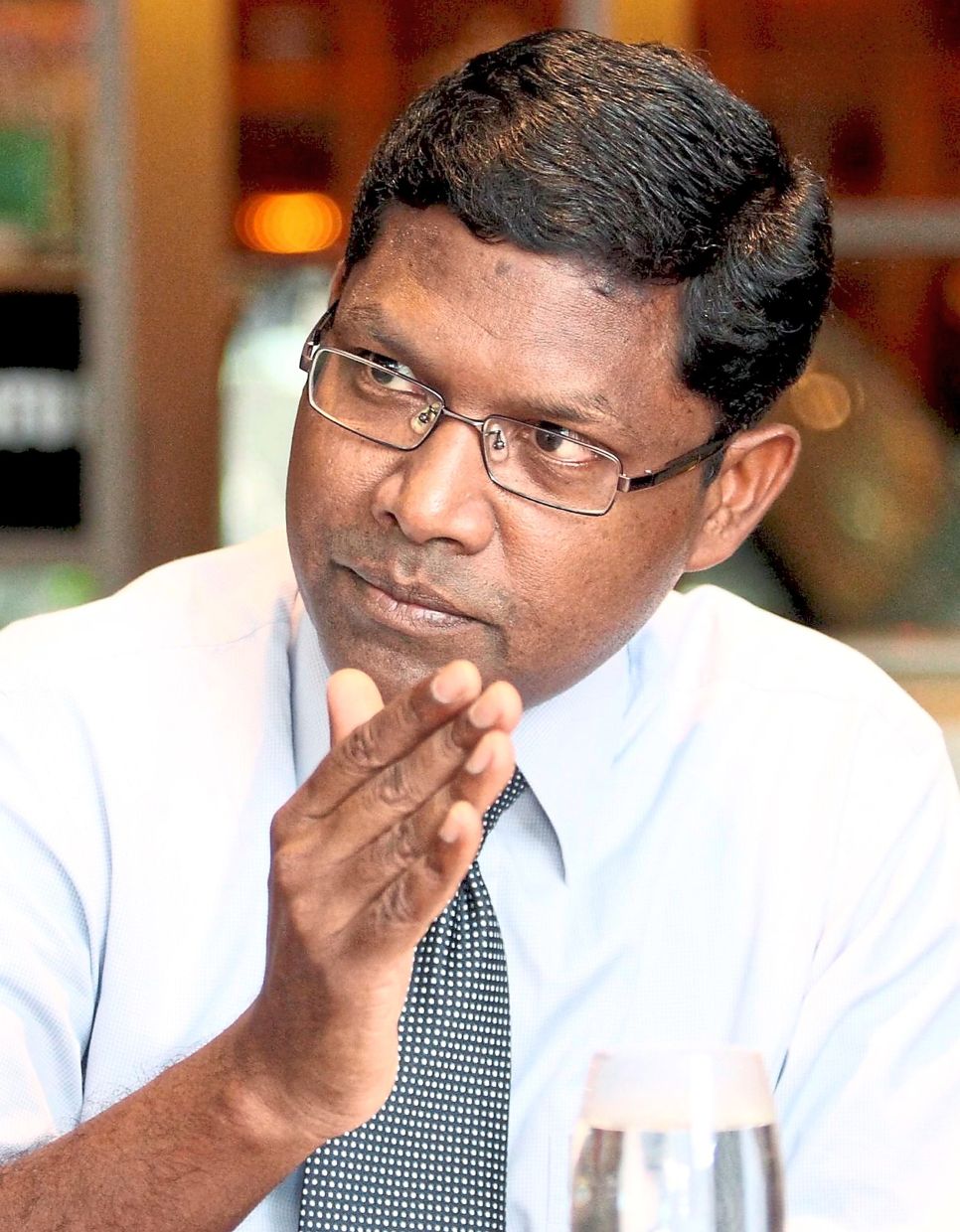
Dr Mohanraj says that beyond heightened anxiety, parents and teachers should also be aware of other mental health concerns. This includes depressive symptoms characterised by sadness, hopelessness and withdrawal; and sleep disturbances, irritability and desensitisation (emotional bluntness due to repeated exposure to violence), he says.
“Parents and teachers should look out for warning signs such as sudden changes in mood or behaviour, social withdrawal, decline in academic performance, fatalistic thinking and excessive screen time on distressing news.”
Fatalistic thinking refers to the belief that life’s outcomes are predetermined by fate or external forces, which can leave a person disengaged and unmotivated over time.
A parent’s perspective
A father of three Nik Muhammad Hafiz says whenever his children – aged 16, 13 and seven – ask about wars, he responds calmly in a way that protects their emotional well-being.
“I explain that conflicts do happen in the world, but not everywhere is unsafe, and we are protected here. As a Muslim parent, I emphasise that everything happens with the knowledge of Allah, and we place our trust in Him while continuing to do good and stay responsible in our daily lives.”
He also uses the situation as an opportunity to inculcate empathy and awareness.
“We talk about making doa (prayer) for those affected and being grateful for what we have.”
What does Nik Muhammad do to help his children feel safe and calm when they seem worried about wars?
“At home, I focus on maintaining a peaceful and stable environment. Children feel safe when they see their parents calm, so I avoid showing panic and limit their exposure to distressing news.
“We spend quality time together, keep routines consistent, and reassure them that they are safe and cared for.
“Spiritually, we strengthen their sense of protection through Islam. We encourage reciting doa and [Quranic verses like] the Ayat Kursi, and the three Qul before sleep. This builds a feeling that they are under Allah’s protection at all times.”

As for Zukiflee, he has been reaching out to friends and family about his son’s situation.
“I have been advised to spend more time with Danyal so that he feels there is good in this world and that he always has others to lean on.
“Fortunately, my company has allowed me to work from home up to two weekdays. I am happy that I can talk more to my son and be there for him.”
Being there for the kids
What can parents and teachers do to help children cope with how these events make them feel?
Dr Mohanraj says parents and teachers should acknowledge young people’s concerns and encourage open discussions, allowing them to express confusion, anger and fear.
“Do not dismiss their concerns by saying that the conflict is far away and that they need not be overly worried about it.”
He also advises parents and teachers to help children contextualise what they see on social media and to encourage critical thinking about news sources and misinformation.
“Parents should set healthy boundaries on social media exposure and promote balanced media consumption.
“Young people take emotional cues from adults; therefore, parents and teachers who demonstrate calm engagement rather than panic or outrage provide a stabilising influence.”
For Nik Muhammad, inculcating spiritual strength remains key to broadening his children’s awareness.
“We build confidence by grounding them in faith first. I teach them that while we may not control what happens in the world, we always have the ability to respond – with patience, trust in Allah and good actions.
“They learn that even small things like making doa, helping others and staying disciplined are meaningful.”
At the same time, he gives them small, age-appropriate responsibilities so they feel capable rather than helpless.
“Simple awareness of safety, knowing what to do in certain situations, or being part of family preparedness builds quiet confidence.
“The goal is to raise children who are not living in fear of the world, but who are calm, resilient and anchored in both faith and readiness.”