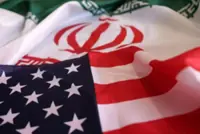
IT’S impossible to know whether US President Donald Trump will carry out his threats to strike Iran, how the regime might retaliate or what the long-term fallout would be. What’s surer is that neutering the threat posed by Iran and encouraging a better future for its people will take more than bombs and missiles.
With possible talks in flux, worries about a US attack are rising. Early last month, Trump warned the Iranian government not to repress protesters flooding the streets of Tehran and other cities, then failed to respond when security forces slaughtered thousands of them.
With a carrier strike group now in the region and more assets being moved into place to defend US bases and allies against Iranian missiles, his options have increased.
The goal of any action, however, remains something of a mystery. Would it be to topple the regime?
To degrade what’s left of Iran’s nuclear programme and missile-making capacity? To punish the Islamic Revolutionary Guard Corps (IRGC) and its street paramilitaries, who led the recent crackdown?
To prove that White House threats aren’t empty? While the president has said he’s willing to negotiate, it’s not entirely clear what concessions might satisfy him.
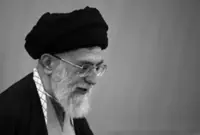
What any strikes might accomplish is equally uncertain. Assassinating Supreme Leader Ayato-llah Ali Khamenei might unify the regime rather than bring it down. Destroying missile factories and air defence sites would aid US allies in the region more than Iranian protesters.
A sustained air campaign would likely be required to shake the foundations of the government, risking retaliatory attacks on Israel and other US military bases as well as shipping in the Persian Gulf. If strikes did destabilise the regime, chaos could ensue in a nation of more than 90 million people.
At the same time, the US would be unwise to accept limited, face- saving concessions and walk away. While protesters may be frightened and grieving after last month’s bloodbath, they’re not mollified.
The regime won’t be able to rescue the economy while under continued sanctions and won’t ease up on hated social strictures while still under clerical rule. Festering anger is certain to boil over again. In the meantime, an unstable government could become more rather than less aggressive, not least to keep younger hard-liners from rebelling.
Even as the White House sorts out its immediate aims, then, it needs to think beyond the next few weeks. Opposition to the regime is widespread but diverse and leaderless. Real change will remain elusive until cracks emerge within the current power structure.
The US and its allies ought to be doing what they can to encourage such splits. Sanc-tions against officials who led the crackdown, and the European Union’s designation of the IRGC as a terrorist organisation, are welcome.
Western countries should work harder to shame Iran internationally, expelling diplomats and identifying officers directly responsible for the killings. NGOs working to confirm the number of victims and expose the regime’s crimes deserve support.
Meanwhile, the US should offer incentives – including the possibility of sanctions relief – to those willing to break with the regime.
Leading civil society figures have united around a demand for a new constituent assembly, so Iranians themselves can decide what form of government they want. The US should back their efforts.
There’s no quick solution. Regime change now would almost certainly result in a military-led dictatorship, which might only redouble efforts to build a nuclear bomb. Whatever Trump’s objectives, helping Iranians find a better future will be the work of months and years, not days. — Bloomberg Opinion/Tribune News Service
Bloomberg’s Editorial Board publishes the views of the editors on a range of national and global affairs. The views expressed here do not reflect those of The Star.