



EVERY December, buses arrive from out of state, hotel rooms in the city centre fill up and tens of thousands of people gather in costume in Kuala Lumpur.
They are not here for a countdown concert or a festive street party but for Comic Fiesta – a pop culture convention that has become a pilgrimage for fans across Malaysia, the South-East Asia region and beyond.
“Some even say this is like their Raya. Every year, you have to go back to your family, right?
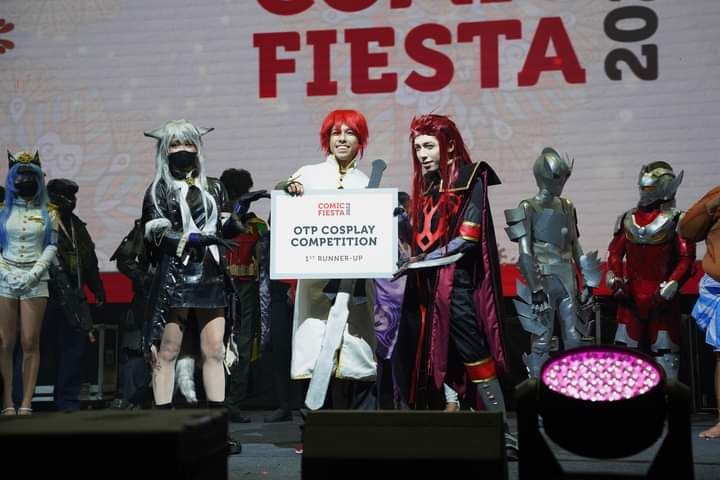
“So this is their Raya, where you go back to your family,” says Lim Chin Hwa, director and spokesperson for Comic Fiesta, which drew about 73,000 visitors last year when it was held at the Kuala Lumpur Convention Centre.
Comic Fiesta is just one of Malaysia’s growing line-up of large-scale, passion-driven conventions whose scale and loyalty are quietly challenging conventional ideas of what drives Malaysia’s events economy.
From Comic Fiesta to Art of Speed to the Kuala Lumpur International Book Fair (KLIBF) and many others, such events now draw tens of thousands – and in some cases, millions – over their run each year, generating predictable visitor flows, regional repeat travel and sustained tourism spillovers.
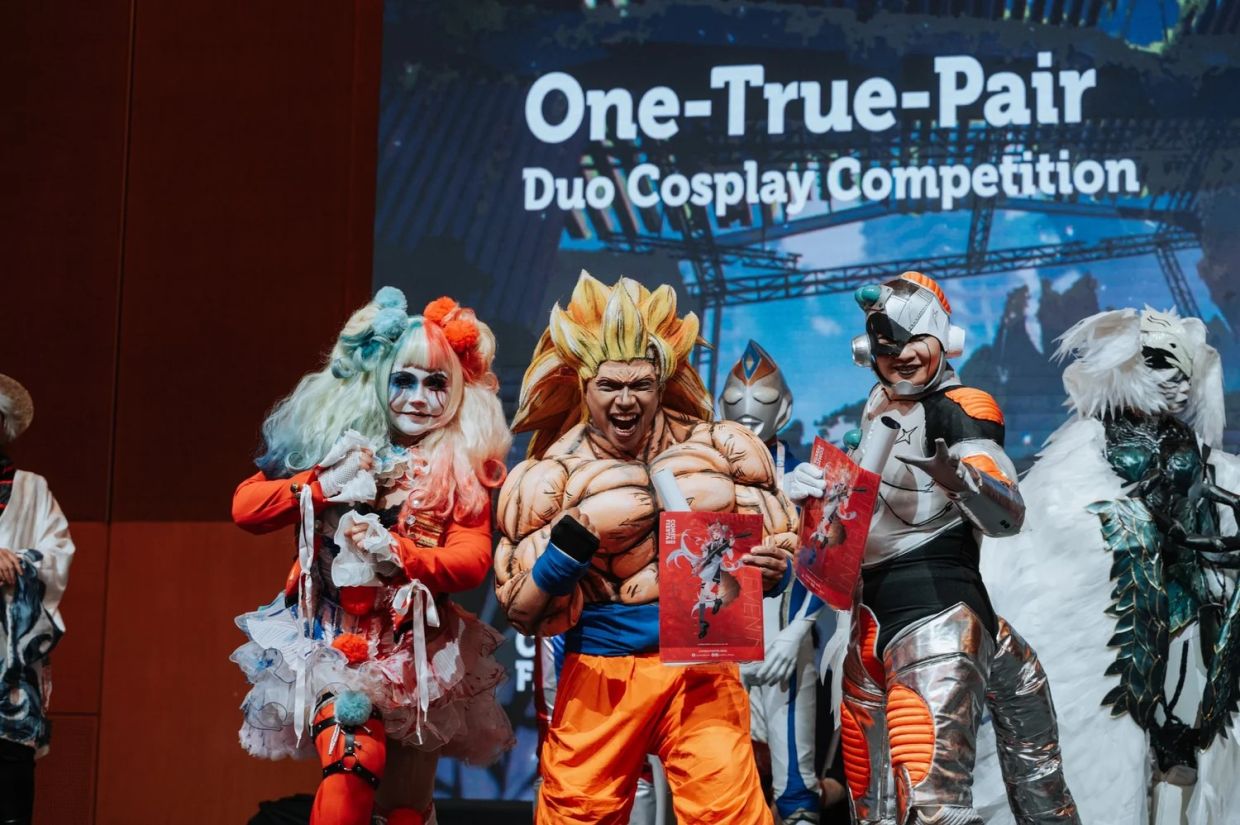
For Comic Fiesta, that reliability has been built for more than two decades.
What began as a small gathering of animation and comic enthusiasts with about 500 visitors in its first year has now grown into one of the region’s largest ACG (animation, comics and games) conventions, drawing a loyal crowd who treat the event less as a novelty and more as a tradition.
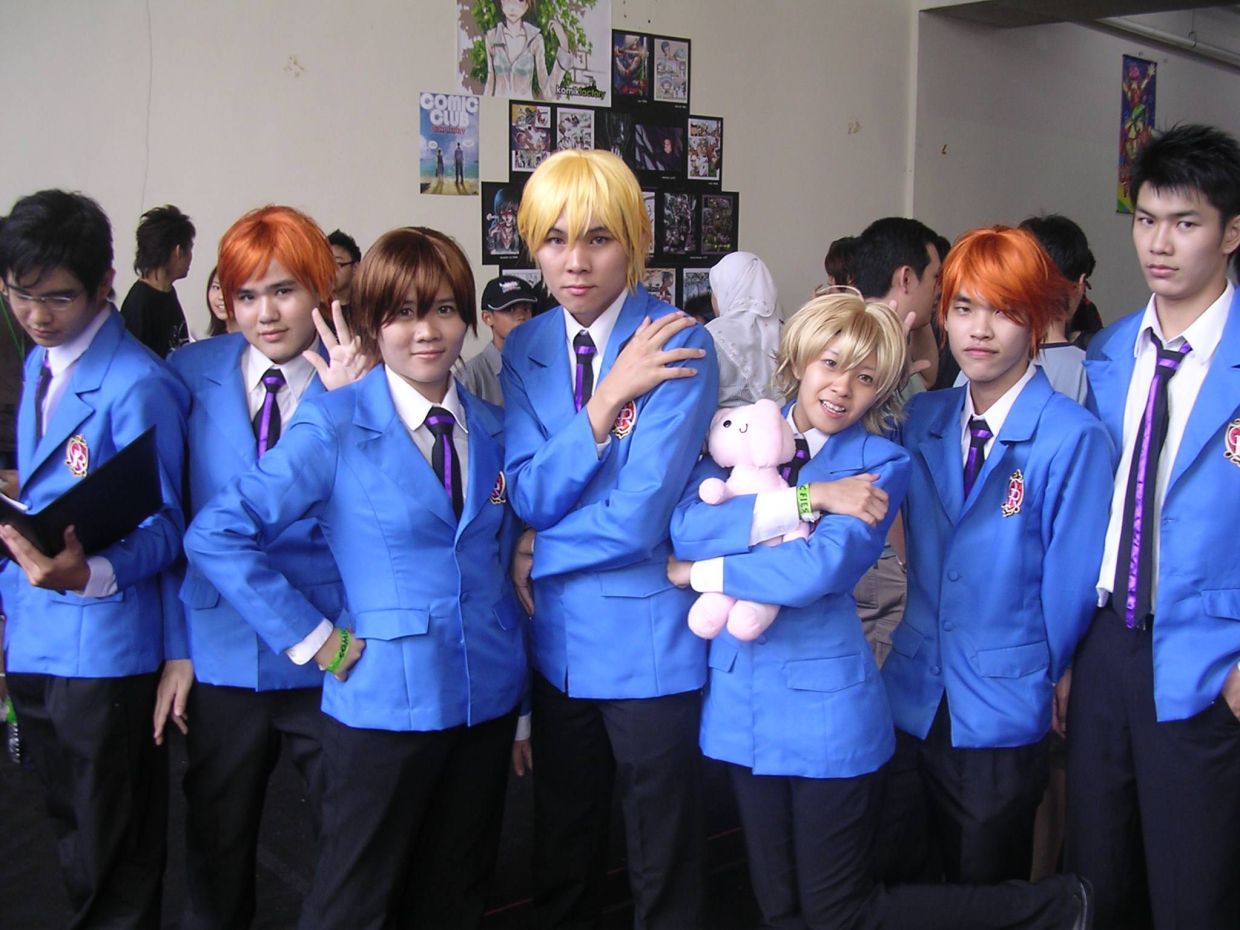
Lim notes that many attendees plan their calendars around the December weekend, travelling from across Malaysia and neighbouring countries to reconnect with a community where “people speak the same language”.
Hotel rooms in the surrounding areas are quickly snapped up for the event weekend even with surging prices, and spillover crowds in nearby malls are often spotted, some still in costume.
“Have you seen the complaints of hotels being fully booked?” jokes Audrey Leong, event operations director for Comic Fiesta.
The event, held in different locations in KL, also serves as a good hunting ground for studios to headhunt emerging talent.
Lim, who also runs an animation studio, says he has personally sought to recruit new talent from among the exhibitors at Comic Fiesta.
Beyond the spectacle of cosplay and artist alleys, Comic Fiesta illustrates the advantage of recurring, passion-driven events, where conventions centred in community create predictable annual cycles of travel and spending, unlike one-off concerts that spike demand briefly.
‘We live and breathe it’
That surge is not confined to the ACG scene, as across town, a different subculture produces a similar rhythm.
On the Art of Speed weekend, collectors fly in from Jakarta, Bangkok and beyond, drawn by limited edition releases and a community built around custom cars and motorcycles.
“What’s unique about Art of Speed is that we have some really distinctive sellers of vintage items, fashion and local brands.
“So it’s become a spot where they order via WhatsApp and then they fly in from, say, Jakarta to buy [the items],” says Art of Speed founder Asep Ahmad Iskandar.
About six years ago, the event also incorporated a Hot Wheels convention in collaboration with the global brand, complete with a limited edition car model released exclusively for the annual show.
“So it has become like a global phenomenon. Everybody has the fear of missing out and wants to collect the limited edition model,” adds Asep.
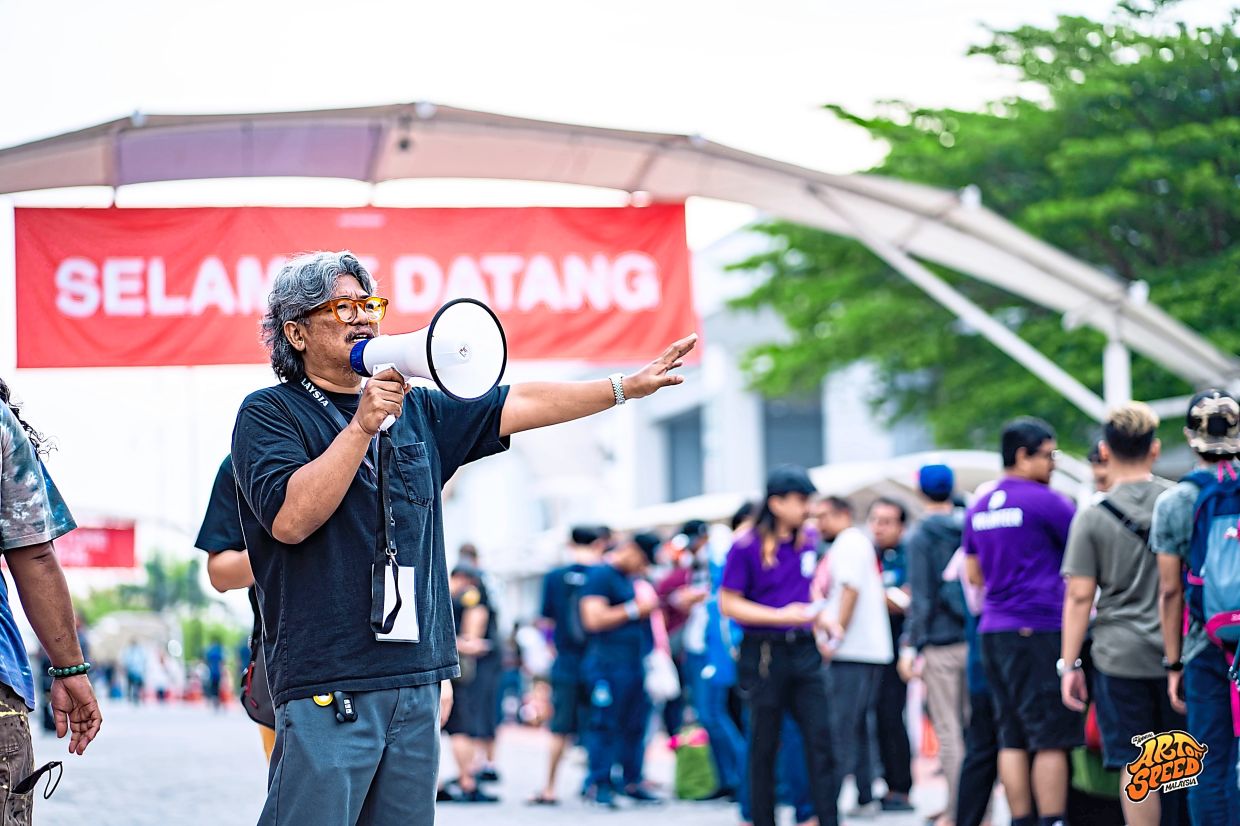
He describes the loyal community that attends Art of Speed annually as “hardcore”, willing to pay thousands of ringgit per person to support the event.
“We do a dinner for the convention with 400 seats, and it’s always oversubscribed. It’s about RM1,500 per head too,” he says.
Like Comic Fiesta, Art of Speed had humble beginnings, starting as a small gathering of like-minded enthusiasts in a small event space with “like 10 cars and 20 motorcycles on display”.
It has since ballooned into a massive undertaking held annually at the spacious Malaysia Agro Exposition Park Serdang, Selan-gor, and draws between 70,000 and 80,000 visitors annually over one weekend.
The community’s loyalty probably stems from the fact that its members understand that the organisers themselves are truly passionate about the culture as well, Asep believes.
“We’re real, you know. We live it, we breathe it.
“This is what we do; we have fun with it, we kid around with it, so there’s that sense of realness.
“That resonates among the people who come to our show, so they come because they genuinely think it will be a good time,” says Asep.
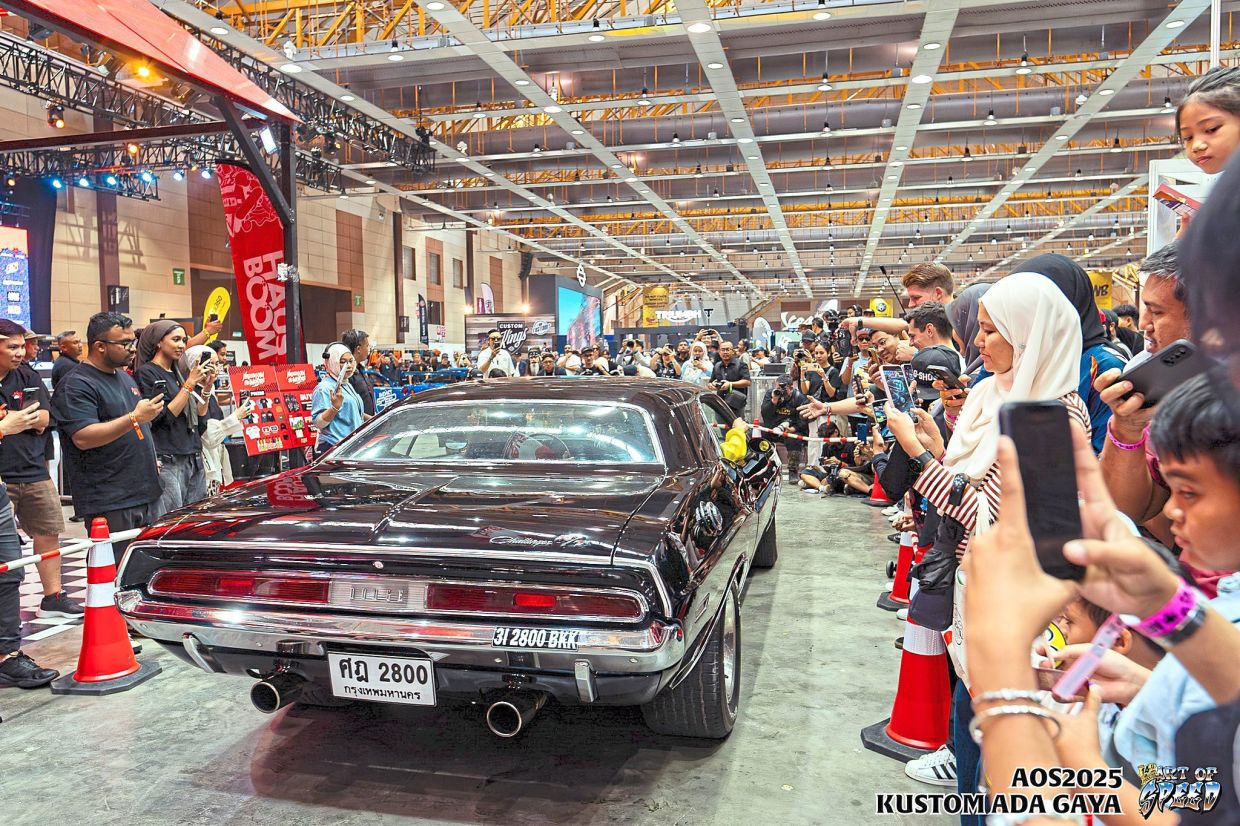
Community events like Art of Speed also serve as a good launchpad for local brands, he adds, because “the kind of loyalty or support you get from the community is unlike what you would get from a mass market”.
The result is a highly filtered audience; not casual visitors but committed hobbyists who travel with intent and spending power.
As the event celebrates its 15th anniversary this year, Asep notes that many long-time visitors have also started to bring their children to the convention, forming a multi-generational audience.
A multigenerational crowd
If custom automotive culture can sustain that kind of generational loyalty, the effect is even more visible in Malaysia’s publishing scene.
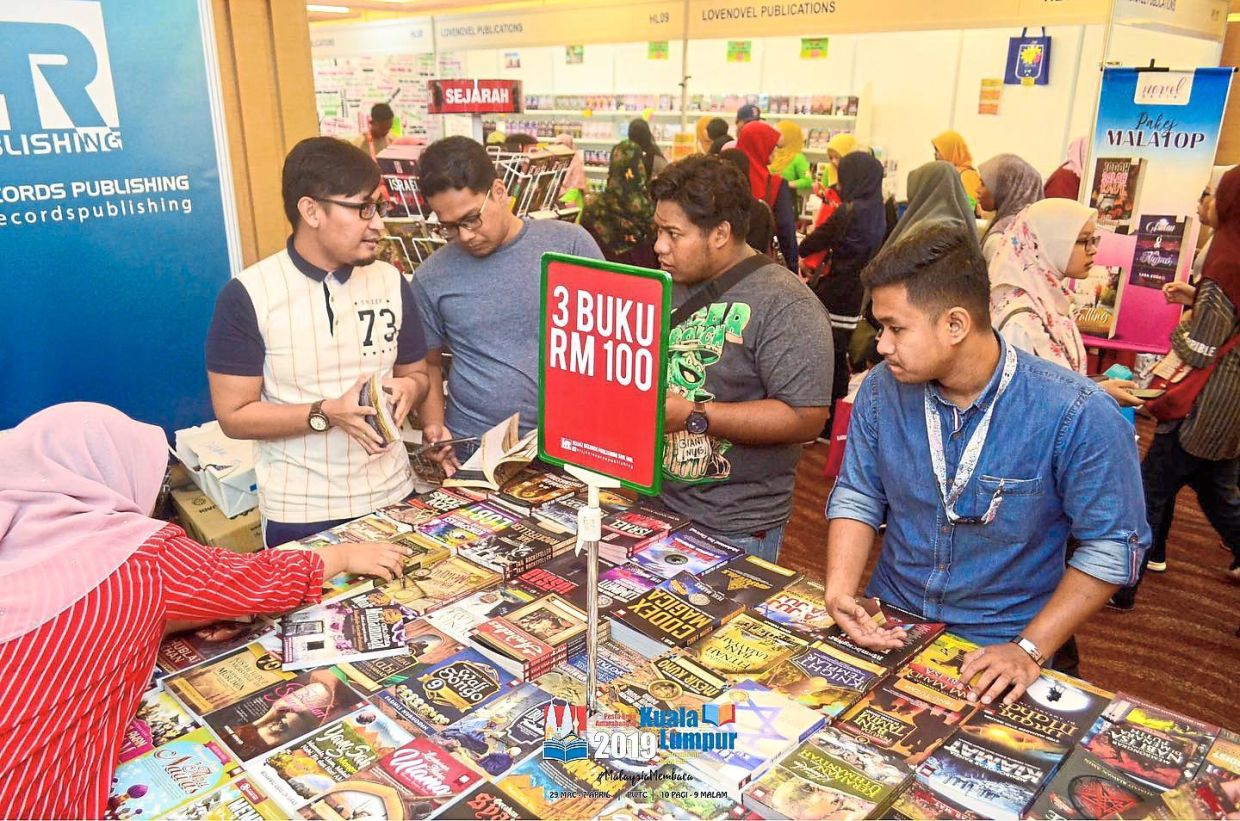
At the KLIBF, school holiday weekends routinely coincide with packed exhibition halls at the KL Convention Centre as parents bring children in tow, not just for discounted titles but also to cultivate reading as a shared habit.
It’s one of the largest annual book fairs in the region with over 2.1 million visitors attending last year’s KLIBF, which was officiated by Prime Minister Datuk Seri Anwar Ibrahim.
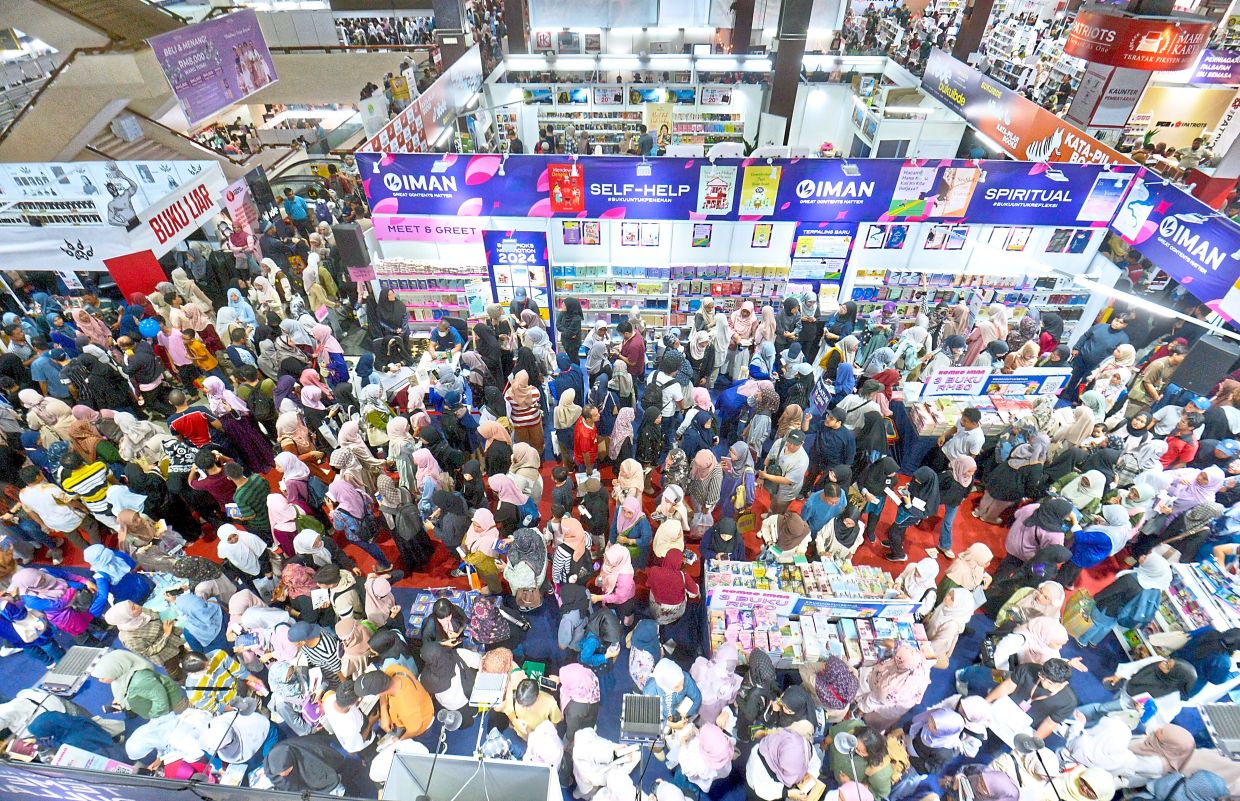
KLIBF organising committee chairman Mohd Khair Ngadiron points to the Nilam programme in schools, initiated by the Education Ministry in 1999, as having successfully sowed the love of reading among Malaysians who are now parents themselves.
“About 20 years ago, a study found that Malaysians only read two books a year, but two years back, they found that it had become 24 books a year.
“This is because of the effort of the government in schools, and we have more educated parents who say their kids need to read also,” says Mohd Khair.
Beyond retail sales, the fair also functions as a regional meeting ground for publishers, rights negotiations and cross-border collaborations.
As such, publishing companies are among KLIBF’s biggest supporters, with exhibitor slots quickly snapped up the moment they are opened.
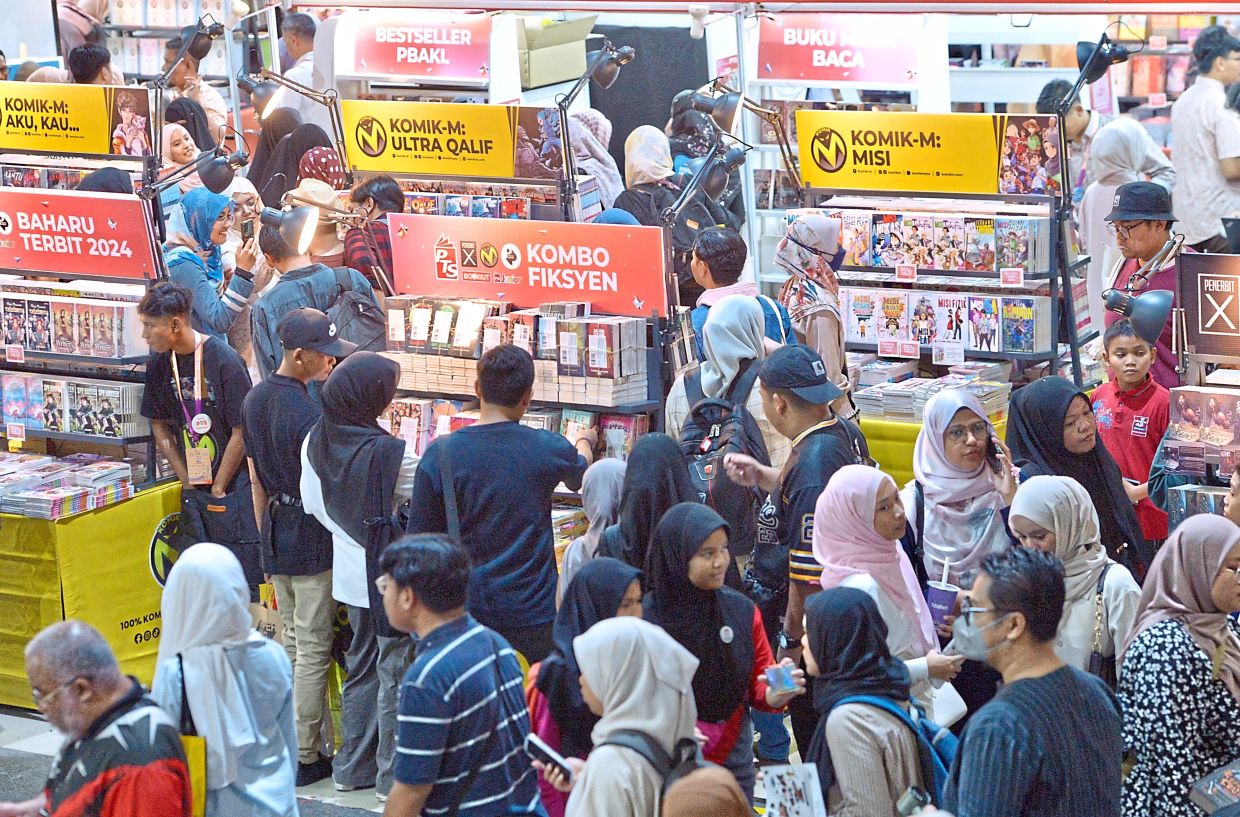
Aside from the industry support, KLIBF, which has been running for over 40 years, also enjoys substantial institutional backing.
At last year’s launch, the prime minister announced the expansion of the government’s book voucher programme to include 400,000 teachers to further cultivate a love for reading among Malaysians – and bring more potential visitors to the book fair.
The book fair is now a fixed annual ritual for many families, shaping domestic travel, sustaining local publishers and consistently filling out hotels and surrounding commercial areas.
Such events spanning vastly different communities have seen a consistent pattern emerge, where loyalty and passion are the name of the game, generating repeat visitation and ecosystem spillovers year after year.
For policymakers seeking to position Malaysia as a regional events and tourism hub, that pattern carries strategic implications.
Resonating with young audiences
Tourism Malaysia has emphasised the importance of positioning the country as a regional hub for high-impact events, particularly in Visit Malaysia 2026, says its deputy chairman Datuk Yeoh Soon Hin.
“Meaningful success is defined by the quality, depth and long-term value of impact delivered to the country.
“This approach is guided by a high-growth, high-value framework, which prioritises structural outcomes such as economic spillover effects, knowledge transfer, professional upskilling and industry resilience,” he explains.
Tourism Malaysia recognises the growing influence of subculture-driven events as an important force in shaping Malaysia’s contemporary tourism identity, positioning the country as a vibrant and multifaceted destination, says Yeoh.
“They showcase not only Malaysia’s heritage and leisure offerings but also its intellectual, creative and youth-driven cultural expressions, which resonate strongly with international millennial and Gen Z audiences.”
Yeoh also acknowledges that such events generate predictable visitor flows, attract fandom-driven international travel from regional markets and create sustained demand for hospitality, retail and transport services.
“Crucially, they also provide platforms for local SMEs, artisans, publishers, and creative entrepreneurs to participate directly in the tourism value chain.”
While one-off flagship events play an important role in delivering short-term visibility and global attention, he says visitor loyalty and repeat travel generated by such annual events are regarded by Tourism Malaysia as fundamental to long-term tourism sustainability.
Especially during VM2026, he says Tourism Malaysia is prepared to support such events through targeted financial assistance, capacity-building initiatives and international promotion.
As Malaysia seeks to establish itself as an events destination, recognising and strategically supporting these homegrown, community-driven gatherings may prove just as important as securing the next global headline act.

