
LATE into the evening, five men worked briskly inside a shellfish processing facility in north-west Scotland, sorting live langoustines and packing them into polystyrene boxes destined for France, Italy or Spain.
At peak season, Scot West Seafoods could employ twice as many staff – if only the company could find them.
“We know that we are in a faraway place,” said operations manager Xohan Dios, reflecting on the location of Kyle of Lochalsh, a village tucked among dramatic hills and mirror-still lochs. “The only thing we need is people.”
The shortage is biting so hard that the company has stopped processing prawns altogether at its plant near the bridge to the Isle of Skye. It has even contemplated shifting its packing operations 320km south to Glasgow, where workers are easier to recruit.
Across Britain, anti-immigration sentiment is sharpening. Reform UK, Nigel Farage’s right-wing populist party, has surged ahead of Labour in some opinion polls and pledged to deport 600,000 undocumented migrants if it wins power.
Alarmed, Prime Minister Keir Starmer has announced measures to curb arrivals.
Yet, in Scotland – and particularly its remote regions – the political mood in London jars with the reality on the ground.
Scotland’s population is rising overall, but labour shortages in rural areas are crippling businesses, draining communities of essential workers and forcing schools to shut as families move away.
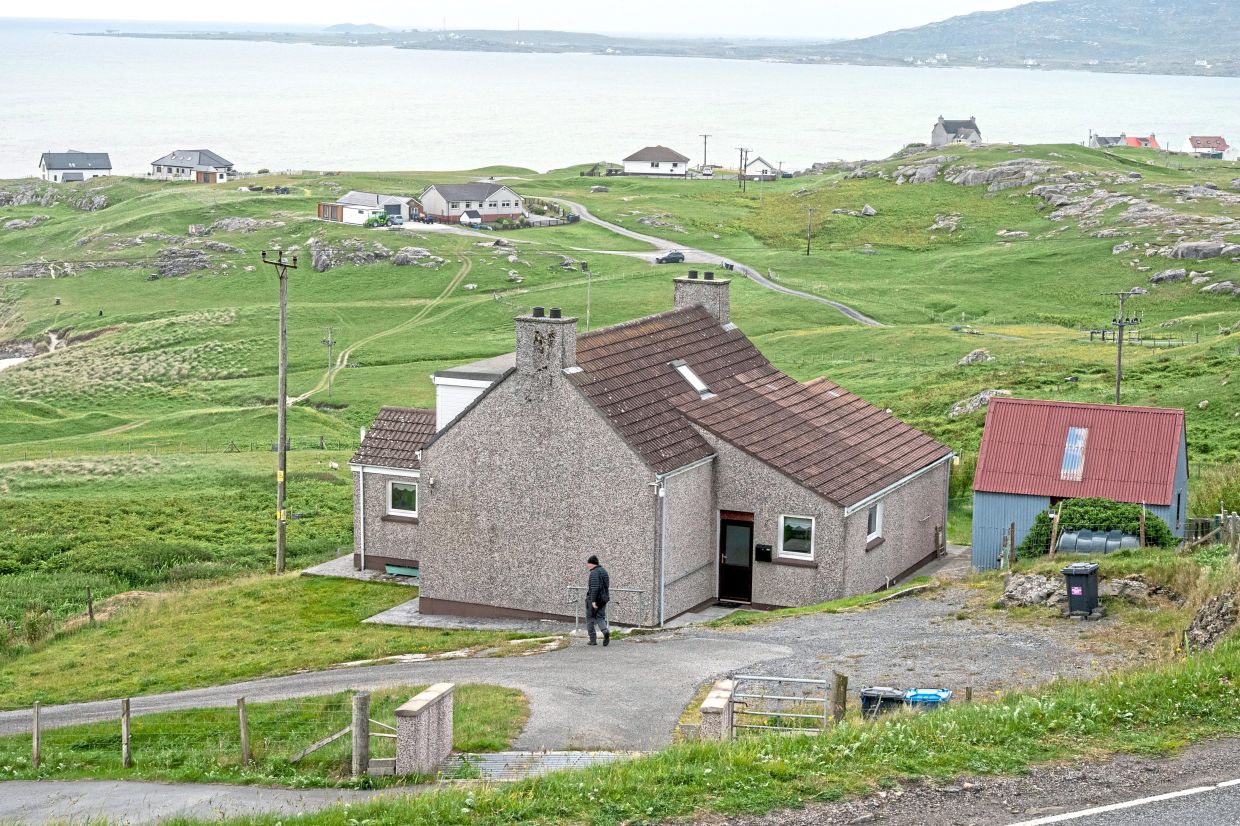
This contradiction – Westminster seeking to slash immigration by hundreds of thousands a year while rural Scotland cannot fill basic jobs – has become a political and economic dilemma.
John Swinney, Scotland’s first minister, warned in May that London’s restrictions posed “a significant economic threat” to the country’s prosperity, saying the care system for older and vulnerable people was in jeopardy.
Torcuil Crichton, a Labour MP for Na h-Eileanan an Iar, or the Western Isles, has called for new work visas tailored to remote regions.
“The whole of rural Scotland faces a depopulation crisis,” he said. Some factories in his constituency struggle to hire at all; restaurants open only Thursday to Sunday for lack of staff.
“We need to counter – with Labour values – this myth that Britain is somehow full up,” he said. “The economy in some sectors is running at half speed because of the lack of a labour force.”
Dios pointed to a cocktail of pressures behind the recruitment crunch: a chronic shortage of affordable homes; Brexit, which ended free movement from the EU; and the Covid-19 pandemic, which prompted many eligible migrants to return home.
“Everybody is looking for employees,” he said. “Hotel owners, restaurant managers, coffee shops, fishing boats – everybody’s in the same situation.”
Legal immigration outside the EU spiked after Brexit, peaking at more than 900,000 arrivals in the 12 months to June 2023. But government efforts to cut numbers pushed that down to about 430,000 in 2024.
Meanwhile, depopulation is deepening in many rural parts of Scotland. The Western Isles, for example, now count about 26,200 residents – 5.5% fewer than in 2011. Housing shortages, weak transport links and limited healthcare have driven out young people. A lack of child care accelerates the trend, with families moving to places where nurseries and schools are easier to access. Since 2007, 147 rural schools have closed.
The Scottish government, responsible for health, transport and parts of taxation, has little control over immigration, which remains in Westminster’s hands.
Swinney’s Scottish National Party has long argued for devolved migration powers and proposed a special visa for workers in Scotland. Ideas include a rural visa scheme restricting employment to specific areas for the first four years and a Scottish graduate visa allowing students to stay and work for two years after finishing their studies.
London, however, shows little enthusiasm. With Reform UK polling strongly, ministers have little political incentive to relax immigration rules.
Last year, when Crichton floated rural- specific visas, Seema Malhotra, then a Home Office minister, dismissed the idea, “There is currently no legal basis to do so, even if we wanted to.”
Support for Reform UK has grown even in Scotland, where Farage once faced open hostility. Some polls now show the party backed by around a fifth of voters.
On South Uist, one of the Western Isles, Sheila Peteranna, manager of the Borrodale Hotel, said the island simply cannot hold onto young workers – not with unreliable ferries and few opportunities.
“They don’t want to live on the island because they want to get away to attend a concert, see a show, go to the football – what normal people do,” she said. “They want to be the same and you don’t blame them at that age.”
Her two adult children plan to leave for the mainland.
Migration has always shaped the islands – Peteranna’s own family descended from a migrant shipwrecked there centuries ago – but even skilled professionals are now scarce. Last year, the local health service recruited five family doctors only after offering salaries of £150,000 to £160,000 a year, tens of thousands above the norm.
Back at Scot West Seafoods, worker Andrew Powrie, 40, said housing costs were crushing locals.
“It’s nigh on impossible for anyone to own their own house because it’s so expensive,” he said.
On Skye, where he lives, landlords make far more renting to tourists than to residents. “On the whole for locals, it’s just a nightmare.”
Young people, he added, “seem to want to go to college and then straight down to Glasgow, Edinburgh or Aberdeen, because there’s not a lot of opportunities for them here.” — ©2025 The New York Times Company
This article originally appeared in The New York Times
Already a subscriber? Log in
Get 20% OFF The Star Digital Access
Cancel anytime. Ad-free. Unlimited access with perks.