SPRAKKAR. I had landed in the land of the Sprakkar.
I wasn’t sure if 27 hours of flying, leading to an otherworldly jetlag, meant I was mishearing things. Sprakkar? But no. Here I was in Iceland, to attend the Reykjavik Global Forum and I had found myself fully immersed amongst Sprakkar, the ancient Icelandic word meaning extraordinary or outstanding women.
The Forum, now in its 8th year, was formed as a response to the lack of women’s representation and participation at the World Economic Forum in 2017.
Two Sprakkar, Silvana Koch-Mehrin, president and founder of Women Political Leaders and her board chair at the time, Hanna Birna Kristhansdottir decided then and there to build a new community; one that would gather annually, and include diverse women’s voices from government, industry, academia, media and the arts to talk about matters that matter, namely gender equality and the advancement of women’s leadership, in order to determine how and when to take action.
Here in Iceland, the geographical backdrop to this spirited and collegial convening is arresting. Artic zephyrs clear any jetlag and cardamon spiced pastries activate the tastebuds. The snowy, candlelit town with the warmth of its local citizens offers a ray of hope that it is sincerely possible to find places, programmes and people who believe that gender equality matters and is equality for all, and that meaningful progress will occur when we understand we have more in common than not.
Indeed, this is the nation that, according to the World Economic Forum’s Global Gender Gap, leads the world in gender equality, based on scores related to political empowerment, educational attainment and improvement in women’s economic participation.
Standing with us in the Forum’s coffee lines each morning were many of the town’s residential Sprakkar who personify these outstanding results – current president, former prime minister, former first lady and current mayor – all requesting to leave the formalities at the door and be called by their first names Halla, Katrin, Eliza and Heida respectively.
Structural changes that have supported this esteemed status Iceland enjoys include policies for shared parental leave, equal pay legislation, kindergartens for all children and legislation on gender-based violence. However, progress didn’t happen overnight and as we learned from our hosts, celebrating gender equality should never be taken for granted as no country is immune to global forces keen on driving regression and fuelling gender wars.
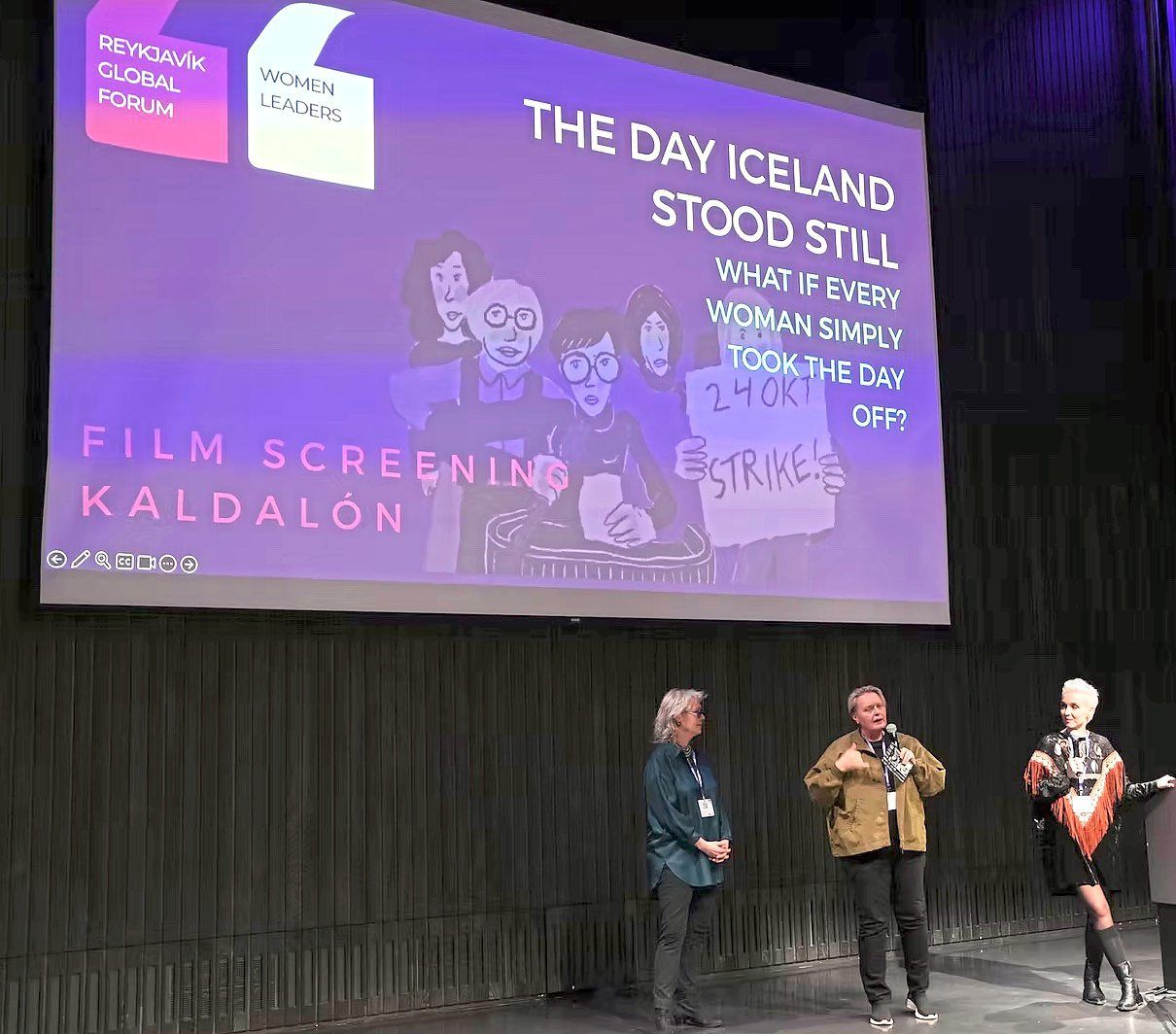
Watching The Day Iceland Stood Still was a poignant reminder that progress towards gender equality needs community, a narrative (the why), shared goals and courage.
The documentary focuses on Oct 24, 1975 when 90% of the women of Iceland went on strike to demonstrate the importance of their contributions and to protest gender pay gaps and gender inequality.
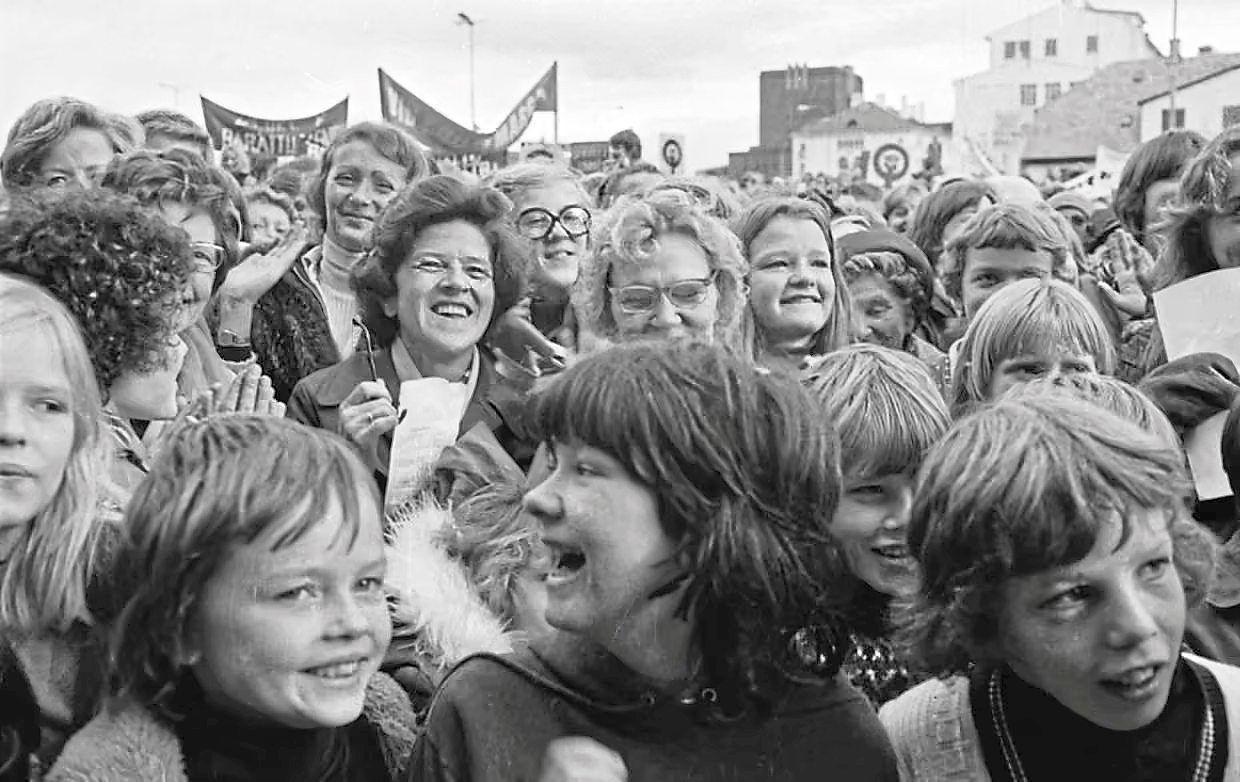
Consequently, the day directly led to legislative change outlawing sex discrimination and catalysed the opportunity for Vigdis Finnbogadottir to become not only Iceland’s but the world’s first democratically elected woman president in 1980.
Participants at this year’s Forum were not naive nor immune to the sobering fact that today, persistent barriers still exist across, and within nations that limit women’s advancement.
Research from the Gates Foundation highlighted care and workplace realities, data and accountability gaps, policy and legal gaps and institutional barriers are limiting progress towards gender equality.
Further, biased perceptions of women’s leadership as measured by this year’s Reykjavik Leadership Index reported a general decline in scores across many countries especially in G7 nations. Indeed, for many countries, groups of young people have more gender prejudice than older generations with the rise of social media polarisation acting as a key contributor to this decline.
At the conclusion of the Forum, as I visited the website of Icelandic Airways to check in, I came across this quote:
“Strong women: May we know them. May we be them. May we raise them.’
And it struck me. This was the spirit of Sprakkar and the essence of what this annual gathering was about.
Strong women with strong male allies working through the data, reflecting respectfully and creating solutions that reframe conversations from “zero sum” to “yes and”.
We heard from strong leaders in the political arena – Dalia and Mari – who shared their perspectives on the forces challenging democratic norms and the timely and vibrant social movements standing steady to protect.
We saw strong male allies, Gary, Richard, Dominek and Collins – demonstrate what "leading with hope across genders" means. In their words “gender equality requires everyone at the table” and this panel refocused the conversation away from notions of the “manosphere” and “toxic masculinity” to one where men and boys can be valued and active participants in advancing equality for all.
Activists, social change warriors and systems designers – Trisha, Vanessa, Christy and Kristina- shared practical actions and a frontline toolkit of tactics for “reclaiming the digital public square” – celebrating positive digital solidarity to strengthen democratic resilience.
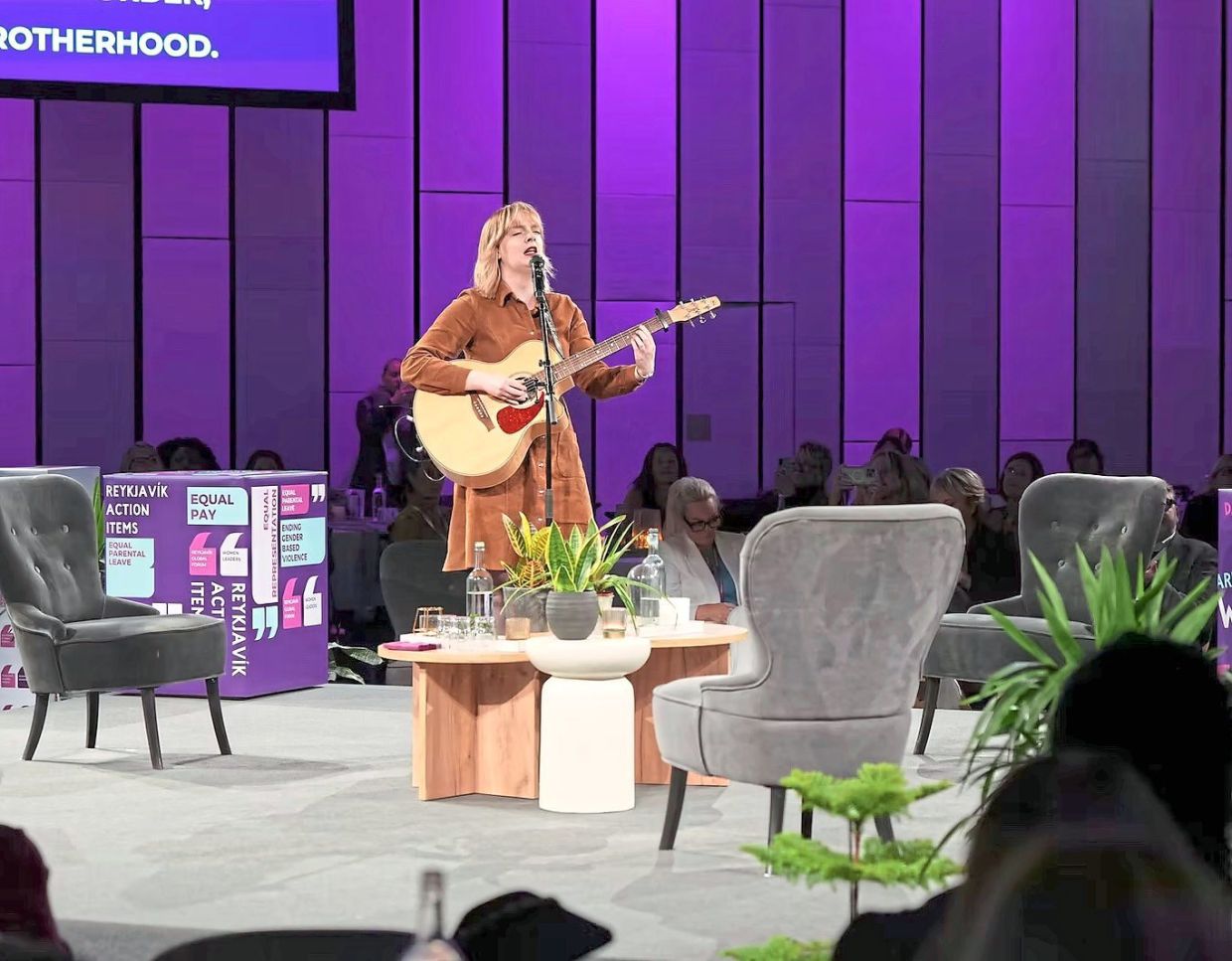
Storytellers, musicians, writers, artists and creatives – Jann, Yrsa, Tracy and Una – spoke, sang and shared the power of storytelling and the potent value of creativity to move hearts, minds and votes to what is sincerely possible. Una with guitar in hand sang Afram Stelpur the rally cry of Icelandic women 50 years ago that stopped the nation with lyrics that still resonate today: “But do I dare, do I want, can I? Yes I dare, yes I want and can !”.
As I left the forum, buoyed by the fact that, despite the hard and gnarly road ahead, gender equality is still worth fighting for because it benefits everyone, I reflected on my conversation with Eliza who introduced me to the concept of Sprakkar. As the former First Lady reflects in her book Secrets of the Sprakkar:
“We all know Sprakkar. They are in our families, our communities, our places of worship, our government, our cultural institutions and our schools... They only need us, and themselves, to elevate them, showcase them, teach others to be like them...There are extraordinary women everywhere, across our beautiful planet. That’s the secret”.
Personally, the work I do at Harpswell, advancing women’s leadership in South-East Asia, is all about building and boosting Sprakkar.
So the secret’s now out. How might you harness your inner Sprakkar and support fellow Sparkkar for the greater good?
Jacyl Shaw is the executive director Harpswell Foundation, which focuses on promoting young women leadership in South-East Asia. For details of the Reykjavik Global Forum programme and speakers, visit https://www.reykjavikglobal.com/
Sprakkar sisterhood
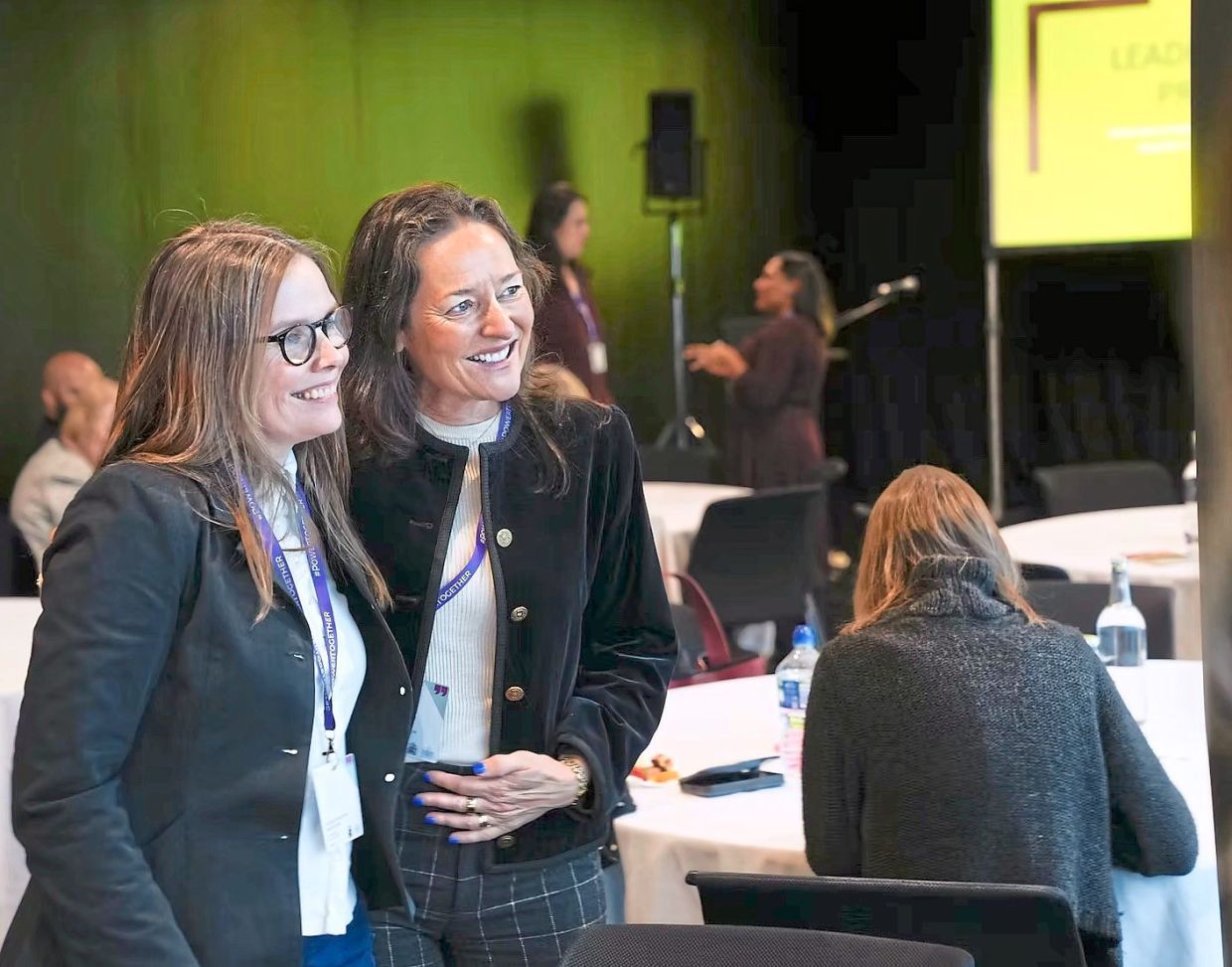
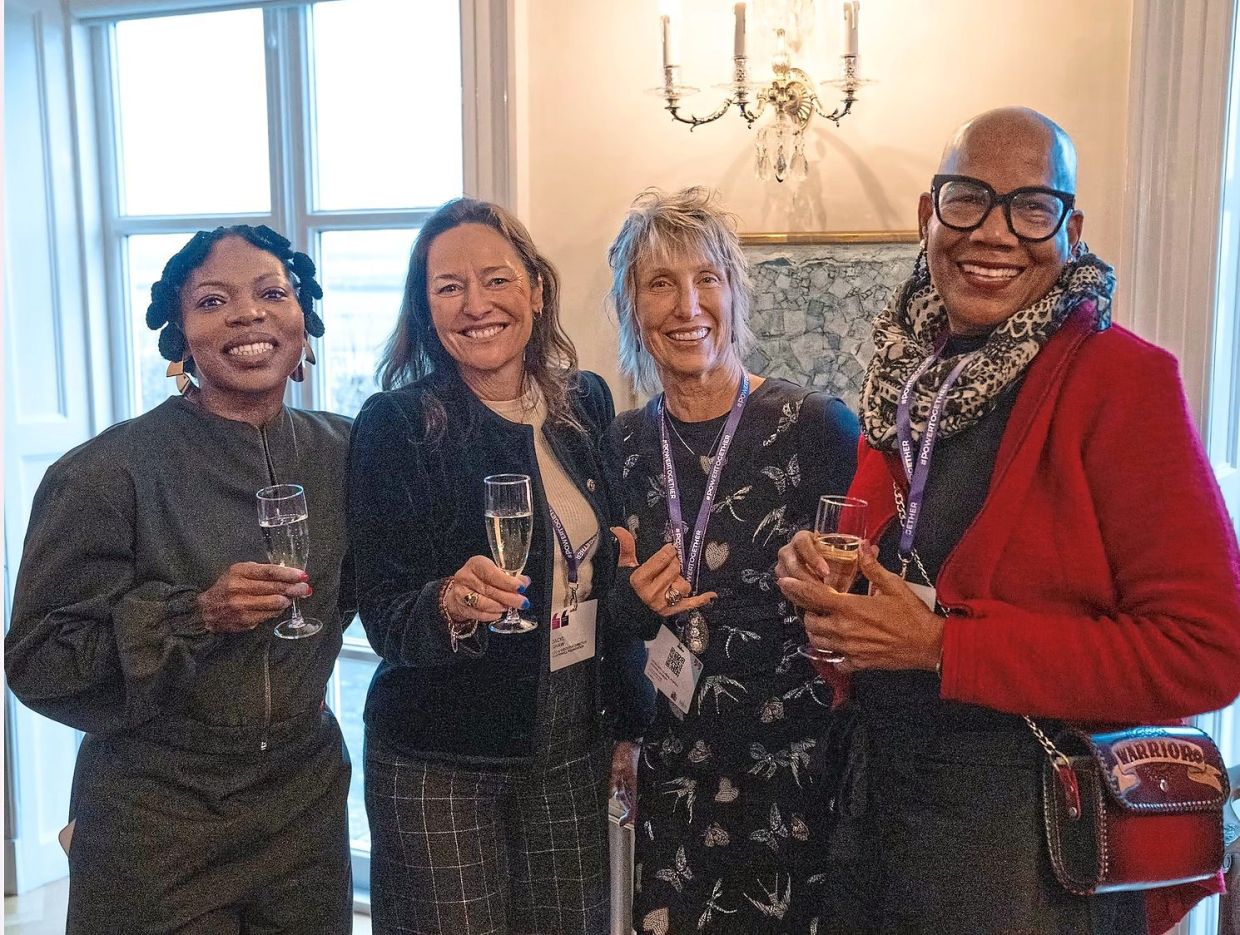
The writer was excited to meet the strong women of Iceland including its former prime minister, Katrín Jakobsdóttir.
Musician Una Torfadóttir singing 'Afram Stelpur', the rally cry of Icelandic women 50 years ago that stopped the nation with lyrics that still resonate today.
The team behind 'The Day Iceland Stood Still', director Pamela Hogan and writer/producer Hrafnhildur Gunnarsdóttir in a Q&A after the documentary screening.
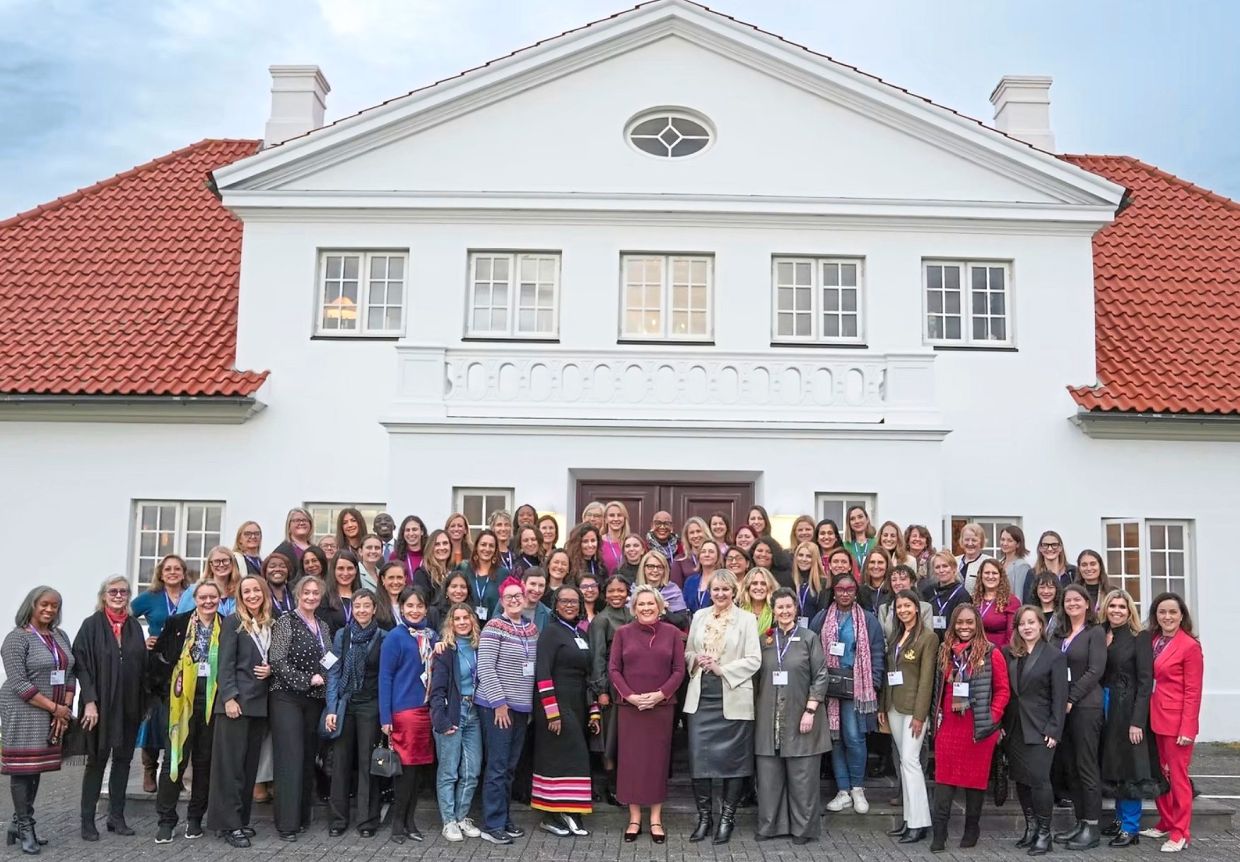
Sprakkars posing for a photo outside Iceland's president Halla Tómasdóttir's presidential residence. It was reported that Tómasdóttir has warned that despite the progress made, her country was not immune to the global 'backlash' against feminism. — Photos: Jacyl Shaw
Forum participants networking at the presidential residence.