EIGHTY years after the end of World War II, the memory of the Japanese Occupation of Malaya remains a defining chapter in the nation’s history.
Yet, for many young Malaysians, that period is often reduced to a series of dates, battles and figures in school textbooks – stripped of the human stories that made it so traumatic, and so formative.
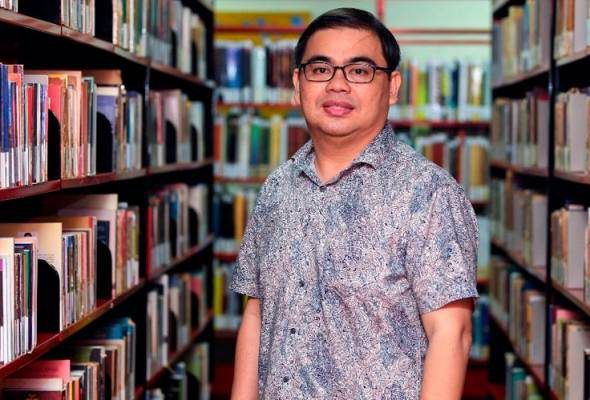
Universiti Malaya sociopolitical analyst Prof Datuk Dr Awang Azman Awang Pawi believes this approach risks dulling the lessons of history for future generations.
“While the Occupation is included in the curriculum, it is often presented in a simplified, fact-based manner.
“Students may learn who invaded, when it happened, and how it ended – but they are not always encouraged to reflect on the lived experiences of ordinary people or the political implications that remain relevant today,” he says.
According to him, more can be done to bridge this gap between history as memory and history as lived reality. One way is through oral history projects that actively collect testimonies of survivors before they vanish.
He says each passing year means fewer firsthand voices remain, making it urgent to preserve their stories for posterity.
“Hearing directly from survivors, or even from their families, brings out the emotional depth that no textbook can capture,” says Prof Awang.
Community-based education is another area with great potential. Museums, exhibitions and local history centres could do more to highlight the stories of villagers, labourers, and women who endured the hardships of Occupation, rather than focusing primarily on political elites or military figures.
“This grassroots perspective would allow Malaysians to see themselves in history and understand how resilience was forged from the ground up.”
At the same time, comparative learning can place Malaya’s experience within a broader global context. Linking the Japanese Occupation to worldwide histories of colonialism, war, and decolonisation allows students to see the shared struggles of nations across Asia and beyond.
“This creates awareness that our history is not isolated. It is part of a larger struggle against oppression and authoritarianism,” Prof Awang says.
He also points out that digital storytelling may prove to be the most powerful tool for today’s youth – documentaries, virtual reality simulations and interactive online platforms can immerse students in the realities of war, giving them a visceral sense of how it felt to live through the Occupation.
“If done well, such innovations could transform abstract facts into deeply felt experiences.”
Prof Awang says the goal is not simply to recall the suffering of the past, but to use memory as a guidepost for the future.
“By engaging with history in deeper, more human ways, we remind ourselves of the importance of unity, resilience, and vigilance against authoritarian threats.
“That is how the lessons of the past remain alive for the generations to come.”