



AT the National Mosque in Kuala Lumpur on a recent Friday, a crowd of men angled for a close-up look at the silver-haired figure in a grey suit exiting an elevator.
They held their camera phones up high and perched on stairs to catch a better glimpse. Those who could get close enough, stepped forward to kiss the man’s hand. A worshipper put his hand to his head in a salute.
The man commanding all this attention was Tun Dr Mahathir Mohamad, who served more years as prime minister than anyone in Malaysia’s history.
Starting in 1981, he governed uninterrupted for 22 years, engineering an economic transformation that reshaped the country from one dependent on tin, rubber and palm oil into one of the world’s major high-tech exporters.
Then in 2018, after a 15-year break, he was elected again at 92, setting a record as the world’s oldest prime minister.
But he remains a deeply polarising figure, reviled by many for clamping down hard on his political opponents – most notoriously, Datuk Seri Anwar Ibrahim, the current prime minister – and for his incendiary comments about Jews and race in Malaysia.
Western governments, including the United States, condemned what happened to Anwar when his mentor led the country.
And for all the praise he won for Malaysia’s economic transformation, Dr Mahathir (also fondly known as ‘Dr M’) was also subject to much less-flattering assessments. He has been called Machiavellian, a dictator, an autocrat and an antisemite.
As he approached his 100th birthday on July 10, Dr Mahathir assessed his own legacy in a wide-ranging, hourlong interview with The New York Times in his office in Putrajaya, the administrative capital that he built about an hour’s drive from downtown Kuala Lumpur.
When asked about the dictator label, Dr Mahathir looked amused.
“Do strongmen ever resign?” he responded. “If you can find a dictator who resigns, then you can call me a dictator.”
(Political historians might counter that there are examples, including Augusto Pinochet in Chile.)
And what about the charges that he is antisemitic?
In past statements, he has called Jews “hook nosed,” said they “rule the world by proxy” and blamed them for the Asian financial crisis in 1997 – singling out financier George Soros, who, Dr Mahathir pointed out, is Jewish.
In the interview, Dr Mahathir said he had “no problem” with Jews and pitied them for the vast suffering of the Holocaust. But he said he became appalled when the formation of Israel resulted in the expulsion and killing of Palestinians.
“When I criticise the Jews for doing wrong things, bad things and oppressive things, they label me as an anti-Jew,” he said. “I’m pointing out that what they were doing is wrong; that is all.”
Some analysts have characterised such offensive tirades, like blaming Jews collectively for what he sees as the failings of Israeli state policy, as a way for him to pander to a domestic audience that has long supported the Palestinian cause. Others suggested they were a way for Dr Mahathir, who has long called for Islam to coexist with the modern world, to bolster his own religious bona fides.
During his first tenure as prime minister, Dr Mahathir made race the centre of his and Malaysia’s politics. Political analysts said he championed the idea of Malay supremacy, giving lucrative business opportunities to select Malay businesspeople.
During the interview, he made the same sort of sweeping statements that had been a characteristic of his time in office: “The Malays don’t work as hard as the other races,” he said, while noting that “the Chinese are very hardworking, and they are very materialistic.”
Whatever his final legacy, Dr Mahathir is determined to add to it.
One obsession keeps him going.
“Before I die, for as much as I can function,” Dr Mahathir said, “I would like to continue my work in trying to contribute to the growth of Malaysia.”
Every weekday, he is in the office by 8:30am and works for about nine hours, sometimes 12.
“Working is the best therapy for not being ill, that’s what he tells me,” said his wife, Dr Siti Hasmah Mohamad Ali, 98, to whom he has been married for close to seven decades. “He says: ‘If I rest at home, I’ll be wasting my time.’
Dr Siti Hasmah, who devoted her medical career to maternal and child health, described a husband who treated her as an equal. He sent her to lead diplomatic delegations when she was first lady, like a trip to Iraq to assess the effect of the United Nations’ economic sanctions on women and children.
“There were so many times he believed in me,” she said.
Dr Mahathir said he thinks a lot about ageing and what it means for leadership. Old people should still contribute to politics, he said – but not all old people. Last year, he said that Joe Biden, whom he had initially backed for the US presidency, should step down.
“Although he is younger than me, he looked and behaved like an old person,” Dr Mahathir said during the interview.
Among his greatest regrets, Dr Mahathir said, was his decision in 2003 to retire at 78 because he felt he would be too old to contest the next election.
His feud with Anwar continues to reverberate today. The Malaysian government is considering a criminal investigation into Dr Mahathir over a territorial settlement with Singapore, in which he withdrew Malaysia’s attempt to challenge a previous ruling on three islets. It has also asked Dr Mahathir’s sons to disclose the sources of their wealth.
Dr Mahathir said he had tried to reach out to Anwar but he “wants nothing to do with me.”
Some of Dr Mahathir’s actions suggest he isn’t all that eager to make amends.
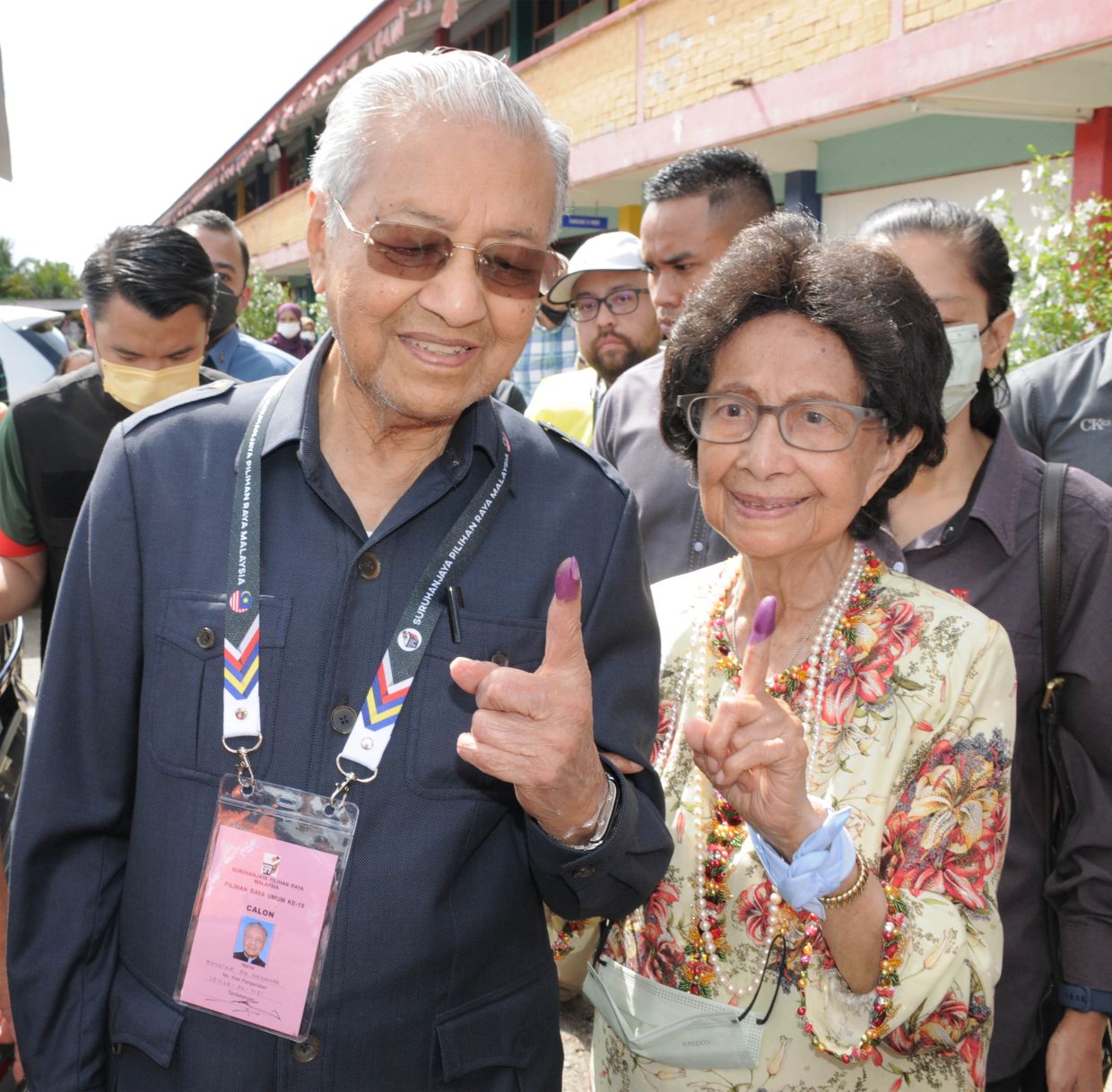
Voters had a chance to render their own verdict on the former premier’s legacy: In 2022, Dr Mahathir lost his seat in Parliament after gaining a mere 7% of the vote.
James Chin, a professor of Asian studies at the University of Tasmania, said Dr Mahathir’s latest coalition had been made up of extreme right-wing Malay parties that turned off many Malaysians.
“Mahathir will be remembered more for not bowing out gracefully,” said Ong Kian Ming, who was the deputy trade minister under Dr Mahathir in his second stint.
Datuk A. Kadir Jasin, Dr Mahathir’s former adviser, said he had long dreamed for his ex-boss to assume a Nelson Mandela-type role in retirement: a revered statesman who would share his wisdom with the world.
“Of course, it will not be fulfilled,” Kadir said of his wish. “He’s always said he doesn’t care how he’s remembered.”
“That’s Mahathir for you.” — ©2025 The New York Times Company
This article originally appeared in The New York Times.
Already a subscriber? Log in
Get 20% OFF The Star Digital Access
Cancel anytime. Ad-free. Unlimited access with perks.
A contentious legacy
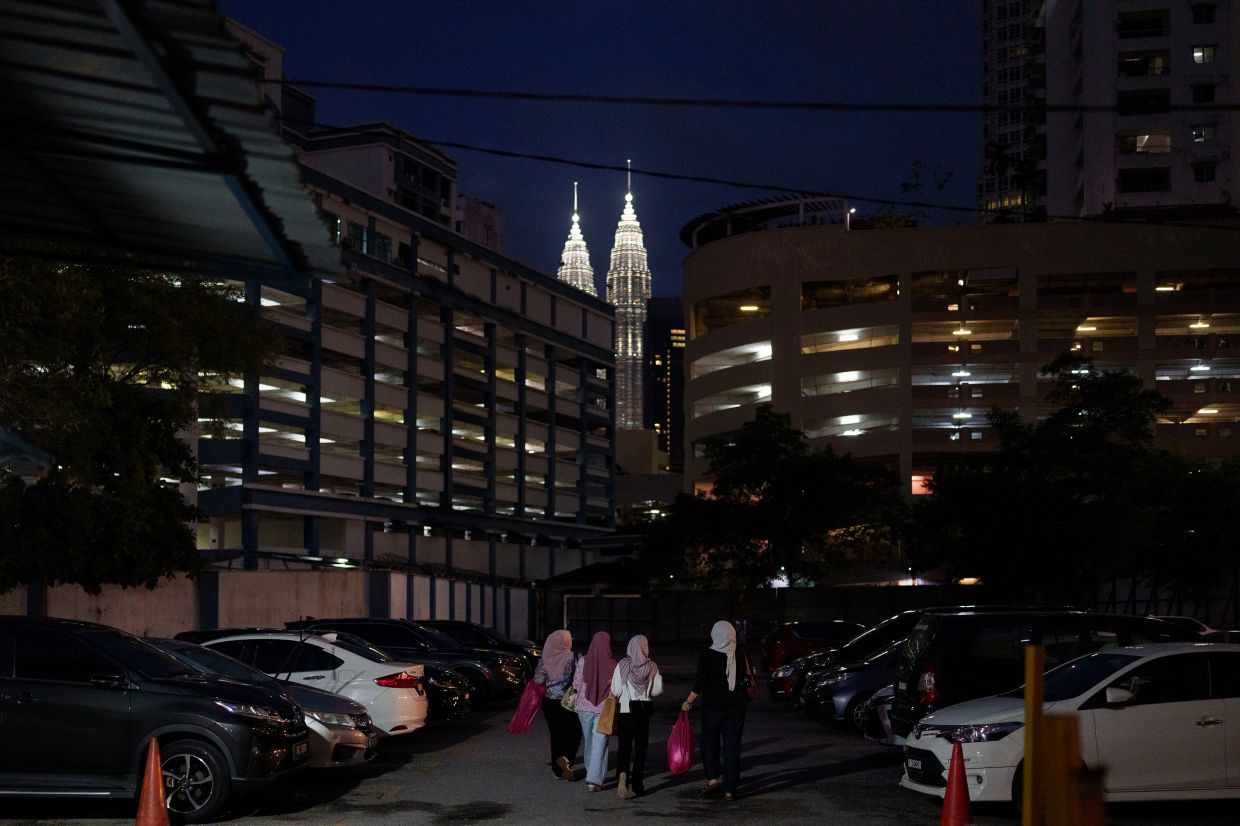
The Petronas Towers in Kuala Lumpur. When completed in 1996 during Dr Mahathir's tenure, the towers were the tallest in the world. — Chang W. Lee/The New York Times
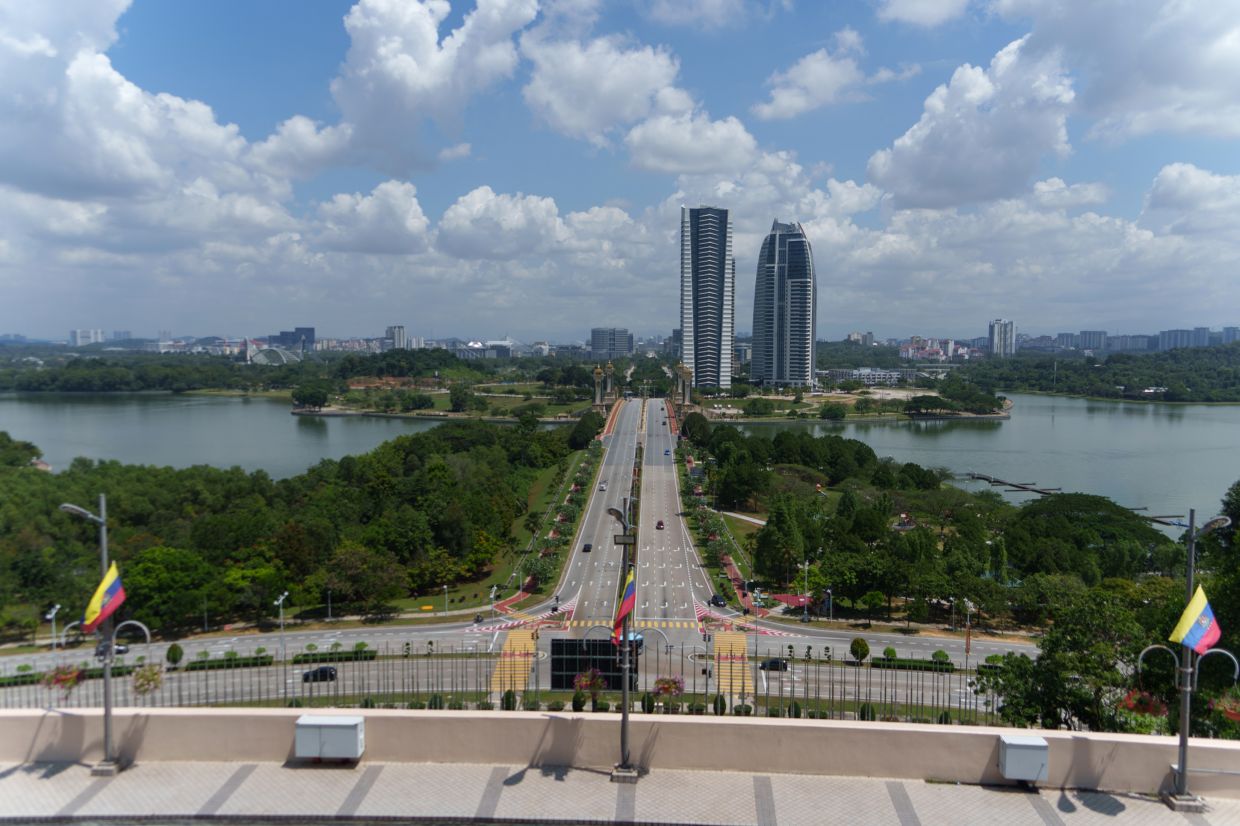
Putrajaya, the administrative capital outside Kuala Lumpur built under Dr Mahathir's leadership. — Chang W. Lee/The New York Times
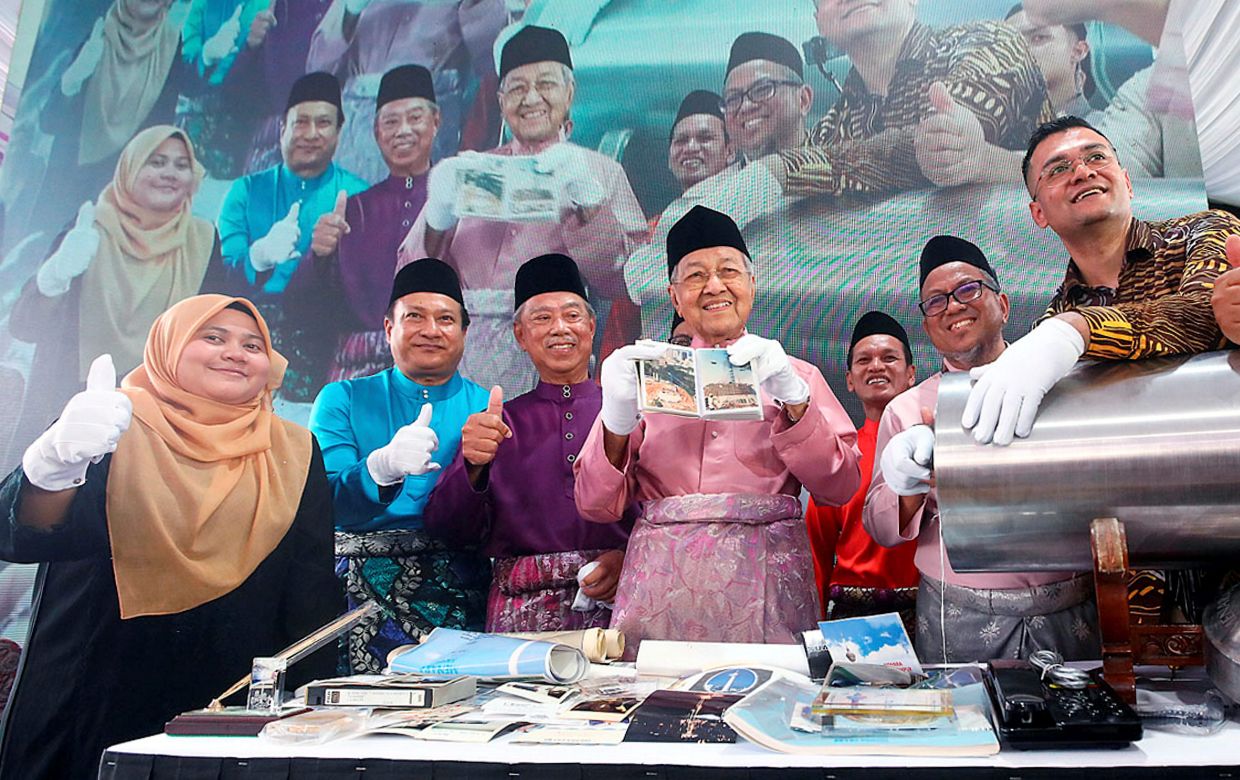
Dr Mahathir opening the 2020 time capsule sealed more than 28 years ago. — Photo courtesy of Sin Chew Daily
In 2022, Dr Mahathir lost his seat in Parliament after gaining a mere 7% of the vote. — G.C.TAN/The Star.

