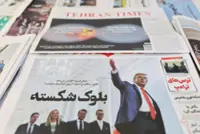
PRIME minister Benjamin Netanyahu of Israel has bombed Iran in what may lead to yet another war in the Middle East, and the challenge for President Donald Trump will be not only to protect American troops in the region, but also to stay out of this mess.
Netanyahu justified his latest military campaign by saying that Iran was a “clear and present danger.” And it’s true that Iran was enriching uranium to worrisome levels. It’s believed to be just weeks from having enough fissile material to make several bombs (although creating bombs and a way to deliver them would take much longer).
But a key reason for Iran’s increasingly dangerous course was the past colossal misjudgments by Netanyahu and Trump in their dealings with Iran. With strong backing from Netanyahu, Trump in 2018 pulled out of the nuclear agreement that President Barack Obama had reached that largely contained Iran’s nuclear programme.
Trump apparently expected Iran to come crawling back and make concessions. Instead, Iran accelerated its enrichment of uranium. One former Israeli security official has described the decision to cancel the deal in 2018 as a “disaster,” and another has said it was a “historic mistake.”
Netanyahu’s bellicosity didn’t work then, and it seems unlikely to work now. The bombing might have been intended to undercut Trump’s recent diplomatic efforts to restore something close to the original nuclear deal with Iran.
We’ll see what the results of the bombing are, but there have always been doubts that the Iranian nuclear site Fordow could be destroyed, at least without American bunker-buster bombs, because it is deep underground.
Israel has also bombed the housing area where Iranian nuclear scientists live, and that may be more effective; military experts have said for years that Iran would have a harder time replacing its nuclear scientists than its centrifuges.
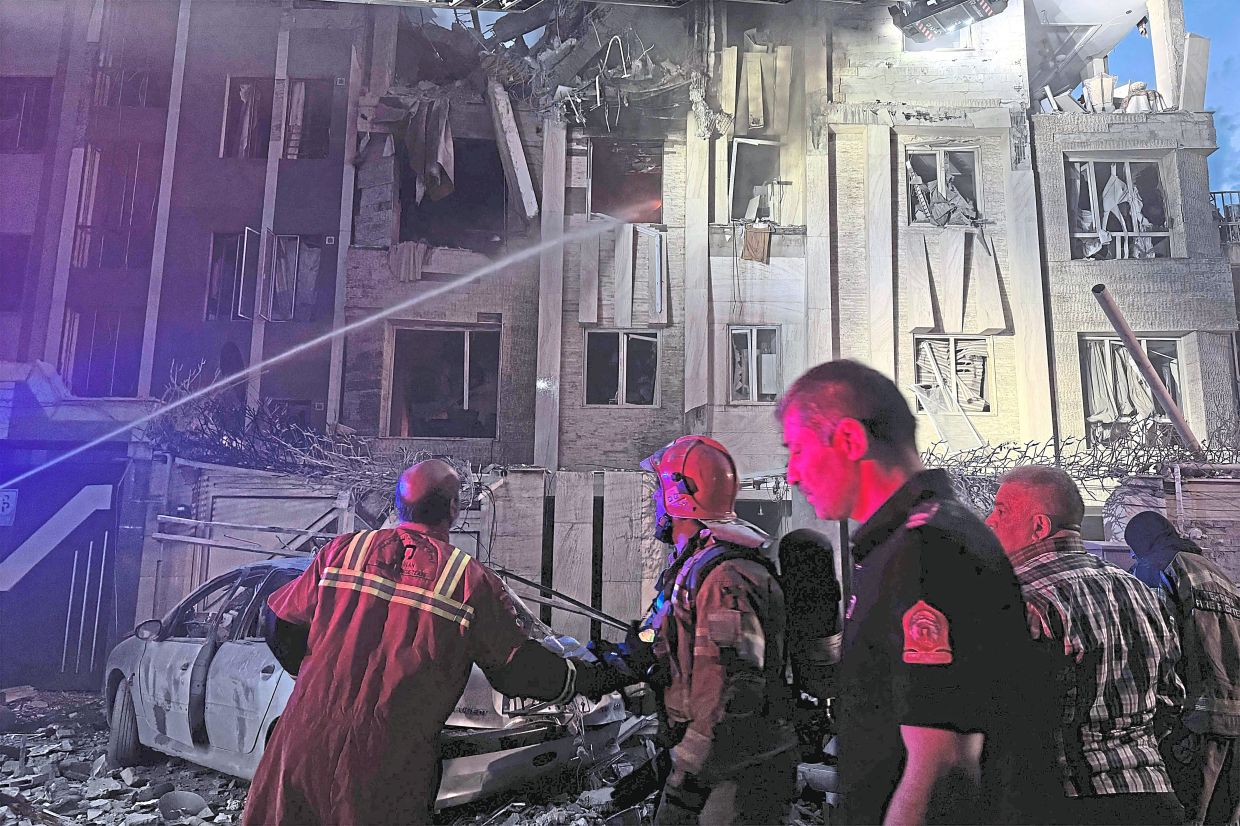
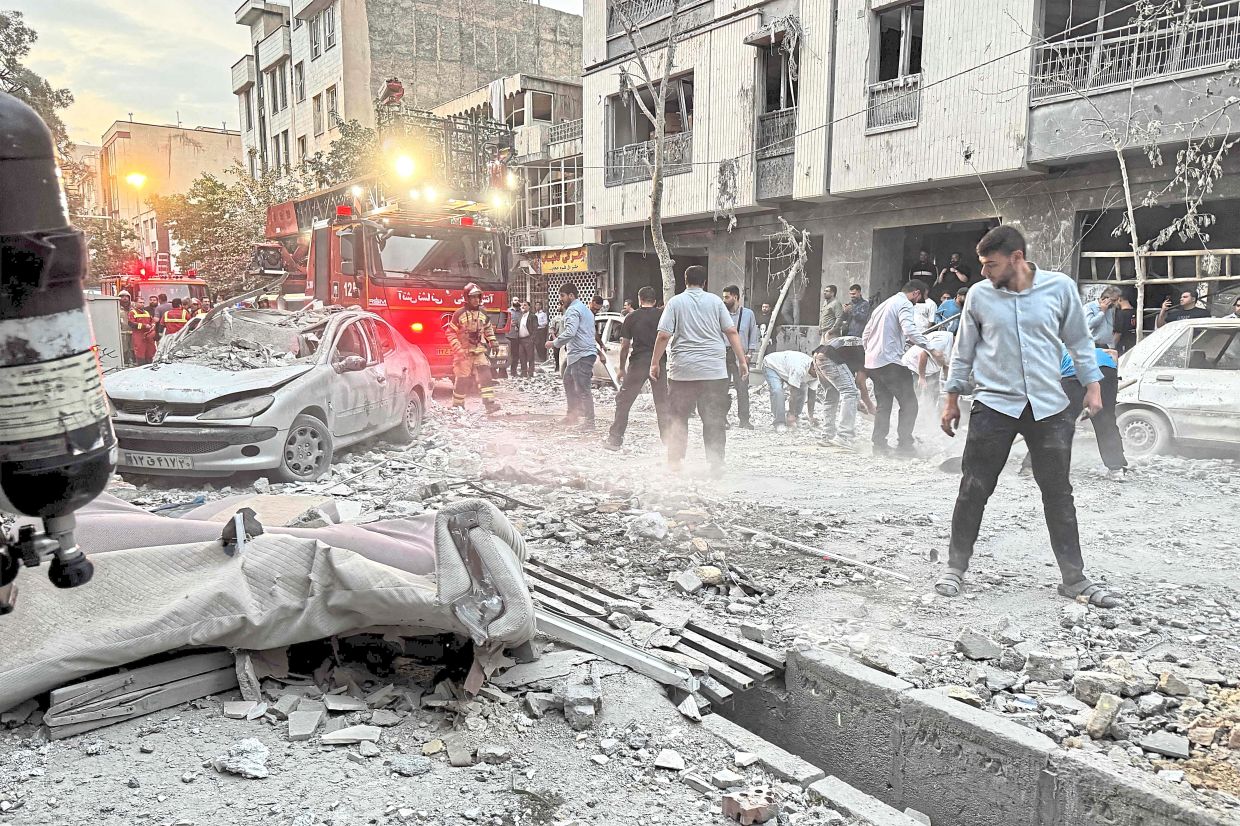
Attacks like this may simply accelerate Iran’s drive for nuclear weapons, because there will be more arguments by its leaders that this shows that the country needs a nuclear deterrent.
More broadly, the Iranian regime has seemed on my reporting trips to Iran to be deeply unpopular. Ordinary Iranian workers, farmers and others constantly complained to me about corruption, hypocrisy and economic mismanagement – but Iranians are also patriots, and foreign bombing may lead people to rally around the flag.
In the coming days, Iran and Israel are likely to engage in further military tit for tat; an open question (at press time at least) is whether or to what extent Iran will also target American troops in Iraq, Bahrain or elsewhere in the Middle East. The risk is that we see a cycle of escalation leading to a regional war that no one wants.
American troops and embassies will be at risk, and the best way Trump can protect them is to stay out of this fight and try to resurrect a nuclear deal.
Senator Jack Reed, the top Democrat on the Armed Services Committee, warned that Netanyahu had undertaken “a reckless escalation that risks igniting regional violence,” and that seems right to me.
To his credit, Trump has seemed wary of getting into foreign wars, and let’s hope he shows restraint this time instead of wading into a fight with Iran. — ©2025 The New York Times Company
This article was first published in The New York Times.