



CHINESE New Year is coming, which means it is time to buy new clothes.
The general rule of thumb for buying new clothes for the celebration is simple: no black or dark – coloured clothes. Anything else goes – all sorts of bright colours, patterns and styles are fair game.
But in recent years, youths have embraced a new fashion trend for Chinese New Year, which is traditional Chinese cultural attire.
While the classic allure of the cheongsam and qipao – typically deemed the Chinese traditional outfit in Malaysia – remains strong, the resurgence of the hanfu is capturing the hearts and closets of the younger generation.
This interest in traditional cultural clothing is mainly driven by the influence of the hanfu revival movement in China which has spread to Malaysia through social media, say Universiti Malaya Chinese Studies academics Ong Siew Kian and Ching Thing Ho.
Beyond just fashion, Chinese social media has also played a huge role in sparking young people’s enthusiasm for other aspects of traditional Chinese culture, such as food and language.
Both Ong and Ching say it is heartening to see youths embrace more of Chinese culture, but they hope it will become a stepping stone for them to learn more about the deeper meanings behind the culture.
Right now, it appears that many youths are merely following a new fad that is in line with their tastes and aesthetics.
Resurgence of historical fashion
Whether it is the form-fitting sleekness of the cheongsam or the elegant, flowing silhouette of the hanfu, both are visually appealing to the youths.
But the promotion of hanfu in Malaysia in particular has grown stronger in recent years through social media like TikTok, says Ong.
Videos on TikTok showcasing the hanfu – a traditional attire worn by the Han Chinese in ancient dynasties – regularly get hundreds of thousands of views, with some reaching millions.
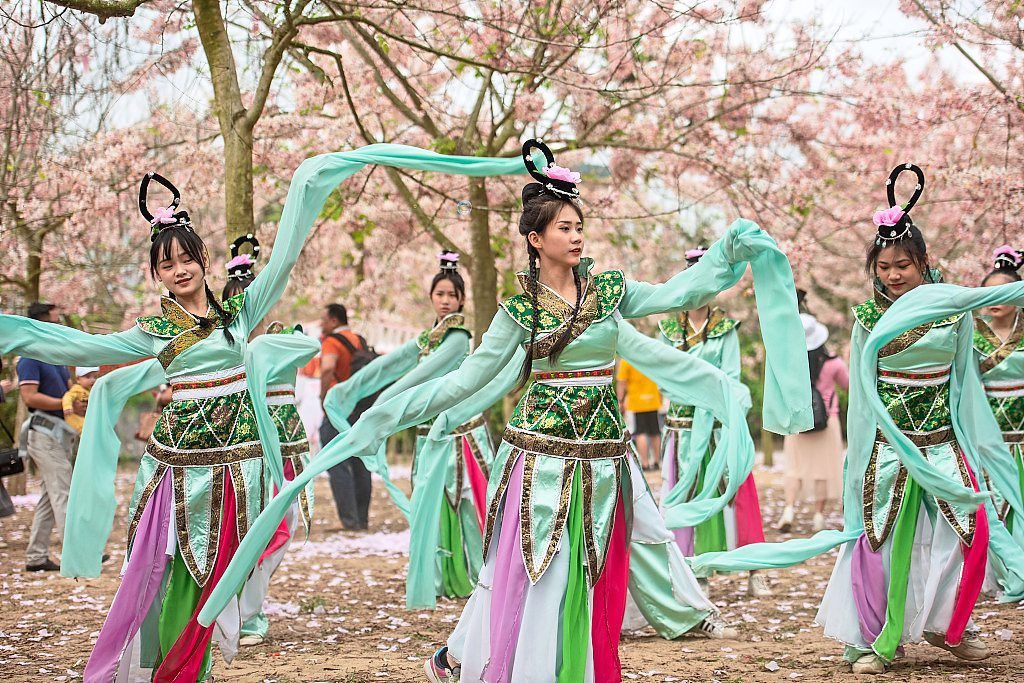
“I think the younger generation is probably affected by the so-called hanfu movement in China and there are some changing views on traditional clothing, so they think this clothing is trendy, they think it is quite fun and pretty,” says Ching.
Wearing traditional clothing could also be a way for the youths to express and connect with their Chinese identity, he adds.
“A small number of them probably feel that turning to traditional clothing, cultures and festivals is sort of building their connection with the past, the older generation and the ancient civilisations.
“As a young person living in this globalised world, sometimes you need to have some kind of anchor to fix yourself on the plane and culture is something that you can attach to in order to stand firmer,” Ong says.
The influence of Chinese social media
Like with clothing, the increasing fascination with mainland Chinese cuisine and the growing use of language and slang from China in Malaysia has been credited to social media as well.
Aside from TikTok, Ong says many of her students rely heavily on the Chinese social media platform Xiaohongshu for food recommendations.
“In Malaysia now we have a lot of Sichuan, Hunan and Xinjiang food and the students like it very much. Every time before they go out to eat, they will tell their friends, let’s check Xiaohongshu (for recommendations) first.
“Sometimes, when my students go out for such foods, they will say, ‘If my mother can prepare such foods for Chinese New Year, that will be wonderful’.”
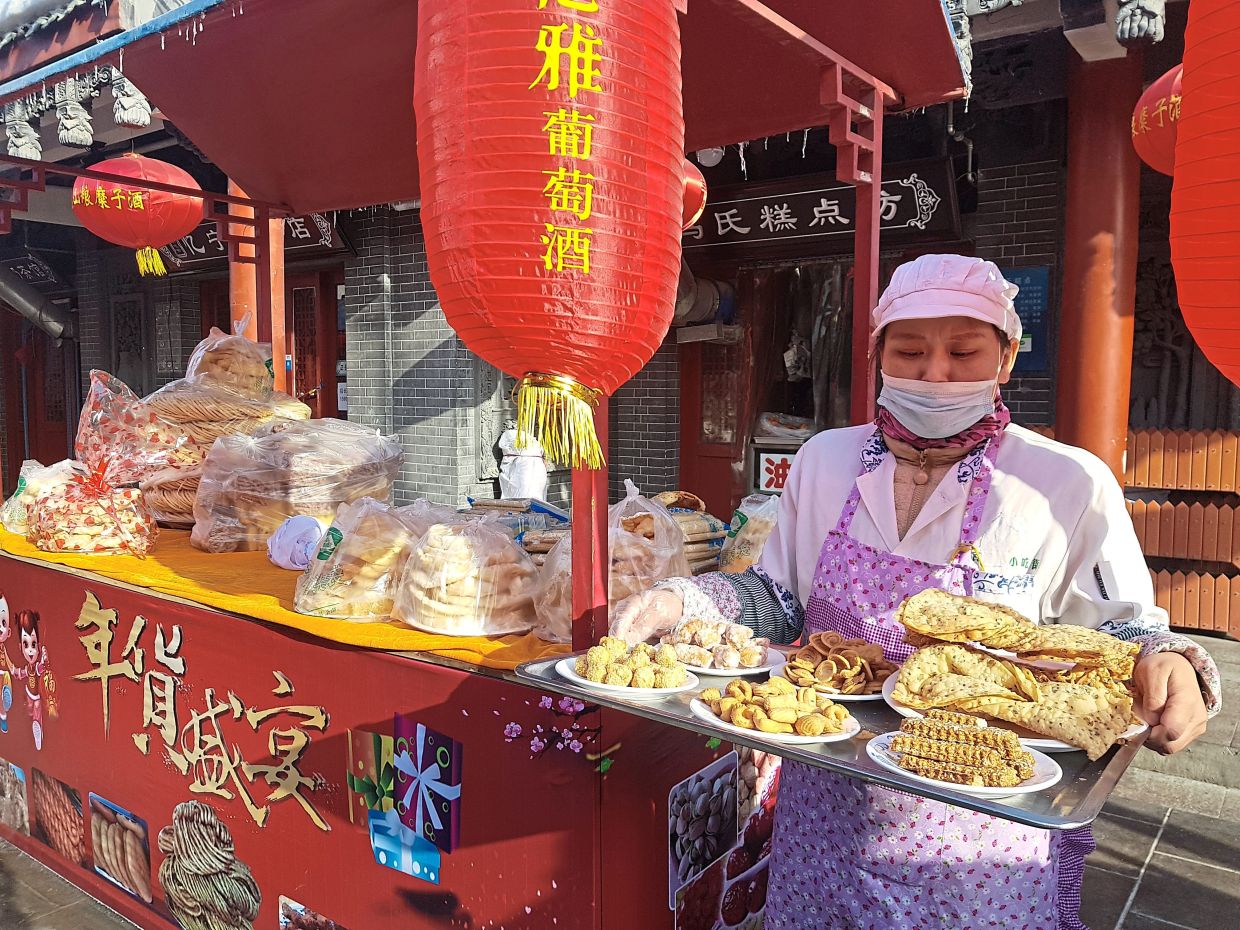
Even with language, many Chinese youths are very influenced by the official language of mainland China, that is Mandarin, says Ching.
Not only is that what many of them grew up learning in schools but in recent years the strong influence of China through mass media means young people are more prone to using phrases and grammar from the mainland, he adds.
However, Ong notes that traditional Malaysian Chinese culture should be drawn from Hokkien, Canton, Hakka or Teochew cultures as those are the Chinese ethnic groups most prevalent in Malaysia.
“But nowadays we follow more of the northern China culture,” she says.
Stepping stone to deeper understanding
While it is pleasant to see the younger generation take an interest in traditional Chinese culture, Ching and Ong wonder if they truly understand what it represents.
“The things we call traditional are quite big and comprehensive. It includes customs, beliefs, philosophy and a lot of other things. I don’t think the younger generation knows a lot about those things,” Ching says.
Even something as seemingly innocuous as clothing can carry a lot of historical culture behind it.
“Clothing is not just clothing. It is not just a piece of cloth that you wear outside. Once you wear traditional costumes, you have to learn also what we call ‘li’, which is something like traditional Chinese etiquette.
“There is a deep profound philosophy behind it. Once you learn about ‘li’, you will be interested in the philosophy,” Ching says.
For example, he says he knows some Malaysian youths who joined the hanfu movement and took the initiative and effort to learn traditional culture besides the clothing, including studying ancient 2,000-year-old Chinese texts.
“That learning process will take some time, it is not as easy as just wearing clothes.”
Ong concurs, saying that her students in the Chinese Studies department may be more aware of the culture, history and philosophy behind the culture, but many Chinese people may just think it is something popular and beautiful or that the food is delicious.
“We hope that they will understand more (about the culture through following these trends) rather than they did not follow the trend at all,” she says.
Regardless, the youth’s interest in Chinese culture is seen as a positive movement.
“Chinese traditional culture is a very huge resource that we can excavate, enjoy and identify with a lot of things, so it is good.
“In the future, I hope more and more of the younger generation will go into traditional culture and get something that will benefit them and the whole society,” says Ching.
Already a subscriber? Log in
Get 20% OFF The Star Digital Access
Cancel anytime. Ad-free. Unlimited access with perks.
