IT’S 1pm and the sun is blazing overhead.
In the city, workers are pouring out of their offices to head for lunch, many toting umbrellas or sunglasses to shield themselves from the heat. Also on the move are thousands of food delivery riders, manoeuvring around cars and heavy vehicles to make sure their orders reach their customers as fast as possible.
Nowadays, these riders, whether they are delivering food or parcels, are not just facing the dangers of rush hour traffic but also the real danger of inclement weather.
With an El Niño weather cycle expected to bear down on Malaysia – and much of the world – over the next few months and raise temperatures, these riders are putting their health at risk from intense heat.
This is especially true of the hours between 11.30am and 2pm, when the solar UV index (which measures the intensity of sunburn-producing ultraviolet radiation from the sun) is usually the highest – and when it is the busiest time for food orders.
Riders, says Malaysian e-hailing association (GEM) chief activist Jose Rizal, should prioritise hydration, take regular breaks, and reduce prolonged exposure to direct heat, particularly between 12pm and 3pm, whenever possible.
“They should also pay attention to warning signs such as dizziness, headaches, dehydration, and extreme fatigue.
“However, the reality is that many gig workers continue working in dangerous heat because of financial pressure and platform incentive systems.
“This is why safety cannot be placed entirely on the shoulders of riders alone,” he says in a recent interview.
Return of the ‘The Boy’
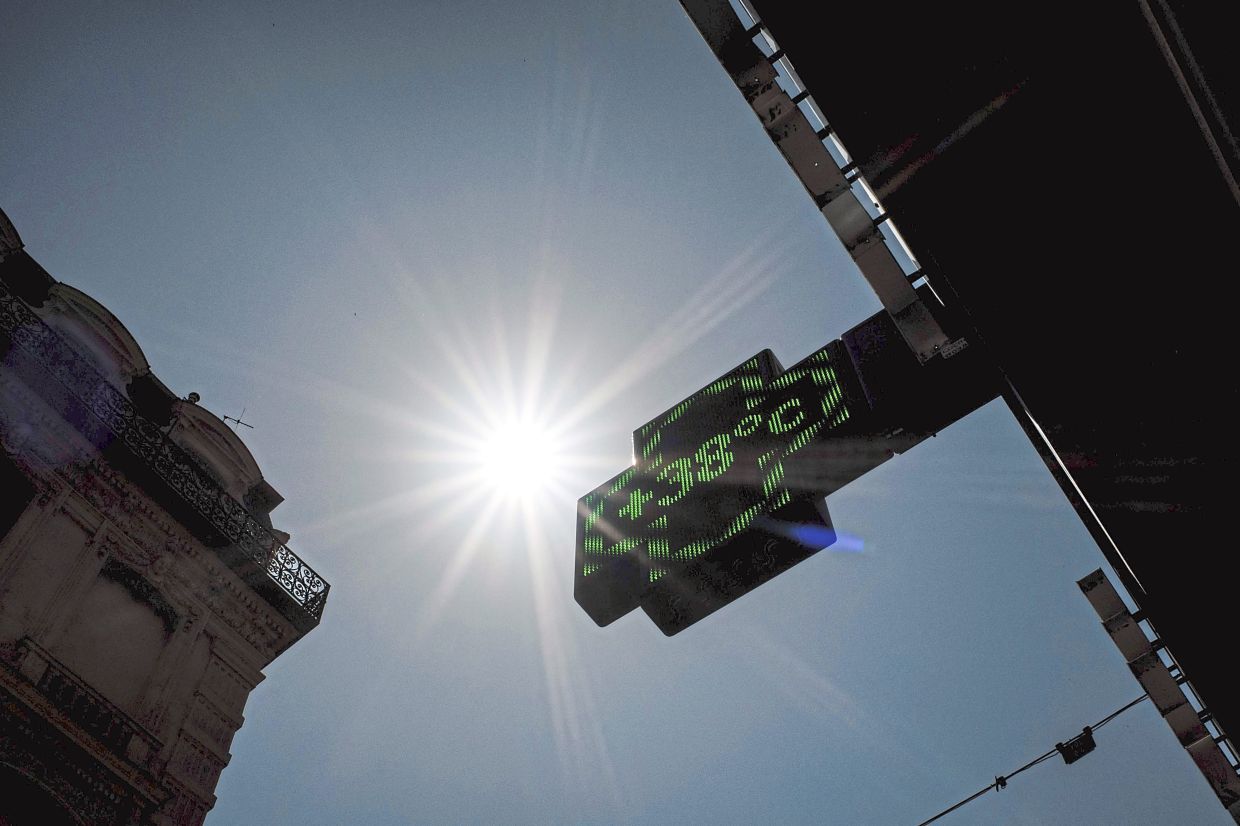
Recently, countries across Europe saw record-smashing temperatures, with the mercury hitting above the 30s, which is unusually hot when it’s only May and still spring.
In Britain, temperatures soared to 34.8°C at the Kew Gardens on the afternoon of May 19, and a wildfire broke out in usually cool Scotland. Similar readings were also recorded elsewhere – Germany, Hungary, Italy, Spain, and Switzerland – in Europe, dubbed the world’s fastest-warming continent.
Is this searing heat the harbinger of the so-called super El Niño?
El Niño (meaning “The Boy” in Spanish) events happen irregularly, typically every two to seven years, and are separated by neutral conditions or its opposite phase, La Niña, according to the World Meteorological Organisation.
This year, the climate prediction centre at the US National Oceanic and Atmospheric Administration says there is now a 82% chance of an El Niño event developing between May and July 2026, and a 96% probability of it continuing through winter in the Northern Hemisphere.
A positive Indian Ocean Dipole is expected to develop in the same time, between July and August 2026, ie, ocean temperatures will be warmer in the western Indian Ocean and cooler in the east. This will likely result in less cloud formation, causing Malaysia and the surrounding region to see drier conditions.
In Malaysia, two heatstroke deaths and 56 heat-related illnesses have already been reported nationwide, with 58% of the cases linked to physical activity during hot weather.
Of this, nearly half involved sports and athletic activities such as cross-country running, sports training, and marathons while the rest were high-intensity physical training by security and operational personnel, said the Health Ministry in a statement on May 2, 2026.
But while such activities, along with school extracurricular programmes, can be postponed during periods of intense heat, what about work?
Can the average delivery rider, who is paid according to the number of jobs he accepts, who needs all the tips he can get from those jobs, sit out one of the most lucrative periods of the day?
And what happens if El Niño conditions become the norm rather than the exception?
Delivery riders aren’t the only ones working in unrelenting heat.
Several unions – including the Building and Woodworkers International-Malaysia Liaison Council, Sabah Timber Industry Employees Union, Malay Forestry Officers Union, and the Union of Forestry Employees Sarawak – have in a recent statement urged the government to “unequivocally recognise extreme heat as a deadly occupational hazard under the law”.
According to a 2024 International Labour Organisation report, Ensuring Safety and Health at Work in a Changing Climate, at least 2.41 billion workers – 71% of the world’s working population – are exposed to excessive heat, resulting in 22.85 million injuries and 18,970 deaths annually.
Among those most exposed to the dangers of heat are construction workers, agricultural labourers, municipal workers, and delivery riders.
Feeling the heat
In Malaysia, the Occupational Safety and Health Department (DOSH) has a set of “Guidelines On Heat Stress Management at the Workplace”; they have been in place since 2016 and were last updated in 2019.
The guidelines explain what heat stress is, how employers should assess it, the legal obligations involved, how to measure it scientifically, and what control measures should be implemented to protect workers.
Excessive workplace heat can reduce concentration, increase fatigue, raise accident risks, and cause serious medical conditions such as a heatstroke, DOSH points out, adding that awareness of the dangers remains low among employers and workers.
It must be noted that the guidelines were developed when climate realities were different, and before the emergence of the online and delivery economies following the Covid-19 pandemic in 2020.
The guidelines, says Malaysian Employers Federation (MEF) president Datuk Dr Syed Hussain Syed Husman, were an important initiative when they were first introduced as they provided bosses and companies with a practical framework to manage occupational heat exposure and reduce risks of heat-related illnesses at the workplace.
“However, MEF believes the guidelines should now be reviewed and updated to reflect current realities,” he states, adding that climate conditions today are significantly more extreme and unpredictable compared with a decade ago.
“Malaysia is experiencing prolonged hot weather, higher humidity levels, and more frequent heatwave-like conditions which directly affect outdoor workers, especially in construction, logistics, plantation, agriculture, cleaning, and e-hailing or delivery sectors,” he says in a recent interview.
The issue, says Syed Hussain, is increasingly serious and should not be underestimated, adding that excessive heat exposure may lead not only to heat exhaustion and heat stroke, but also reduced concentration, fatigue, dehydration, and increased risk of workplace accidents.
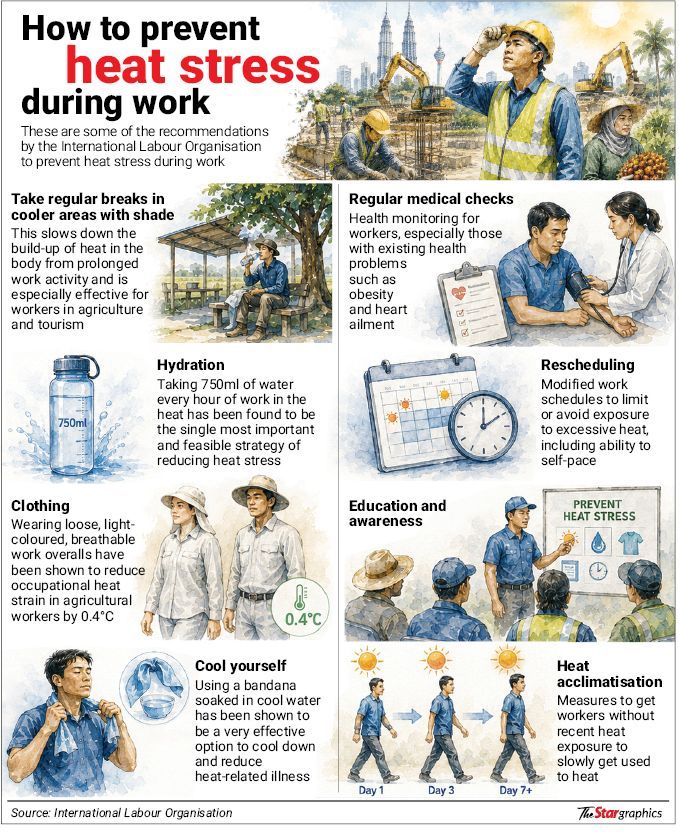
“For outdoor workers, the risks are even greater because many tasks involve prolonged exposure under direct sunlight, heavy physical activity, and the use of protective equipment that may trap heat,” he says, adding that extreme heat can also affect business continuity and economic productivity.
Syed Hussain lists reduced work capacity, absenteeism, increased instances of medical leave, and project delays as among the indirect consequences employers are beginning to experience more frequently as a result of extreme heat.
“MEF views heat stress as an emerging occupational health and safety challenge linked closely to climate change.
“It is no longer a seasonal concern but a structural workplace issue that requires long-term adaptation strategies from both employers and policymakers,” he says.
Focus on awareness as well as enforcement
Syed Hussain maintains that while the existing DOSH guidelines remain relevant in principle, there is room for improvement in several areas.
This includes clearer heat risk thresholds and response protocols, updated recommendations on work-rest cycles during extreme heat, guidance on the use of wearable monitoring technology and hydration practices, sector-specific guidance for gig and informal workers, and integration of climate adaptation measures into occupational safety planning.
Any future guidelines, Syed Hussain believes, should place greater emphasis on practical implementation, particularly for micro-, small- and medium-sized enterprises (MSMEs) that lack technical expertise and resources.
Asked if there should be greater enforcement – since guidelines are still, technically, only guidelines – MEF, he says, believes enforcement and awareness must go hand-in-hand.
While there is a need to strengthen compliance with workplace safety standards, the focus, he says, should first be on education, industry engagement, and capacity-building rather than purely punitive enforcement.
“Many employers, especially in MSMEs and smaller contractors, may not fully understand heat-stress risks or may lack the resources to implement comprehensive mitigation measures immediately.
“Therefore, authorities should intensify awareness programmes, provide technical guidance, and encourage gradual compliance through practical support mechanisms,” he says.
Enforcement should be practical and sector-sensitive as different industries face different operational realities, Syed Hussain adds.
However, employers who deliberately ignore worker safety or fail to take reasonable preventive measures despite clear risks, should be subject to appropriate enforcement action, he says.
“Worker safety should not be compromised.”
Out in the midday sun
Meanwhile, platform companies must take greater responsibility in protecting gig workers during extreme weather conditions, says GEM’s Jose, who is also the Malaysia E-Hailing and Delivery Organisation chairman.
“Companies cannot continue prioritising fast deliveries, algorithms, and profits while riders absorb all the health and safety risks themselves.
“Gig workers are human beings, not robots.
“When riders fear losing incentives, ratings, or income for slowing down during dangerous weather conditions, that creates unhealthy and unsafe pressure on them,” he points out.
Jose urges platforms to implement heat alerts, reduce delivery pressure during peak heat hours, and ensure riders are not penalised for taking necessary breaks.
They should also consider setting up rider rest hubs with drinking water, cooling areas, and emergency assistance, and put in place rider-friendly safety protocols during extreme weather, as well as flexible systems that prioritise worker safety over delivery speed.
At the same time, GEM, says Jose, is also preparing to introduce a new protection initiative focusing on digital preventive healthcare for gig workers, including telehealth support, early health monitoring, and wellness assistance.
“If others are still slow to act, GEM will continue pushing forward because someone must protect the welfare, health, and dignity of gig workers in Malaysia.”
Already a subscriber? Log in
Get 20% OFF The Star Digital Access
Cancel anytime. Ad-free. Unlimited access with perks.
Hot pics
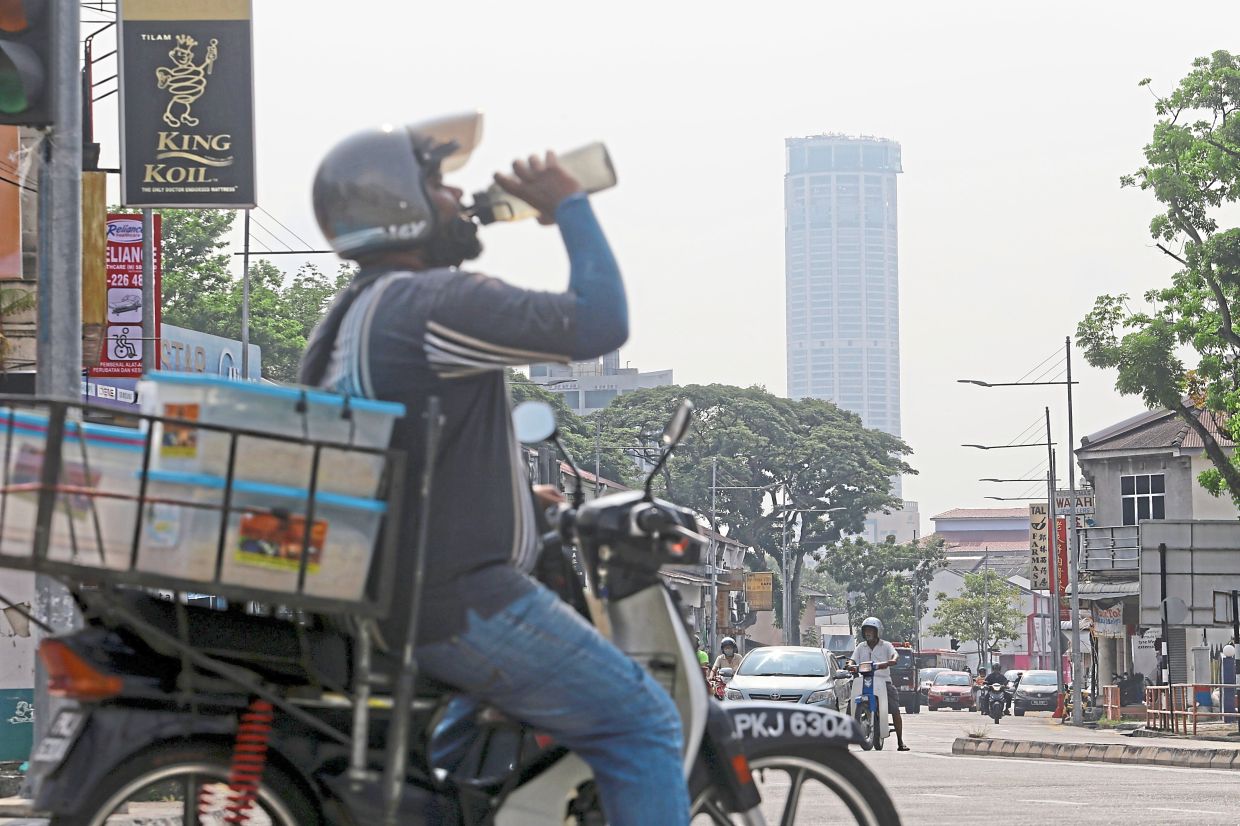


Delivery riders are especially at risk of heat stress as their busiest period, between noon and 2pm, is also when solar UV radiation is usually the highest. — Filepic/The Star
It was not business as usual at the daily protests drawing attention to migrants and homeless people’s living conditions in Paris on May 27, 2026, as people resorted to splashing water on their feet to keep them cool on the blazing hot tarmac. — TOM NICHOLSON/Reuters
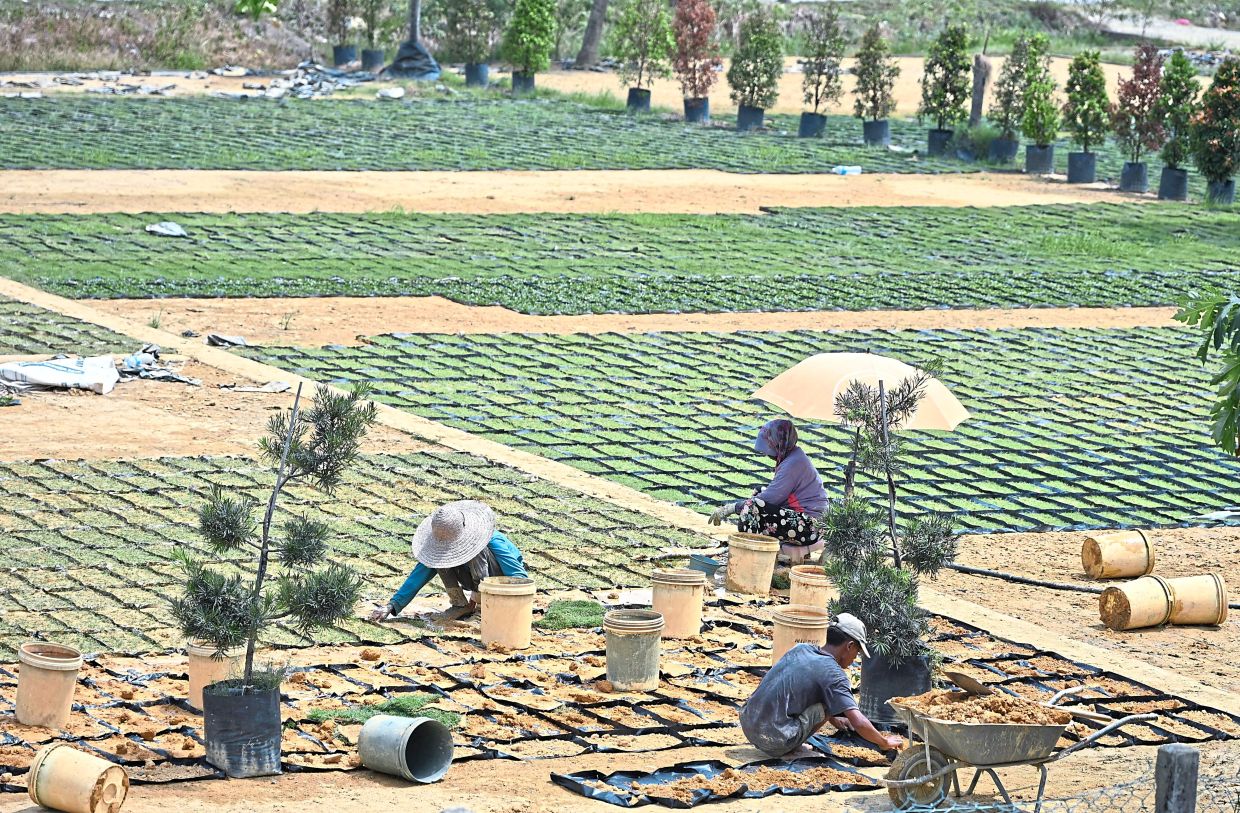
Workers pushing through the heat under the blazing sun at a turf farm in Sungai Buloh, Selangor. Unions representing outdoor workers are calling for the government to ‘unequivocally recognise extreme heat as a deadly occupational hazard under the law’. — Filepic/The Star
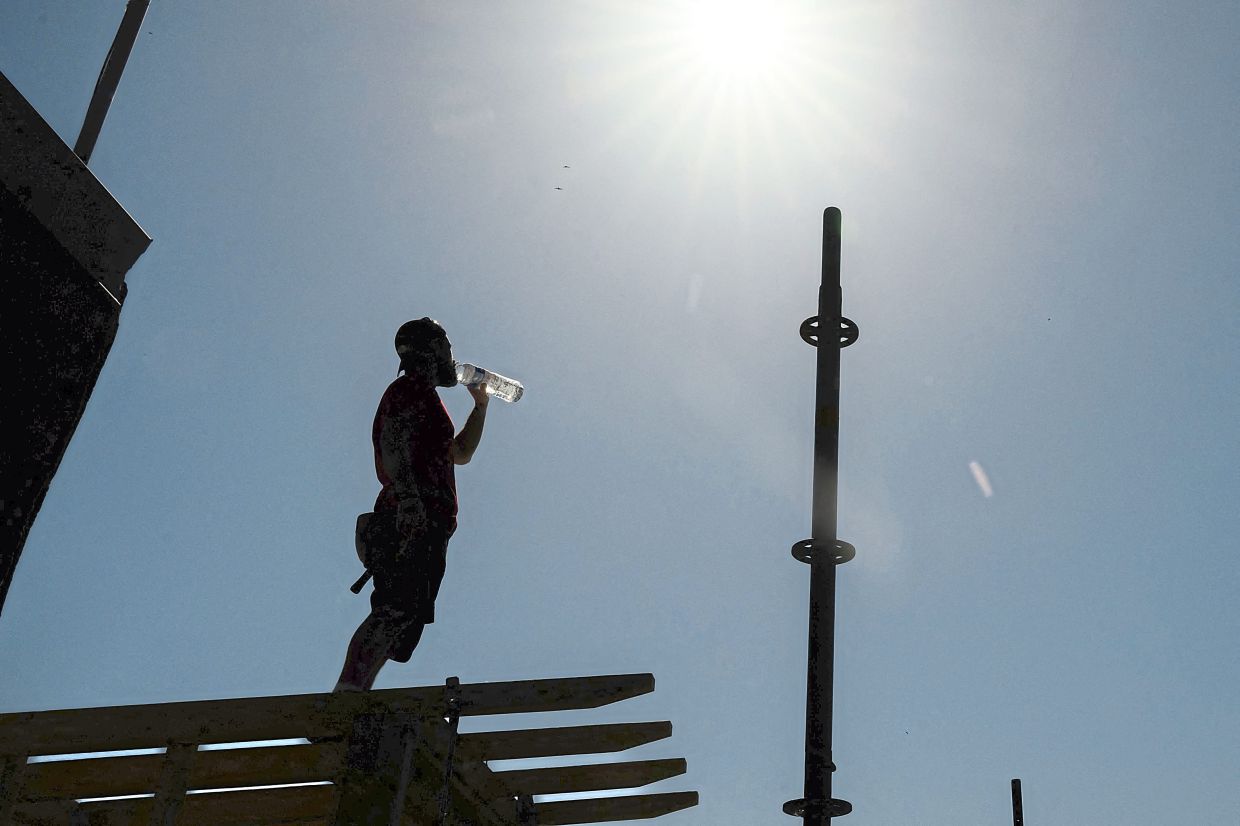
According to the International Labour Organisation, among those most exposed to the dangers of heat are construction workers, agricultural labourers, municipal workers, and delivery riders. — AFP
Jannik Sinner of Italy reacting to the unseasonably high heat on May 28, 2026, during a match at the French Open tennis tournament in Paris. — AP
Lyon, a city in France where it is still supposed to be spring, hit an unusually high 38°C on May 26, 2026. — AP