University orientation programmes are meant to help students transition into campus life, but some have drawn criticism for being outdated, unstructured, and at times serving as opportunities for hazing or bullying.
Academic staff and student leaders, however, maintain that orientation, when done right, remains one of the most important parts of a student’s entry into university.
With public universities typically organising their orientation activities from next month to early October for first-year undergraduates admitted through UPU, StarEdu approached youth leaders and a senior registrar for suggestions on making the programmes more meaningful for students and preventing untoward incidents such as bullying.
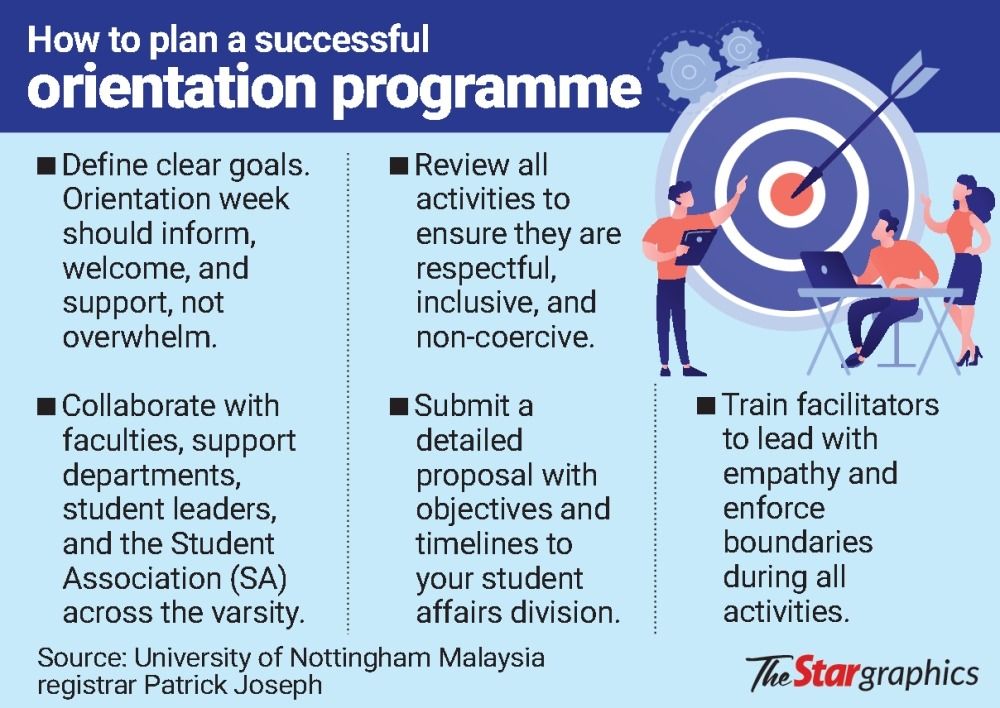
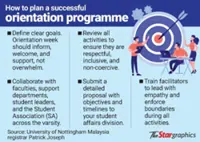
The primary goal of orientation, said Patrick Joseph, a registrar with over 25 years of experience in higher education, is to help students transition smoothly into university life – academically, socially and emotionally.
“It’s more than just showing students where the cafeteria is.
“It’s about guiding them through campus facilities, introducing support services, addressing safety protocols, and encouraging connections among peers,” he said.

He added that student orientations are a university’s first opportunity to welcome students, help them understand their support systems, and build a sense of belonging.
However, he said, orientation programmes can sometimes lose their intended impact when the emphasis leans too much towards entertainment without a clear purpose.
“It is crucial to engage students to ensure they feel the vibrancy of student and campus life,” he said, adding that it is equally important to ground students in the values, expectations and resources of the institution.
Student facilitators, Patrick said, play an important role as they bring with them a wealth of knowledge and relatability that can help make students feel more comfortable and welcome.
“How they carry themselves as they interact with students, facilities, and even among themselves can shape the experience and expectations of new students,” he added.
Reflecting on best practices, Patrick said having core principles or clear frameworks can ensure orientation is meaningful, inclusive and safe.
“For instance, orientations should promote student well-being and foster a sense of belonging through campus safety briefings or guided tours.
“All activities should be accessible to all, with targeted sessions such as pre-arrival Q&A briefings for international students, and post-arrival visa and health briefings.
“Social components are essential too, such as cultural events in student accommodation or welcome activities that connect new students with their peers and student associations,” he said.
Having these standard guidelines in place, he said, ensures students truly orient themselves well to their new campus environment.
“Activities such as social events in the halls like movie nights, festive celebrations, or student-led campus tours of offices, labs and the library are great ways to help students feel a sense of belonging.
“A good approach is to focus on purpose and intention when planning activities.
“Consider questions such as: ‘What are we trying to achieve with this activity?’ and ‘How will this activity benefit students, both in the short and long term?’” he offered.
Safe socialisation
Student orientation weeks at institutions of higher learning are relevant because they aim to expose students to the new world of campus life and to the experience of being away from their families, Higher Education Minister Datuk Seri Zambry Abd Kadir said last year.
He stressed that the foundation of an orientation programme is the process of socialisation – to get to know one another better, to help students adapt to a new environment, and to build important traditions within a university.
The content, activities and approach, he added, must be aligned with the objectives of the programme.
Zambry said this in response to an incident involving a group of orientation week facilitators at the Universiti Teknologi Mara (UiTM) Johor campus in October 2024.
The group was slammed for staging a fight during the university’s orientation week, which was later revealed to be a prank to celebrate the birthday of one of the student body’s committee members.
The incident was caught on video and shared on social media, prompting netizens to express shock over the lack of professionalism displayed by the seniors.
National Student Consultative Council (MPPK) president Muhammad Haykal Halid said orientations are about helping students feel seen, supported and prepared for campus life.
“We (as facilitators) create a bridge for students who are moving from high school to university, where they start developing who they’ll become with the support of a new community.
“Student leaders have the responsibility to create spaces where everyone feels welcome.
“The most impactful programmes are the ones where students feel both joy and belonging. Being respectful doesn’t mean being boring; it’s all about how you set the tone,” he added.

“Real connection doesn’t come from forced games or awkward dares. You don’t have to push people out of their comfort zones to make friends,” he said, adding that it is a misconception that orientations are a waste of time.
Some students and parents, he said, mistakenly think it is okay to skip them altogether.
Urging varsities to involve current students in the planning process, Muhammad Haykal said this is one way to increase orientation participation and relevance.
“When orientation feels practical, with a focus on wellness, networking and real-life skills, it naturally becomes more meaningful.
“Most importantly, communicate with the students, because orientation is the first step in their university journey,” he said.
According to Patrick, orientation content is typically developed through close collaboration between university staff and student leaders.
“While student leaders contribute energy, creativity, and lead peer engagement, staff members usually provide well-informed oversight to ensure that activities are aligned with the university’s values and policies.
“This collaborative approach helps maintain a good balance between university structure and the student voice,” he said.
To increase participation in orientations, Patrick emphasised the need for activities to be highly relevant, well communicated and thoughtfully delivered.
“Hearing real experiences and advice from academic staff and alumni can encourage students to visualise what their own transition into university life could look like,” he concluded.
Student leaders set the tone

Wan Ezzah Azleen Wan Ramli, 23, Universiti Putra Malaysia

Nik Nur Diyana Nik Ahmad Rizal, 22, Universiti Utara Malaysia

Muhammad Awliya Mohd Fauzi, 24, Universiti Kebangsaan Malaysia