TWO new vice-chancellors have been appointed to lead Universiti Teknologi Malaysia (UTM) and Universiti Malaysia Pahang Al-Sultan Abdullah (UMPSA).
They are Prof Dr Mohd Shafry Mohd Rahim and Prof Dr Yatimah Alias, respectively.
Prof Mohd Shafry, 49, officially assumed the role of UTM vice-chancellor for a two-year term starting Jan 9. He succeeds Prof Datuk Dr Ahmad Fauzi Ismail.
Prior to his appointment, Prof Mohd Shafry served as the varsity’s deputy vice-chancellor (academic and international) in 2023. He carried out administrative duties as the School of Undergraduate Studies deputy dean (co-curriculum and service learning) in 2015 before being named its chairman in 2019.
He was UTM’s Institute for Life Ready Graduates (iLeaGue) chairman in 2020, and a research fellow at the varsity’s
Institute of Human Centred Engineering (iHuMeN) and the Media and Game Innovation Centre of Excellence (MaGICX).
Prof Mohd Shafry is an expert in computer science (image processing) and holds a PhD in spatial modelling from Universiti Putra Malaysia.
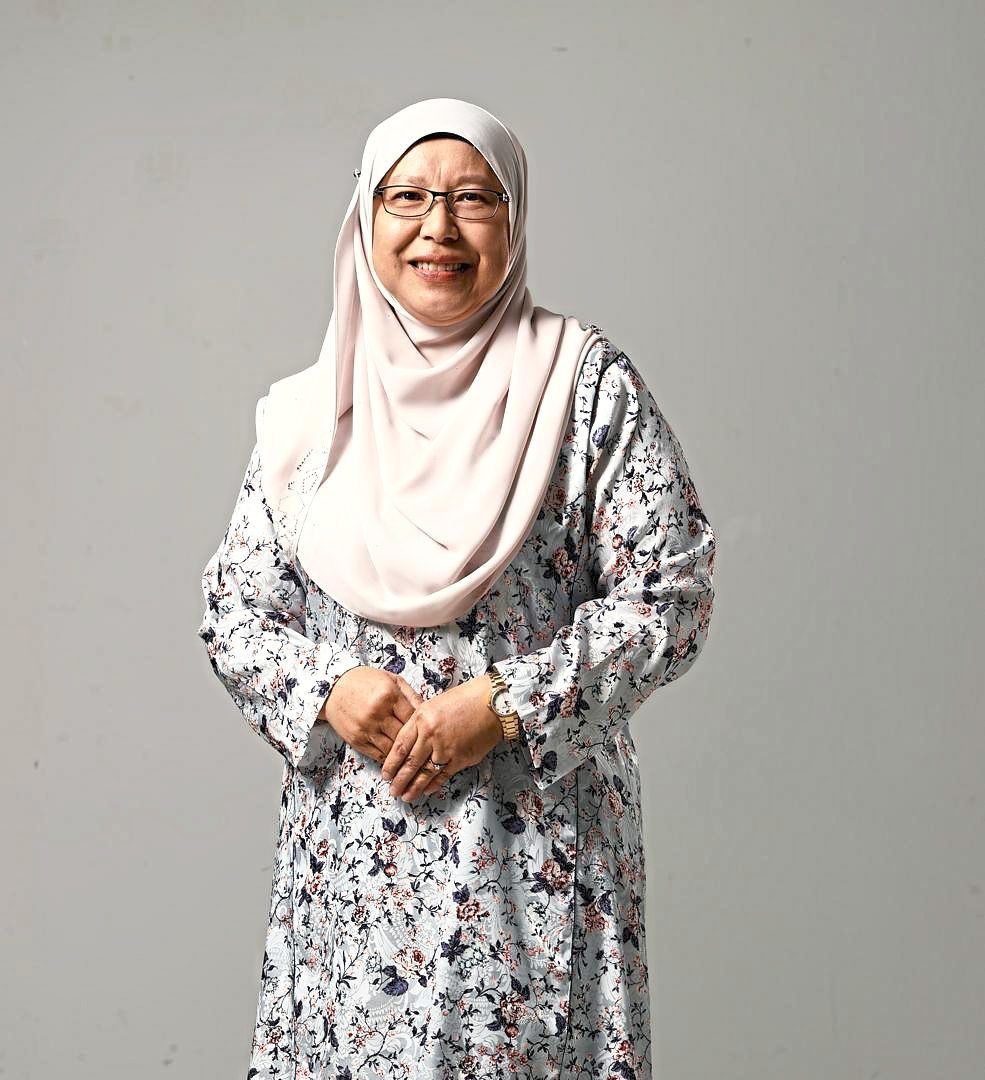
Meanwhile, Prof Yatimah, whose two-year term took effect on Jan 13, replaces Prof Datuk Dr Yuserrie Zainuddin as UMPSA vice-chancellor.
Prof Yatimah, 55, holds a PhD in chemistry from the University of East Anglia and is an expert in the field of electrochemistry and ionic liquids.
Prior to her appointment, she had served as Universiti Malaya (UM) deputy vice-chancellor (academic and international) since 2022. She was previously the co-curricular development centre and academic strategic planning centre director at UM. She was also the Malaysian Ionic Liquids Research Society president from 2017 to 2022.
In a Jan 8 statement announcing the appointments, the Higher Education Ministry expressed confidence that the new vice-chancellors would strengthen academic development and research driven by the latest technology, while producing graduates who are globally aware, industry ready, competitive, creative, innovative, and deeply rooted in their identity at their respective institutions.