PENANG is often described as a living museum, where centuries of architectural heritage, traditional villages, vibrant religious sites and rich cultural practices shape the state’s distinct identity.
From its unique languages and performing arts to its famous culinary traditions, the island’s heritage remains very much alive in everyday community life.
To safeguard this legacy, the state government, acting through the State Heritage Commissioner’s office, has formally designated 14 intangible cultural heritage items, 28 traditional dishes and 21 heritage sites, under the Penang State Heritage Enactment 2011.
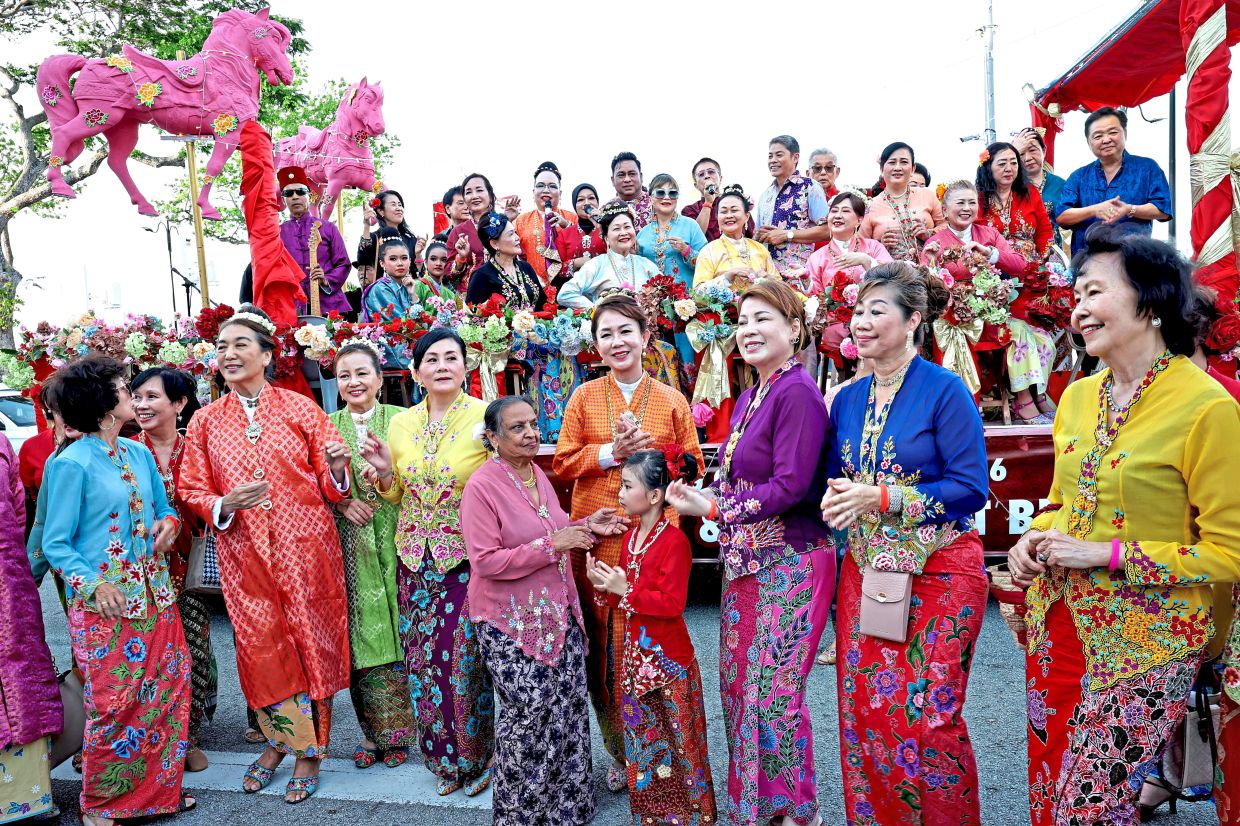
Among the 14 intangible cultural heritage items, the latest seven additions were officially
recognised at the State Heritage and Heritage Site Designation Ceremony held at Cititel Penang on Oct 10.
These celebrated traditions – ranging from the dramatic Penang Bangsawan and the lively Ghazal Parti to the martial art of Silat
Pelaga Siku 12, Boria, the Hungry Ghost Festival, Penang Dondang Sayang and the local Hokkien dialect – highlight the diverse influences that continue to define the state’s cultural tapestry.
The Penang Tourism and Creative Office shared with StarMetro their history and importance. Boria
Dating back to around 1845, Boria was introduced by the 21st Madras Regiment, which comprised sepoy soldiers serving under the British East India Company.
Initially a ritual known as Ta’ziyeh or Takziyah, it gradually evolved by the mid-19th century into a platform for the Indian Muslim community to express public opinion, incorporating social criticism and anti-colonial sentiments.
By the late 19th century its religious elements had diminished, and it grew into entertainment that appealed to Penang’s multiracial society.
According to Penang tourism and creative economy committee chairman Wong Hon Wai, Boria developed into a form of folk theatre combining acting, singing, dancing, comedy and social satire to reflect everyday life, customs, community values and contemporary issues.
It reached its golden age in the 1950s, becoming one of Penang’s most popular forms of folk entertainment, with troupes performing at social gatherings and cultural events.
After independence, the themes expanded in the 1960s to include nationalism, nation-building, politics and social progress.
By the 1970s, Boria had gained recognition as an important form of Malay folk theatre, featuring at state and national arts and cultural festivals.
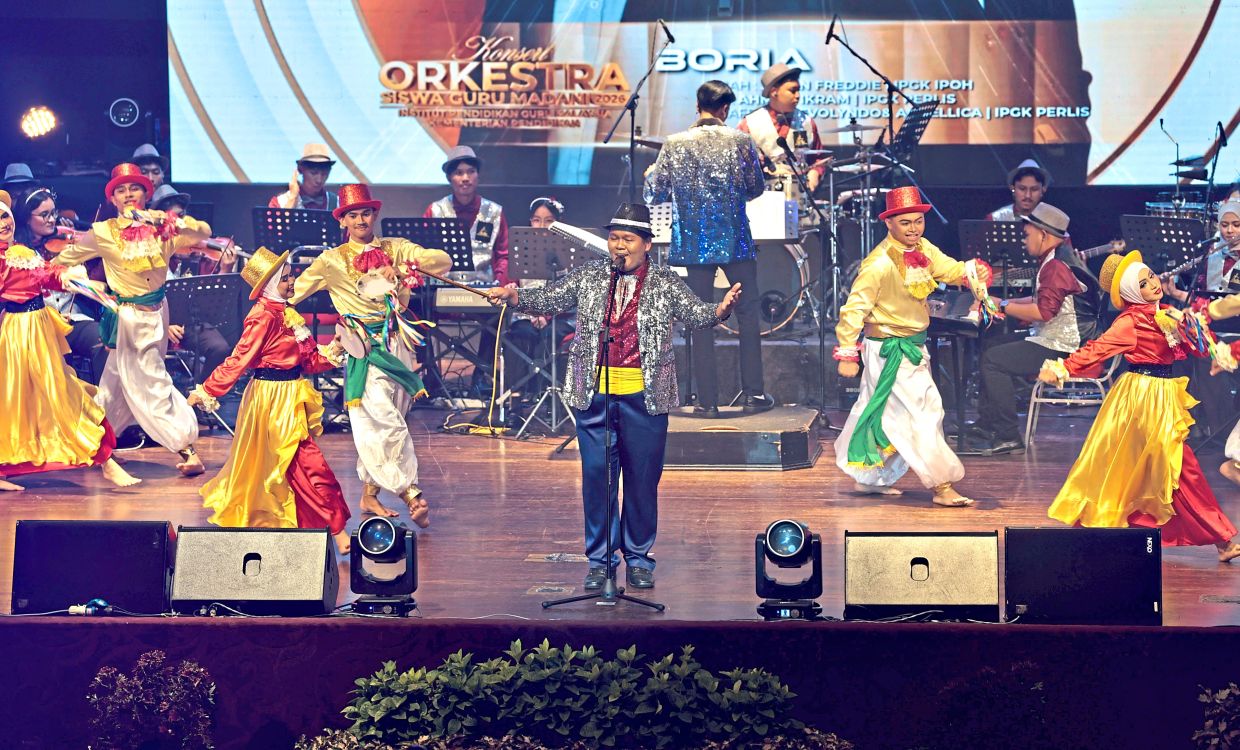
A traditional performance has two main segments: a theatrical sketch depicting community life, followed by singing, music and dancing led by the tukang karang (lead singer) and a group of sailors.
While retaining its traditional elements, Boria has adapted to modern times with recorded backing tracks, known as minus-one music, increasingly replacing live musicians to cut costs and simplify performances.
Penang Dondang Sayang
Penang Dondang Sayang is a traditional form of entertainment featuring the spontaneous singing of pantun (Malay poetic verses), accompanied
by instruments such as the violin, rebana (hand drum) and accordion.
Believed to have originated as court singing during the 15th-century Melaka Sultanate, it eventually evolved into folk entertainment for social gatherings and celebrations.
Often regarded as a love ballad, it conveys affection, longing, advice and humour through creative exchanges of pantun.
The Penang variant developed within the local Baba Nyonya community, retaining the exchange of pantun and traditional musical accompaniment while establishing its own singing style and cultural identity.
It is believed to have emerged around the 1910s, with early performances held in homes during weddings, family gatherings, celebrations and funerals.
The art form continues to feature at cultural celebrations, festivals, weddings and social gatherings.
Penang Hokkien dialect
Penang Hokkien has served as a lingua franca since the 18th century, developing alongside Penang’s emergence as an entrepot port and regional trading hub.
Originating from dialects brought by Chinese immigrants from Fujian province in China, it was gradually adopted by various Chinese communities as a common language for everyday communication.
Used across northern Peninsular Malaysia, from Perlis to Perak, it differs from Hokkien spoken in southern areas such as Klang and Muar due to distinct migration patterns, historical developments and social interactions.
Over time, contact with Malay, English, Cantonese, Teochew, Tamil and other local languages and dialects shaped its distinctive vocabulary, pronunciation and expressions, reflecting Penang’s cultural diversity.
The dialect is widely spoken among Chinese communities, including Hokkien, Teochew, Cantonese, Hakka and Hainanese and is used by some members of the Malay and Indian communities.
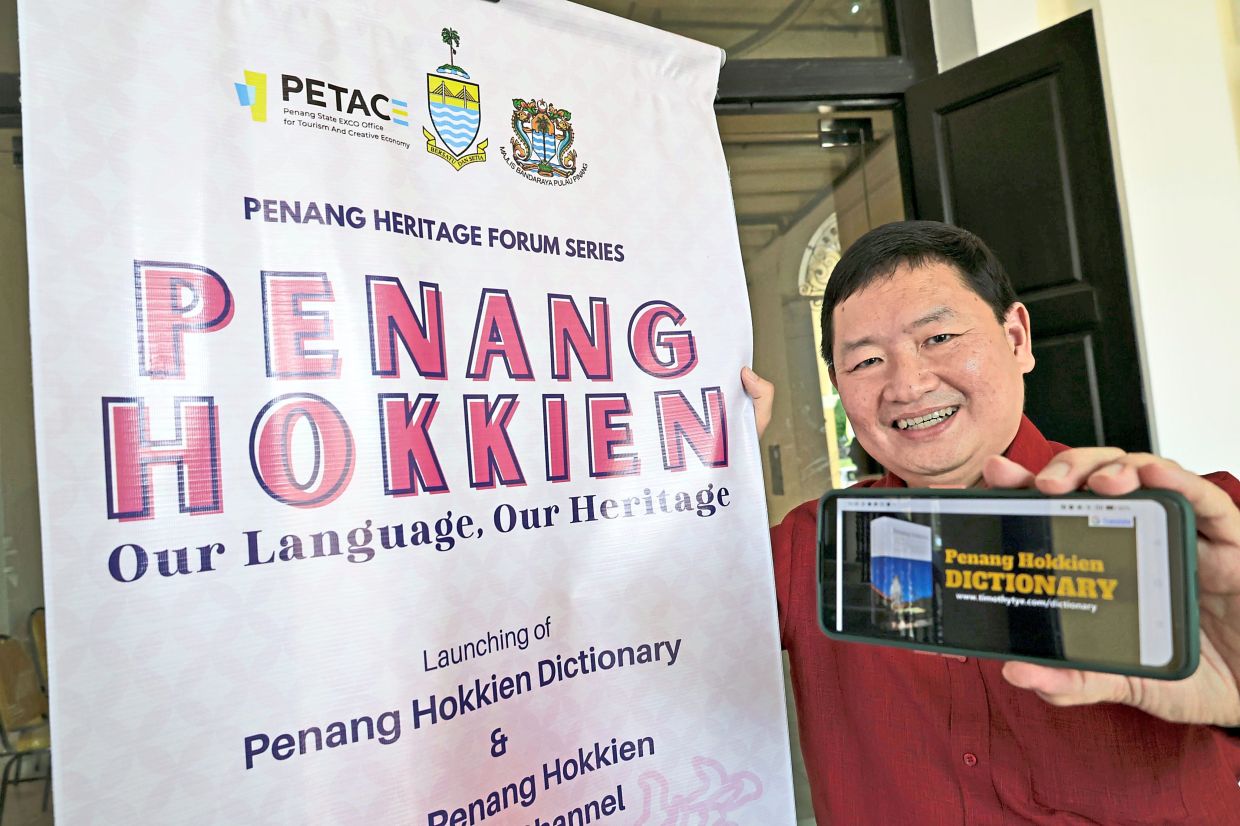
Efforts to preserve the dialect include developing a locally adapted writing system, online dictionaries and digital learning platforms, such the one founded by Timothy Tye, creator of the online Penang Hokkien dictionary.
Creative works such as songs, stories, dramas, films and other media content in Penang Hokkien have also been introduced to encourage its continued use and safeguard its cultural heritage.
Silat Pelaga Siku 12
Every ethnic group has its own martial arts tradition. Among the Malays, this form of self- defence is known as silat.
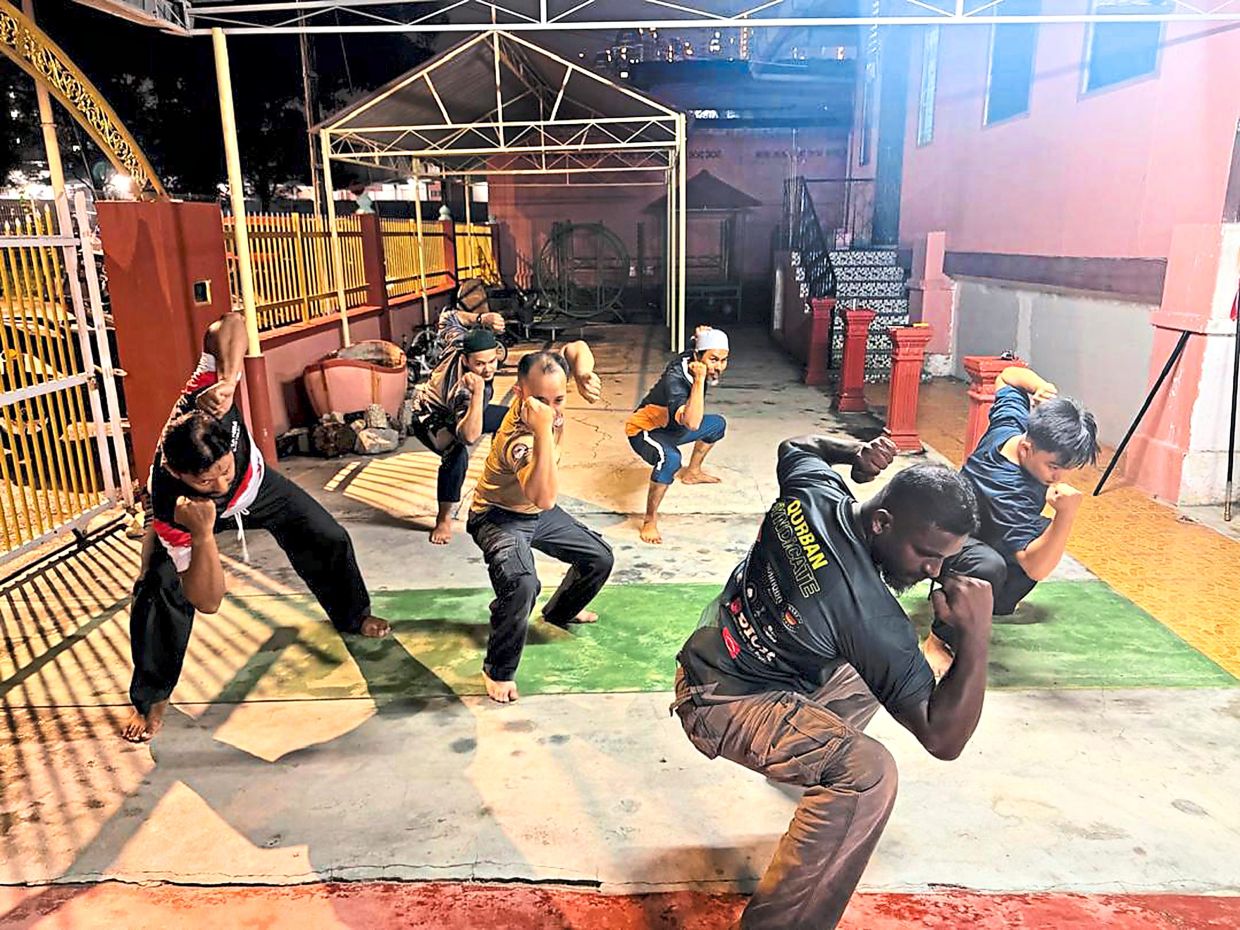
Silat Pelaga Siku 12 is a traditional martial art originating from Penang. It was founded by the late Shaik Gulam Meah Shaik Ahmad Meah, better known as “Mamu Dada”.
Historical accounts indicated that Silat Pelaga Siku 12 was first practised around 1932 before gaining wider prominence around 1947.
The development of the martial art was closely linked to its founder’s experience and study of self-defence techniques.
He reportedly spent about 15 years learning, researching and practising various martial arts, mastering around 17 disciplines, including boxing, jiu-jitsu and
Silat Terelak.
He subsequently combined and adapted the knowledge and techniques he had acquired to develop a distinctive self-defence system known as Silat Pelaga Siku 12.
Beyond physical defence, the martial art embodies the knowledge, skills and values of Malay martial arts traditions.
Hungry Ghost Festival
The Hungry Ghost Festival, observed during the seventh month of the Chinese lunar calendar, encompasses various religious and cultural practices among Chinese communities.
The 15th day of the seventh lunar month is marked by major ceremonies, prayers and performances dedicated to deities and ancestral spirits.
In Penang, offerings are made by neighbourhood communities, associations and individuals at home. Devotees pay homage to their ancestors and make offerings to wandering spirits believed to roam the earthly realm during this period.
Throughout the month, Taoist priests and Buddhist monastics conduct religious ceremonies while communities prepare offerings of food and incense to seek blessings, protection and share merits with departed loved ones.
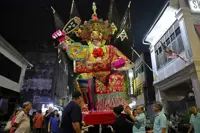
Altars and performance stages are erected along roadsides,
while a main tent houses the paper effigy of the King of Hades (Tai Su Yeah in Hokkien), with devotees offering prayers and paying their respects.
The festival has developed a distinctive local identity through large-scale religious ceremonies, Chinese opera performances, potehi puppet shows, concerts and communal feasts organised along streets and within neighbourhoods.
Beyond its religious significance, the festival helps preserve traditional performing arts, crafts and occupations, including paper effigy-making, religious offering preparation, and performances by traditional troupes.
Penang Bangsawan
Bangsawan first took root in Penang around the 1870s, originating from Parsi theatre brought from Bombay to entertain sepoy workers employed by the East India Company.
The Hindi-language performances gained popularity among locals, prompting them to develop Malay-language adaptations.
As the popularity of these adapted Parsi theatre performances grew in Penang, a Malay-language version known as Tiruan Wayang Parsi was introduced.
It was then renamed from Wayang Parsi to Pushi Indera Bangsawan by its then new owner Mamak Pushi.
The adoption of this name introduced the term “Bangsawan”, which refers to nobility or aristocracy and eventually became synonymous with this form of theatre.
The early development of Bangsawan in Penang is closely associated with the establishment of Kumpulan Indera Bangsawan, one of the earliest local troupes of its kind.
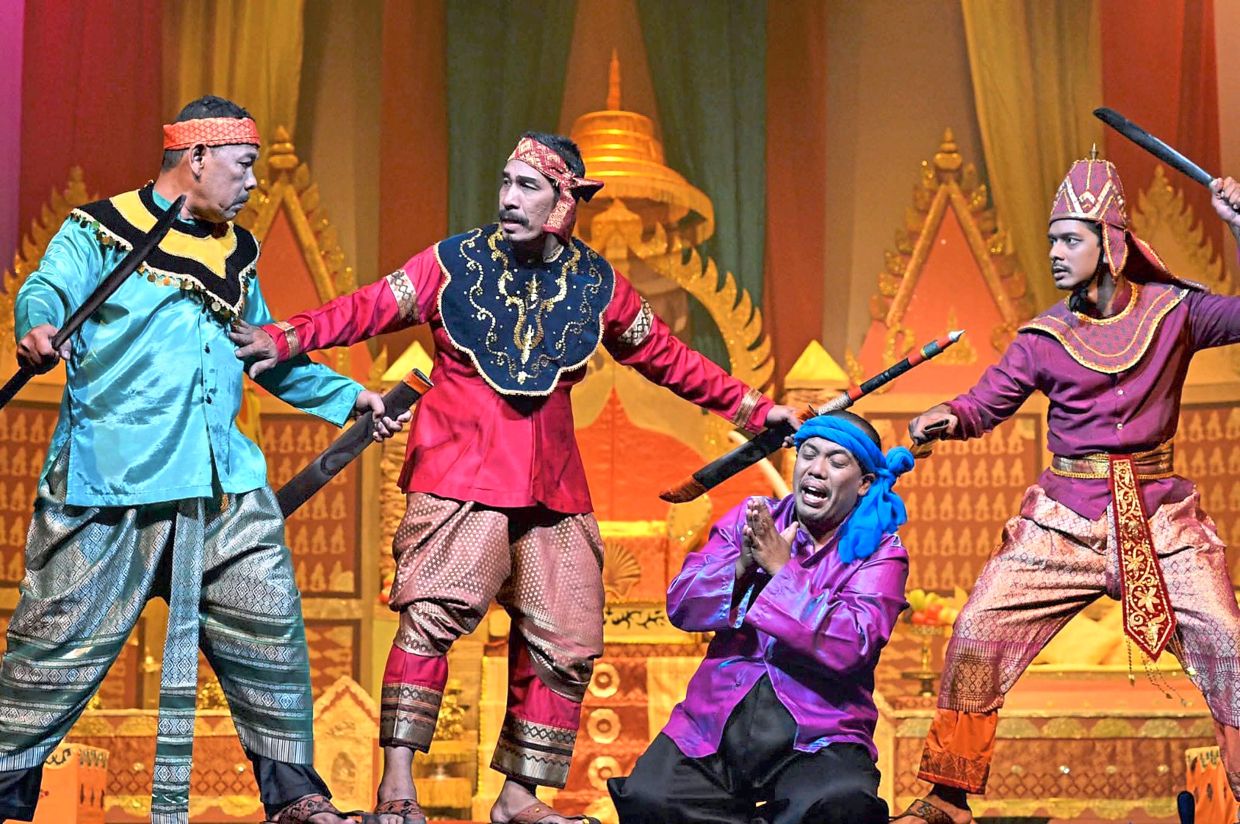
Its performances combine various forms of entertainment – including acting, singing, dancing, poetry, silat, acrobatics, comedy sketches and extra-turns (special interludes) – which were among the main attractions for audiences.
Throughout its development, Bangsawan underwent a process of adaptation, incorporating elements of local traditional theatre alongside modern features such as the use of a proscenium stage, music and contemporary dance.
Ghazal Parti
A traditional Malay musical performance that combines singing, music, dance and comedy in a lively and entertaining showcase, Ghazal Parti is believed to have originated in the Middle East, particularly Arab culture.
Ghazal Parti is believed to have taken root in Kepala Batas, Penang, in the 1950s introduced by Ahmad Badawi – father of former prime minister Tun Abdullah Ahmad Badawi.
According to Wong, a Ghazal Parti performance comprises four main elements – musicians, comedians, singers and dancers.
In its early days, performances were held at intellectual gatherings or after meetings among religious scholars with the songs carrying messages of advice, moral values and religious teachings.
By the 1960s, growing demand led to the original group splitting into two, forming the Ghazal Parti groups in Kepala Batas and Sungai Bakap.
Before the advent of the modern era, Ghazal Parti songs were regularly broadcast on television in Penang, with programmes airing every afternoon.
Despite its traditional roots, Ghazal Parti has continued to evolve, with its musical repertoire adapting to include modern and contemporary songs.
Traditional attire, including baju kurung, batik sarongs and headscarves, is retained as a symbol of the art form’s cultural heritage.
Another distinctive feature of Ghazal Parti is its comedy, which adds to the entertainment while allowing musicians and singers to take short breaks between performances.