THE clues were hidden in old catalogues, archive indexes and foreign library reference numbers.
For two teams from the National Library of Malaysia (PNM), those scattered threads pointed to something much larger: centuries-old Malay history preserved thousands of kilometres from home.
Their mission was not to bring the physical pages home, but to show that recovering a scattered heritage does not always require repatriating the originals.
Instead, they set out to identify the manuscripts, record their contents and, where possible, secure digital copies for Malaysian researchers and future generations.
The first team visited the National Library of the Netherlands and the National Archives in The Hague before travelling to Leiden University Libraries, all in the Netherlands, from May 24 to 30.
At the National Library there, they examined Malay manuscripts and rare books, whilst the National Archives yielded colonial-era records connected to Melaka, Batavia, Aceh, Johor and Riau.
The sheer scale of the task became clear at Leiden, home to one of the world’s most significant Nusantara collections.
Strict library rules restricted researchers to requesting just two manuscripts at a time, though self-service scanners and photography were permitted.
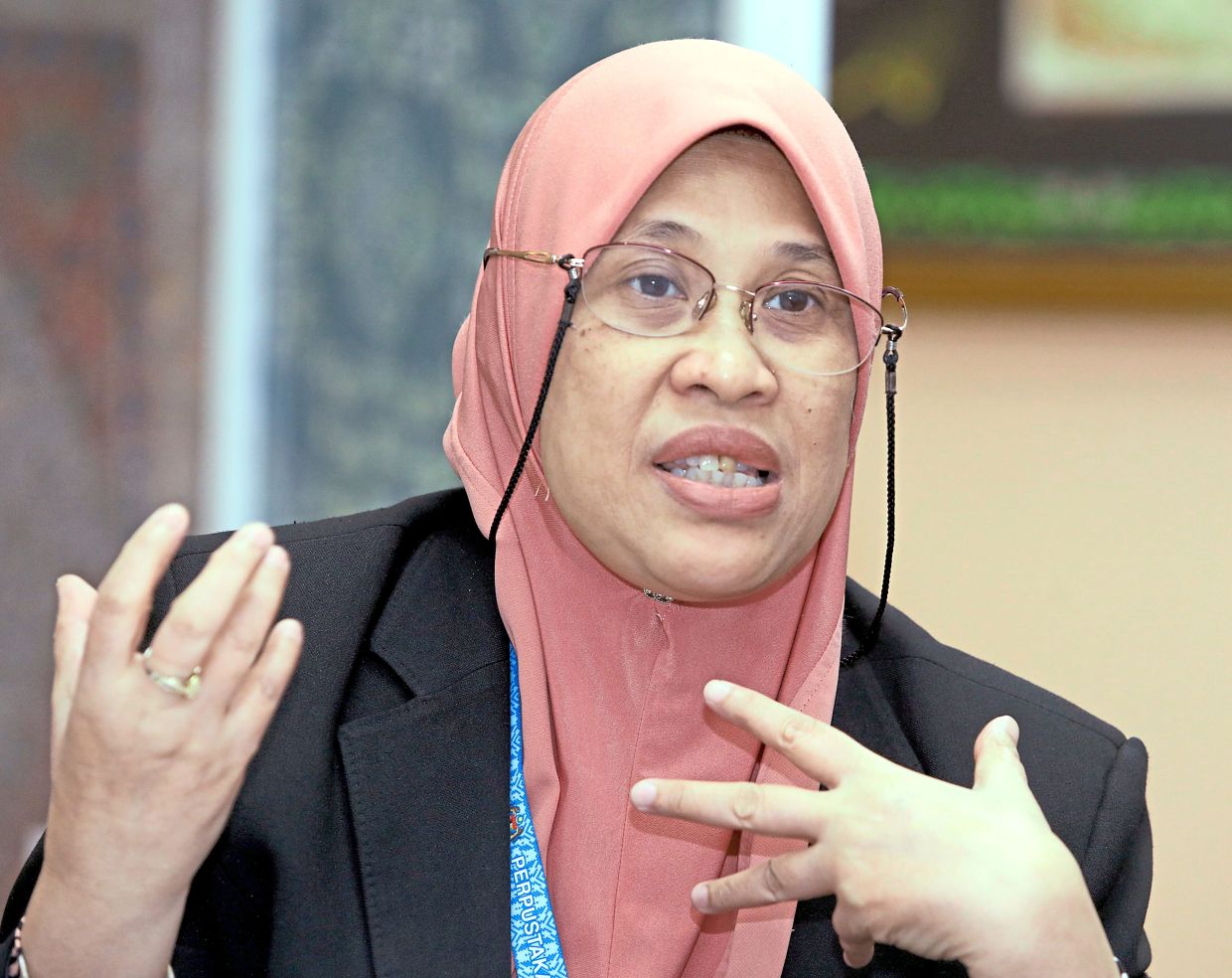
“We had only three days at Leiden, but we managed to document 50 manuscripts,” said Dr Nor Hasni Che Hassan, senior assistant director at PNM’s National Centre for Malay Manuscripts.
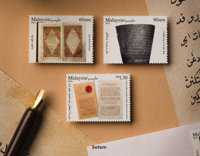
Among the works examined were Sejarah Melayu, Tuhfat al-Nafis, Hikayat Aceh and Syair Abdul Kadir.
PNM previously carried out a similar project in the Netherlands in 1985, yet many manuscripts remain incompletely documented or unstudied.
Following this latest trip, 30 have been shortlisted for digital acquisition, and PNM has proposed a follow-up mission alongside an online catalogue detailing the collection.
“Although they are far from home, these manuscripts remain part of our nation’s identity and intellectual history,” said Nor Hasni.
“This is not merely about tracing and documenting old texts. It is about ensuring that future generations can access the knowledge of their ancestors.”
Just over a week later, senior deputy director Fatimah Abdul Hai and a colleague travelled to St Petersburg, Russia, from June 7 to 13.
At the Institute of Oriental Manuscripts of the Russian Academy of Sciences, the pair examined 18 manuscripts, identifying 14 as key candidates for digital acquisition.
The discoveries included two 18th-century volumes of Sulalatus Salatin and a copy of Hikayat Raja Budak.
One manuscript in particular caught Fatimah’s eye.
“Syair Tembesia Betawi is an 18th-century account of a crime, but the story is told in the form of a syair,” she said. “That made it an unusual and fascinating discovery.”
Together, the 14 manuscripts comprise approximately 3,000 pages. At RM106 per digital page, securing the complete set will cost around RM318,000.
“We have applied for funding through the National Unity Ministry and requested digital copies of all 14 manuscripts,” Fatimah said.
Securing them, however, is not guaranteed. The request must navigate the Russian institution’s formal committee and approval procedures.
“We have emphasised that the copies are needed for education, historical research and preservation for future generations.”
“We can make our case and set out why they are important to Malaysia, but ultimately the decision rests with the Russian side,” she said.
Until then, the two missions stand as proof that bringing a nation’s history back to life starts with bringing its stories within reach again.