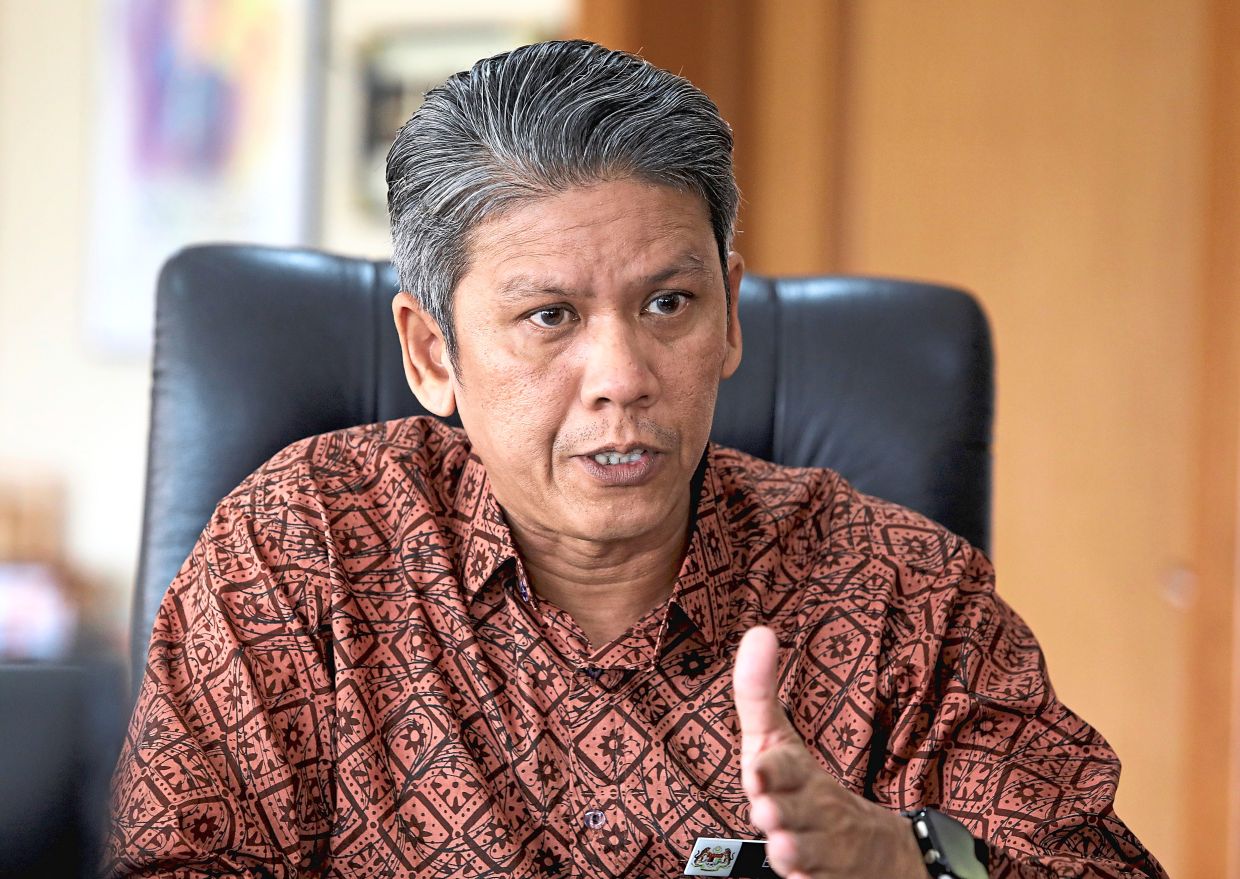
ASK National Library of Malaysia (PNM) director-general Edy Irwan Zulkafli whether libraries still matter in an age when almost any question can be answered with a tap on a screen, and he does not hesitate.
Perhaps now more than ever was his reply. The problem today, he argued, is not a shortage of information.
It is knowing what to trust amid a torrent of social media posts, search engine results and artificial intelligence (AI) generated answers.
“In this context, PNM’s role has become even more important as an institution that provides access to high-quality, authoritative and reliable sources of information,” he said.
That shift has pushed the national institution well past its old image as a quiet building lined with bookshelves.
Today, PNM positions itself as a digital knowledge hub, research centre, community space and custodian of the country’s documentary heritage.
“We are using AI, automation and data analytics, as well as virtual reality and augmented reality to improve the way people discover and experience information,” Edy Irwan said.
But, he was quick to add, “Do not think technology has replaced the library.
“Instead, it has expanded the library’s role and reach.”
Numbers game
PNM recorded 9.45 million service interactions in 2025, spanning its online public access catalogue (OPAC).
It is the searchable database a library puts online so people can look up whether it holds a particular book, where it is shelved, whether it is checked out and sometimes, reserve or extend a loan period, without visiting in person or asking a librarian directly.
“We also have an immersive app and other digital touchpoints, not just visits to the website itself.
“The overwhelming majority of interactions last year took place online, with digital engagement continuing to dominate through the first half of 2026,” he said.
However, physical attendance has also surged.
On-site visitor numbers rose 201.5% from 61,199 in 2022 to 184,491 in 2025, while physical book loans climbed 26.77% over the same period.
Adults made up the largest share of physical users: accounting for 75.9% in 2025 and 87.4% in the first half of 2026.
“People are still coming through our doors and borrowing books, but the library now travels with them too,” Edy Irwan said.
“Through e-books, databases, digitised collections and u-Pustaka platform, they can access PNM wherever they are.”
The u-Pustaka is the country’s online library consortium that gives members free remote access to millions of digital books, audiobooks, journals and research databases.
The physical and virtual tracks, added Edy Irwan, work in tandem.
Visitors drop by the main building in Jalan Tun Razak, Kuala Lumpur, for research and reference services, special collections, public programmes and digital facilities, while those unable to visit in person access resources remotely through u-Pustaka.
Inside the main Kuala Lumpur facility, collaborative learning and creative spaces function alongside traditional reading rooms.
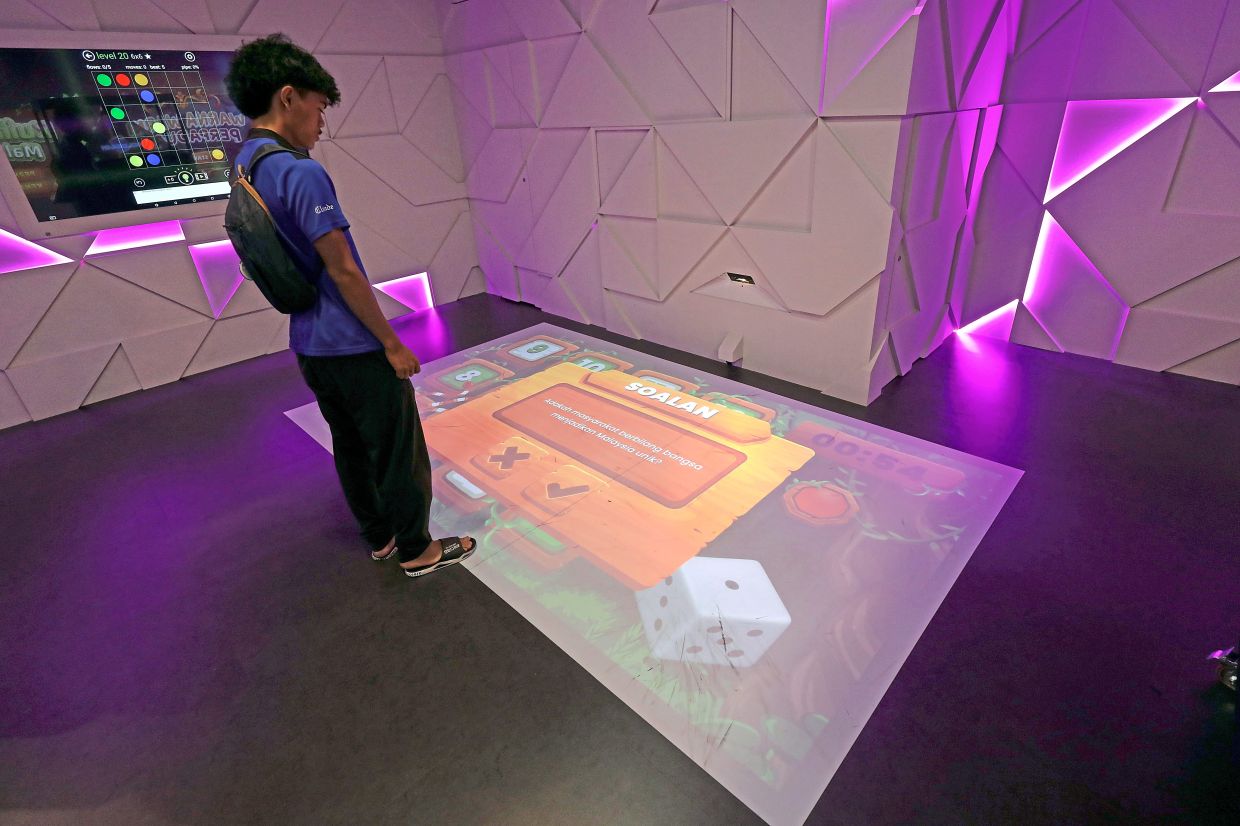
The Immersive Learning Centre features virtual reality (VR), metaverse, holographic and e-sports technology, while the Cyber Zone has 40 computers and 20 tablets.
A mini theatre seats 44, and a dedicated training room is equipped with 31 computers.
All these reflect a shift away from traditional silent reading rooms towards interactive, tech-driven spaces.
“The library has not disappeared in the digital age,” Edy Irwan said.
“We have simply opened another door, a digital one that people can walk through at any time of the day.”
Scrolling vs turning pages
PNM’s transformation comes as reading competes directly with bite-sized content on smartphones.
Edy Irwan identified social media and fast-paced digital feeds as primary obstacles to cultivating reading habits.
Many people, he said, relied on AI tools for instant answers without verifying their accuracy or credibility.
To counter this, PNM emphasises information literacy by teaching users to evaluate sources and use AI tools responsibly.
“We regard AI as a tool that can support learning, rather than a substitute for reading,” he said.
To engage younger audiences, the institution offers forums, podcasts, author sessions, science, technology, engineering and mathematics (STEM) workshops and family activities.
Its flagship campaign, Jom Baca Bersama 10 Minit, encourages Malaysians to read for 10 minutes simultaneously.
Other initiatives such as Ceritaku@Sekolah, Kembara Ilmu and Bicara Buku, alongside community programmes like Buku, Kopi & Komuniti and Sentuhan Komuniti Bestari extend these efforts to rural libraries to help bridge the digital and knowledge divide.
Fiction inspires borrowing
Despite high-tech additions, readers still favour a good story.
Fiction remains the most borrowed category by a clear margin, with 35,870 loans recorded up to June 2026.
Readers are also reaching for books on the arts, recreation, technology and applied sciences.
When books are kept past their due, PNM’s Polaris integrated library system issues automated reminders.
Overdue loans incur a fine of 10sen per day per book under the National Library (Fees and Fines) (Amendment) Regulations 2015, with borrowing privileges suspended until the fine is settled.
Lost items incur a fine of double the original purchase price.
However, PNM did not disclose the current number of overdue books or unreturned volumes or if any long-lost reading materials unexpectedly turn up years later.
For Edy Irwan, the primary goal remains shifting public perception away from viewing the library merely as a repository for printed books.
“Libraries today are centres of knowledge, technology, research and lifelong learning.”
His message to those who have not visited in years is simple: “Come to PNM. I believe you will leave with more than just a book.
“You will take home new knowledge, fresh inspiration and an experience you may not have expected.”
Visitor feedback
Visitors flock to PNM for a wide range of services, with many drawn to its diverse resources.
For student K. Arasu, the library remains an essential academic lifeline.
“Some of the books I need are not easy to find elsewhere.
“Being able to use them here helps me with my schoolwork.”
Another visitor, T. Sandra is keen to explore the institution’s tech-driven interactive additions.
“I am interested in learning how to use the virtual reality and metaverse facilities.
“They offer a different way to learn and explore.”
The venue facilities are also a major draw for public events.
Dr Shamani Munusamy said the PNM was one of her family’s favourite places.
It held special meaning after the launching of her 12-year-old son Raghul Meshan Kathavarayan’s debut science fiction novel, Initium Finis: The Beginning of the End, there.
Seeing it join the library’s collection was an honour her family would treasure, she said.
In Part Two tomorrow, read how the National Library preserves Malay written heritage.
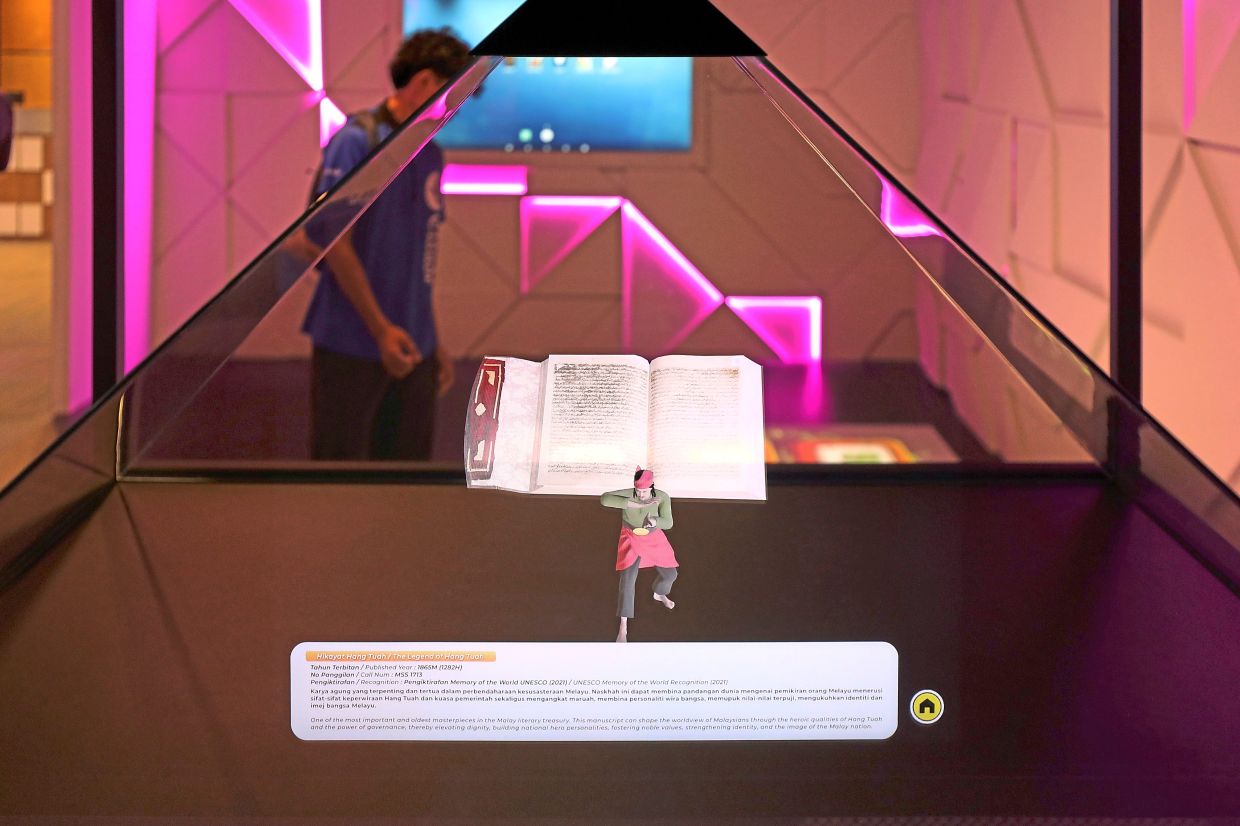
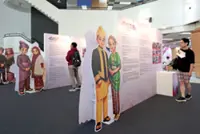
A holographic display brings the ‘Hikayat Hang Tuah’ manuscript to life, allowing visitors to explore the ancient text through animation and digital storytelling at the National Library of Malaysia in Jalan Tun Razak, Kuala Lumpur.
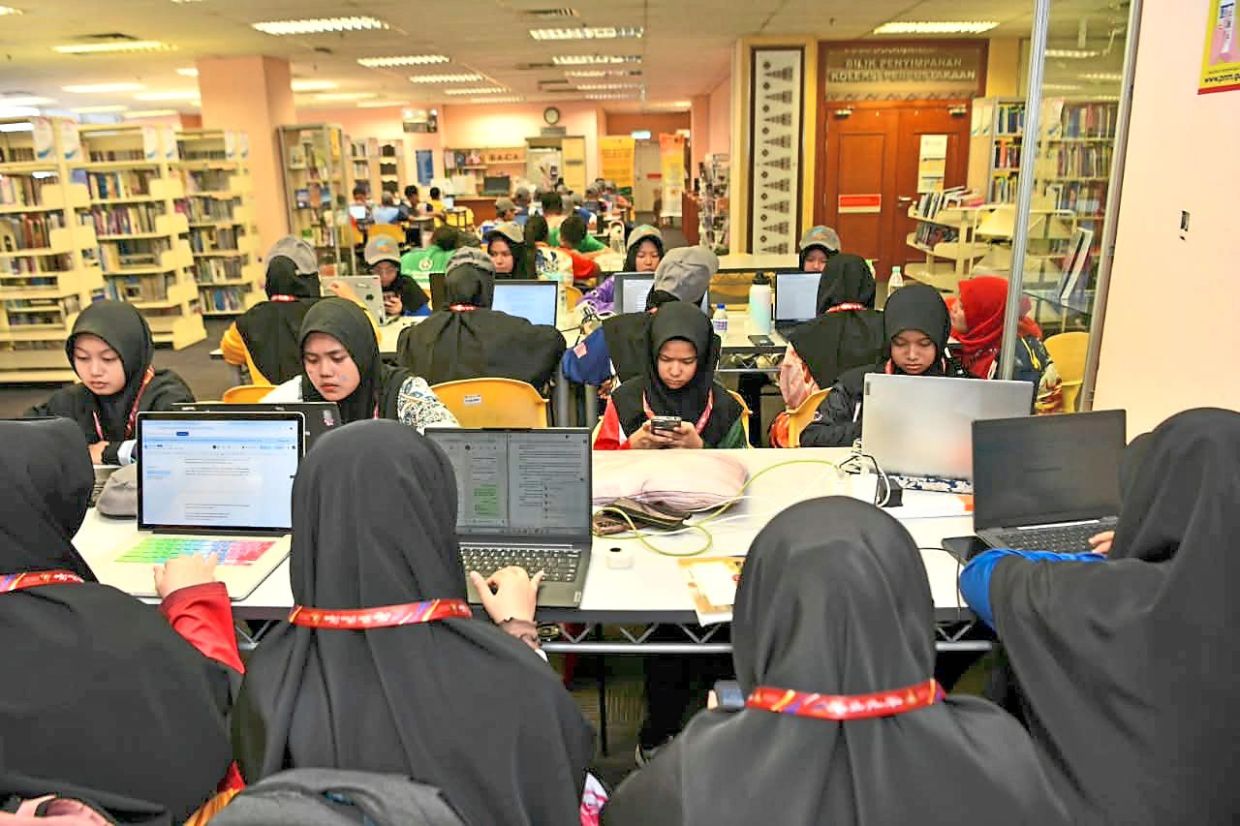
Students using the National Library of Malaysia’s study facilities, reflecting its role as a shared space for learning, research and collaboration. — Courtesy of PNM
Edy Irwan says PNM’s role and reach has expanded.
A visitor tries out an interactive game designed to make learning fun and engaging for children at the Immersive Learning Centre.
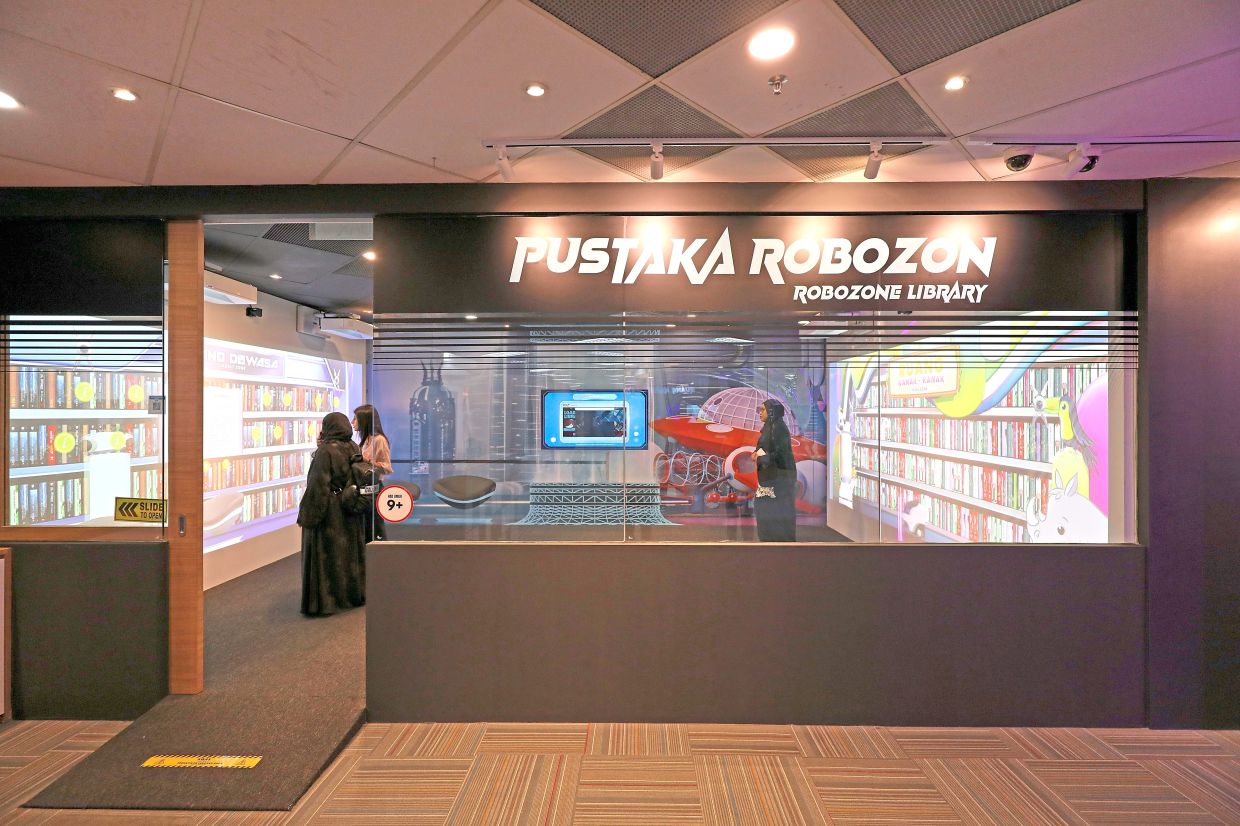
Visitors explore Pustaka Robozon, an interactive space at the National Library that uses digital displays and futuristic elements to introduce children to books and reading.
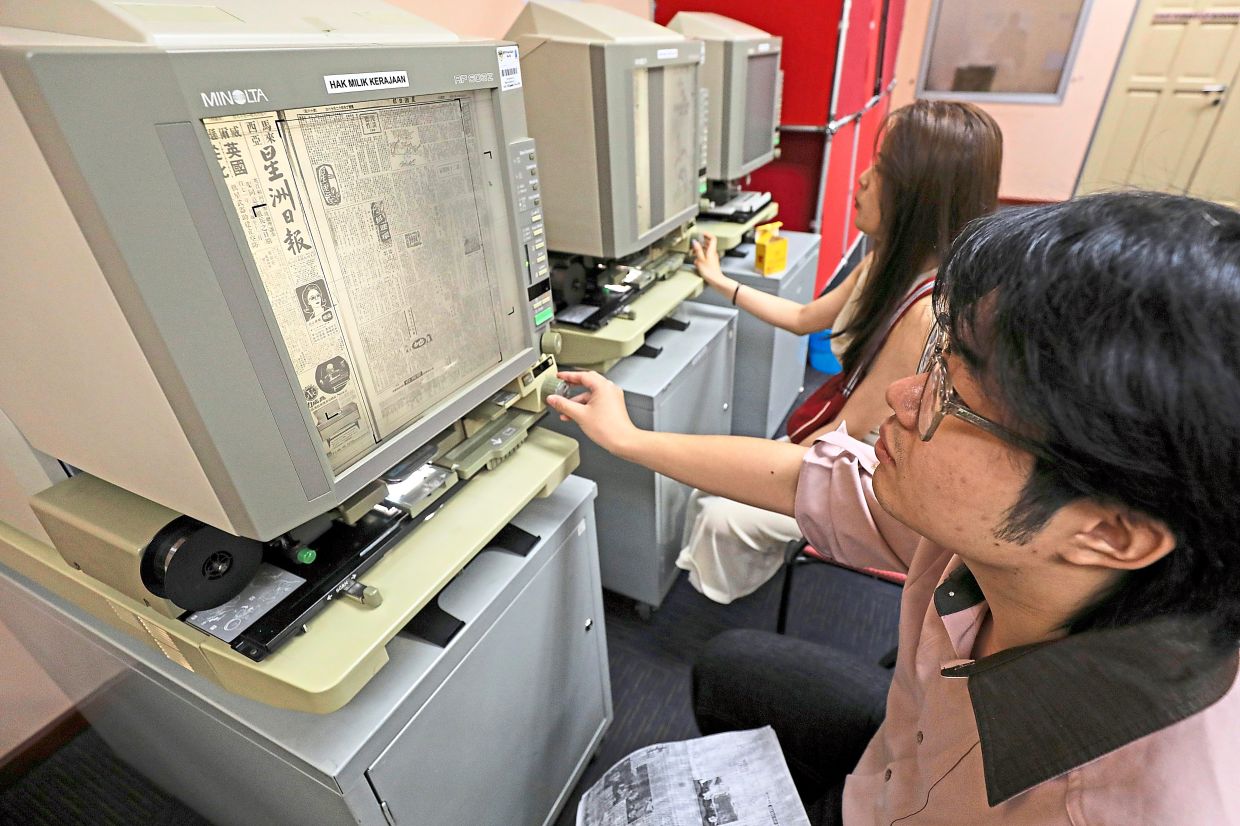
Students from Hong Kong use microfilm readers to research material on the Malaysian film industry from the 1960s.