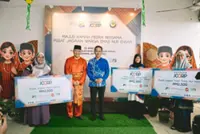
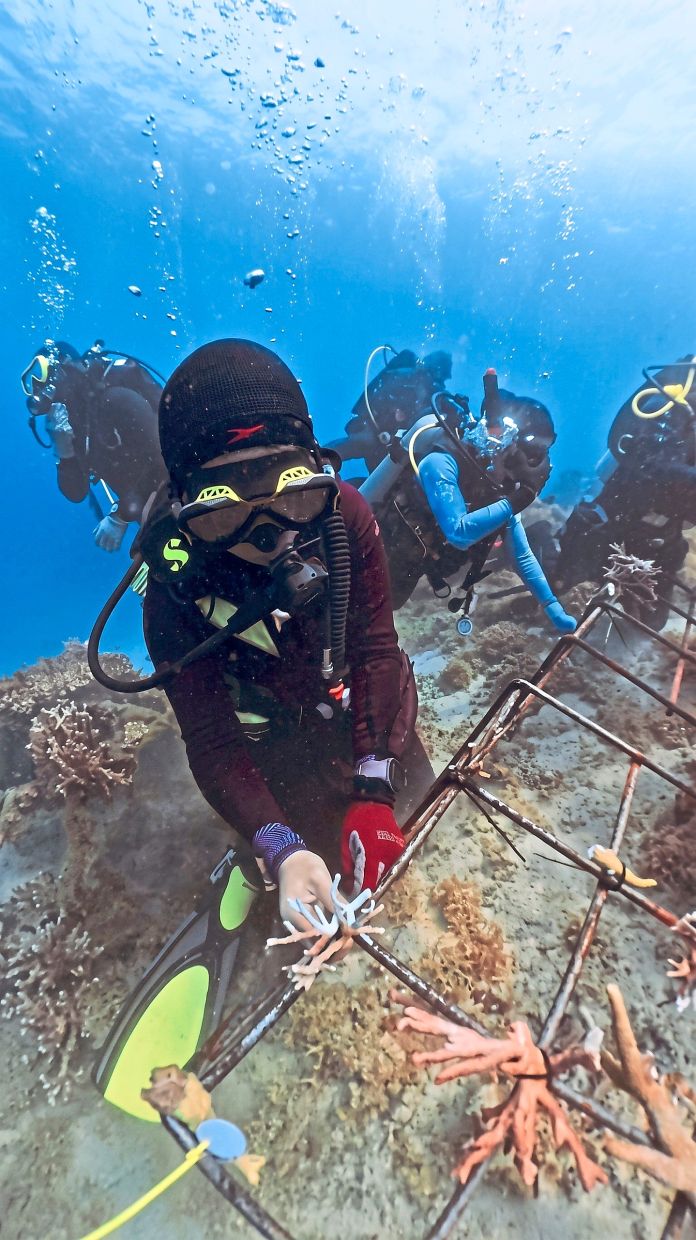
A CORAL restoration programme took place at Pulau Aur, Mersing in Johor, involving 300 nubbins.
It marked the largest effort by Johor Corporation Foundation (JCorp Foundation) since the programme started in 2023.
The latest three-day initiative from Sept 4 to 6 brought the total nubbins planted in the island’s waters to 550 over three years.
Nubbins are small coral fragments taken from a larger, healthy adult colony, which are then transplanted onto damaged reefs.
JCorp Foundation chief executive officer Datuk Mizan Yahya said the programme reflected the foundation’s long-term commitment to protecting and restoring marine ecosystems through sustained efforts.
“Marine conservation is not judged by what we achieve in a single year, but by our consistency in protecting and restoring ecosystems over time.
“Every coral rehabilitated represents another step towards healthier reefs, richer biodiversity and a more sustainable future for oceans,” he said.
The programme, organised in collaboration with Reef Check Malaysia, included activities aimed at restoring the island’s marine ecosystem while encouraging greater community participation.
It encompassed underwater and coastal cleanups, removal of crown-of-thorns starfish and marine appreciation activities.
Mizan said protecting marine ecosystems required commitment.
“This programme demonstrates what can be achieved when conservation organisations, strategic partners, volunteers and local communities work together with a shared purpose.”
He said that combining scientific expertise with community participation helped foster greater environmental stewardship.
Beach games, cultural exchange sessions and coffee gatherings celebrating Pulau Aur’s traditions were also held under “Pentas Seni Johor”.
Awareness sessions were aimed at empowering the local community and reinforcing the importance of collective responsibility as coral reefs are important for marine biodiversity, coastal protection, fisheries and ecotourism.
The coral rehabilitation programme is one of JCorp Foundation’s flagship initiatives under its environment pillar, alongside mangrove restoration, seagrass conservation, river and coastal clean-ups, biodiversity awareness campaigns and community-based ecotourism projects.
The foundation aims to achieve a 70% coral survival rate after 12 months, through this year’s rehabilitation effort.