City to install more composting machines at markets, hawker sites
While most people view spoiled produce as rubbish for landfills, the Shah Alam City Council (MBSA) turns the discarded food into organic fertiliser for local communities.
Launched in 2016, the initiative promotes sustainability and a circular economy by proving food waste is a valuable resource rather than worthless refuse.
Besides diverting landfill waste, the programme cuts greenhouse gas emissions and supplies cheap organic fertiliser for urban farming and community gardens.
MBSA launched the programme after finding that organic waste made up about 42% of the over 700 tonnes of waste generated daily at sites in its jurisdiction.
MBSA Public Cleansing and Waste Sustainability deputy director Haslina Ab Aziz said the programme began as a pilot project at the Section 6 Market in 2016, using just two composting machines installed there.
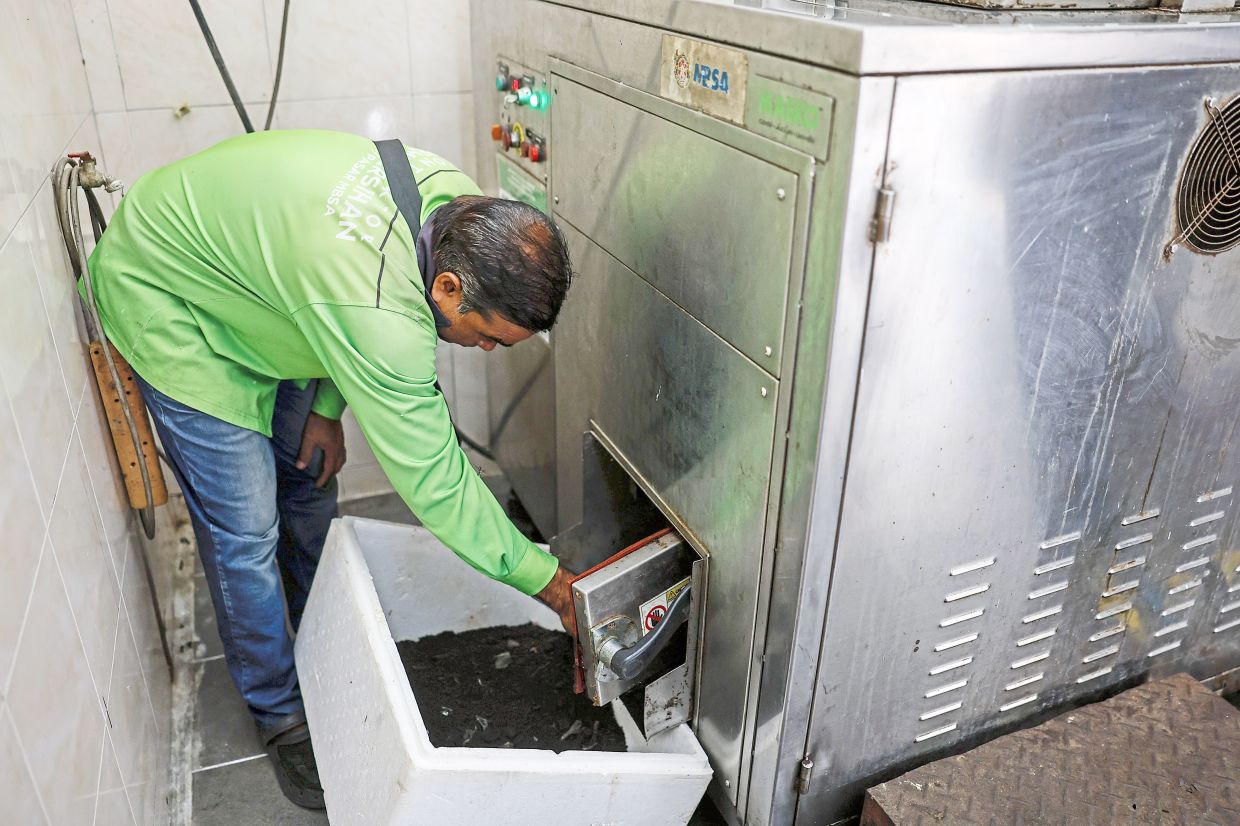
Today, MBSA operates nine composting centres equipped with 10 composting machines of varying capacities at the Section 6 Market, Section 16 Market, Bandar Baru Sungai Buloh Market and several council-owned food stalls.
Between 2021 and May this year, MBSA processed 291 tonnes of food waste into nearly 28 tonnes of organic fertiliser.
Starting this year, more than 2,000 food premises have been required to separate food waste at source before it is collected by contractors and transported to the nearest composting centre.
“Collections are carried out six days a week, from Monday to Saturday, to ensure the waste is processed as quickly as possible,” Haslina told Bernama.
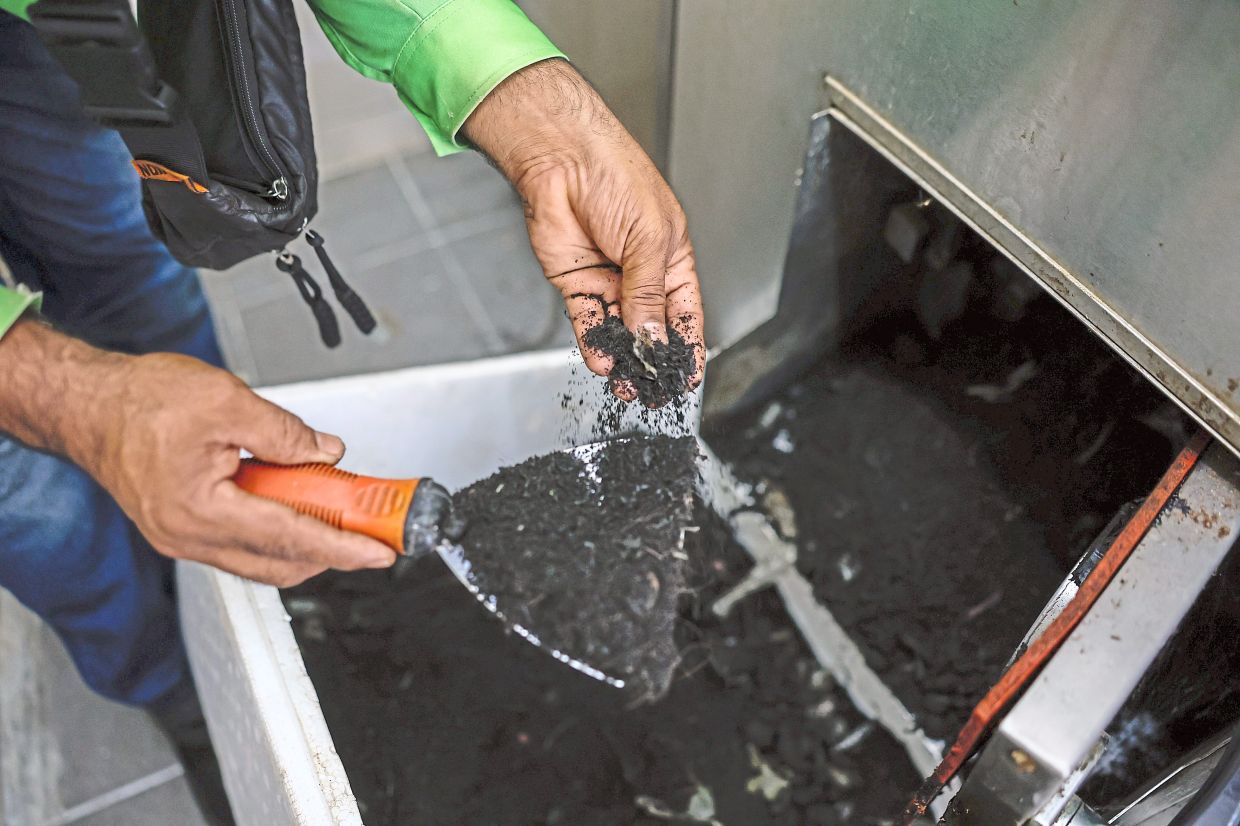
All the food waste is sorted to remove contaminants such as plastic before being mixed with coconut pulp and enzymes to accelerate decomposition.
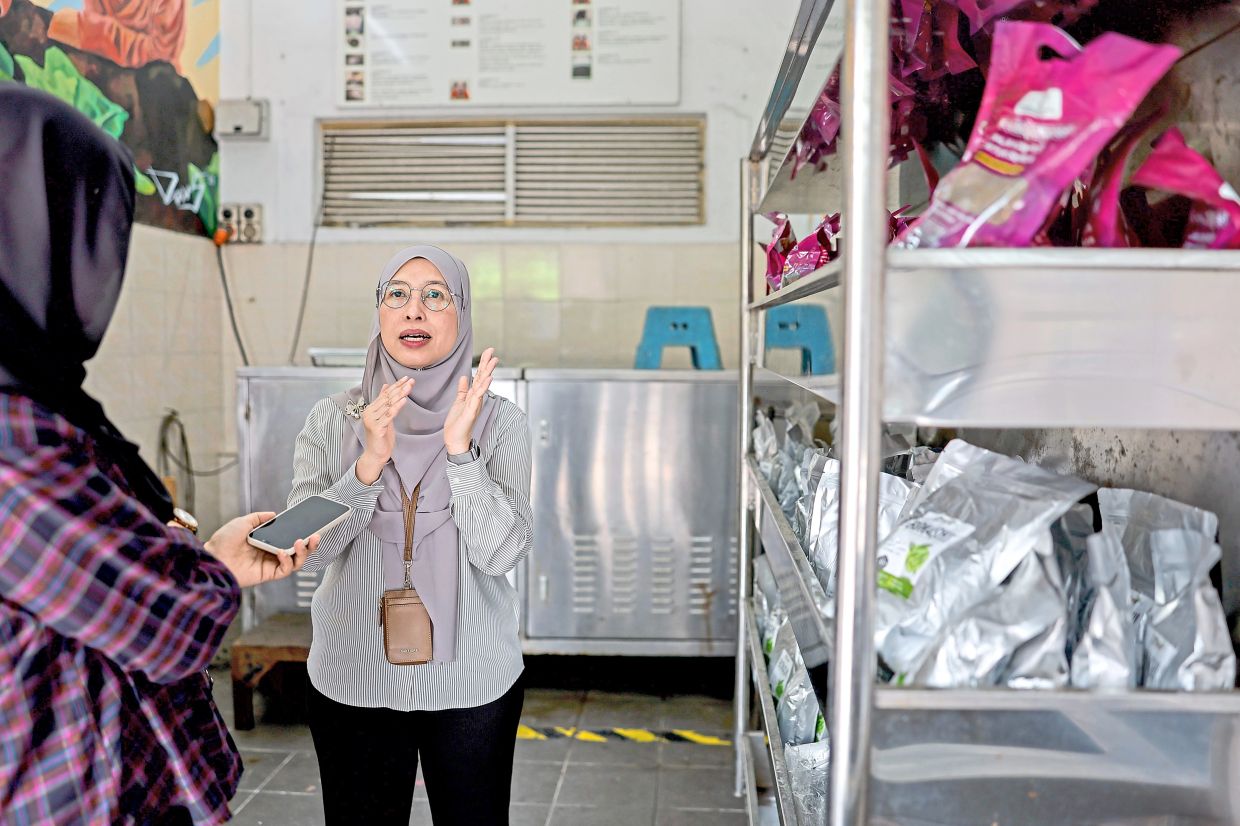
Haslina said coconut pulp helped retain moisture, created favourable conditions for bacteria that broke down organic matter.
The entire process takes approximately three to four days to produce organic fertiliser.
On average, 1kg of food waste yields about 200gm of compost, meaning about 5kg of food waste are required to produce 1kg of organic fertiliser.
The programme’s success is clear from its surging annual compost production, which reached 5.7 tonnes in 2025 and a record high of 9.8 tonnes by May this year.
Haslina said waste collection and processing operations were managed by MBSA-appointed contractors, assisted by on-site general workers to ensure smooth operations.
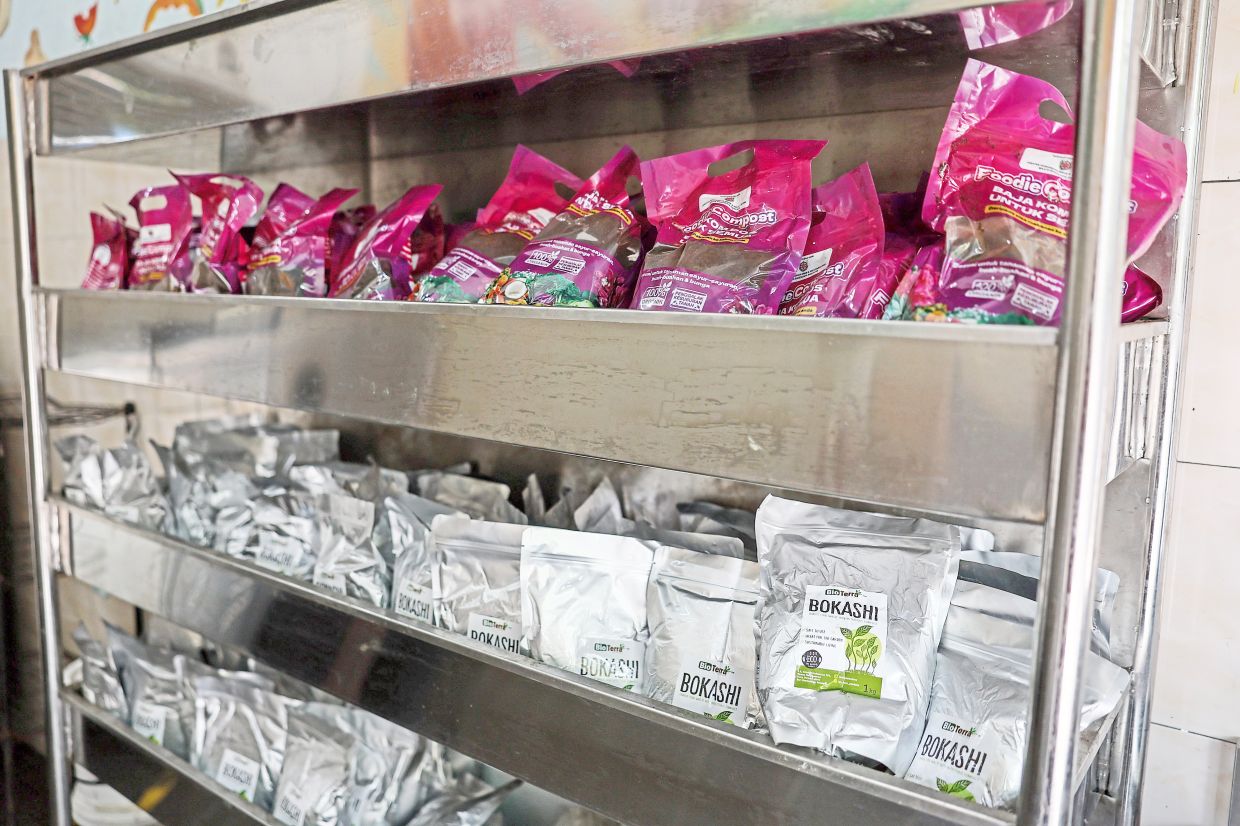
The council’s organic fertiliser, marketed under the ‘Foodie Compost’ brand, undergoes quality testing by the Standards and Industrial Research Institute of Malaysia (Sirim) to ensure its nutrient content and pH level meet standards.
Currently, the fertiliser is sold through MBSA-organised programmes and utilised by registered community gardens, including those in Section 8, Section 20 and the Surau Al Husna Community Garden in Section 20.
The fertiliser is priced at RM5 per 1kg pack, making it affordable.
“Response has been extremely encouraging. Whenever we sell it during MBSA programmes or events, the stock is usually sold out,” she said.
Haslina also said reducing the volume of waste sent to landfills also cut methane emissions, one of the major contributors to global warming.
At the same time, the organic fertiliser improves soil fertility and structure while enhancing the soil’s ability to retain water and nutrients.
She said the programme helped farmers and gardeners reduce production costs, produce healthier crops and create opportunities in the rapidly expanding green economy.
MBSA plans to increase the number of composting machines in line with the expected rise in food waste collection.
Over the next five years, the council also intends to explore the use of Anaerobic Digester (AD) technology, which can convert food waste into both organic fertiliser and biogas.
MBSA is also studying the potential of Black Soldier Fly (BSF) larvae technology as an alternative method for managing organic waste.
Meanwhile, its Garbage to Garden (G2G) programme will continue to be expanded to encourage residents to manage household food waste through small-scale composting at home.
“We want to change the public mindset that food waste does not have to end up in landfills.
“Instead, it can return to the garden as organic fertiliser. That is the culture we hope to cultivate among the people of Shah Alam,” Haslina added.