Deteriorating roads, rubbish heaps, clogged drains in Cheras neighbourhood need attention
A BUSTLING commercial hub at Taman Maluri in Cheras, Kuala Lumpur, should be a showcase of everything that urban living has to offer.
Instead, its main roads and commercial areas paint a picture of neglect.
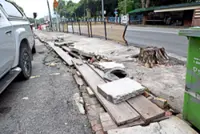
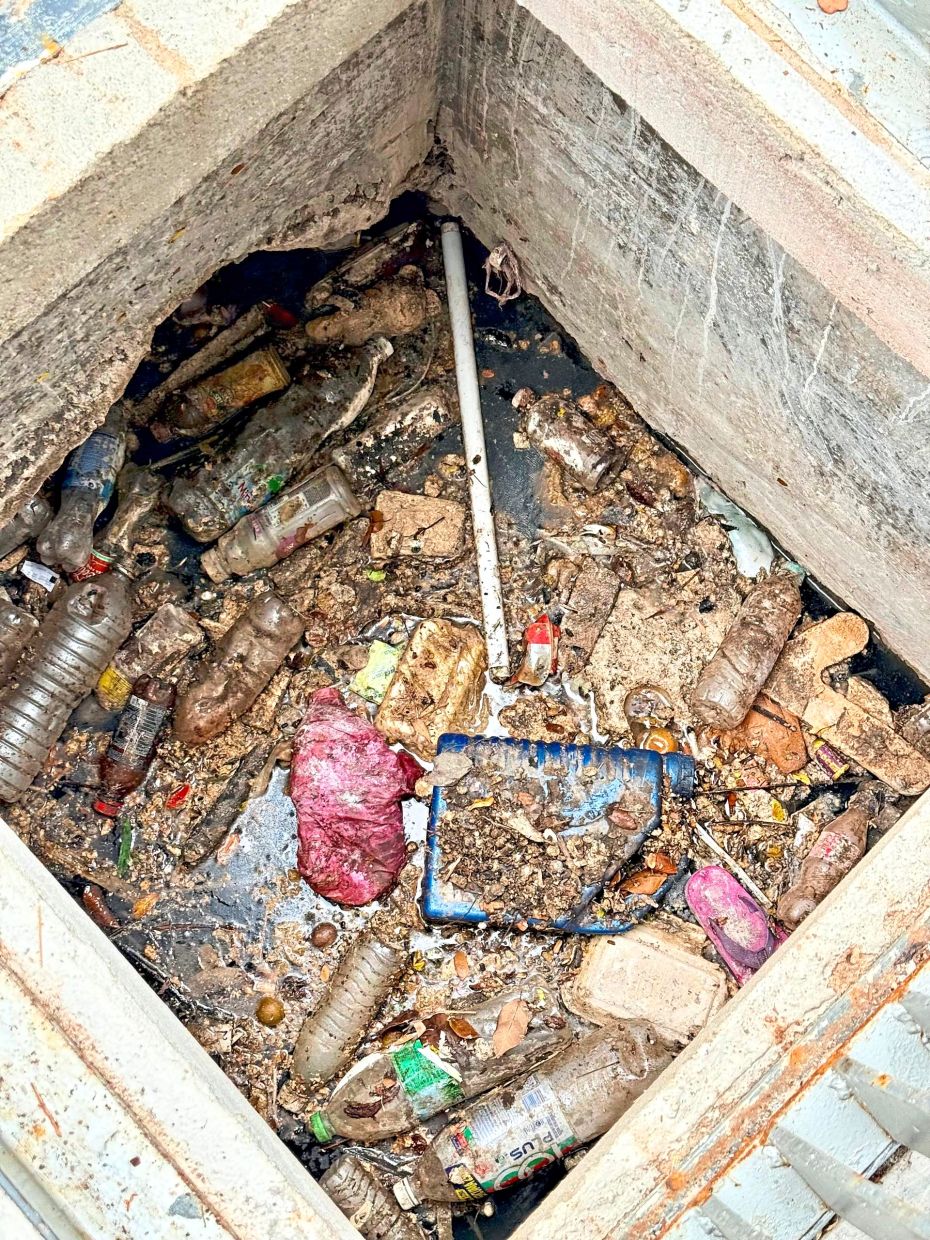
Clogged drains, broken drain covers, uneven roads and a proliferation of roadside stalls – some suspected of operating illegally – have become part of the landscape.
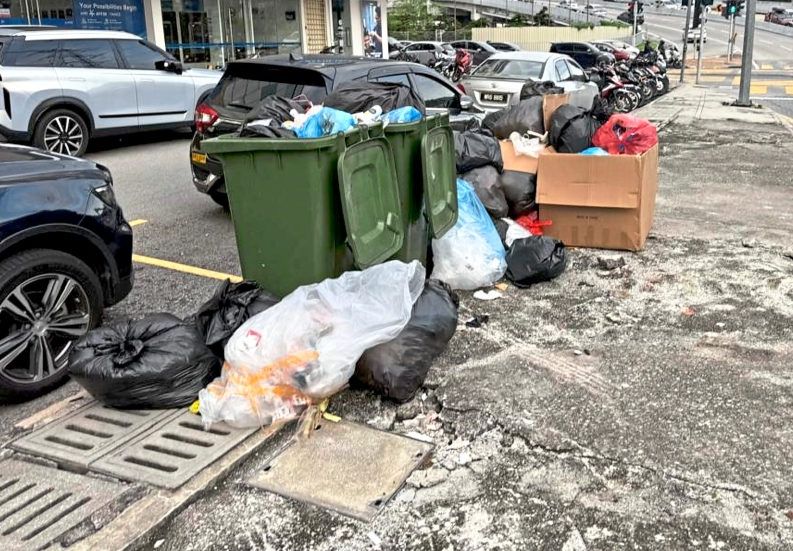
Adding to the blight, are heaps of domestic and bulky waste strewn along roadsides and sidewalks.
Checks by StarMetro along Jalan Mahkota, Jalan Jejaka and Jalan Perkasa detected foul odours while rats and other pests could be seen scurrying through piles of rubbish and around clogged drains.
Across the commercial area, overflowing rubbish lined roadsides, back lanes and five-foot ways.
The problem was so severe that some business operators put up notices warning passers-by against illegal dumping.

Federal Territories Residents Representative Council (MPPWP) Subzone 6 secretary TM Padmanathan said residents have urged for the rubbish collection frequency to be increased.
“We first highlighted the matter to Kuala Lumpur City Hall (DBKL), which referred us to the Solid Waste and Public Cleansing Management Corporation (SWCorp). We eventually lodged a complaint with Alam Flora.
“Alam Flora assured us it would look into the matter, but the problem that started about a year ago has only gotten worse.”
Rubbish collectors, he said, have told residents that delays at disposal sites were affecting collection schedules.
“They said the lorries sometimes had to queue up for hours before they could enter the disposal sites, making it difficult to stick to their collection schedules.
“People, at the same time, continue dumping bulk waste such as old furniture and mattresses by the roadside.”

MPPWP Subzone 6 environmental and public health exco Adrihazim Abdul Rashid also expressed concern about roadside eateries in the area, some of which were suspected of throwing waste directly into drains.
“The drains are filled with food waste and used cooking oil, causing blockages and foul odours.
“Alam Flora cleared the drains in April, but I am afraid the problem will continue unless more comprehensive action is taken,” he said.
Adrihazim said a complaint was submitted to a DBKL branch office in February regarding a food court that was suspected of operating illegally.
According to him, many shoplots had been converted into living quarters for foreign workers, placing additional pressure on existing facilities and services.
“There are now more people living in the area than what it was meant to accommodate.”
Responding to media queries, Alam Flora said domestic waste in Taman Maluri was picked up six days a week (Monday to Saturday), with collections carried out in the early morning.
However, it said that bulk waste was not collected from commercial areas.
The company said the area generated a high volume of waste, partly due to the high concentration of hawkers and foreign workers residing in commercial premises.
“For waste generation that consistently exceeds the capacity of the bins provided, business operators are required to engage additional waste management services,” it said.
Adrihazim said Alam Flora representatives later met residents after learning of StarMetro’s enquiries.
He said the company explained that the rubbish problem was not simply due to collection frequency or occasional lorry breakdowns.
They were told that many traders and premises owners were unaware that their assessment rates only covered the collection of one bin of domestic waste for each shoplot.
“Commercial and bulky waste are the responsibility of business operators, and this is stated in their DBKL business licences.”
To improve compliance, Adrihazim said MPPWP and SWCorp will conduct engagement sessions throughout this month with traders and residents.
“The first phase will focus on educating the community and informing them that enforcement will be stepped up.
“During the second phase, SWCorp officers will conduct inspections and issue on-the-spot summonses to those found flouting the rules.”
Poorly patched roads and growing potholes around Jalan Perkasa and Jalan Mahkota are another source of frustration for residents.
They said road conditions have worsened in recent years after several utility companies carried out repeated earthworks in the area.

Alliance For a Safe Community chairman Tan Sri Lee Lam Thye, who is also a resident, said he had lodged numerous complaints with DBKL over the deteriorating road conditions.
“I would call DBKL and the damaged sections would be repaired, but before long, the same problems reappear.
“With heavy vehicles using these roads every day, the damaged surface will continue to deteriorate, potholes will become larger and the risks to motorists will increase.”
Lee said DBKL should inspect reinstatement works by contractors to ensure they met the required standards.
“If the work is found to be substandard, DBKL must take the necessary enforcement action.
“We understand the need for infrastructure maintenance and upgrades, but these should never come at the expense of public safety,” he said.
Another concern was the number of broken drain covers found throughout the area.
Checks found several damaged covers replaced with makeshift wooden planks, while broken concrete slabs have been left beside the drains.
It was unclear who installed the wooden planks, but the temporary fix posed a potential safety hazard to pedestrians and motorists alike.
A resident, identified only as Cindy, said poor lighting in the commercial area was another problem.
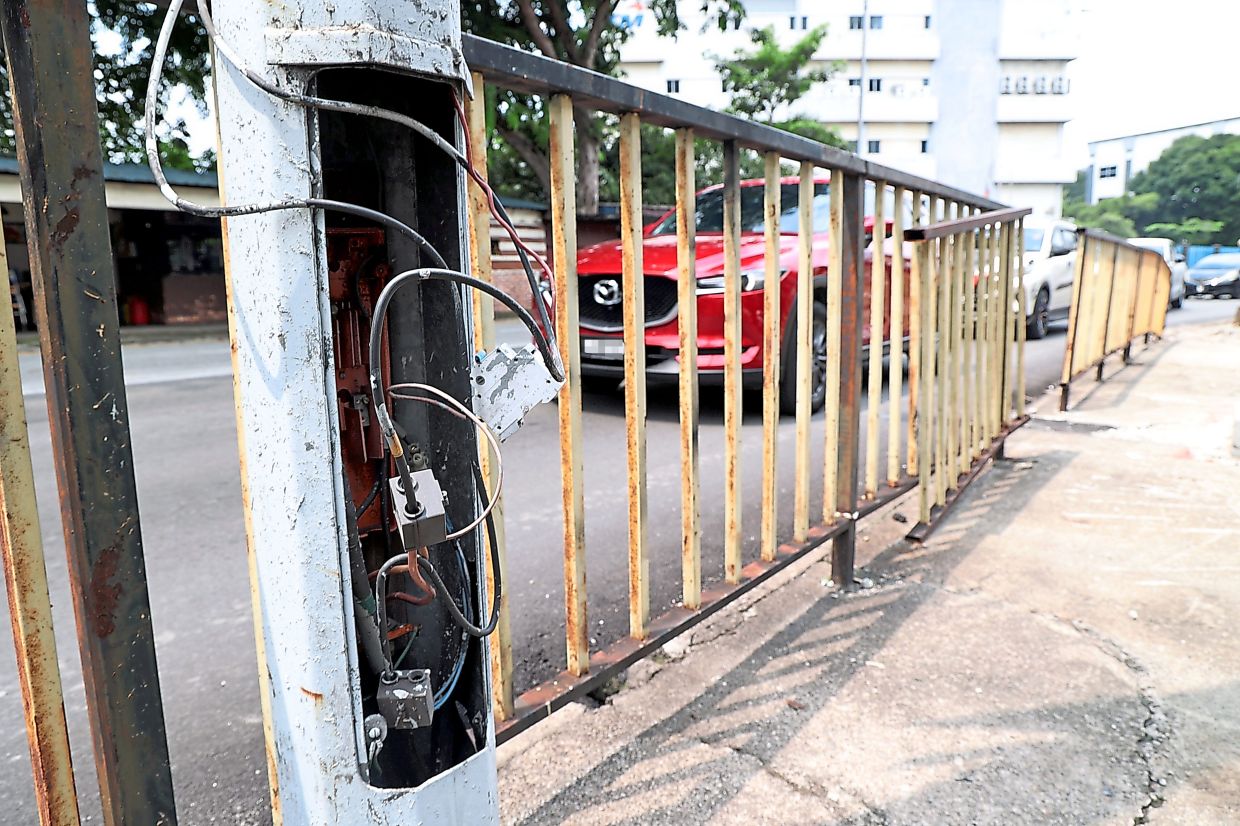
“As a woman, I don’t feel safe walking home alone after work at night,” she said, adding that some street lights in the area had been vandalised.
DBKL did not respond to multiple requests for comments at press time.