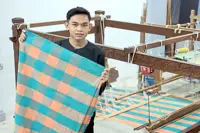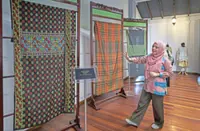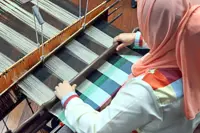
Traditional woven fabric Kain Benang Johor is shedding its image as a textile reserved only for formal ceremonies, to become a mainstay on the local haute couture scene.
Once kept strictly for ceremonial occasions, the fabric has transformed into a sought-after symbol of prestige, luxury and national pride, reflecting Johor’s heritage and cultural identity.
Johor Weaving Gallery assistant curator Roslinda Mohd Rosli said the fabric’s distinctive appeal laid in its unique geometric patterns, which set it apart from woven textiles produced in other states.
“This iconic Johor fabric adopts the concept of kain berkotak (check-patterned cloth), embellished with motifs inspired by the state’s natural heritage, such as black pepper and gambier, placed within the geometric squares.
“Its beauty is further enhanced by a striped kepala kain (fabric head) design, giving the wearer a refined, elegant and exclusive appearance,” she told Bernama.
Roslinda said the original pattern was carefully preserved by generations of master weavers in Muar before being introduced more widely throughout the state.
To date, she said, 10 official designs had been patented.
“This includes six exclusive creations for the Johor royal family, such as Songket Johor Jauhar, Songket Johor Madini and Songket Johor Maharani.
“The remaining four designs are intended for the public, such as Tenun Johor Corak Muar, Tenun Johor Tanjung Piai and Tenun Johor Mayang Selida.”
Highlighting the fabric’s exclusivity, Roslinda described every piece as a work of art that demanded exceptional patience across eight intricate stages of traditional craftsmanship.
“The entirely handwoven process begins with dyeing the yarn before progressing through menerai (threading), menganing (warping), winding, menyampak (tying), mengarat (heddling), songket pattern counting and finally weaving on the traditional Kek Melayu loom.
“It takes between one-and-a-half and two months for a weaver to complete a 2m-long samping measuring 94cm in width.”
Roslinda described the starting price of RM2,000 for an authentic handwoven piece as a worthwhile investment for a masterpiece that was now highly sought-after by affluent buyers, corporate leaders, and heritage collectors.
To ensure the weaving tradition continued to flourish while making Johor’s signature fabric more accessible, she said the Johor Heritage Foundation had introduced machine-woven versions.
“In conjunction with the Visit Johor campaign, the machine-made fabric is being offered at a promotional price of RM250.
“This initiative is not only aimed at encouraging government employees and the public to wear Johor’s identity attire every Friday, but will also create greater opportunities for the fabric to evolve into contemporary fashion designs,” she said.
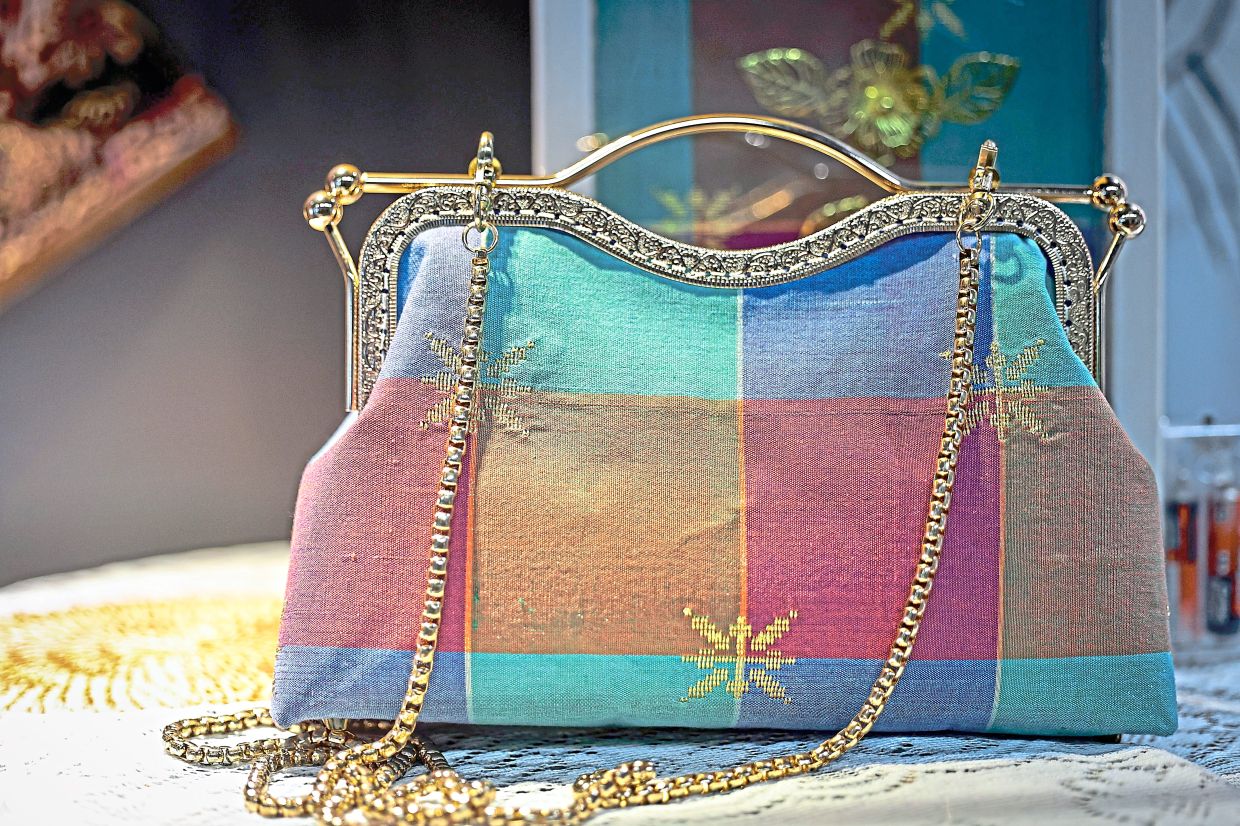
Roslinda added that the fabric was no longer confined to traditional samping, having been creatively adapted into shirts, women’s blouses and jackets suitable for both formal occasions and casual wear.