MUSEUMS are essential custodians of a nation’s history, culture, and identity.
While they continue to draw diverse crowds, staying relevant to younger generations requires a bold leap into the digital age.
This shift is backed by a new academic study which reveals that emotional storytelling, short-form videos, relatable language and social media trends are the absolute keys to helping cultural institutions engage younger audiences in a post-pandemic world.
The research found that modern digital outreach – driven by social media algorithms, slang, trending music, and relatable characters – heavily influences whether young people are drawn to heritage content.
Leading the charge in practice, institutions like Muzium Negara and the Penang State Museum are already validating these findings.
By embracing social media, immersive technology, and interactive exhibits, they are actively transforming the traditional visitor experience to captivate Gen Z.
Visual galleries
Recognising that Generation Z is heavily visual and favours dynamic content over lengthy text, the Penang State Museum has been integrating digital elements into its exhibitions since 2017 to capture their attention.
Assistant curator Muhammad Syazwan Mat Isa said one of the museum’s main attractions was its Immersion Projection Room, where visitors could relax while enjoying animated visual displays.
“The immersive visuals also make great social media content. Many visitors describe them as Instagram-worthy,” he said.
Muhammad Syazwan said the museum first ventured into virtual exhibitions during the Covid-19 pandemic with a free 3D gallery featuring the national football team – Harimau Malaya.
However, he believes physical exhibitions still provide a far richer experience.
“Virtual exhibitions are costly to maintain, and we would rather invest our resources in improving physical exhibitions.”
To keep the physical space engaging, the museum introduced a Face Swap application at photobooth kiosks, allowing visitors to insert their faces into historical characters.
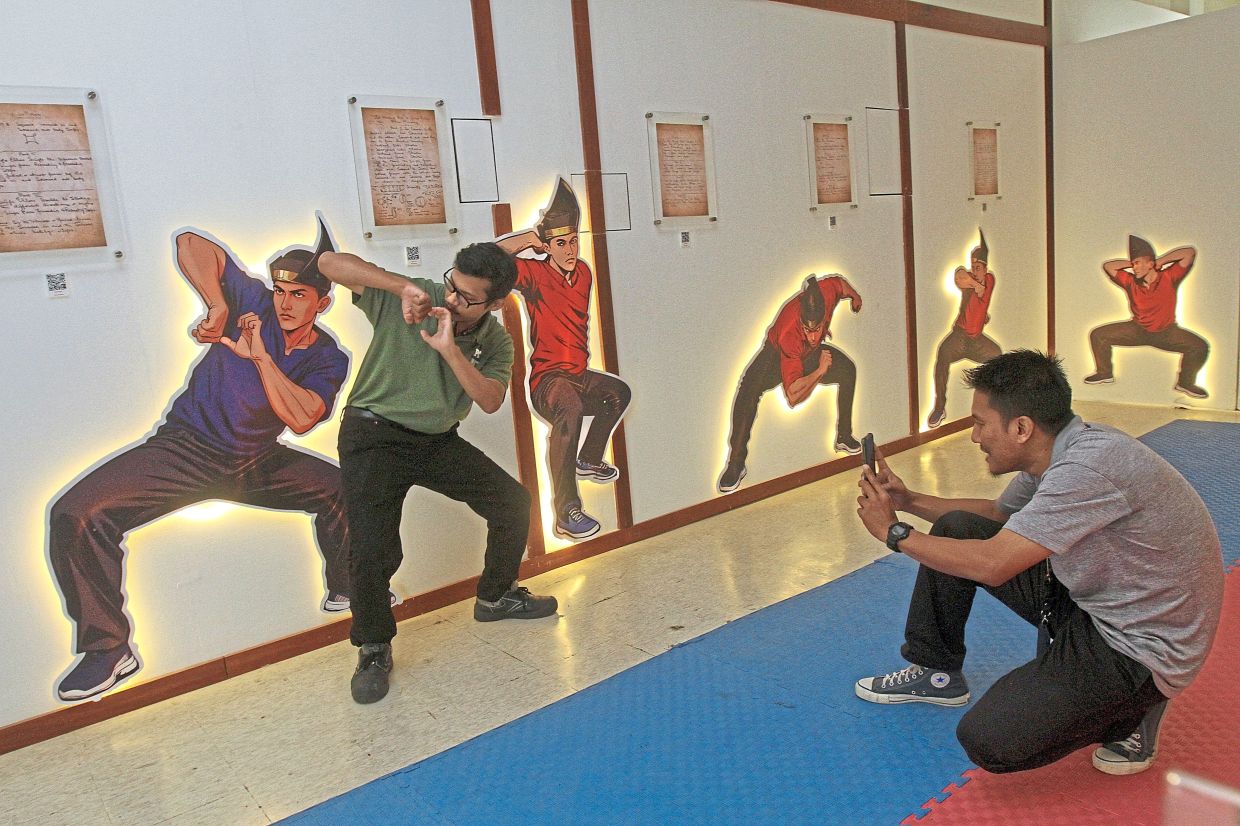
Comic-themed presentations have also become a major draw.
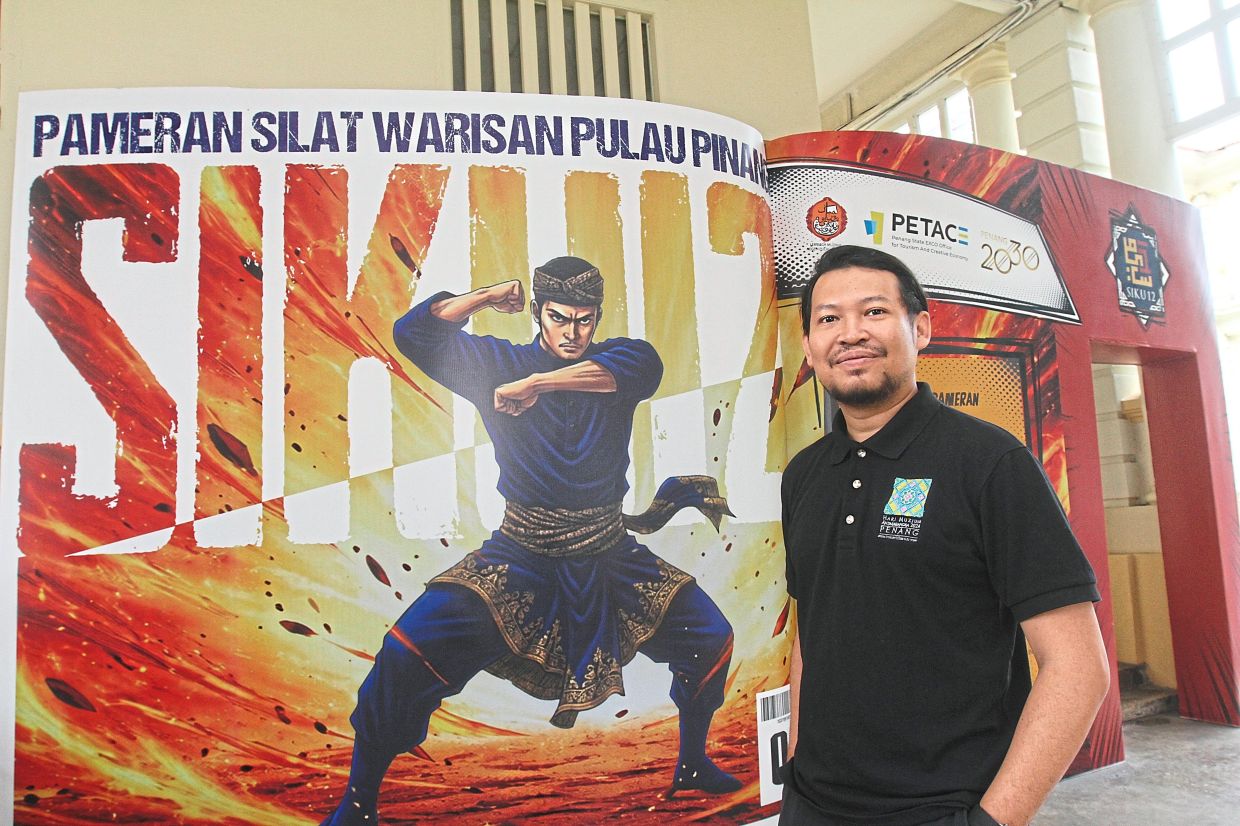
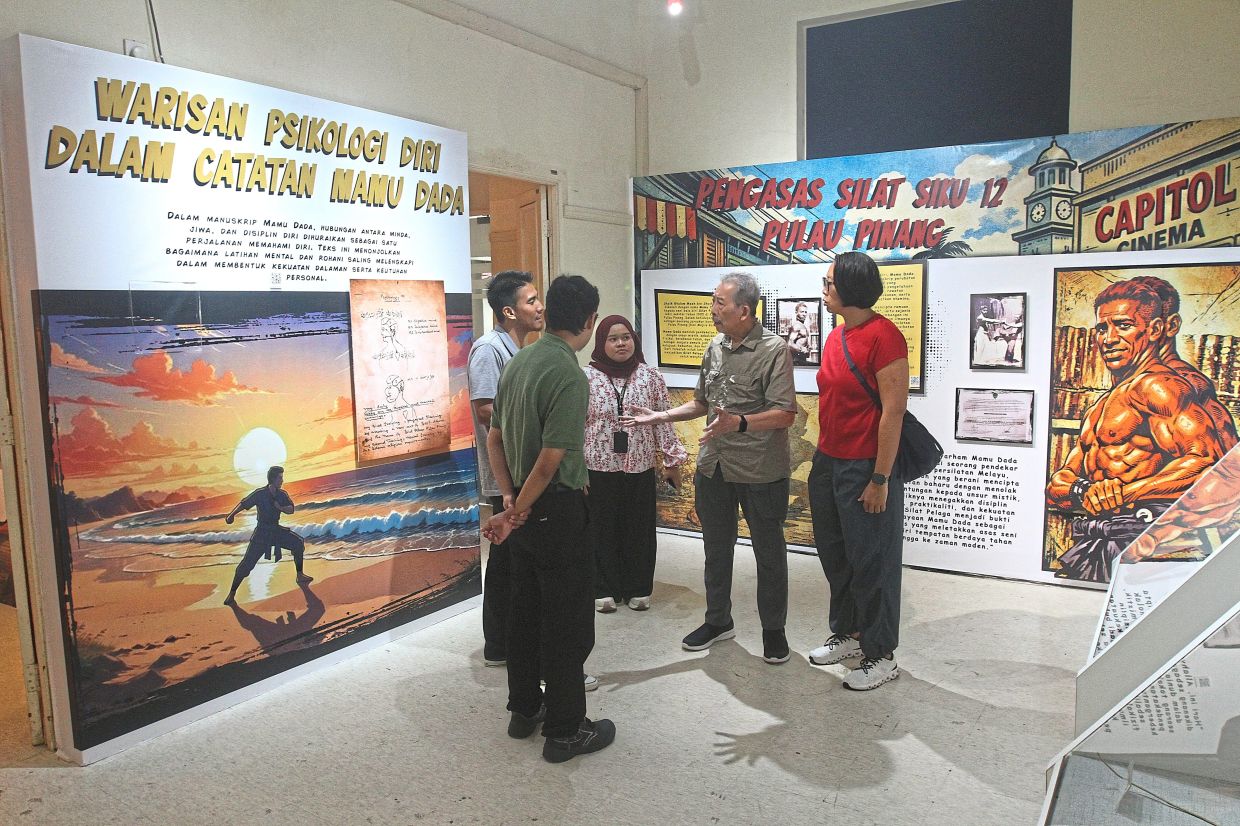
The museum’s recent Silat Warisan exhibition, presented in the projection room, also proved especially popular among younger visitors.
The exhibition incorporated colourful comics, cartoons, and animations to break down complex cultural history.
“Teens and young adults are generally less familiar with silat. Presenting the subject through comics captures their attention and encourages them to learn more,” Muhammad Syazwan said.
He added that topics like marine life and martial arts were carefully chosen to appeal to youths, while vintage cars and bicycles continued to draw older crowds.
To maintain momentum, the museum regularly produces short videos, YouTube content, and podcasts.
Digital outreach

Heriot-Watt University Malaysia Associate Professor Dr Jessica Ho, who co-authored the study, said the research explored ways to cultivate a greater appreciation of history among youths.
“While we examined the challenges, we also found that engaging social media content can successfully attract younger audiences,” said Ho.

“Posts should have eye-catching headlines, concise captions, and relevant hashtags to improve search engine optimisation,” Lau said, emphasising that emotionally engaging content that reconnects youth with their heritage is the most likely to resonate and go viral.
Crucially, the research notes that these online marketing strategies are not meant to replace physical visits, but rather to drive foot traffic.
Sunway University Associate Professor Dr Padma Pillai, Deputy Dean at the Faculty of Arts and Social Sciences, said presentation style was half the battle.

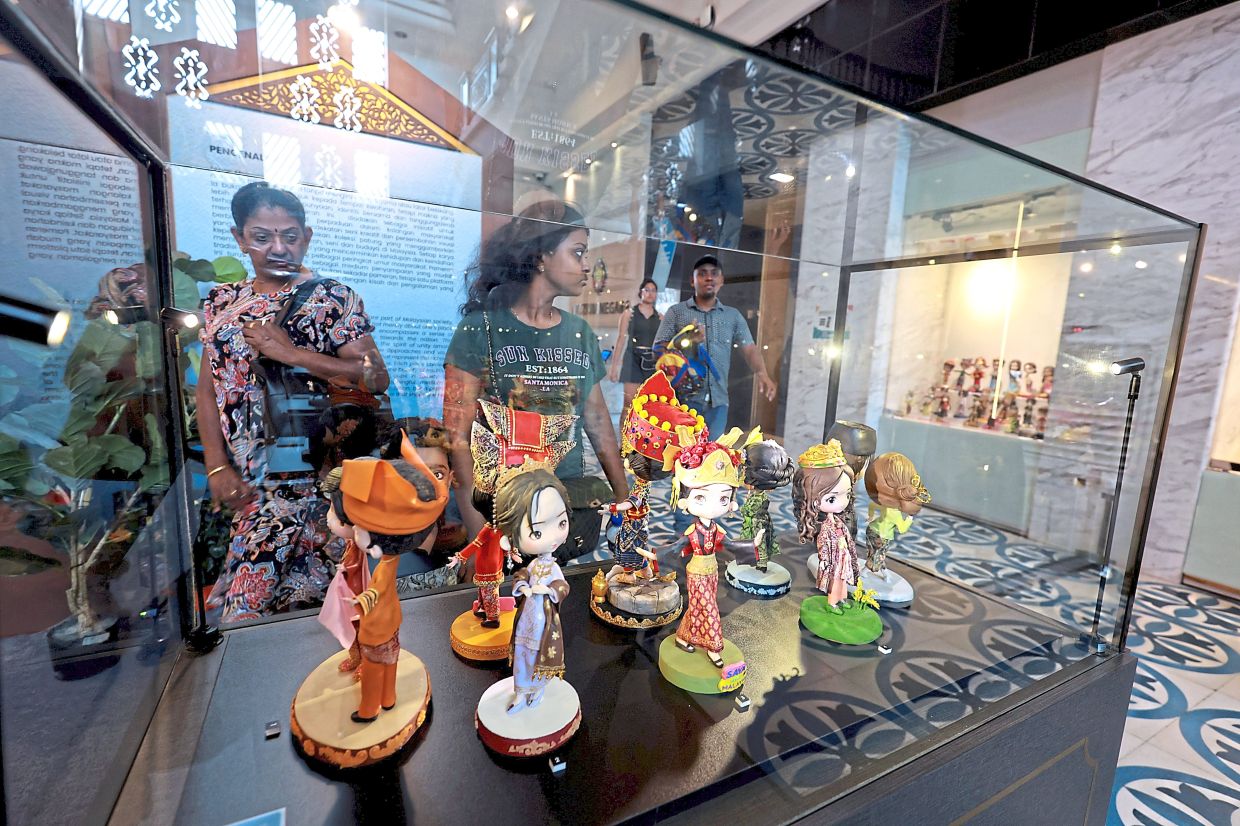
She suggested that museums also bring history to life by using costumed characters to portray historical figures, such as a traditional milkmaid, encouraging visitors to come in and interact with them in person.
Interactive ecosystems
Muzium Negara is executing this exact playbook by leaning heavily into digital transformation.
According to deputy director Nor Hanisha Ahmad, the museum has rolled out a suite of modern features, including QR codes, Augmented Reality (AR) photobooths, interactive multimedia games, 360-degree virtual displays and blockbuster themed exhibitions.
The museum also collaborates with educational institutions and private organisations on STEM-based programmes.
The implementation of QR codes between 2019 and 2021 was a major turning point.
“The main objective was to digitalise exhibition information and make it easier for visitors to access additional content, especially during temporary exhibitions,” Nor Hanisha said.
The initiative has reduced printed waste while creating a highly interactive ecosystem that has been well-received by younger demographics.
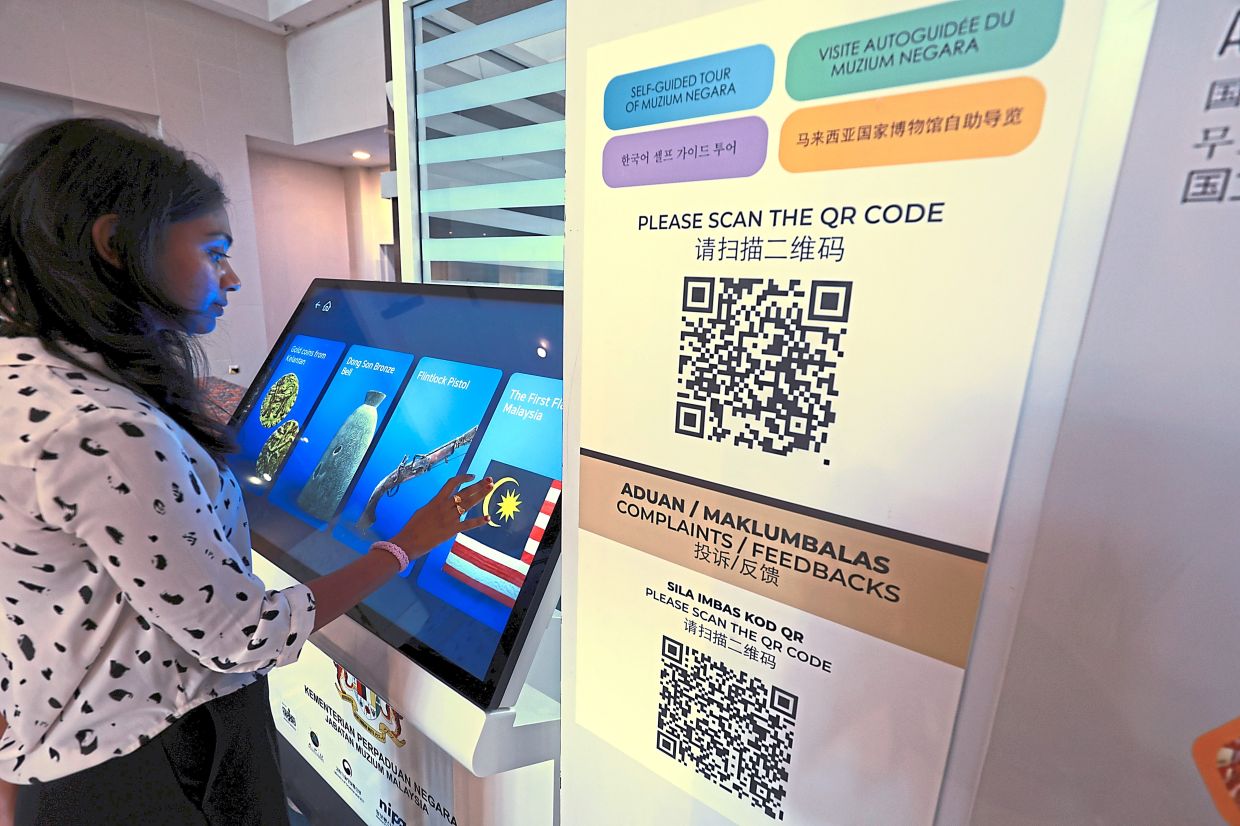
“They can quickly access additional information, interact more with the exhibits, and even save the content for future reference.”
Currently, Muzium Negara’s official Facebook page boasts nearly 20,000 followers, primarily aged 35 to 44.
However, the museum is seeing a shifting digital tide.
Platforms like TikTok are surging in popularity among users aged 25 to 44.
Internal data shows that striking visual photographs often receive much higher engagement from non-followers than existing followers, proving that visual content is the ultimate tool for capturing new audiences.
Active participation
Ultimately, both museum officials and academic researchers agree that modern youths want to participate rather than simply observe.
The study suggests that museums can build deeper connections through gamified treasure hunts, social media challenges, live demonstrations, and creator-led tours that encourage visitors to share their own experiences online.
As cultural institutions embrace this digital evolution, the strategic use of technology is doing more than just boosting ticket sales; it is preserving cultural heritage, strengthening public engagement, and encouraging lifelong learning.
Furthermore, the researchers noted that these modernised efforts directly support the United Nations Sustainable Development Goals – particularly SDG 4 (Quality Education) and SDG 11 (Sustainable Cities and Communities) – by ensuring that history remains inclusive, vibrant, and accessible to the generations of tomorrow.
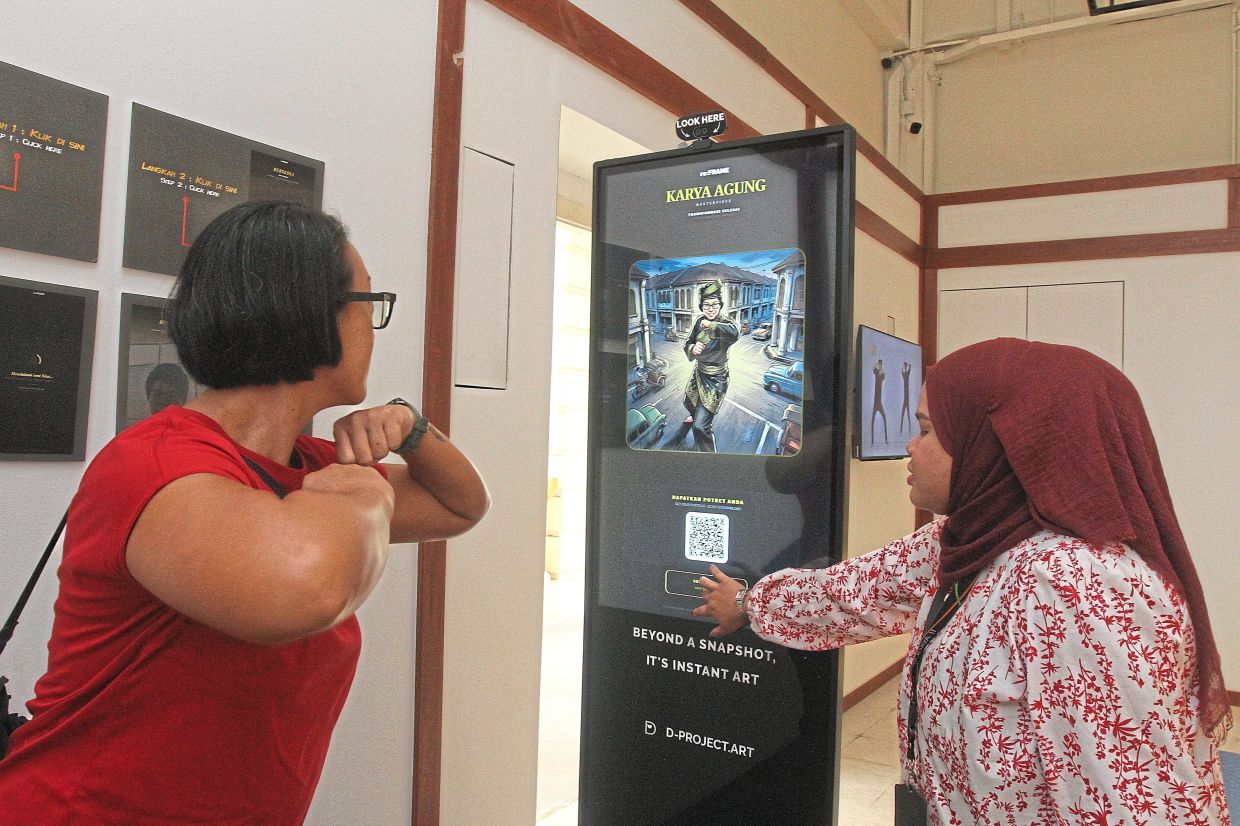
“Museums continue to evolve by combining technology with education to create meaningful and memorable experiences for visitors of all ages,” added Nor Hanisha.