OVER 130 of Malaysia’s most valuable national artefacts have been successfully digitised, unlocking collections that were previously hidden from public view.
Announced by Department of Museums Malaysia (JMM) director-general Kamarul Baharin A. Kasim at Muzium Negara, the milestone includes items officially declared as national treasures and showcasing Malaysia’s rich cultural and ethnic diversity.
“Of the total, 18 artefacts have been declared heritage items under the National Heritage Register and the Heritage Register, reflecting their significant historical value and importance to the nation’s identity,” he said.
Kamarul Baharin said the digitisation initiative covered a wide range including headgear, ceramics, weapons, traditional attire, personal adornments, traditional musical instruments, Orang Asli collections and traditional games.
“Collections that were previously unsuitable for public display can now be accessed by the public, researchers and students without compromising the physical condition of the original artefacts,” he added.
He said the department remained committed to making the nation’s history and cultural heritage more relevant, inclusive and accessible through digital technology.
This commitment is reflected in several large-scale digitisation initiatives worth about RM5mil this year, including the development of the Museum Digital Network Ecosystem (Wi-Fi), the digitisation of the national heritage artefact collection and the Natural History Museum Virtual Exhibition.
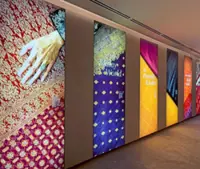
The department has also enhanced visitors’ experiences through digital exhibitions at Muzium Negara, a Virtual Reality (VR) Tour at the Malaysia Architecture Museum and digital content for the National Textile Museum.
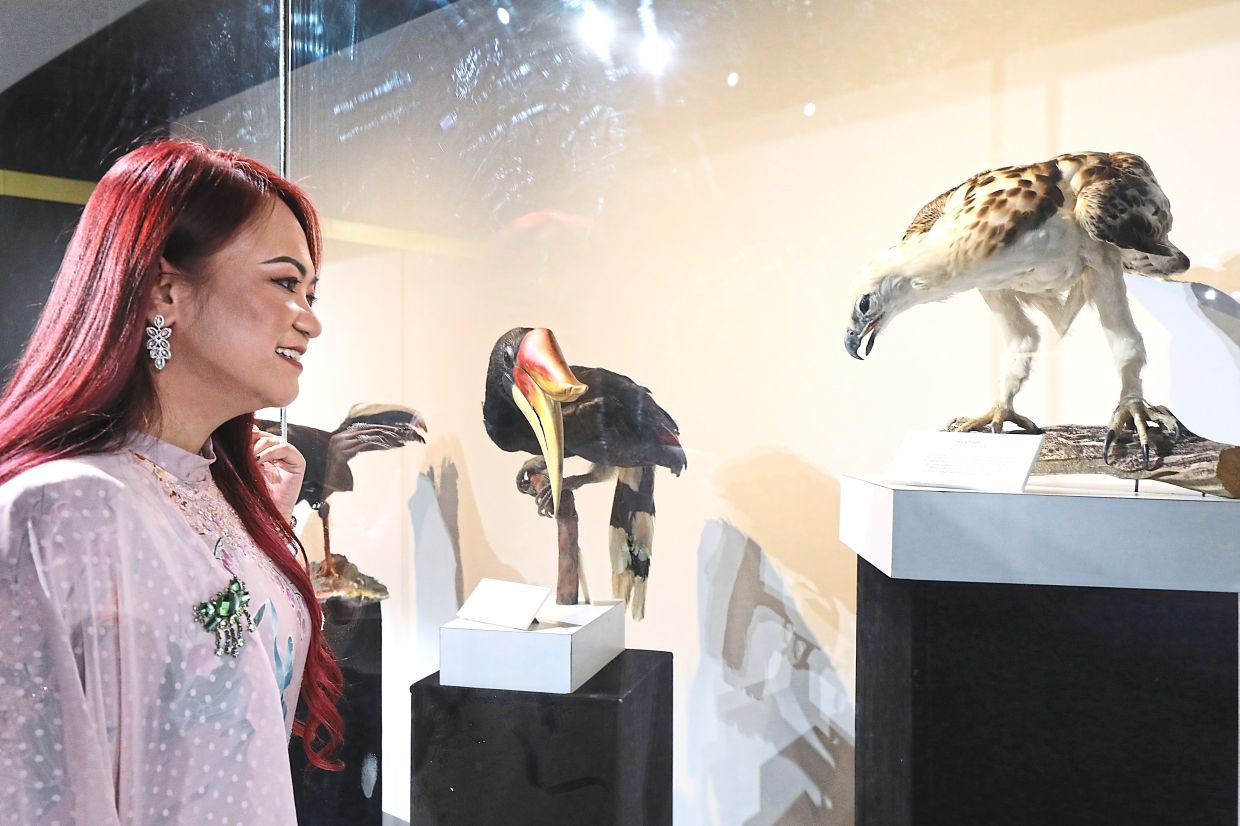
The Natural History Museum Virtual Exhibition enables visitors to explore selected specimens through VR technology and online access.
The exhibition comprises eight sections, covering the history of flora and fauna specimen collection since the 1880s, the evolution of Malaysia’s museum institutions, and displays on mammals, birds, herpetofauna, insects, marine life and medicinal plants.
The first phase features 120 specimens with 3D images, detailed descriptions, preservation videos and interactive quizzes.
Kamarul Baharin said the initiative would strengthen museums’ role as informal educational institutions.
National Unity Ministry secretary-general Datuk Haslina Abdul Hamid said the programme reflected the ministry’s efforts to transform museum services through digital innovation.
“This programme demonstrates that knowledge about the nation’s heritage should not be confined to physical spaces alone.
Instead, it should be brought closer to the public through digital platforms that are accessible and interactive,” she said.