
KNOWN as Johor’s textile town and home to the iconic foothills of Gunung Ledang, Tangkak is shaping up to be one of the constituencies where bread-and- butter issues are expected to outweigh political rhetoric in the upcoming Johor state election.

The constituency has long been regarded as a closely watched battleground, with its diverse electorate often requiring candidates to appeal across communities rather than relying on a single voting bloc.
As campaigning intensifies ahead of polling day, residents say issues that matter most to them are improving healthcare, creating better-paying jobs, attracting investment and revitalising Tangkak’s traditional commercial centre.
Among the biggest concerns is access to healthcare, particularly specialist services that are currently unavailable in the district.
Former lorry driver M. Sashikimar, 46, said his life changed three years ago after he was seriously injured in a road accident.
The father-of-three suffered severe injuries, particularly to his head, leaving him with mobility problems that prevented him from returning to work.
“My wife is now studying to become a nurse in Batu Pahat to support our family while I continue my treatment,” he said.
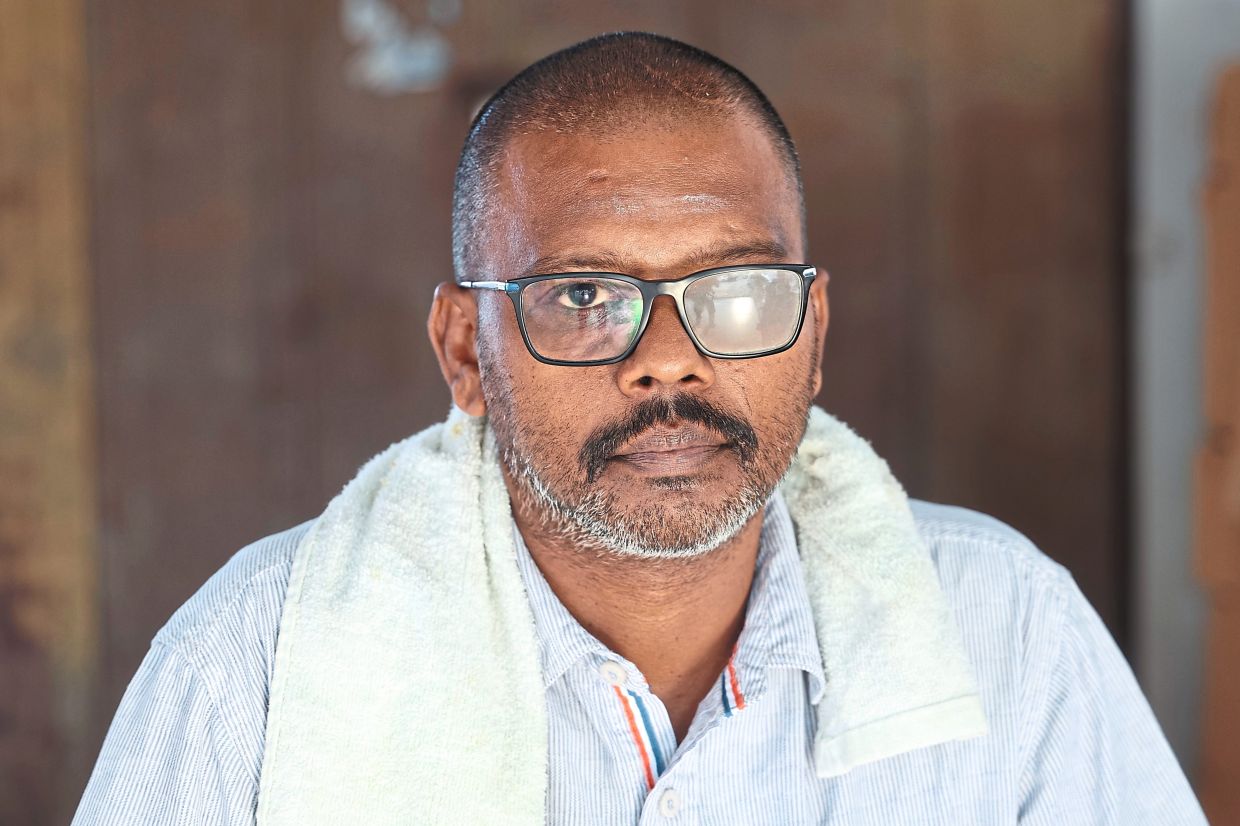
Sashikimar said one of the biggest challenges he faces is having to travel to Hospital Sultanah Aminah in Johor Baru for physiotherapy every four months.
“The journey is very far and expensive,” he said.
“I hope Hospital Tangkak can eventually provide physiotherapy services so that patients like me do not have to travel all the way to Johor Baru.”
He added that having the service available locally would ease the financial burden on patients and make follow-up treatment more accessible.
Employment opportunities are also emerging as a major concern for residents.
Housewife Nur Aisyah Mohd Yusof, 65, said many young people continued to leave Tangkak because there were not enough quality jobs.
She said two of her three children now work in Kuala Lumpur while the other is employed in Johor Baru.
“I hope more investment can be brought into Tangkak so that our young people no longer have to leave their families behind just to earn a living,” she said.
She added that attracting new industries and businesses would not only create employment, but also allow children to remain close to their ageing parents.
Like many parents in the district, Nur Aisyah believes economic development should focus on creating long-term career opportunities for the younger generation.
Reviving Tangkak’s once-thriving town centre is another issue frequently raised by residents.
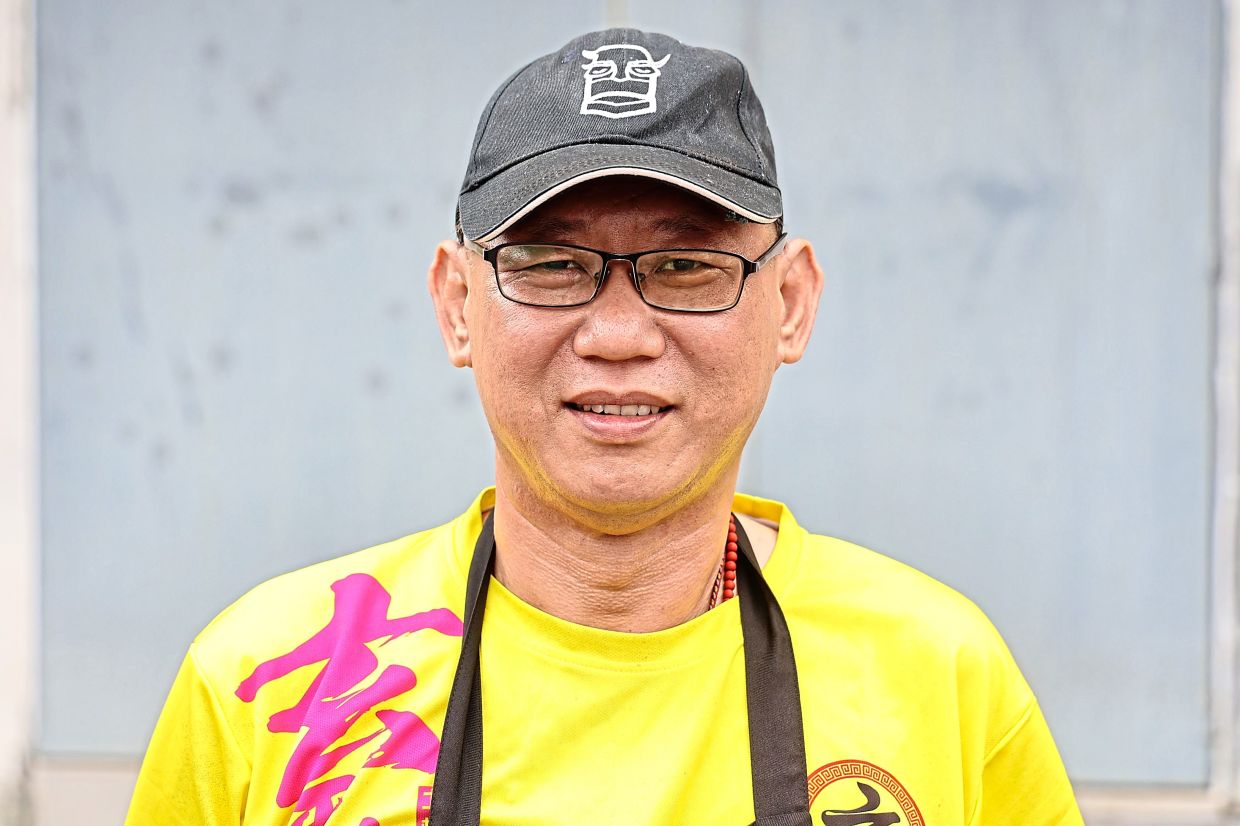
Trader Hon Kim Wang, 48, who sells drinks at the Tangkak bus and taxi terminal, said business never fully recovered after many express bus services were relocated to a newer terminal outside the town.
He recalled that the old terminal was once bustling with buses, taxis, shoppers and tourists.
“Tangkak used to be famous for selling textiles.
“The roads were always congested because so many people came here,” he said.
However, Hon said the relocation resulted in fewer visitors entering the town centre, forcing many traders to move elsewhere.
“Many traders left for other food courts. Those of us who stayed are struggling because there are very few customers.
“I hope something can be done to bring economic activity back to this terminal,” he said.
Despite the quieter atmosphere, many traders believe Tangkak’s identity as a textile hub remains one of its greatest strengths.
Self-employed Muhammad Khairul Mohd Jamaluddin, 31, said shoppers still travelled from neighbouring districts, Kuala Lumpur and even Singapore to buy fabrics, especially during festive season.

He said business usually peaked in the weeks leading up to Ramadan when families shop for cloth to tailor Hari Raya outfits.
“Tangkak should not only be promoted as an eco-tourism destination, but also as a textile shopping destination because that is what many people know us for,” he said.
Residents believe that combining Tangkak’s reputation for textiles with its natural attractions, while bringing in new investment and improving public services, could help restore the district’s economic vibrancy.
The Election Commission has set July 11 as polling day for the 16th Johor election, with early voting on July 7.
Johor last held a state election on March 12, 2022, when Barisan Nasional secured a two-thirds majority after winning 40 of the 56 seats.
Pakatan Harapan won 12 seats, Perikatan Nasional secured three seats while Muda won one.