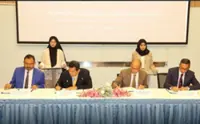
New KLSICCI chief follows in father, grandfather’s footsteps, plans to bring AI into Indian businesses
MANY Malaysians have inspiring rags-to-riches stories from the time their ancestors first arrived in the country with almost nothing in their pockets and went on to build successful business empires.
There are also exceptional individuals who have not only broken the cycle of poverty through hard work, but have helped others build successful careers in business and given back to society.
One such person was VK Kalyana Sundram, who arrived in Slim River, Perak, from Tiruvarur, India, in 1936 and eventually became a textile tycoon in Malaysia.
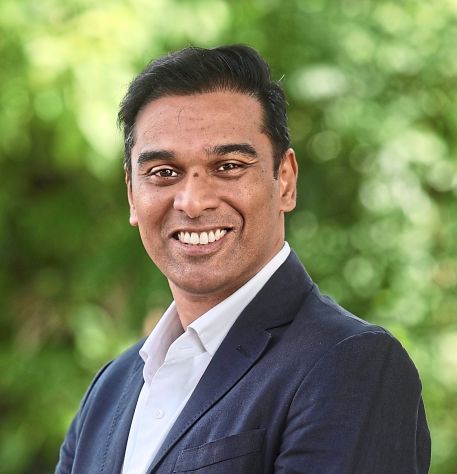
His grandson, VKK Rajasekaran, who is now overseeing the family business, was recently elected president of Kuala Lumpur & Selangor Indian Chamber of Commerce and Industry (KLSICCI).
Serving as president has always been a dream of Rajasekaran, who envisions bringing at least 100 micro-enterprises into the chamber as part of his goal.
“My grandfather came with very little. He took up jobs sweeping roads when he arrived in this country at just 14, with nothing to fall back on.
“He worked very hard and earned the trust of the community he lived in,” said Rajasekaran.
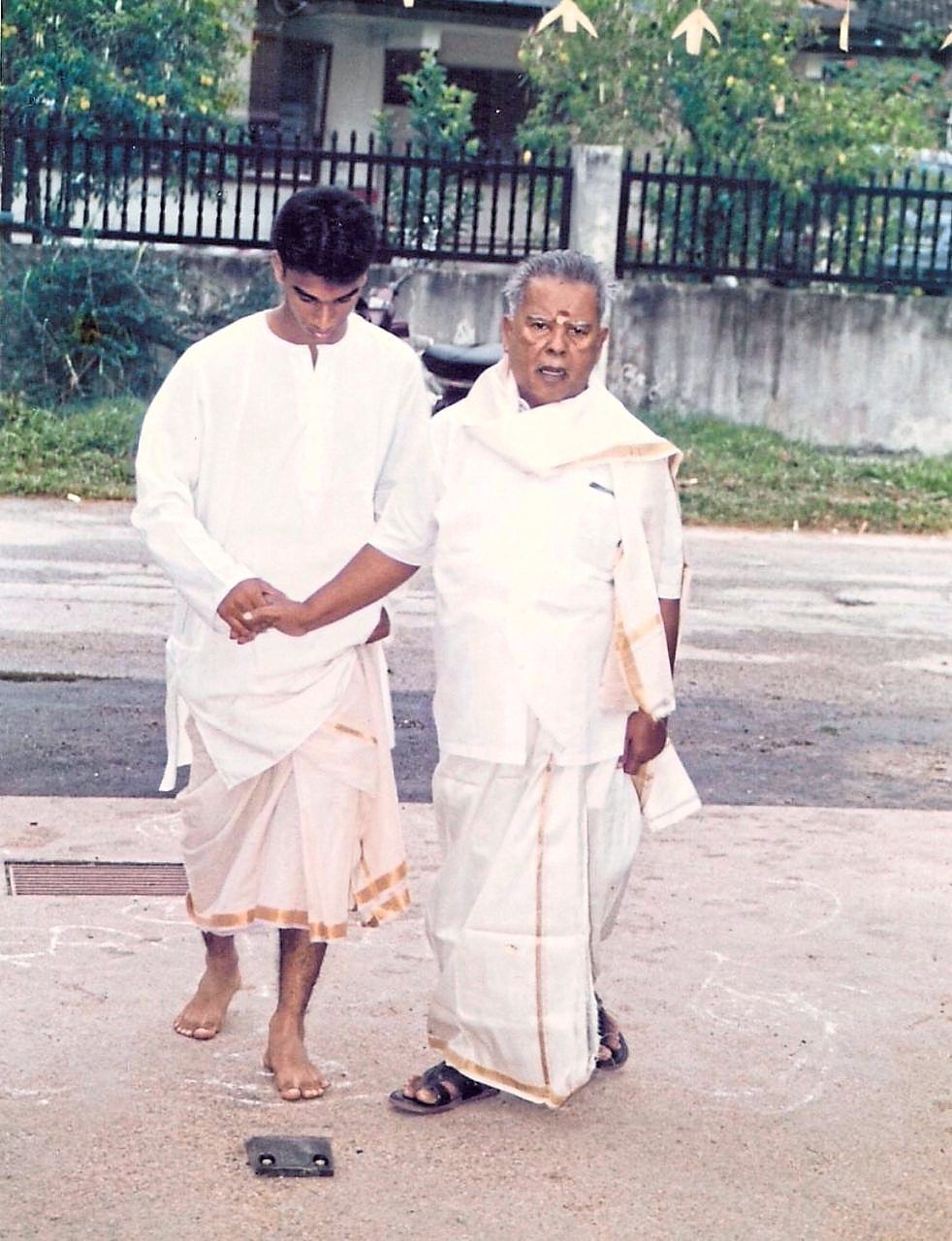
“He bought shoplots, recognised the demand in the textile business and ventured into it.
“Many managers from his textile shops later went on to establish their own successful textile businesses, among others.”
Rajasekaran’s father Datuk VKK Teagarajan was KLSICCI president from 1986 to 2012, as well as being former president of Malaysian Associated Indian Chambers of Commerce and Industry from 1990 to 2000.
Rajasekaran said the outstanding quality of both his grandfather and father was that they not only grew their business, but also shared their knowledge and inspired others to start businesses of their own.
Kalyana Sundram, he said, was a forward-thinking entrepreneur who saw the potential in acquiring oil palm estates and encouraged others to venture into this too.
Despite his reputation and influence among the people there, Kalyana Sundram never held any position in an association.
Instead, he preferred to focus on community outreach, including providing educational assistance to thousands of needy students, he added.
Rajasekaran believes it is important for the Indian business community to unite and have its voice heard, while ensuring that national policies are tailored to address its challenges and support business growth.
He wants the government to listen to the business community when formulating business-friendly policies.
“The government should hear our voices too, as we contribute to the country’s coffers.
“If these businesses collapse, the government will also feel the impact.
“Some industries, such as goldsmithing, barbering, textile and food depend on foreign workers,” he said, hoping the government would put special focus on manpower matters.
He also called on textile trade fairs to be held during non-festive seasons as such activities hurt the local market during that period.
“Local businesses are taxpayers and bear monthly overhead costs, including staff salaries and rental expenses.”
Rajasekaran also hopes to introduce artificial intelligence (AI) technology and digitalisation initiatives to Indian-owned businesses to help them keep pace with changing times.
“We want to bring more young people into KLSICCI and create a healthy business community where knowledge is shared freely for the benefit of everyone.”
He plans to recruit more members for KLSICCI, which now has 800 members.
Born in Ipoh, Perak, Rajasekaran holds double degrees in Computing and Law, and a Masters in Business Administration.
He recently completed his Bar training in the United Kingdom.