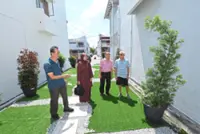
FROM forgotten back alleys to concrete monsoon drains, communities are reclaiming public spaces and turning them into vibrant neighbourhood hubs.
Driven by placemaking – a design approach that prioritises local community needs to create inclusive public spaces –residents and local councils are working together to breathe new life into underutilised space.
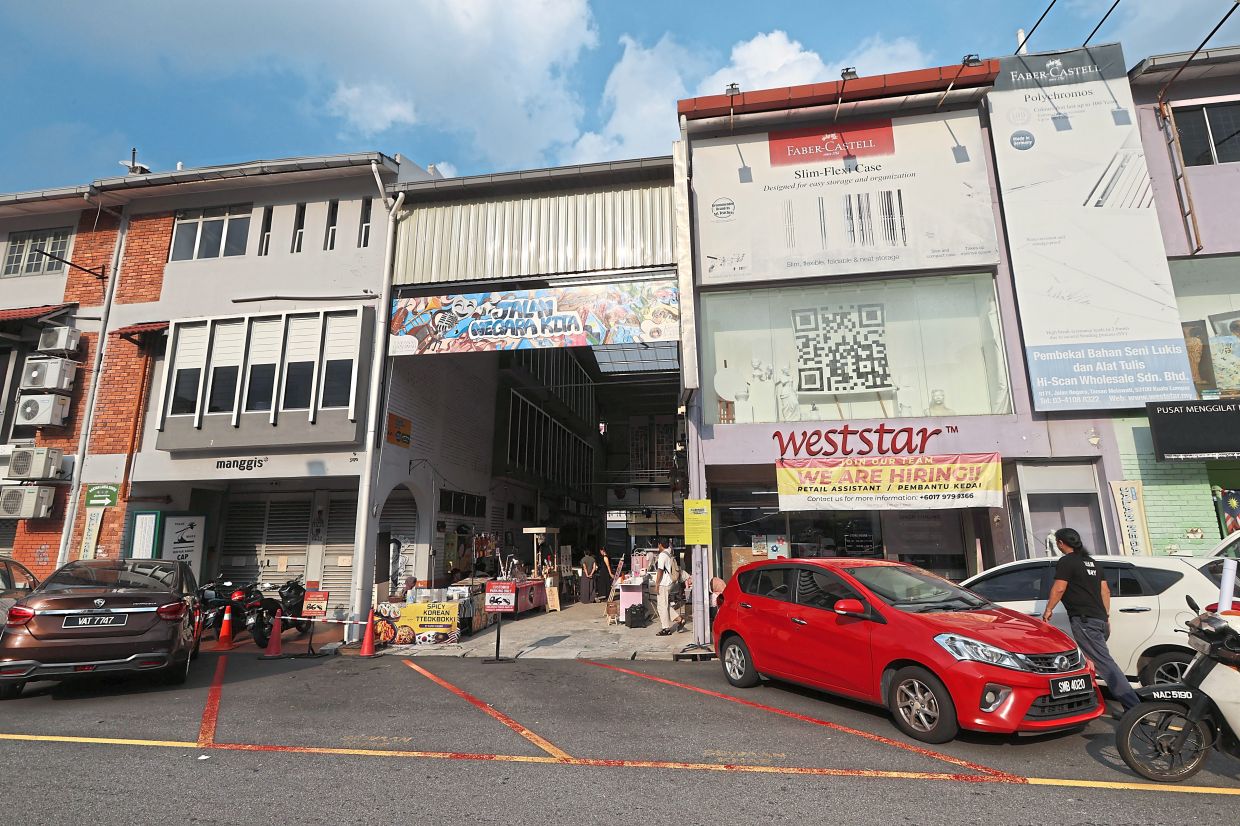
Jalan Negara Kita in Taman Melawati, Kuala Lumpur, is a prime example of a grassroots project transformed into a thriving community space.
Placemaking Malaysia, a chapter under the Malaysian Institute of Planners (MIP), described Jalan Negara Kita as a community-led, organic evolution that began not with infrastructure, but with small, personal acts of gathering that expanded through informal drumming and jam sessions.
“Rather than imposing a predetermined design, the founders first listened to what local residents, artists and neighbours naturally enjoyed, allowing activities like open mics, jazz nights and art workshops to emerge organically,” the Placemaking Malaysia committee said in a statement.
“Only after building genuine community engagement and demonstrating public demand did they approach the Ampang Jaya Municipal Council, which responded by providing enabling infrastructure – a simple roof to support the already- thriving activities.”
With the roof in place, the space became more comfortable for intergenerational gatherings.
Senior residents stepped in to lead cultural cooking programmes making bubur lambuk and tang yuan, thereby passing down traditional knowledge while strengthening community bonds.
“This bottom-up sequence of activity first, then place, then formal support, and finally deeper community engagement, transformed a forgotten alley into an inclusive, artistic and sustainable urban hub where streets truly become stories and communities grow stronger,” said the committee.
The former side lane regularly hosts live music performances, art and creative sessions, bazaars and community events run by residents.
Jalan Negara Kita won the Placemaking and Public Space (Community-Led) title at the MIP Awards in 2025.
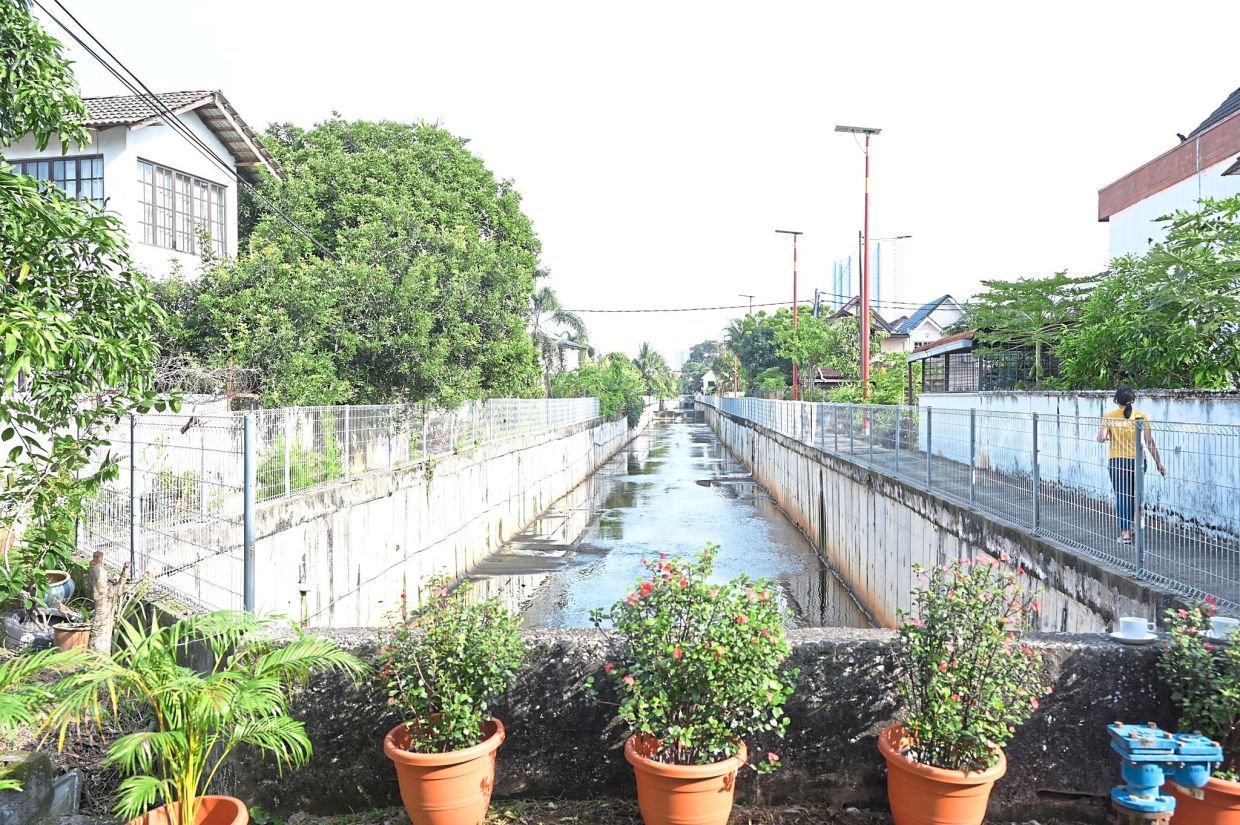
The Denai Hijau @ Lengkok Golf SS7 initiative is a proposed urban corridor development project to upgrade the monsoon drain reserve area at Jalan SS7/9 into a safe and user-friendly community recreational space.
The green trail project will be carried out in the Lengkok Golf SS7 neighbourhood in Kelana Jaya, Petaling Jaya, by the Petaling Jaya City Council (MBPJ).
The plan includes building a 400m-long pedestrian path and jogging track, installing benches and lighting, and improving safety elements while maintaining the natural ecosystem and existing biodiversity habitats.
Ultimately, the project aims to “activate” the vacant reserve by turning it into a multi-functional and aesthetically pleasing community asset.
MBPJ held an engagement session with the local community of Lengkok Golf SS7 in April 2026 to obtain residents’ views and feedback on the proposed design, as well as to foster a sense of ownership among them.
“The project’s initial proposal was presented by Universiti Teknologi Mara urban planning lecturer Dr Raja Norashekin Raja Othman, who highlighted an urban development approach based on community well-being,”MBPJ said in a statement.
The Denai Hijau @ Lengkok Golf SS7 project is expected to be completed in October, marking one of MBPJ’s core initiatives to strengthen its sustainable, inclusive, and community-oriented urban development agenda. — By JADE CHAN