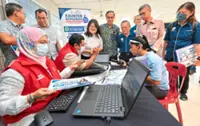
SEVERAL homeless folk, during a rescue operation carried out by the Penang Welfare Department, called the state a “food paradise” abundant with free meals.
According to them, they were able to eat up to 12 times a day, thanks to meals distributed by generous individuals, charitable groups and religious organisations at various locations around George Town in Penang.
It has been observed that during weekends and major festivals, as many as seven or eight groups hand out food, around noon, with many homeless folk collecting multiple meal packs.
The free food distribution carries on later in the day with more groups heading to the city to offer meals.
Some organisations even engage hawkers to prepare food for distribution to the public.
However, the lack of coordination has led to food wastage and cleanliness issues, particularly around the Goddess of Mercy Temple along Jalan Masjid Kapitan Keling and the Komtar Bus Terminal.
Some recipients have been spotted discarding meals by the roadside after finding the food unappetising or not to their taste.
In some cases, food waste is dumped on the ground instead of being disposed of properly.
Others take several portions but consume only their preferred dishes or meat, leaving rice and other items uneaten.
Their careless behaviour contributes to pollution while attracting crows, pigeons and rats.
Safety concerns have also been raised over roadside food distribution activities that cause traffic congestion and disrupt traffic.
Food aid concern
International Society for Krishna Consciousness (Iskcon) Gelugor Branch members have been providing about 150 free vegetarian meals in front of the Goddess of Mercy Temple every Saturday for the past 20 years.
One volunteer, 59-year-old consultant K. Jayaraman, who usually drives the van transporting the food, also helps in the distribution.
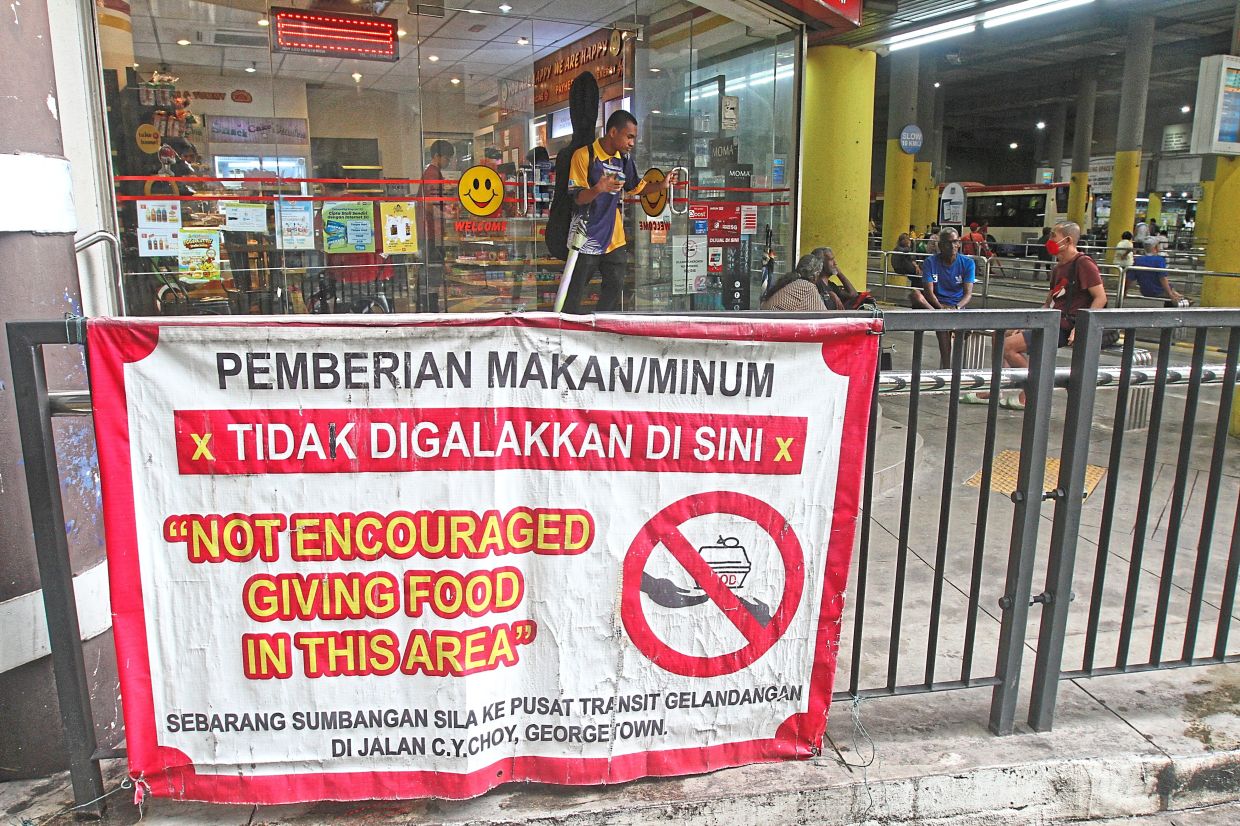
He said many people were familiar with the weekly distribution, including the homeless, local folk and foreign tourists passing through the area.
“Every Saturday, people wait for us. Regardless of race or background, they can take one or two packets,” he said.
“We remind them not to waste food and to take only what they can finish.
“Some even ask for just rice, and we oblige. Our goal is to make people happy.”
He added that some people took up to four packets of food, while those working in the area might collect about 10 for their colleagues who would later make donations to Iskcon.
Jayaraman said people would donate rice which the temple used in food preparation.
“After cooking, we perform prayers, asking for blessings for the people,” he said.
When asked about concerns over excess donations leading to food waste, Jayaraman said: “We enjoy helping people by giving out hearty meals.”
A tourist, who declined to be named, said although food distribution efforts were well-intentioned, the area was often left littered afterward.
“You can see leftover food discarded on roads or thrown into drains with pigeons feeding on it.
“This is unhygienic, especially as pigeons may pose health risks.
“It is even more concerning that this taking place within the George Town Unesco World Heritage Site enclave,” he said.
Food aid management
Penang Green Council (PGC) chief executive director Josephine Tan said the issue of food waste and littering arising from free meal distribution, touched on cleanliness, social responsibility and prudent resource management.
She said PGC had been actively promoting environmental awareness and education since 2011.
Everyone has a collective duty to maintain public areas, she said.
Food distribution activities, Tan emphasised, should be better coordinated to prevent oversupply and wastage.
“Donors should channel food contributions through proper centres such as transit homes, shelters and welfare homes.
“These centres are better equipped to match food supply with actual needs and minimise wastage,” she reasoned.
She said the issue required collective effort involving the government, donors, non-governmental organisations (NGOs) and the public.
“Only through cooperation and greater awareness can welfare needs be balanced with environmental cleanliness,” she said.
Tan added that PGC would continue collaborating with local authorities on education and public awareness programmes.
With the Community Service Order set to take effect on July 1, those caught littering will be required to carry out cleaning duties in public areas, including sweeping streets and collecting rubbish.
Unregulated food distribution
Penang social development, welfare and non-Islamic affairs committee chairman Lim Siew Khim said the area outside Komtar Bus Terminal and the Goddess of Mercy Temple had long been popular spots for free food distribution.
She said some Good Samaritans still distributed food there despite repeated calls by the state government for donations to be channelled through Penang Transit Centre for the Homeless in Jalan CY Choy.
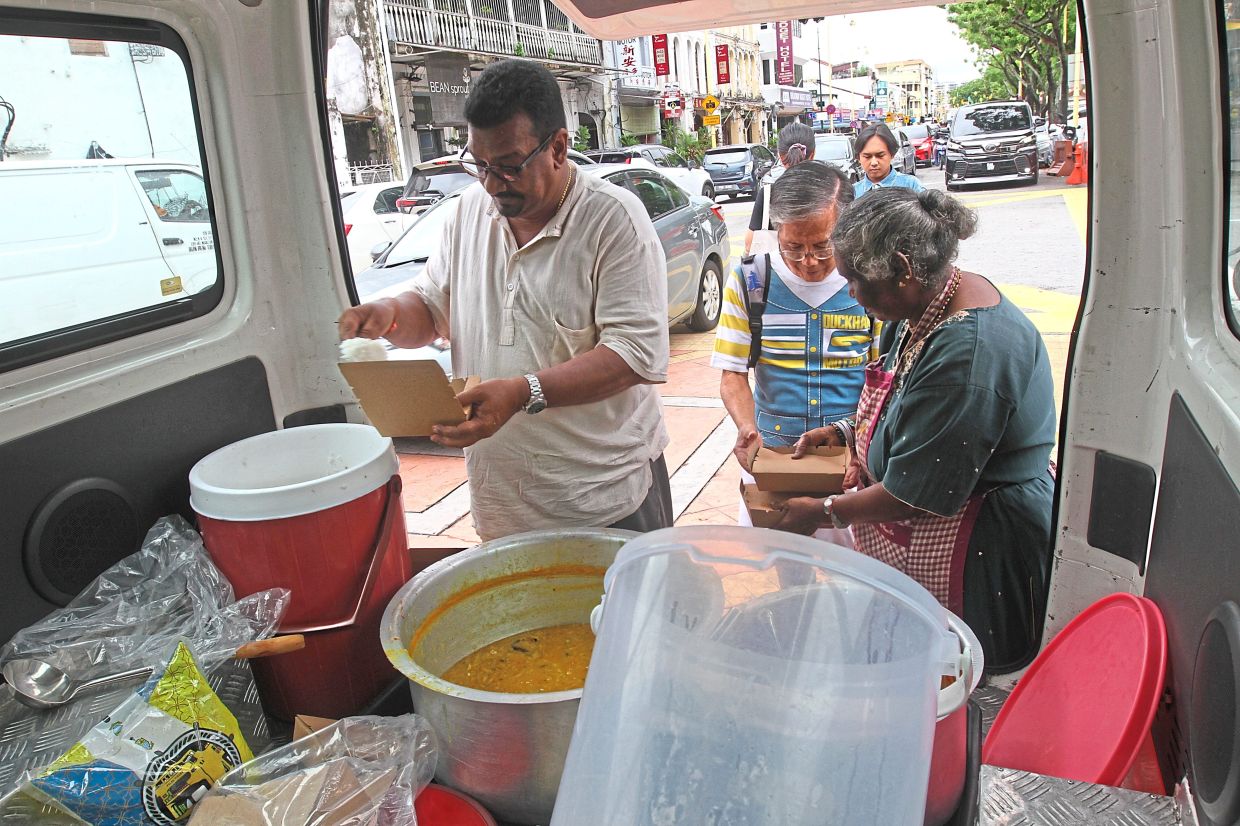
“A banner has been put up near the Komtar Bus Terminal reminding people not to hand out food in the area,” she said.
Lim noted that at times, more than 10 groups could be seen distributing food in a day.
“Some people take more food than they can finish and end up throwing it away,” she said.
“This attracts rats and crows, causing pollution.
“The crowds rushing to collect food can cause traffic congestion and is a safety concern.”
Lim urged donors to send food to the transit centre, orphanages and old folk’s homes to ensure assistance reached those genuinely in need.
“Most people responded positively to our call,” she said.
However, a small number persisted in distributing food at those public sites, she added.
Lim said some parties criticised the authorities for allegedly obstructing charitable acts.
“In reality, we only want food distribution to be better organised so that it can genuinely benefit people in need,” she said.
On the continued food distribution outside the temple, Lim said the matter would be discussed with the Kong Hock Keong board of trustees to explore a more effective solution.
Transitioning off streets
Established in September 2023, the transit centre offers far more than just a hot meal and a place to sleep.
It is a sanctuary for hundreds who have found themselves temporarily adrift – not always because of poverty but often due to fractured family ties.
Lim said the transit centre prepared two to three free meals daily for those in need.
Besides residents at the centre, senior citizens living nearby can have their meals there too.
Lim said 209 people who stayed at the transit centre had secured jobs while 141 others had found new accommodation or returned to their families.
Some of those rescued were not only poor, but also faced mental health and drug-related issues requiring further action by Health Ministry and the National Anti-Drugs Agency (AADK), she said.
“Some people sleeping in the outdoors actually have homes to return to.
“Others prefer wandering around or have left home following disputes with family members,” she explained.
The centre has 88 beds and typically accommodates about 50 residents at any one time.
Lim said some job-seekers from outstation stayed there temporarily before moving out upon securing employment.
“There are also former residents, working and residing elsewhere, who return to visit us.
“Some even buy food for the centre and help connect others with job opportunities,” she said.
Lim said the Welfare Department (JKM) was the main agency empowered under the Destitute Persons Act 1977 to manage the homeless.
JKM officers are authorised to rescue or detain (for protection purposes) individuals found begging in public places.
However, JKM’s jurisdiction is subject to the standard operating procedure for handling destitute persons, which does not apply to suspected mental health cases, chronic illnesses, or infectious diseases, said Lim.
JKM is also excluded from dealing with non-citizens, United Nations High Commissioner for Refugees (UNHCR) card holders, suspected drug addicts, and cases involving unauthorised fundraising.