A RIVER can be easy to ignore when it runs behind factories, homes and busy roads.
But when that river is part of a wider water system, its condition matters beyond the developments along its banks.
For Heineken Malaysia Bhd, this has meant looking beyond its Sungai Way Brewery to the rivers and catchments connected to its operations.
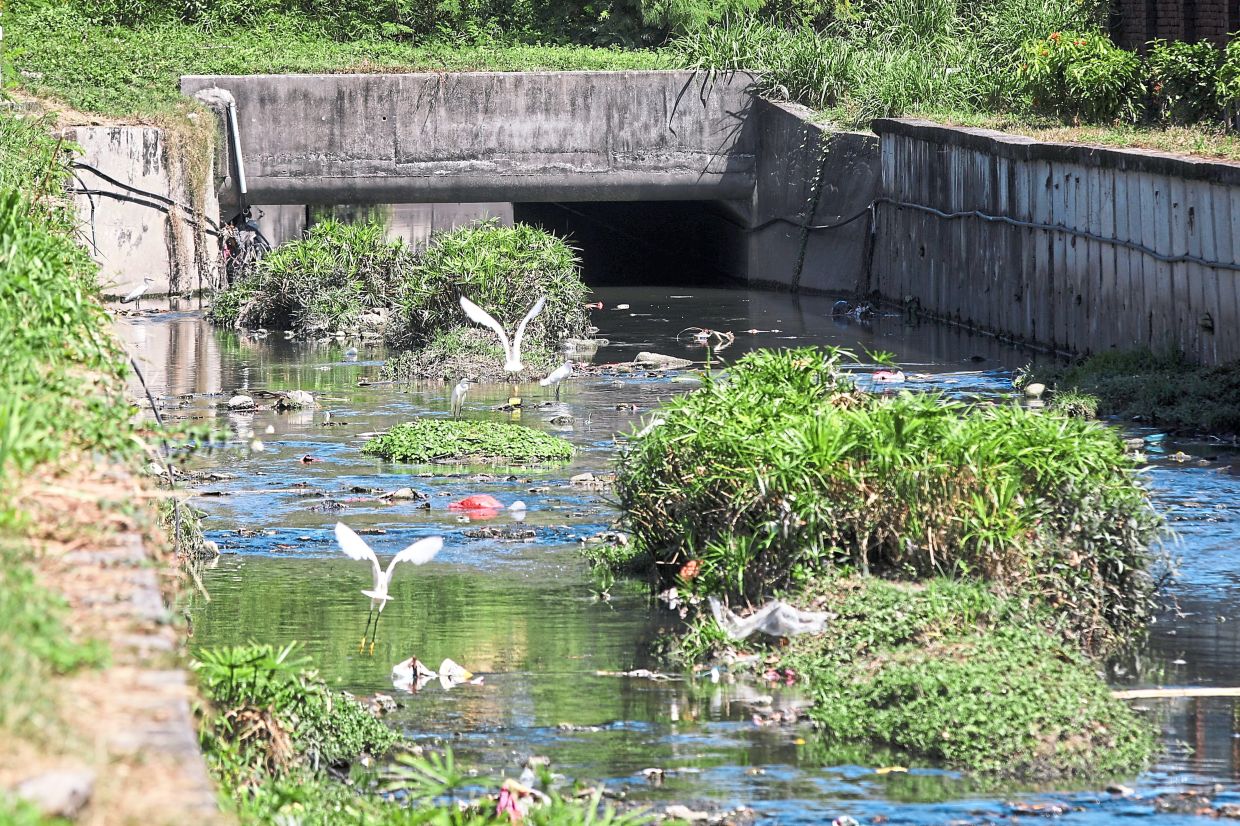
SPARK Foundation, its corporate responsibility arm, has worked with Global Environment Centre (GEC) on the W.A.T.E.R Project since 2007, starting with efforts to rehabilitate Sungai Way, a tributary of Sungai Penchala.
The project has since grown into a wider water stewardship programme covering community monitoring, watershed protection, rainwater harvesting and food security initiatives as well.
Heineken Malaysia corporate affairs and legal director Renuka Indrarajah said the company’s approach started with the tributary behind the brewery before expanding.
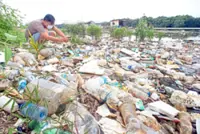
She said Sungai Way was “basically a dumping ground” with plastic bags and rubbish strewn along the river.
“Our goal was not only to rehabilitate that river, but to go beyond our watershed, the source of our water, and look at how to help rehabilitate that source.
“We also looked internally at what we could do to reduce our water consumption.”
Renuka said the project’s early years involved extensive community engagement by GEC, including going door to door to speak with residents near the river.
She said residents were also taken upstream to see cleaner sections of the river system so they could better understand how urban activity affected water quality downstream.
The Sungai Way effort later involved 22 communities and 26 government agencies, with a steering committee formed to coordinate stakeholders and resolve river-related issues.
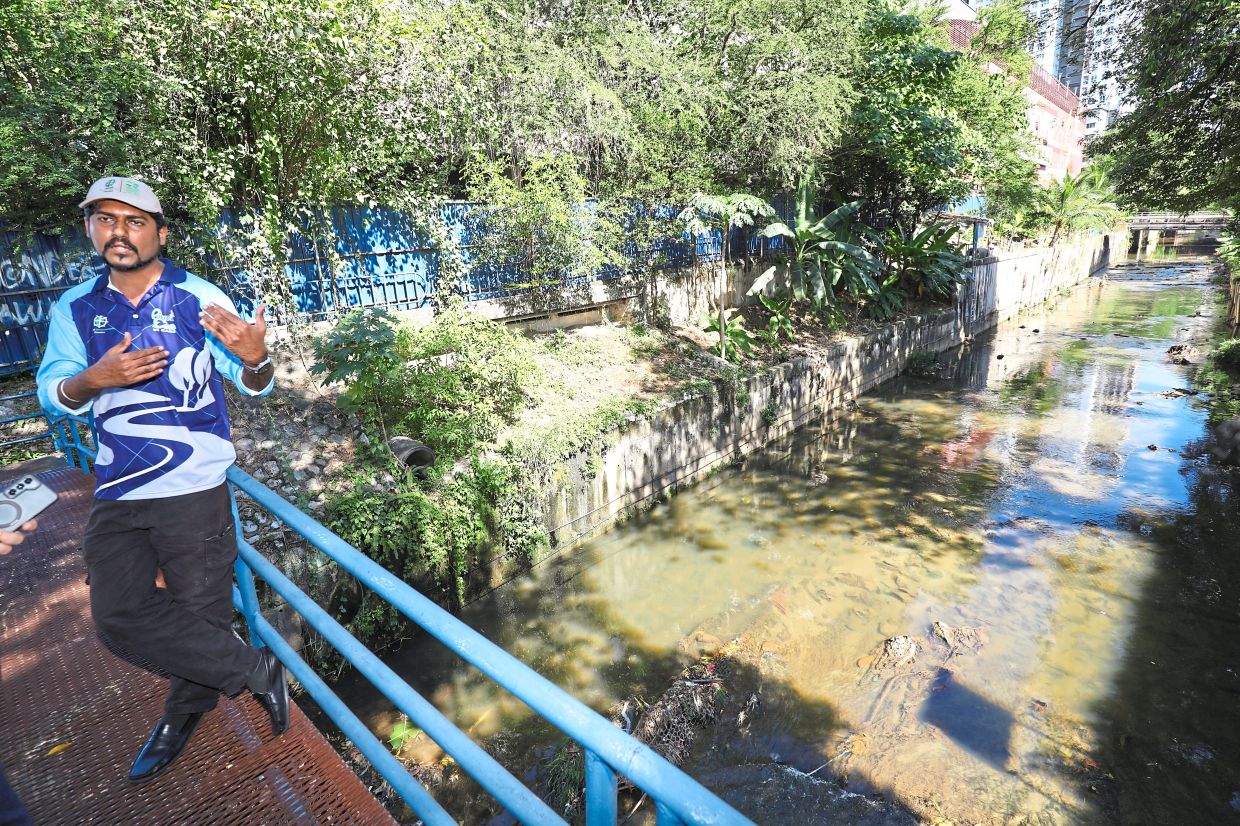
GEC River Care Programme coordinator Sathis Venkitasamy said Sungai Way has improved from Class IV to Class III, which GEC regarded as a realistic target for an urban river surrounded by dense development.
He said the project introduced clean-ups, community engagement, citizen monitoring and constructed wetland islands to bring natural functions back into the concrete-channelled river.
He said the return of fish, storks and dragonflies showed that biodiversity was gradually improving, although solid waste and upstream activity remained as challenges.
“Class I is for conservation of natural resources.
“For Sungai Way, we’ve set Class III as a practical target because it is an urban river.”
Sathis said the work along Sungai Way also shaped GEC’s wider community-based river care model, including efforts along Sungai Penchala.
In SS19, Petaling Jaya, a community garden has brought residents closer to the river on a regular basis and given them an opportunity to keep watch over it.
Residents monitor a 272m stretch of Sungai Penchala and report signs of rubbish, unusual water colour or suspected pollution through the Friends of Sungai Penchala network.
Sathis said community monitoring did not replace scientific checks by government agencies, but helped keep more eyes on smaller stretches of urban rivers.
Residents were also trained to carry out basic water checks using test kits for parameters such as pH, dissolved oxygen, nitrate, phosphate and temperature, he said.
GEC River Care Programme manager Dr Kalithasan Kailasam, a water and waste management specialist, said businesses have to address both internal and external aspects of water stewardship.
He said companies should not only support river or community projects, but must also improve their own operations, including water use, waste management and effluent discharge.
Renuka said Heineken Malaysia had reduced water
use at the Sungai Way Brewery from 4.32 litres for every litre of product in 2014 to 3.06 litres in 2024.
The company is targeting 2.6 litres by 2030.
Treated wastewater is reused for non-production purposes such as cleaning and gardening, while biogas generated from the treatment process contributes about 4% of the brewery’s thermal energy.
She said Heineken Malaysia had also achieved more than 200% water balancing since 2020 – meaning the company has replenished more water into the environment than the volume used in its products.
Beyond Sungai Way and Sungai Penchala, the W.A.T.E.R Project includes work in the Sungai Selangor catchment, an important water source for the state.
This includes the construction of a 305m clay dyke and reforestation of degraded peatland to help retain water in the soil and reduce the risk of peat fires.
The project includes 33 rainwater harvesting systems linked to community gardens and water access projects in Peninsular Malaysia as well as Sabah and Sarawak.
Sathis said urban rivers still need both community participation and enforcement because not all pollution sources can be addressed by residents.
“The bottom-up approach is important but it cannot work by itself.
“We still need the top-down approach because some issues are beyond the community’s control,” he said.