
By the banks of Sungai Klang near Bangsar, Kuala Lumpur, a thriving community garden stands where a wasteland once festered.
Along this 330m stretch of riverbank, banana trees and pineapple plants flourish alongside ornamental red-leaf shrubs, with tall trees providing a canopy of leafy shade.
Visitors to this green oasis close to Jalan Abdullah Hukum bridge at the Bangsar-Petaling Jaya Bypass, would be surprised to learn that just seven years ago, it was an illegal dumping ground.
“The rubbish was up to a metre deep,” said Kennedy Micheal, founder of Alliance of River Three (ART).
The local environmental group has been mobilising volunteers to carry out weekly cleanups there since March 2019.
Kennedy said ART volunteers removed about 6,000kg of rubbish from an area roughly equivalent to 11 parking bays.
“Unlike now where we use stairs built by Kuala Lumpur Drainage and Irrigation Department, volunteers had to haul rubbish up a 4m ladder to a dumpster about 100m away at Abdullah Hukum Apartment, our project partner at the time.
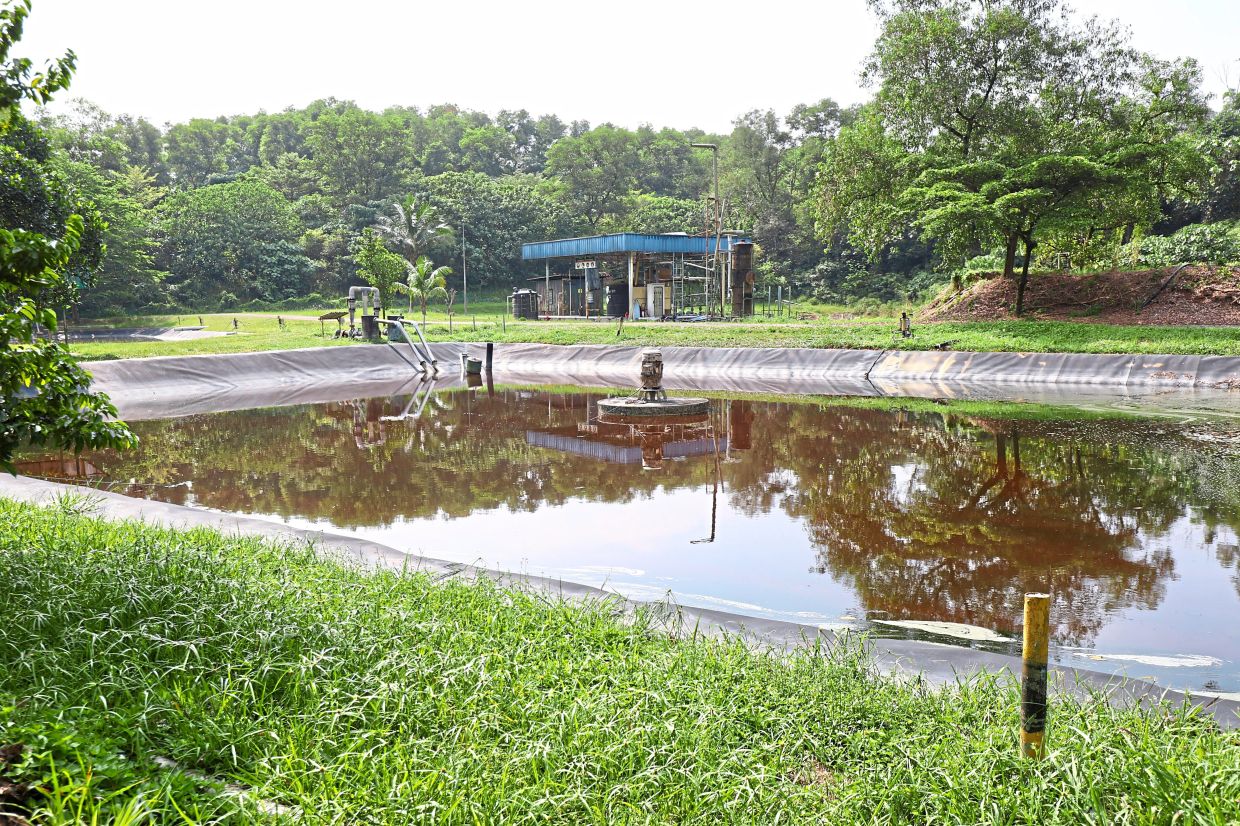
“On average, about 20 volunteers, including a 78-year-old, turned up every Sunday for six months,” said Kennedy.
While the Sungai Klang riverbank cleanup is a community-led success story, transforming large-scale landfills into green spaces requires massive industrial intervention.
Worldwide Holdings Environment Division chief operating officer Danial Liew said the cost of rehabilitation was always in the millions, depending on the site’s size.
A subsidiary of Selangor State Development Corporation (PKNS), Worldwide Holdings constructs, operates and manages the aftercare of landfills.
The company has safely closed five former waste sites to date, three dumpsites and two sanitary landfills.
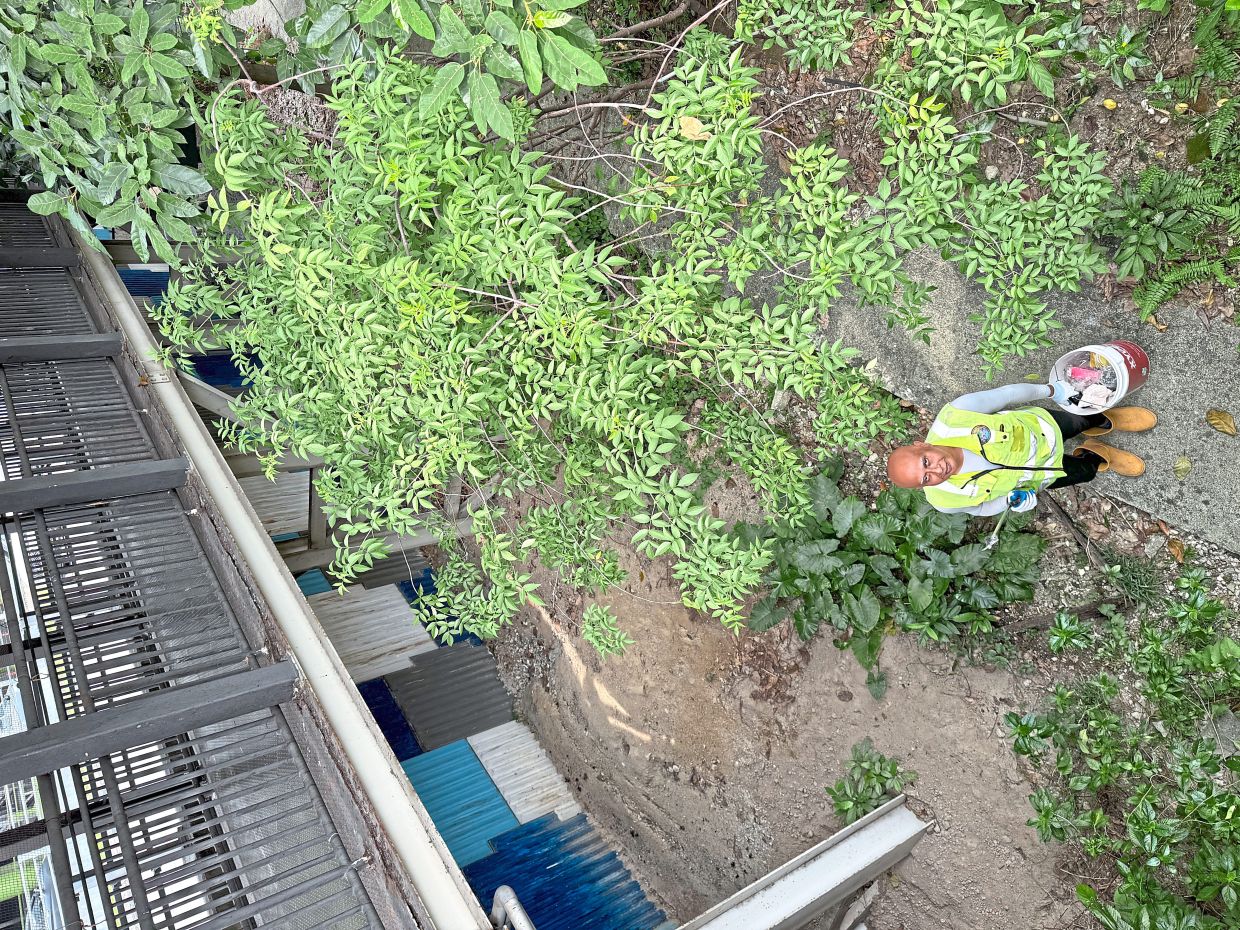
The dumpsites are in Sungai Kembong in Beranang, Hulu Langat; Alam Impian in Section 35, Shah Alam, and Ampar Tenang in Kota Warisan, Dengkil.
The two sanitary landfills are at Kubang Badak in Bestari Jaya, Kuala Selangor and near the 40ha Ayer Hitam Forest Reserve in Puchong, which is the only one that has been granted park status.
Explaining the technical difference between a sanitary landfill and a dumpsite, Liew said the former is designed with an impermeable membrane and environmental monitoring systems to contain waste and prevent leachate from contaminating groundwater.
A dumpsite, he said, is an open area where rubbish is piled without proper containment or environmental safeguards.
“Some dumpsites were also previously used by local governments for waste disposal prior to the development of sanitary landfills,” he added.
One solution for a dumpsite, Liew said, involved building a bund around the waste for containment purposes.
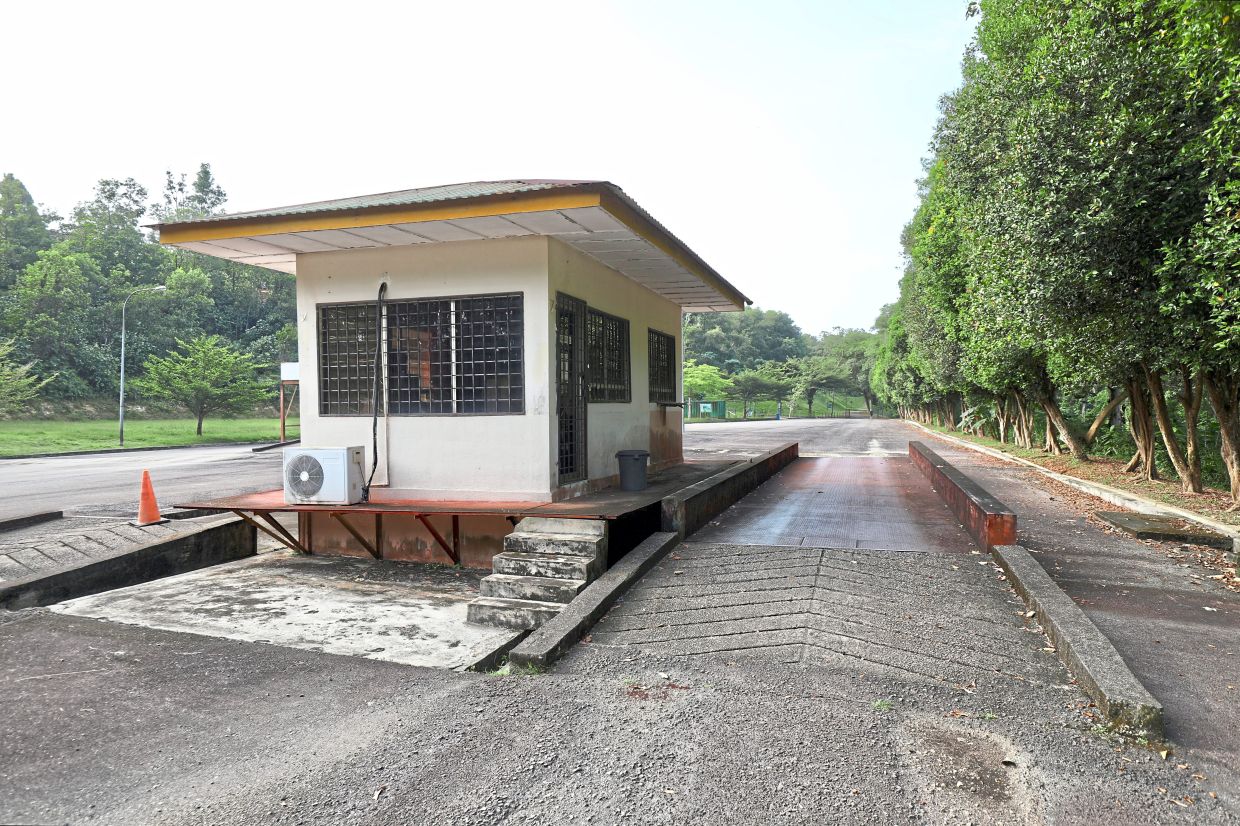
“Engineers will have to assess how wide and deep the rubbish is and check for water level encroachment.
“Heavy machinery is required to push the mountains of rubbish into a place where they can be safely capped, where pipes are installed to treat gas and leachate,” he added.
Another option involves excavating all the waste and transporting it to a modern landfill.
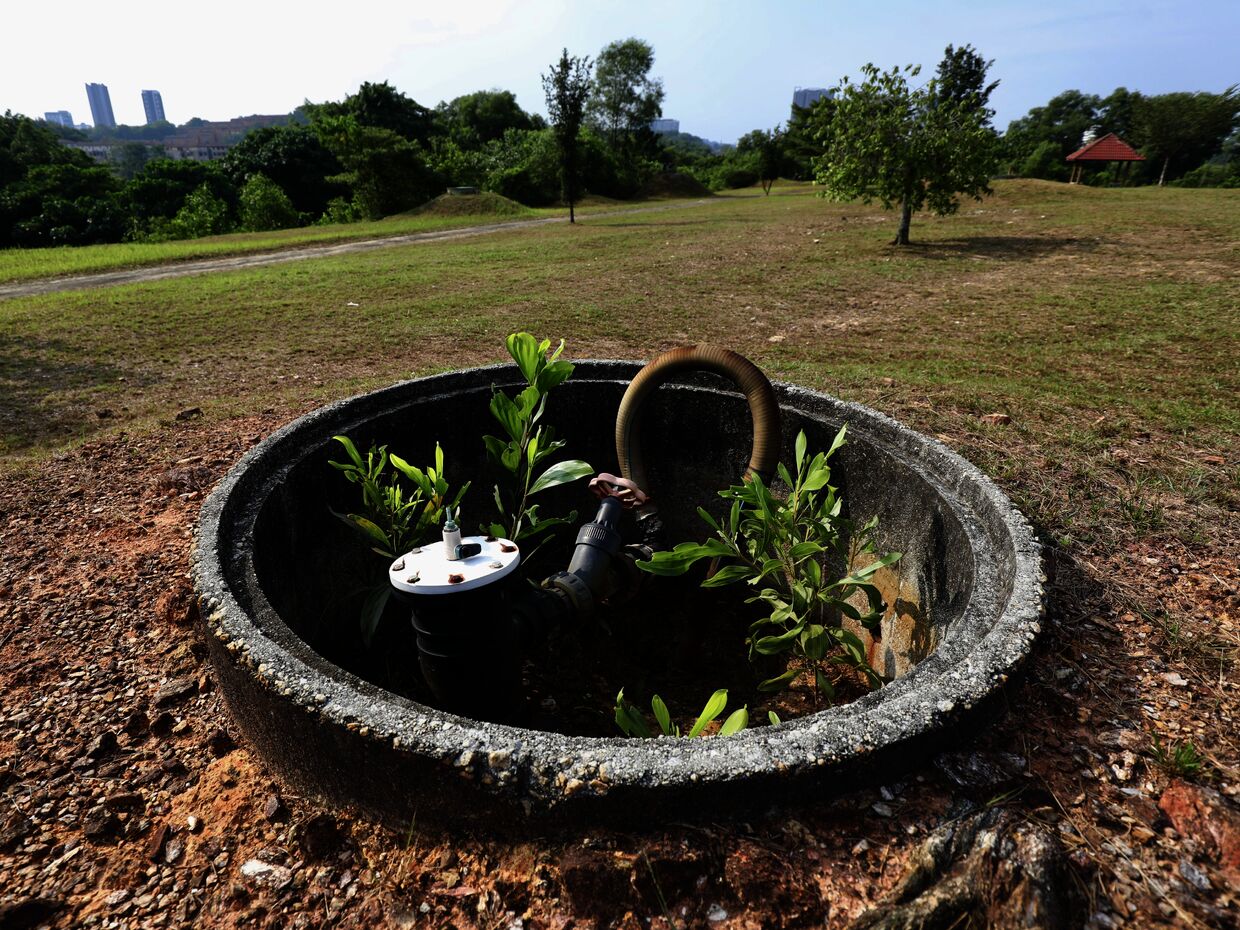
On the Puchong landfill-turned-park called Worldwide Landfills Park, Liew said the facilities there included a children’s play area, gazebos and jogging trail.
According to Worldwide Holdings’ website on the park, its post-closure maintenance and rehabilitation of the site cost RM21mil.
Liew said this was partly funded by tipping fees collected during its operations.
“It was Malaysia’s first engineered sanitary landfill, started in 1995 and closed in 2006.
“There are about six million tonnes of rubbish buried beneath the park.”
Liew added that even closed sites needed constant management to handle the leachate and gas emissions, especially methane from the landfill.
“Methane, a greenhouse gas 23 times more harmful than carbon dioxide, is produced as organic waste – which makes up about half our rubbish – decomposes.
“At the park, wells collect the methane and channel it to our power plant, which generates electricity for the Tenaga Nasional Bhd grid,” he said.
Liew, however, said development on the park land remained restricted due to ground instability – the buried rubbish mass might shrink or shift – and the presence of the membrane lining.
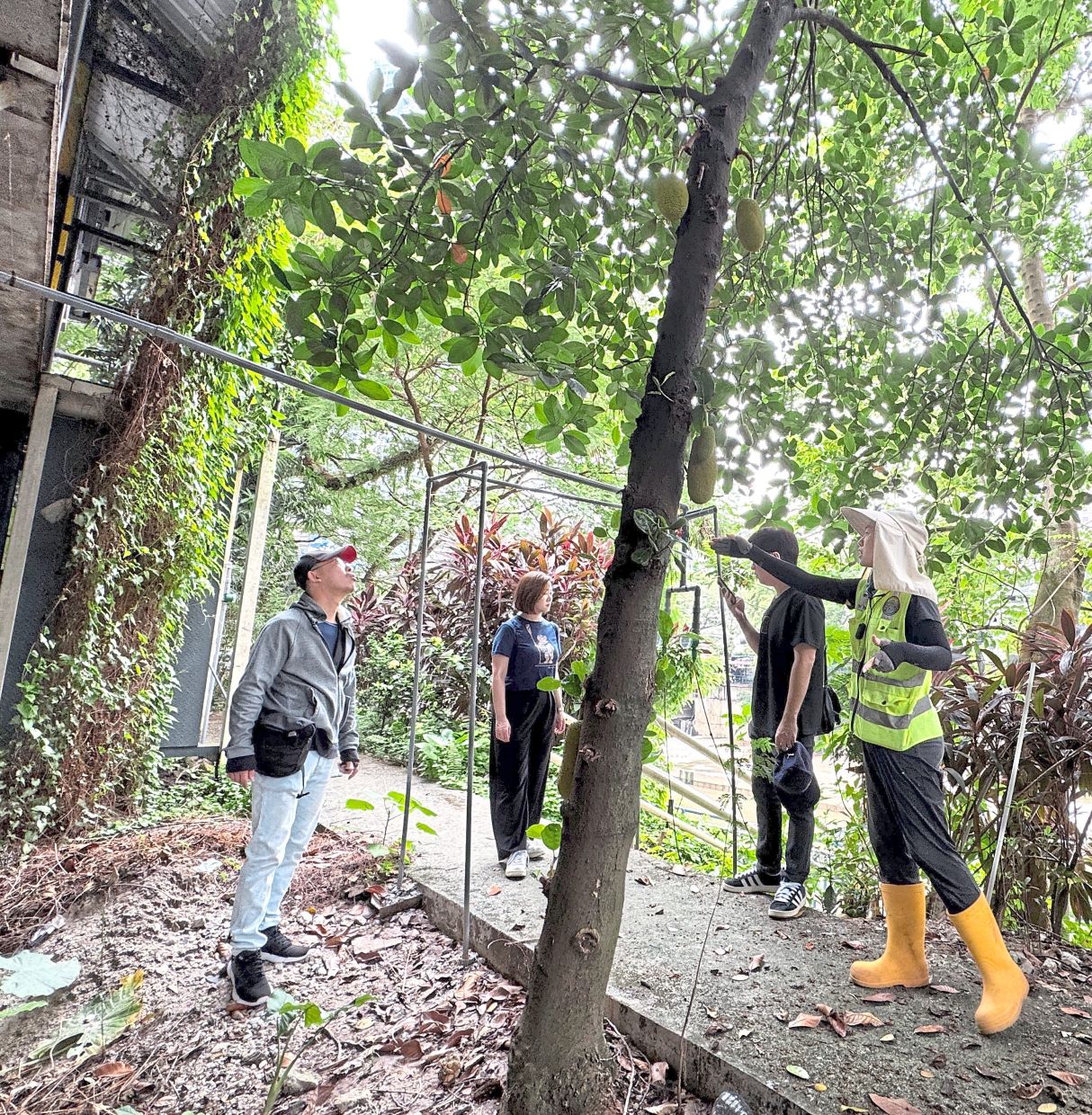
“Trees with a deep root system cannot be planted as they could penetrate and damage the membrane.
“We can only plant grass.
“The tall trees visitors see are outside the boundary of the landfill, away from the membrane liner,” he explained.
While there are no plans as yet for further construction, Liew did not discount the possibility that the value of the site might see enough exponential growth to warrant extracting all six million tonnes of waste to make way for permanent structures.
Currently, active landfills handling municipal waste under Worldwide Holdings are in Jeram (Kuala Selangor), Tanjung Dua-belas (Kuala Langat), Sungai Sabai (Hulu Selangor) and Pan-chang Bedena (Sabak Bernam).
The company also manages inert waste landfills for construction and garden waste in Dengkil, Kuang and Sungai Tua (formerly Sungai Kertas).
According to a Solid Waste and Public Cleansing Management Corporation (SWCorp) representative, there are 10 sanitary landfills, 12 non-sanitary landfills and one incinerator plant under its purview across Johor, Melaka, Negri Sembilan, Pahang, Kedah, Perlis, Kuala Lumpur and Putrajaya.