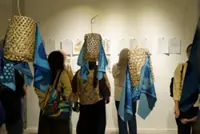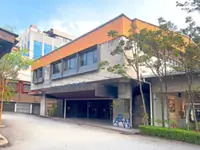
Contemporary art inspired by maritime archaeology is on display at Bandar Cassia in Batu Kawan, Penang.
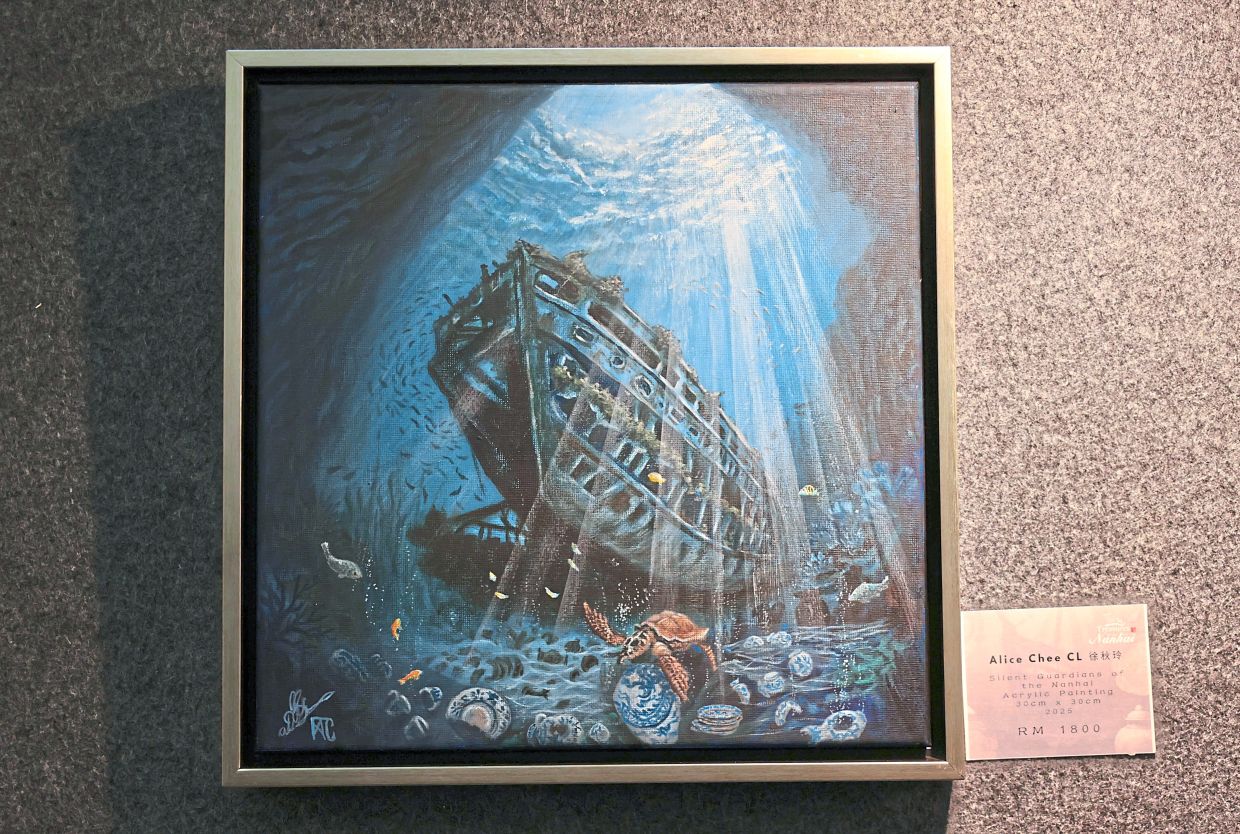
Eighty artworks by 15 painters are being showcased at “Treasures of the Nanhai II – 400th Anniversary of the Wanli Shipwreck” exhibition until Jan 25.
Organised by the Penang Art District and Smile Living Studio, the exhibition at the Eco Horizon Gallery features a diverse lineup of local artists as well as international contributors from Singapore, Taiwan and China.
Participating artists include Datuk Chong Hon Fatt, Prof Victor Ang and Elaine Wong.
Elaine, who is also the curator, said the exhibition marked the second phase of the project, which had evolved into a comprehensive creative platform.
“The project now introduces a series of creative programmes, including children’s art competitions, workshops and community sessions like ‘Draw My Nanhai Dream’.
“This initiative provides a space for children and families to express their creativity regarding the Nanhai theme, ensuring that the legacy of the Wanli continues to inspire from various unique perspectives,” she said.
The exhibition also highlights the artistic output of community members, including people with disabilities, to broaden public engagement within the field of visual arts.
Penang tourism and creative economy committee chairman Wong Hon Wai said the exhibition was inspired by the history of the Wanli, a Portuguese merchant vessel that set sail from mainland China toward Melaka in the early 17th century.
“Historical research and archaeological evidence suggest the ship met its end in 1630 following a violent naval engagement with Dutch forces.
“The ship was eventually discovered in November 2003 by a team of researchers led by marine archaeologist Sten Sjostrand, about six nautical miles off the coast of Dungun in Terengganu.
“The most significant find within the Wanli shipwreck was an enormous cargo of Ming Dynasty blue-and-white porcelain, which can be traced back to the famous Jingdezhen kilns in China.
“The recovery operation yielded thousands of intact pieces and over 9,000kg of porcelain shards, specifically ‘Kraak ware’ manufactured for the European market,” Hon Wai said in his opening speech.
He said these pieces featured intricate motifs of flora and fauna such as peaches, deer and cranes.
“These recovered ‘Nanhai Treasures’ now serve as the central theme for the exhibition, bridging the gap between historical tragedy and modern artistic expression,” he added.
Penang Art District advisor Lee Khai, who was also present, said the exhibition was a pivotal moment for Penang’s cultural growth, moving art beyond the confines of George Town’s heritage zones and into the heart of the emerging urban landscape of Batu Kawan.
“By hosting such exhibitions on the mainland, it ‘humanises’ new townships, transforming industrial regions into spaces of reflection and belonging.
“This isn’t just about looking at old artefacts.
“It is about a living dialogue where contemporary artists use history to speak to the present, ensuring that the maritime heritage remains a relevant part of our modern identity,” said Lee.