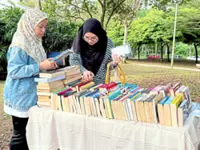
FROM out-of-print poetry collections to gently worn children’s clothes, preloved items are no longer merely a fallback for the cash-strapped.
Instead, the hunt for secondhand goods is increasingly embraced as a practical and even exciting way to shop, offering rare finds and a way to cut down waste amid rising living costs.
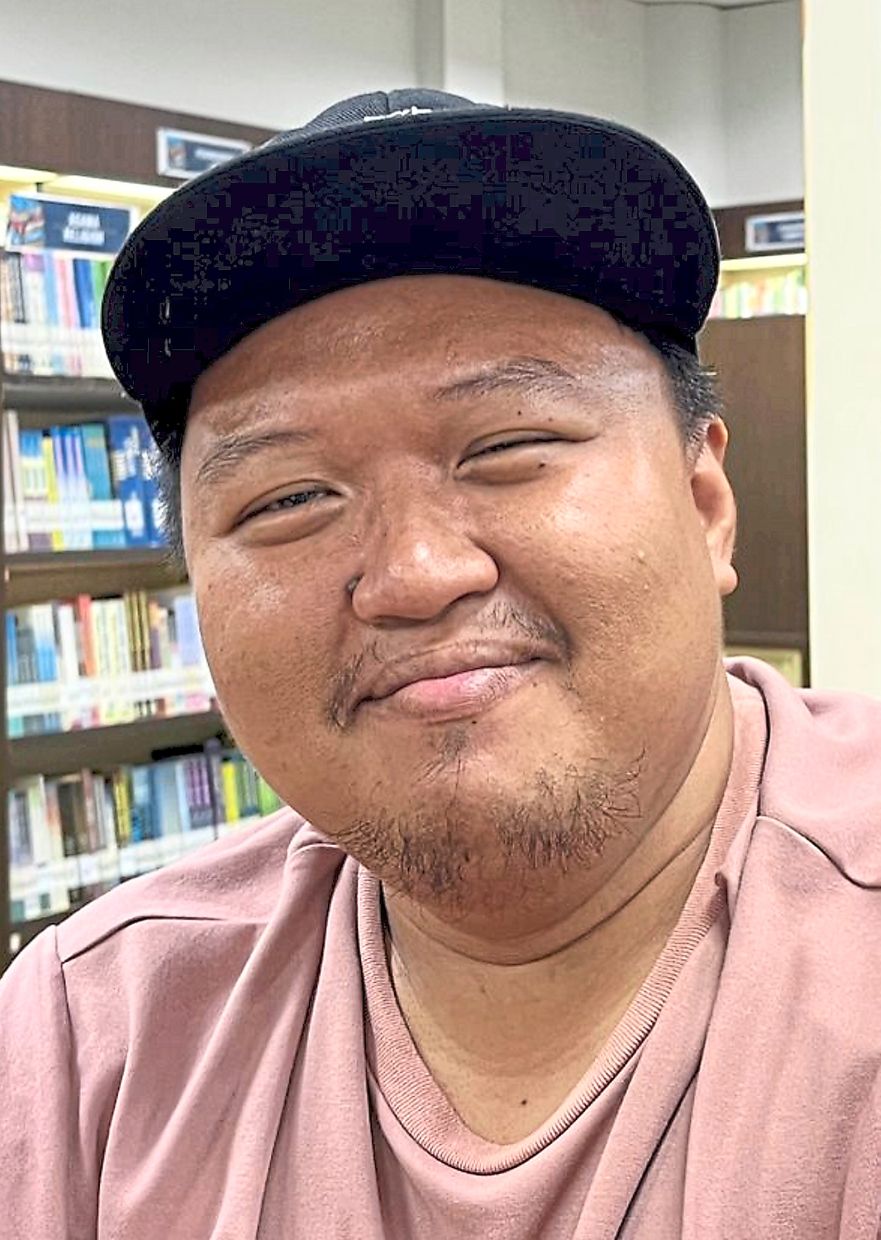
“When I get the chance, I will buy limited-edition or rare books that are no longer in print.
“It is a good opportunity to find something special,” he told StarMetro.
Hamdan said his relationship with preloved books began out of necessity during his university days in Penang, when buying brand-new titles was a luxury he could not afford.
“Back then, I used to spend hours browsing the wide selections at secondhand bookstores at the Chowrasta Market.
“Even reference books related to my studies were available, sometimes for just RM15 per book,” he recalled.
Years later, despite having more financial flexibility, his preference remains unchanged.
He still finds satisfaction in scoring deals.
“Recently, I spent about RM20 on three used books,” he said, adding that he also discovered a secondhand bookstore that organised offline book exchange drives.
Hamdan was able to find three pre-loved books online for just RM15.
“For me, if the book is readable, it is okay. It doesn’t have to be in pristine condition.
“I just want the knowledge inside,” he said.
Hamdan, who enjoys crime and mystery thrillers and counts Ramlee Awang Murshid as his favourite author, often squeezes in up to five hours of reading daily.
“I also share my books with my wife and younger sister,” he said, pointing out that the “little book club” at home meant the reading materials were appreciated by more than one person.
He encouraged more people to explore preloved books for their next read.
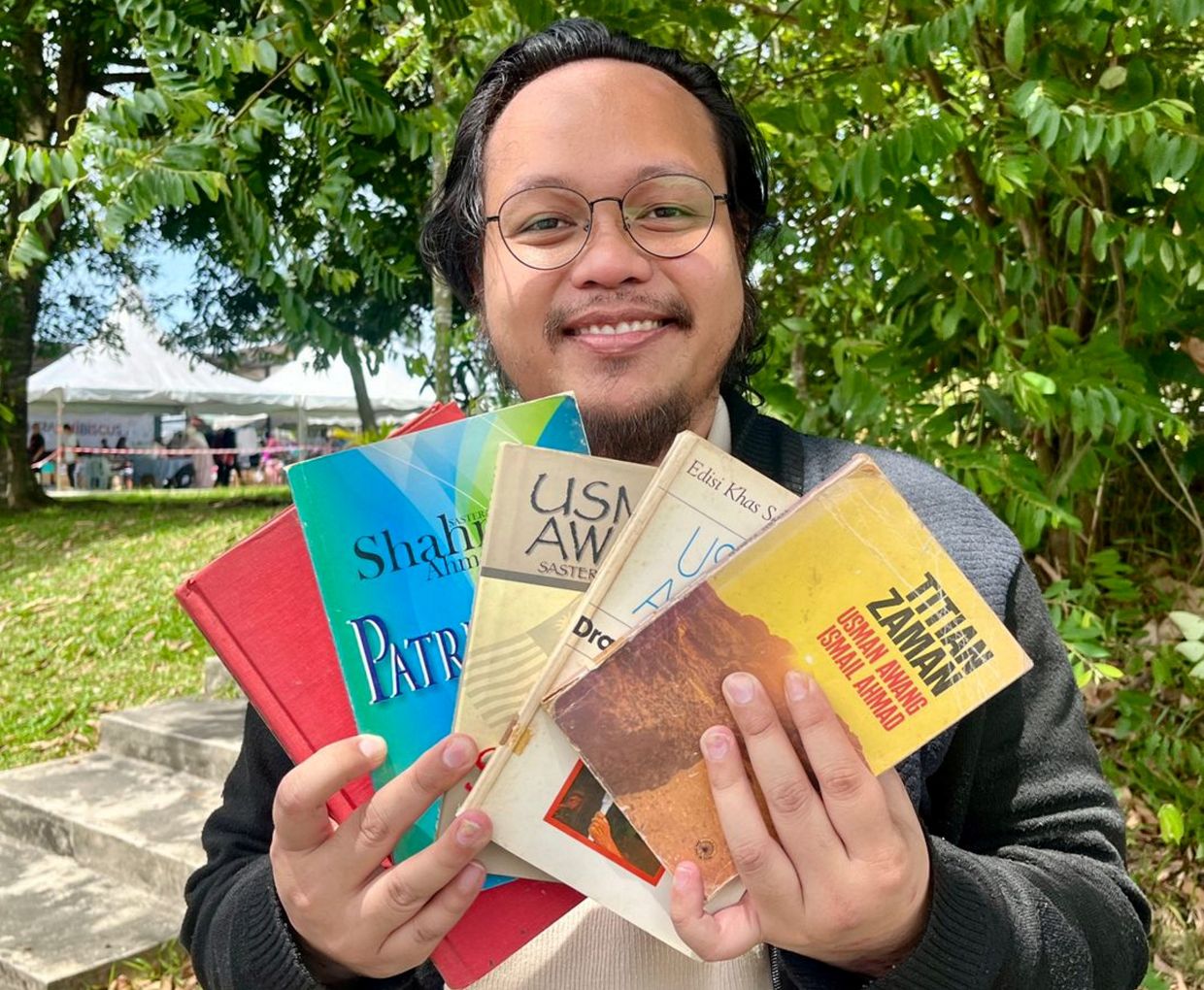
This sentiment is echoed by senior executive Muhammad Ariff Mohamad Nizam, 33, who hunts for rare books through online marketplaces and social media chat groups.
“I like buying rare books at an affordable price, especially old ones.
“I have also come across out-of-print titles,” he said.
Among his most cherished possessions is a collection of poems from the 1970s by national laureate Usman Awang.
“They were written in classic Malay, the language and themes really reflect that era.
“Those books are very valuable to me,” he added.
While he is willing to spend up to RM200 on a secondhand book, Muhammad Ariff noted that some rare historical titles could fetch prices as high as RM1,000.
He also enjoys finding notes, underlines and scribbles left behind by previous owners.
“To me, it adds character.
“It is interesting to see another person’s perspective on the same book,” he added.
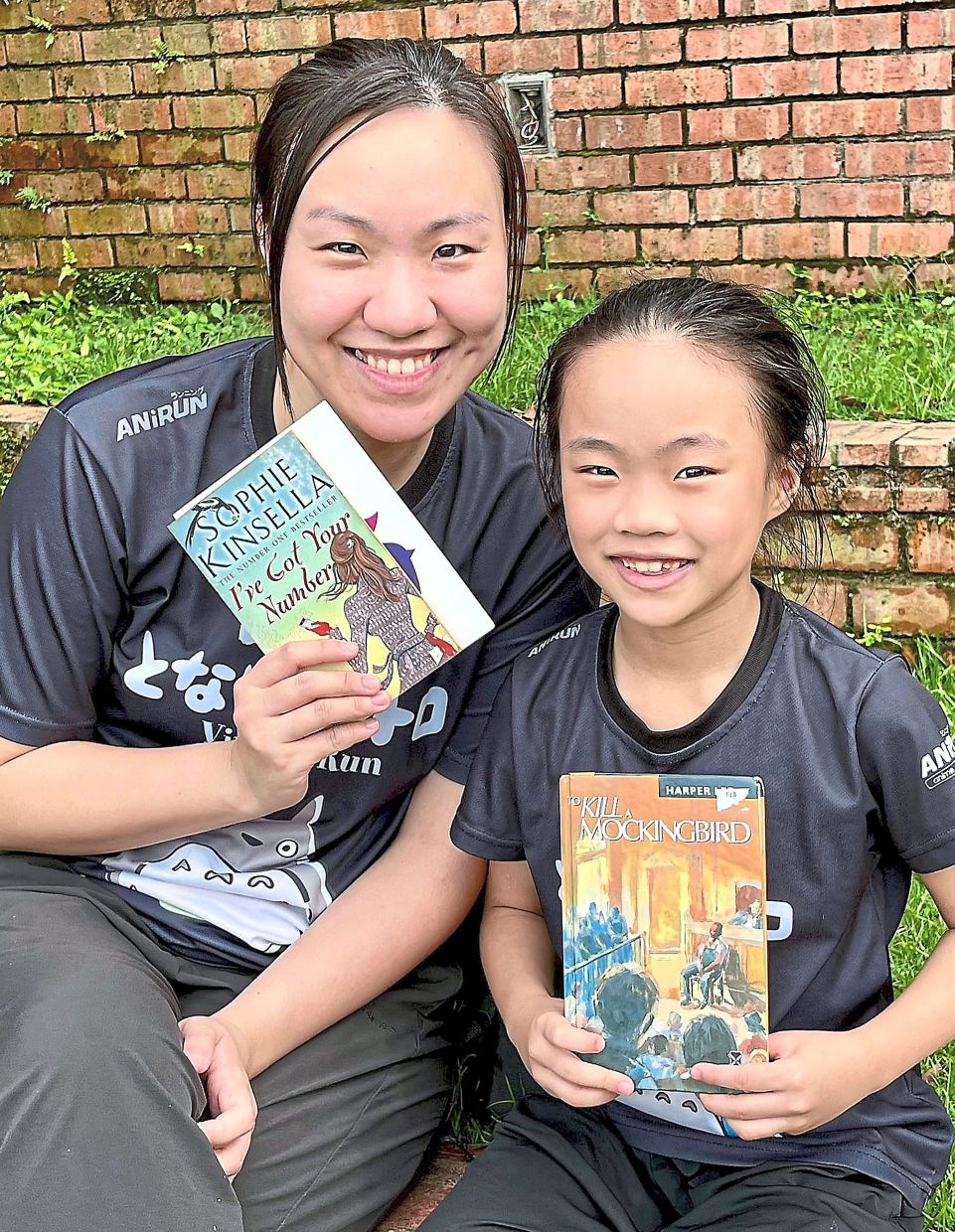
Pharmacist Deborah Ng, 36, uses secondhand shopping to teach daughter Sophia Wong, eight, about the value of money.
Sophia enjoys reading science titles such as The Young Scientist Series.
“The books are usually hand-me-downs from her aunty and cousins.
“I rarely buy books unless they are school- related,” said Ng.
She also exchanges children’s books with colleagues who have young families.
“We make the process fun by making gift bags with old books.
“It’s exciting, especially when overconsumption has become such a big trend,” she said.
Through these exchanges, Ng said families were not just saving money, but sharing knowledge.
She hopes that there will be a shift in mindset where value is measured by utility rather than novelty.
Beyond books, the preloved acquisition mindset is equally strong in the world of clothes, particularly for families navigating the current economy.
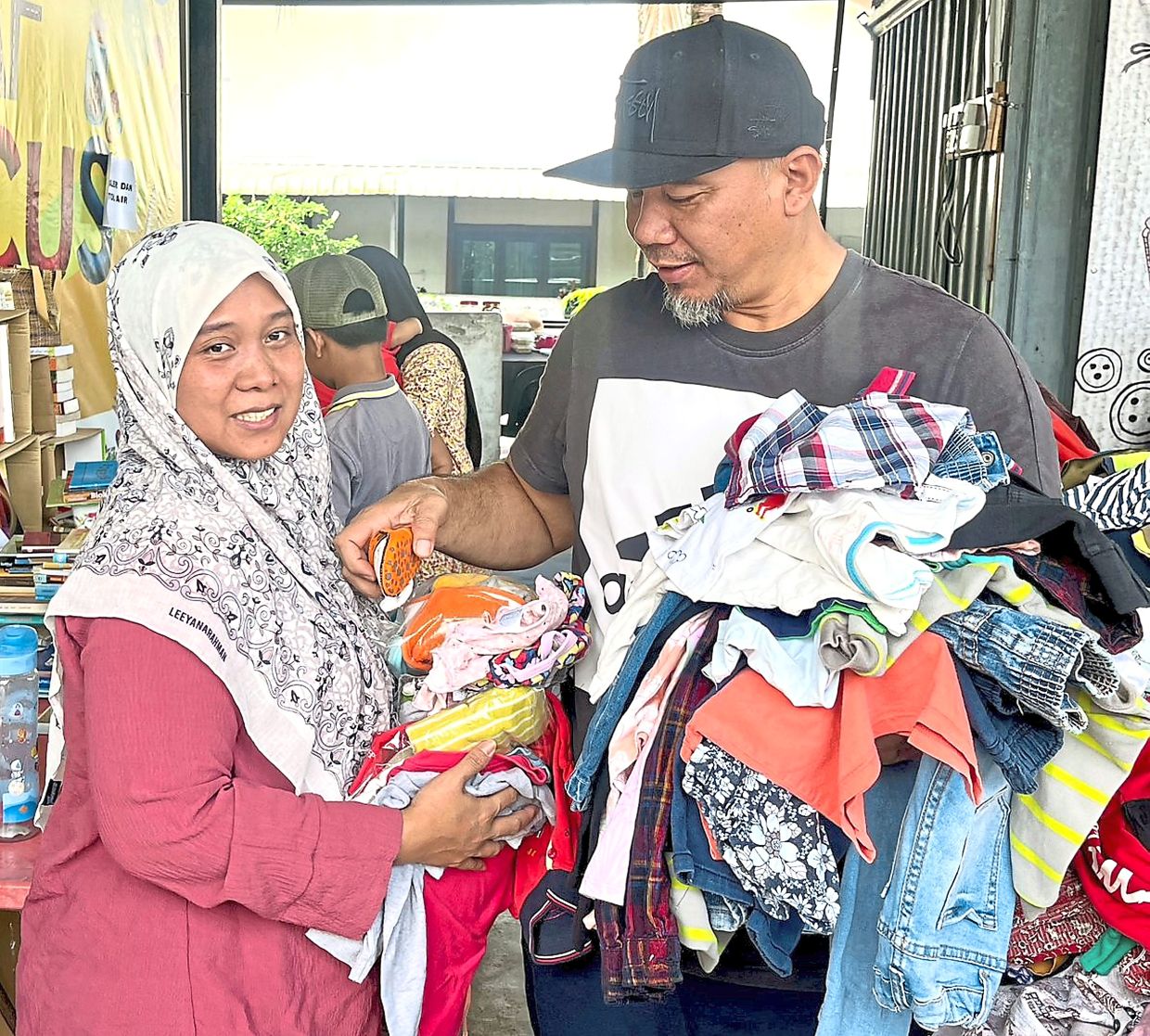
Housewife and mother-of-six Niza Razali, 40, said opting for preloved clothing was sensible and practical.
“Every sen counts in this economy.
“My youngest is only two and children outgrow clothes so quickly,” she said.
Niza sourced items from bundle shops, thrift stores and a community fabric project in Taman Pulai Indah, where clothes were sorted and offered for free.
To keep the cycle going, she donates her own clothing and children’s school uniforms to the project.
“When they have outgrown their clothes, I donate them to neighbours with small children, to avoid wastage,” said Niza.
“The project makes it easy for visitors to look for what they need.
“We can choose what we want and just drop by the counter to weigh the items for their record.”
Clerk Chew Jean Yee, 32, sees the reuse of items as a sustainable way to reduce waste.
“I make it a point to give away my clothes regularly, but make sure they are still suitable.
“I usually keep an eye on donation and exchange drives on social media,” she said.
Chew noted the growing number of secondhand clothing and accessory stores opening in Johor Baru over the past few years.
“This shows that more people are looking for affordable options,” she said.