




FOR most Malaysians, online shopping satisfaction comes down to a simple question: does the parcel arrive on time, and is collection convenient?
Behind that simple experience is a network of couriers, platforms and policies working in sync to get deliveries where they need to be, reliably and on schedule.
Shopee Malaysia recently formalised a Letter of Collaboration (LoC) with four familiar names in Malaysian logistics—City-Link Express, GDEX Bhd, Pos Malaysia and SPX Express—to strengthen last-mile delivery in line with Malaysia’s growing e-commerce landscape.
“Collaboration is the catalyst,” says Shopee vice president Ian Ho.
“By working closely with our courier partners and the government, we can raise service reliability, improve speed and broaden coverage at the same time—in ways people actually feel.”
Fixing the stubborn gaps
The collaboration addresses stubborn parts of delivery: inconsistent last-mile reliability, coverage gaps outside major cities, and seasonal surges that trigger delays and redelivery loops.
These challenges sit across the ecosystem: couriers run physical networks, platforms coordinate demand and data, and the government sets standards and safeguards. No single company can address all of this alone.
Under the LoC, partners are aligning on shared KPIs, integrating real-time performance monitoring and expanding practical access via Pick-Up & Drop-Off (PUDO) points and Buyer Self-Collect (BSC) locations.
Consumers now have 7,500 BSC points nationwide, while micro, small and medium enterprises (MSMEs) are reaching more customers as around 40% more sellers year-on-year are served by local courier partners across Peninsular and East Malaysia.
The aim is simple: reduce friction where people feel it most by ensuring fewer missed deliveries, more predictable ETAs and collection points located closer to daily routines.
“Reliability and coverage aren’t single-company problems, they’re system outcomes. When couriers, platforms and government align on standards, shared measures and day-to-day practices, the whole network improves and that’s why collaboration matters,” says Ho.
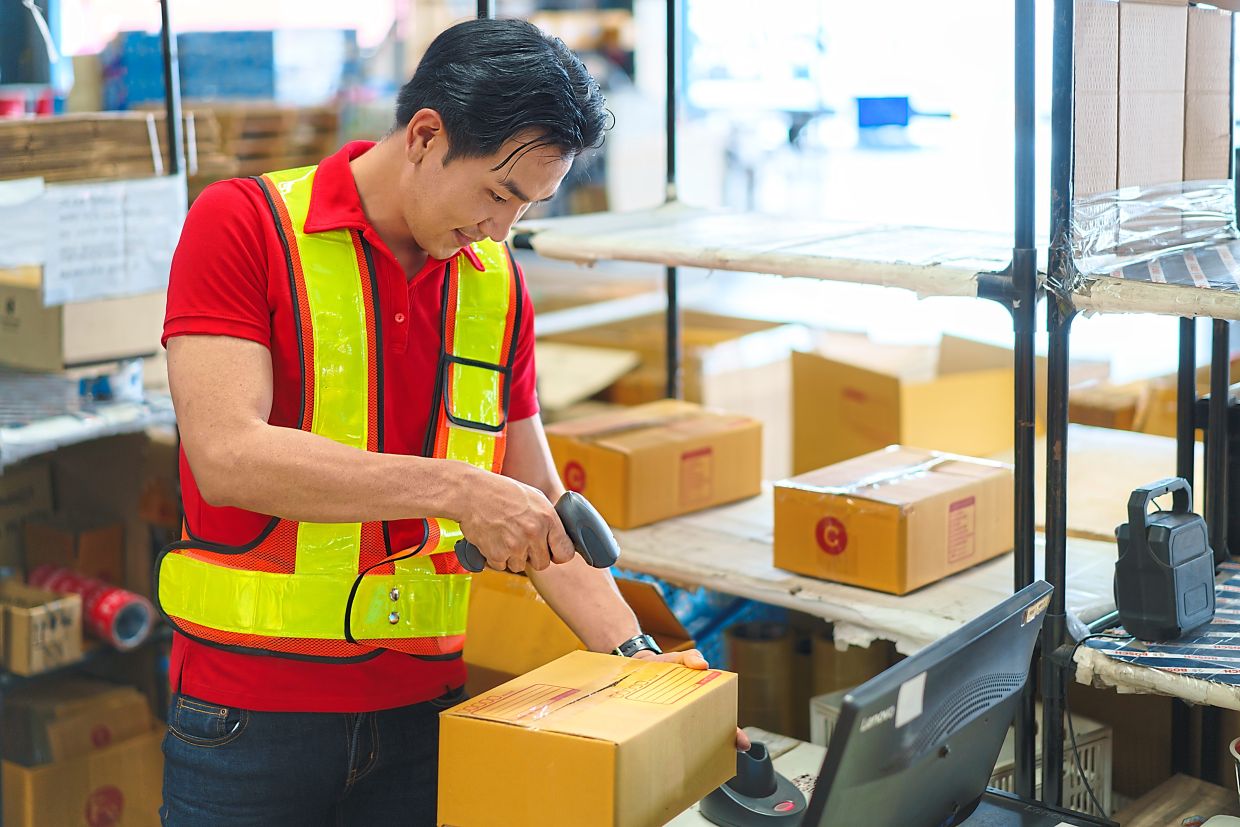
Collaboration in motion
The partnership centres on fundamentals such as on-time performance, consistent service standards and access points that match where people live and work.
Shared measures and integrated real-time monitoring allow issues to be identified early on and acted on collectively, while best-practice sharing helps raise the baseline across networks.
“Collaboration works when different networks behave like one service,” says Ho.
“With a single set of measures, real-time visibility and agreed responses, we can stop small issues becoming big delays, which is better for consumers, riders and sellers alike.”
Ground rules for reliability
To sustain collaboration at national scale, the industry also needs clear guardrails. Alongside the LoC, the Association of Malaysian Express Carriers (AMEC) has introduced the Courier Network Sharing Framework (CNSF), a policy-guided model designed to improve coverage and efficiency nationwide.
The framework includes MCMC oversight, PDPA-aligned data safeguards and defined service-level standards to boost consumer confidence, with pilot collaborations expected as early as 2026.
Shopee supports the framework’s aims, resilience, fair participation and a stronger local courier base, seeing it as complementary to the LoC’s immediate operational work.
In effect, the LoC fixes what can be improved now while the framework creates a long-term structure to keep the industry advancing together.
Malaysia’s courier sector is a significant part of the digital economy and supports a marketplace built on trust in delivery.
Aligning commercial collaboration with clear rules and transparent standards is central to maintaining that trust.
This initiative is not a product roll-out but a shift toward outcomes consumers can feel: more reliable deliveries, wider coverage and easier collection.
The policy framework invites broader participation under clear standards. That is how collaboration becomes durable, not just seasonal.
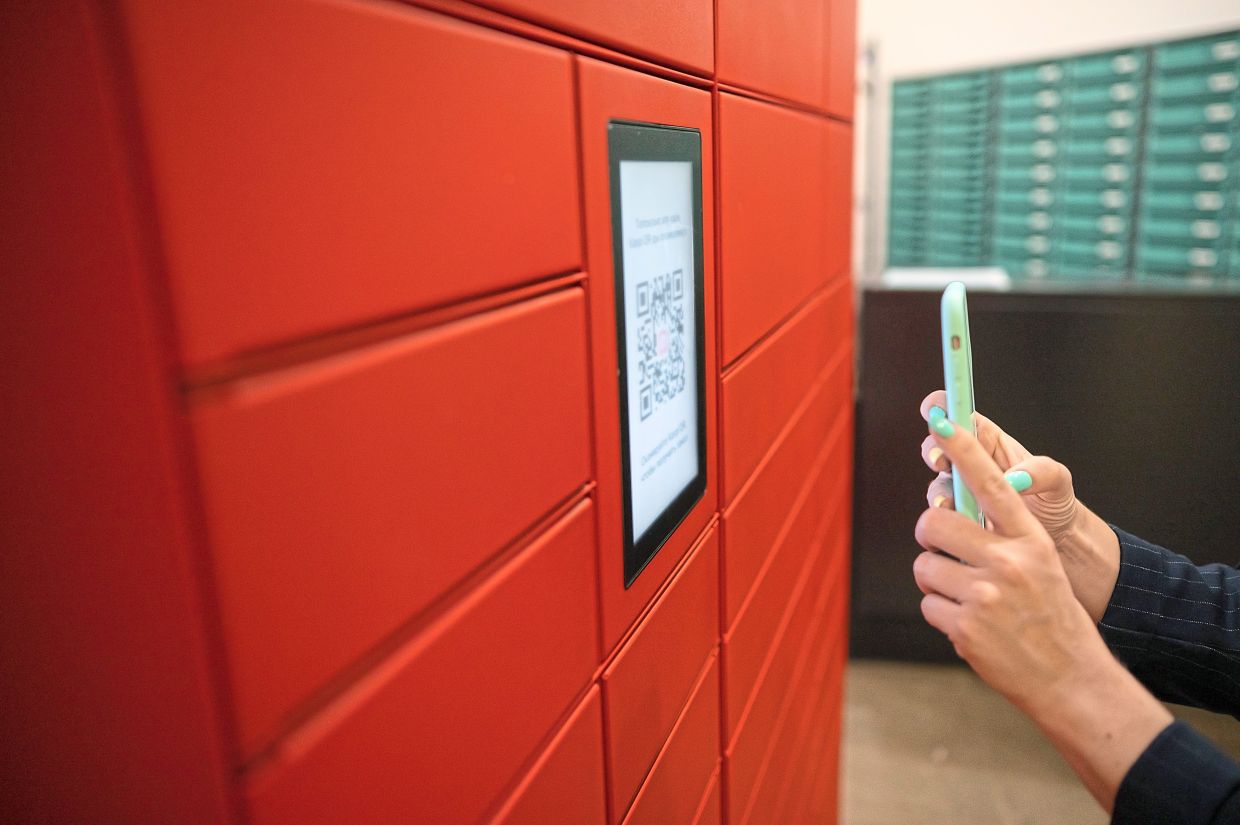
From checkout to doorstep
In the coming months, consumers can expect more predictable estimated time of arrivals (ETAs) as partners streamline common KPIs and real-time monitoring across lanes, reducing redeliveries and missed windows.
Peak seasons should see steadier flow due to shared surge plans, added capacity and earlier status updates.
Convenience is also expected to improve as PUDO and BSC locations are optimised in high-demand areas, near housing, transit and workplaces.
Clearer notifications for buyers and sellers during route changes or weather disruptions will help set expectations and reduce uncertainty.
For MSMEs, steadier first-attempt delivery rates and improved coverage into secondary towns should make fulfillment more predictable and support growth beyond local catchments.
As the industry framework progresses, voluntary pilots under regulator oversight are expected to test network-sharing models that bring more players into the system under clear and fair standards.
Shopee and its courier partners will continue deepening day-to-day collaboration based on a common, real-time operating standard, while engaging constructively as the CNSF takes shape.
“The goal is straightforward,” Ho adds. “Deliveries that are faster and more dependable, and a network that serves everyone, from urban condos to kampung roads, because that’s what a healthy digital economy looks like.”


