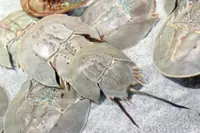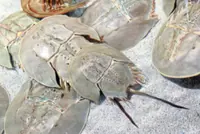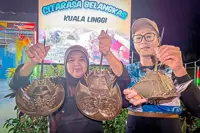
IN the fishing village of Sedili Kechil, a family-run hatchery carries on the legacy of conserving one of Earth’s oldest living creatures, the horseshoe crab.
The centre, known as Pusat Ternakan dan Penentasan Belangkas Sedili Kechil in Kota Tinggi, has been operating since 1984, and is the only horseshoe crab hatchery in Johor.
Breeder Mohamad Khadi Redzuan Ahmad said the centre was founded by his father, Ahmad Mustafa, but is now managed by him, his brother and his sister.
“I am the youngest of three siblings and we decided to continue our father’s legacy.
“Our centre focuses on conservation but it is also a commercial enterprise,” he said in an interview.
The hatchery breeds the Tachypleus gigas species in seven ponds that mimic natural seawater conditions, including tidal movement.
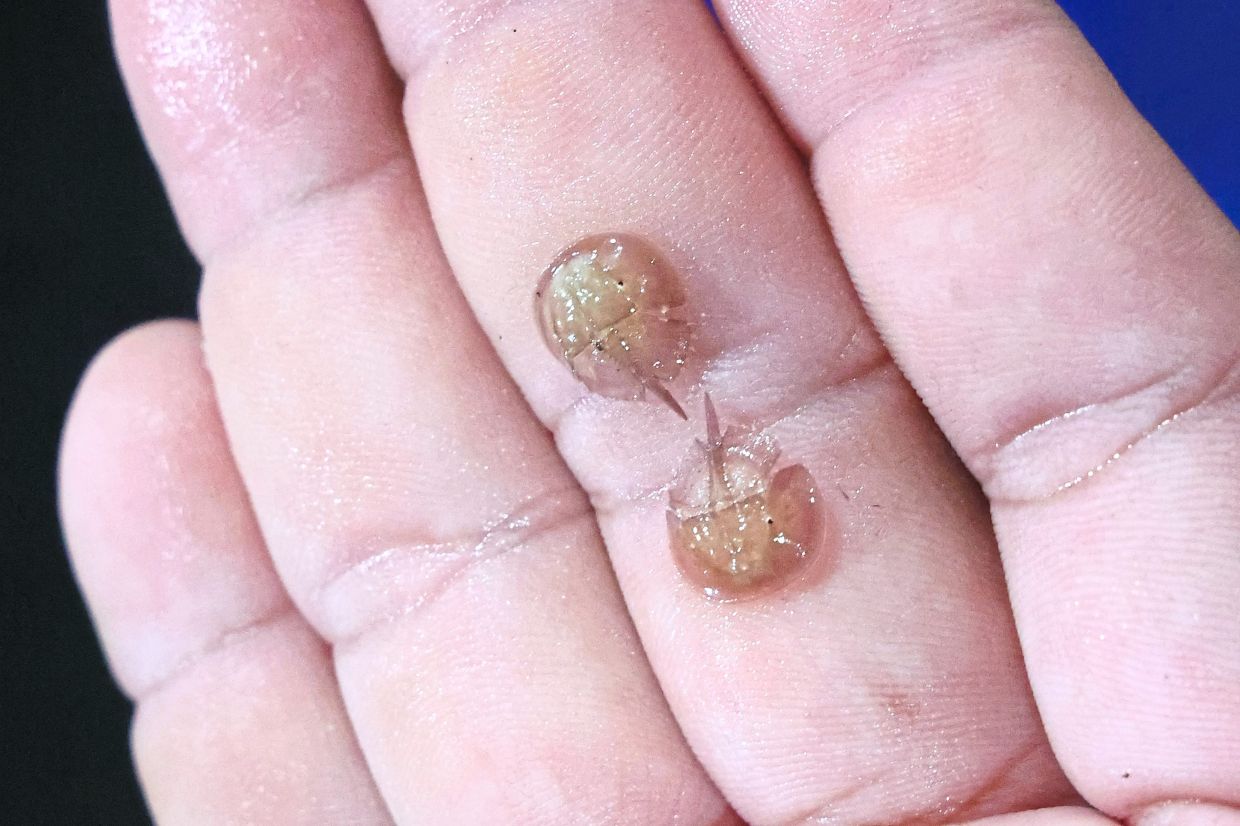
“Each pond holds a male and female horseshoe crab and the process from egg to maturity takes up to 15 years.
“The young horseshoe crabs are fed with artemia (tiny crustaceans) until they reach two years old, then we switch to chopped fish, plankton and algae.
“We also need to monitor the water quality carefully to keep them healthy,”
Mohamad Khadi Redzuan said the hatchery records a 79% survival rate for young crabs.
“Once they reach two years old, about 5,000 juvenile horseshoe crabs are released into the sea as part of our conservation effort.
“This release programme is important because many wild horseshoe crabs can no longer lay eggs along the coast.
“Fishing nets often block their movement and some get trapped and die.”
He added that the centre collaborates with the Fisheries Development Authority of Malaysia (LKIM) and Southeast Johor Development Authority (Kejora) to monitor wild populations and enhance breeding methods.
Apart from conservation, Mohamad Khadi Redzuan said the hatchery also exports adult horseshoe crabs to Thailand every few months, depending on demand.
“Usually, we export between 200 and 300 horseshoe crabs per shipment, but during the peak season from February to May, it can reach up to 5,000,” he said.
He noted the species’ blue blood is also highly valued for its use in medical research and vaccine production.
“Some even believe its blood has healing properties.”
Despite the high costs and challenges of maintaining water quality, Mohamad Khadi Redzuan said he is determined to keep his family’s legacy alive.
“Our hope is for the next generation to understand the importance of this ancient species.
“My siblings and I hope to turn this place into a tourism centre so that more people can learn about the horseshoe crab, a creature that has survived since the age of dinosaurs,” he said.