

‘Focus on people, not just buildings’


Mazrina (second from right) presenting a token of appreciation to Mohamad Zahri during the Placemaker Asean Week 2025 in Petaling Jaya.

CITY planners often forget the needs of specific localities when developing master plans, and this needs to change, an industry expert says.

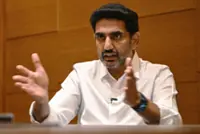
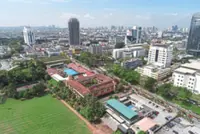
PlacemakingX chair Peter Smith called on city planners and leaders to move from master plans to place-based planning in order to better understand the identity of a locality and cater to the needs of its communities.
“A great city is like a menu with dishes curated for everyone.

“As city planners, we should focus on planning the dishes and designing the menu, instead of just building the restaurant,” he said in his keynote address during Placemaker Week Asean (PWA) 2025 at MBPJ Civic Centre in Petaling Jaya, Selangor.

Smith listed down five impacts that needed to be measured when investing in city planning, namely environmental, physical, social, cultural and economic.

“City governments need to have conversations with people.

“For example, when you engage with the business community, you need to ask them what kind of changes to the city can make their business thrive,” he said.

Ridwan Kamil, a former governor of West Java province in Indonesia, emphasised the importance of breaking through barriers between life, work and play zones in a city to make it more liveable.

“The old thinking was that life, work and play zones should be fully separated from each other, leading to disadvantages such as high costs of commuting, increased carbon emissions and stress among city dwellers.

“Now, it is recommended that we break through such a separation to create mixed zones so that we can address these disadvantages.

“We can build homes near offices and insert leisure elements in workplaces,” said Ridwan, who is also a former mayor of Bandung, in his keynote address.

He said underused space in a city could be transformed into public places.

“For example, spaces underneath flyovers are often dark and prone to illegal activities.

“If city leaders have the political will and courage to make strategic decisions on these spaces, they could turn them into public places,” he said.

Jointly organised by Malaysian Institute of Planners (MIP) and Placemaking Malaysia and hosted by Petaling Jaya City Council (MBPJ), the programme gathered 49 local and international experts in the fields of city planning, architecture, real estate development as well as academic and community leadership to exchange ideas on creating more sustainable cities.

The event − themed “Places That Have Value for People” −comprised four main sub-themes, namely climate and cities, return on investment (ROI) in placemaking, community empowerment as well as the role of government in placemaking, said MBPJ in a media statement.

Present at the programme’s launch were mayor Mohamad Zahri Samingon and MIP president Mazrina Abdul Khalid.

Mohamad Zahri noted that placemaking could help create inclusive, purposeful and thriving cities.

“I call on all parties to work together to make placemaking a national agenda,” he said.

Follow us on our official WhatsApp channel for breaking news alerts and key updates!

Next In Metro News

Burning calories in cool walking spaces
‘Guide students to utilise S’wak education scheme’
Penang projects powering ahead
Powering up PD mangrove restoration
No JMB leads to upkeep issues at Selayang flats
Convex mirrors help reduce junction danger in Kg Seri Kembangan
It’s a go for new Perigi Acheh bridge
Cricket group, uni launch sports injury management book
Aussie retailer opens new store in Penang, its 39th in the country
Kajang units add to Selangor’s 200,000 affordable homes target

Others Also Read