
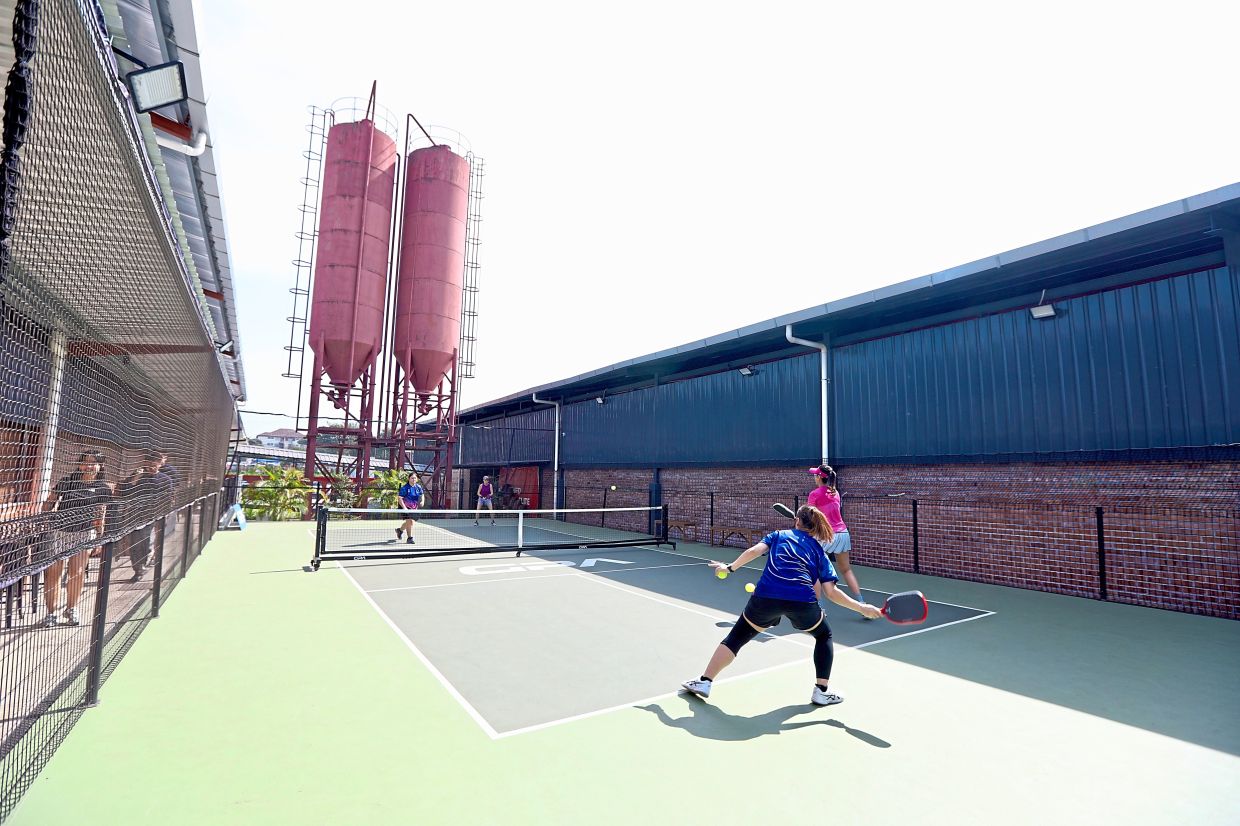
ON a bright and breezy weekend morning, sharp pops of plastic balls bouncing off paddles echo across the courts at The Pickle Grounds in Petaling Jaya, Selangor.
At one court, a group of middle-aged players laugh, lunge and playfully compete with each other.
Two courts down, a family match unfolds as parents and children play an energetic,exciting game.
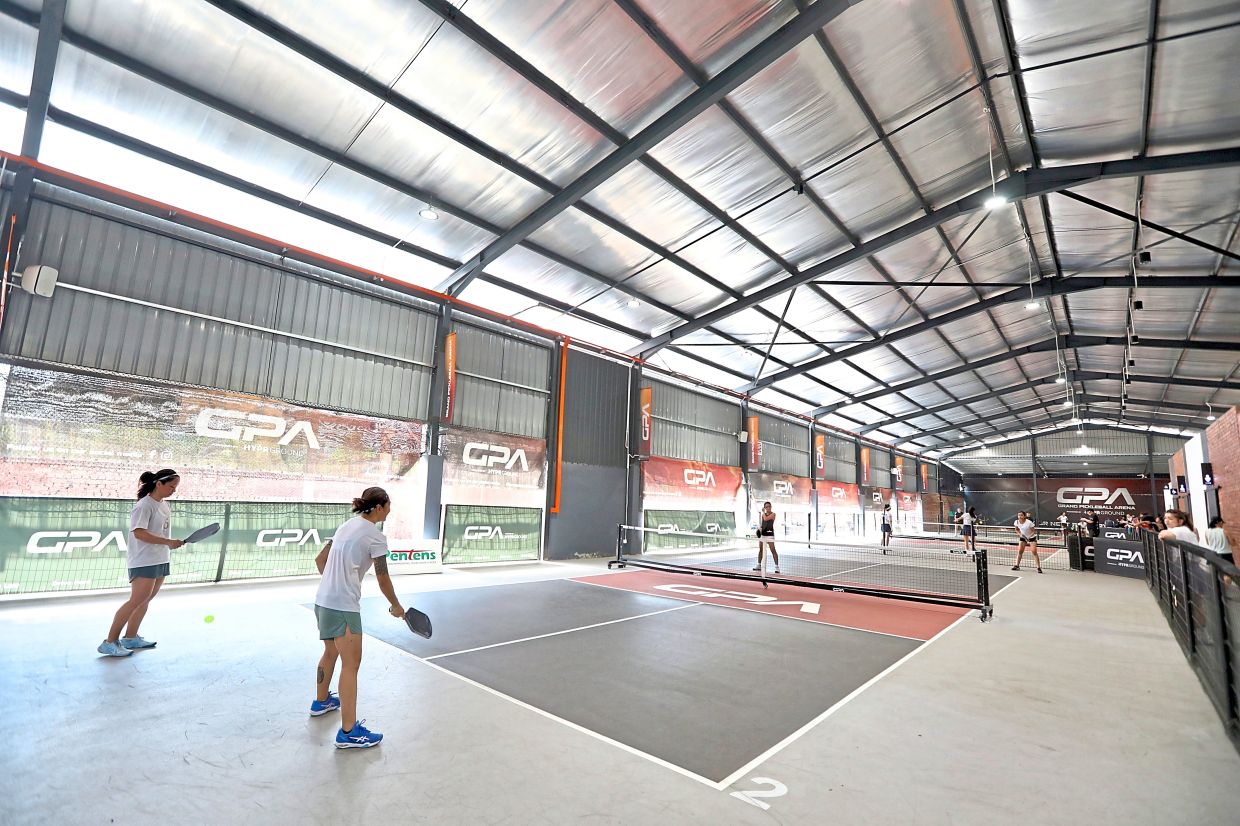
It is not tennis, badminton nor table-tennis but pickleball – a quirky-sounding sport that blends elements of all three – which has rapidly taken over Malaysia’s parks, halls and courts.
A sport that was invented back in 1965 in the US by three fathers trying to entertain their families with makeshift sports equipment, pickleball is now making serious inroads into Malaysia.
Rapid growth
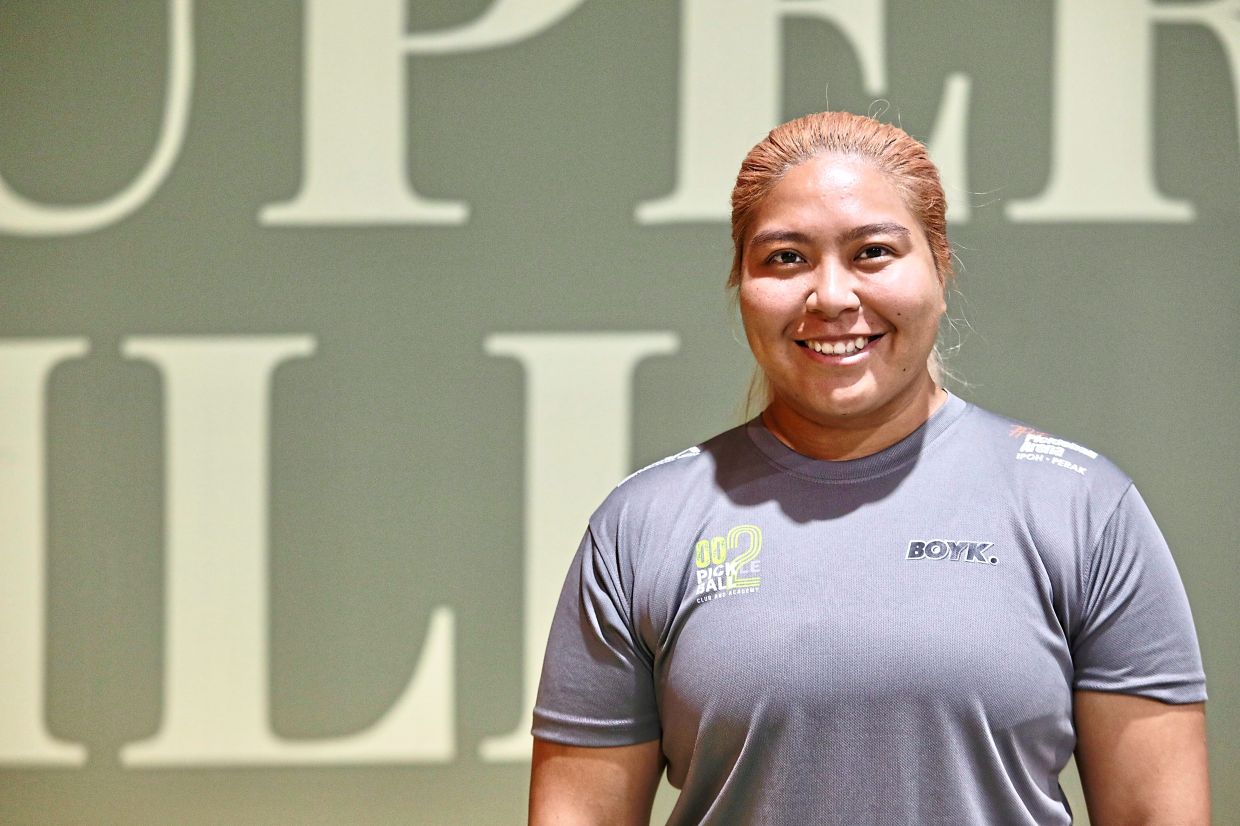
Selangor Pickleball Association president Ted Thor said although pickleball had been around for a long time, the paddle sport only experienced rapid growth in the 21st century.
“It started gaining popularity in 2018 in the US and has seen double digit growth every year from then.
“In Asia, Singapore is reported to be the earliest adopter as the sport started there in the 1990s while in India, it started in 2006.
“Thailand is another forerunner, starting around 2008.
“Other nations in Asia started much later – Vietnam, the Philippines, Taiwan and China in 2018 and then, Malaysia and Indonesia in 2019,” he elaborated.
In 2019, Malaysians were introduced to pickleball with its first association being established in Miri, Sarawak.
Malaysia Pickleball Association (MPA), founded by Farrell Choo Kah Thiam, serves as the sport’s national body.
However, the sport did not gain momentum until the end of 2023, said Thor.
“When I first started playing in late 2021, there were only about two small groups of regular players in Kuala Lumpur and no dedicated courts; just tennis or open-air badminton courts.
“By late 2023, a few dedicated courts began popping up around Klang Valley,” he said.

“Then in 2024, the sport exploded and now there are at least 50 privately-owned arenas across Malaysia, each with multiple courts.”
According to Grand Pickleball Arena founder Low Chung King, there are more than 400 courts across Malaysia.
“In Kuala Lumpur, there were only six venues in June 2024.
“By December the same year, there were 70.
“Today, there are over 200.”
Low said the number of players was also rising rapidly.
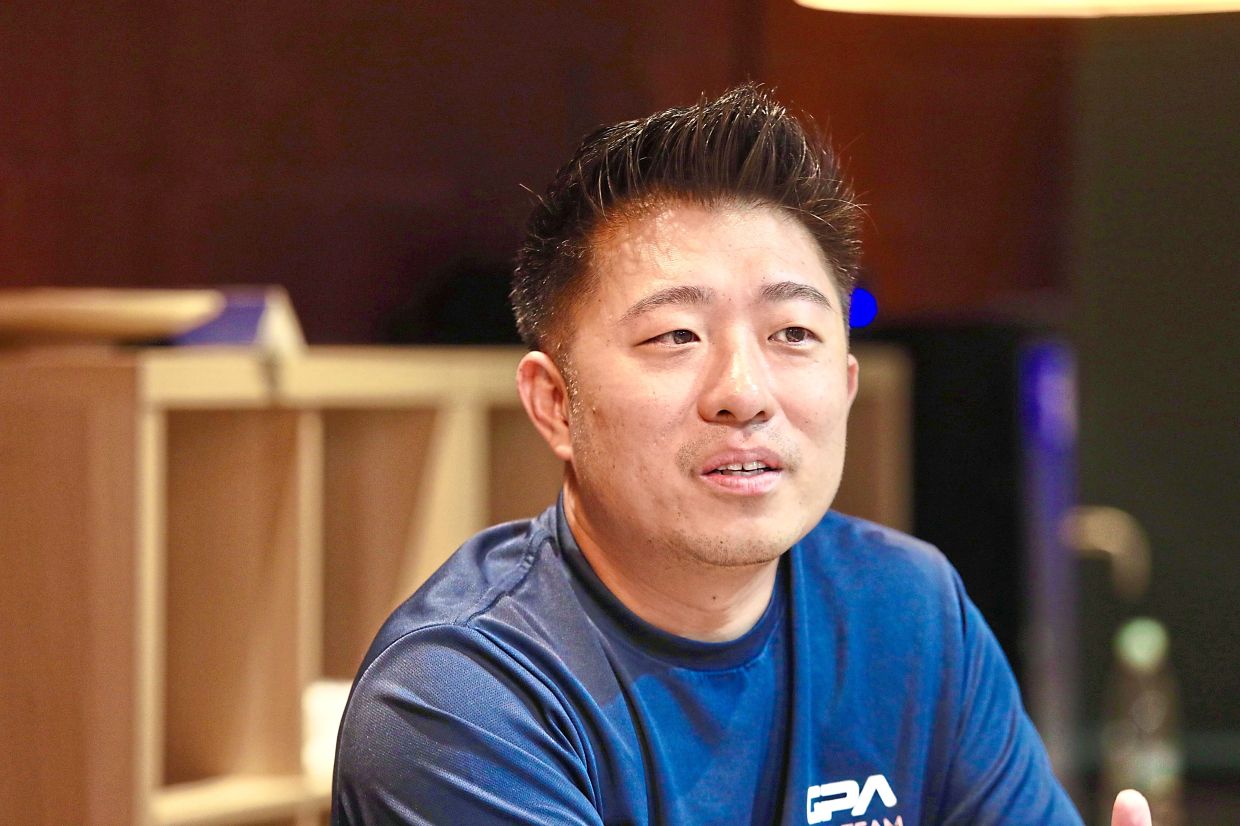
“There is an app called Reclub, which allows players to register and find people of the same skill level to play with.
“We currently have more than 143,000 active users (on Reclub), making Malaysia the No.1 pickleball country in Asia, ahead of Vietnam and the Philippines,” he told StarMetro at his sports facility in Shah Alam.
In terms of growth, Low said Malaysia also ranked among the top three fastest-growing pickleball nations globally, based on statistics compiled by Dynamic Universal Pickleball Rating (DUPR).
DUPR is a global ranking system for pickleball players.
002 Pickleball Club and Academy founder and coach Colin Tan attributed pickleball’s rise to the sport’s simplicity and inclusivity.
“The game itself is interesting; it has something that most other sports do not have.
“If you watch tennis, ping-pong or badminton, the game is all about speed and power.
“But in pickleball, you will see people deliberately slowing the game down,” said Tan.
This unique dynamic made it accessible to everyone, regardless of age, gender or skill level, he highlighted.
“Women can easily play against men.
“Not only that, it is also accessible to the elderly.
“A lot of pickleball players have a background in other racquet sports too,” he added.
Tan, who had to retire from competitive sports due to injuries, recalled his own experience of picking up the game.
“When you are used to playing at a certain level and suddenly you have to play at a recreational level, it is not nearly as enjoyable.
“Because of injuries, I stopped playing tennis and football.
“But when my friend introduced me to pickleball, I felt like I could play this sport,” he said.
Tan said this was also a contributory factor to pickleball’s growth.
“Basically, it is easier than playing tennis and badminton competitively.
“In these games as well as most others, power comes first,” he noted.
He said it was not just about power in pickleball, it was about anticipation and accuracy.
“We have something called the four ‘p’s, namely patience, position, placement and only then power.
“This is why the sport is inclusive.
“Sometimes, you will see whole families coming together and playing against each other,”
Tan added. Age-friendly sport
Also finding it easy to pick up the game were a trio of older players, who spoke to StarMetro while on a break from a game at one of the courts in Bandar Utama, Petaling Jaya.
Consultant company chief executive officer Prof Dr Louis Adaikalam along with event planning company director Pamela Hew and managing director Stenn Wong said they were passionate about the sport.
“I just started playing pickleball about two to three months ago and now I am addicted to it,” said Louis.
Approaching their 60s, they said pickleball was just the right sport for their pace.
“As I grow older, I realise that my balance and coordination are not so good, so I need to pick up a sport, but badminton is too intense.
“I wanted something a bit more mellow,” said Louis, who then tried out pickleball.
“It really helped to keep my balance, coordination and mobility,” Louis added.
Wong said playing pickleball to sweat it out was very effective in clearing the mind.
“The body is also recharged again.
“It is a nice social game as well that you can play at your own pace,” he added.
Hew, a former squash player, explained how pickleball’s pace suited her lifestyle.
“I used to play squash when I was younger and now I am no longer as young.
“Since pickleball is not so intense and it is like a mixture
of squash and tennis, I would say it really does suit my pace,” added Hew.
Their pickleball group, they said, included players as young as 21 and as old as 64, with diverse backgrounds, Malaysians of all races and even people from Russia and the Netherlands.
“We even have a former Wimbledon player with us as well.
“We are like a community,” Louis said.
Although Malaysian enthusiasts saw pickleball as a social activity in the beginning, it quickly became a competitive sport.
Professional pickleball player Nursharneem Imann Shamsuddin, from Sabah, has represented Malaysia in prestigious tournaments like the US Open Pickleball Championships.
“At some of these tournaments, the other players do not really know where Malaysia is nor that we are involved in pickleball,” said Nursharneem, a former tennis athlete who is now based in the US.
“I am trying to make them aware that other international players, especially from Asia, are trying to tap into pickleball as well.
“And I think they are starting to realise now that everyone can compete and it is not exclusively just the US anymore,” the 26-year-old added.
As Nursharneem moves forward with her professional career, she hopes to see more young Malaysians do the same and continue the sport well into the future.
“I hope that the next generation will pick up the sport and go far.
“Some of my tennis juniors have already approached me asking about pickleball.
“I say go for it. It is a new sport, and it will definitely grow more in the future,” she said.
Malaysia as global player
This year alone, Malaysia has hosted several major pickleball events, highlighting its growing regional importance.
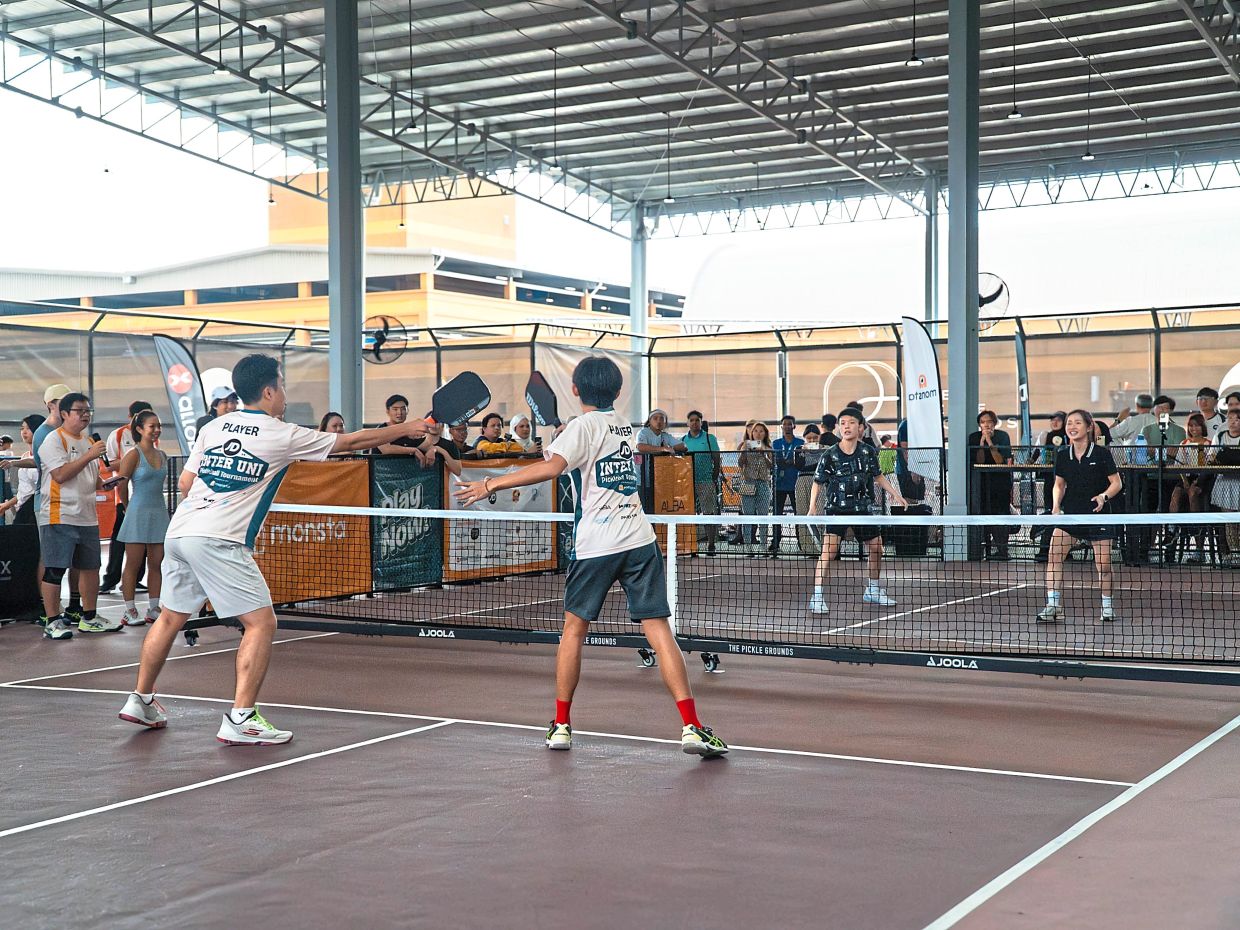
The Inter-Uni Pickleball Showdown 2025 debuted with a splash last month in Bandar Utama.
With 144 participants across 14 universities in Malaysia, the tournament laid the groundwork for pickleball’s sustainable growth among a new generation.
Similarly, the World Pickleball Championship (WPC) Asia Grand Slam 2025 was another highlight for the local scene.
Labelled as Asia’s largest pickleball tournament, the Grand Slam brought more than 1,500 athletes from 20 countries to Malaysia, showcasing the country’s participation on the global pickleball stage.
“Some say there are too many tournaments in Malaysia; at peak times, up to 10 events happen in a single weekend,” said Low.
“But this tournament overload is exactly what fuels the sport’s growth.
“Frequent competition motivates players to train harder, leading to the rapid growth of the coaching industry as well,” he said.
Thor agreed, noting that prize money and income from tournaments could turn pickleball into a viable career.
“With that kind of income, more potential players will be turning professional and making a career out of pickleball.
“As long as a sport can offer lucrative income, it will gain traction and become very much like other sports,” he pointed out.
Another key to supporting pickleball’s ongoing rise is introducing the sport at grassroots level and establishing private-public synergy.
“For pickleball to grow sustainably, strong public-private collaboration is essential,” said Thor.
“Private entities bring the drive and funding, while government agencies provide crucial support.
“If Youth and Sports Ministry and Education Ministry work with MPA and state associations, the sport can reach the grassroots level.
“MPA is already training certified instructors and engaging both ministries to bring pickleball into schools and communities,” added Thor.