Third edition of NGO’s annual competition awards grants to seven communities for efforts to revitalise traditional settlements
BRINGING together new villagers through sustainability- focused projects not only strengthens community ties but also gives its residents a renewed sense of purpose.
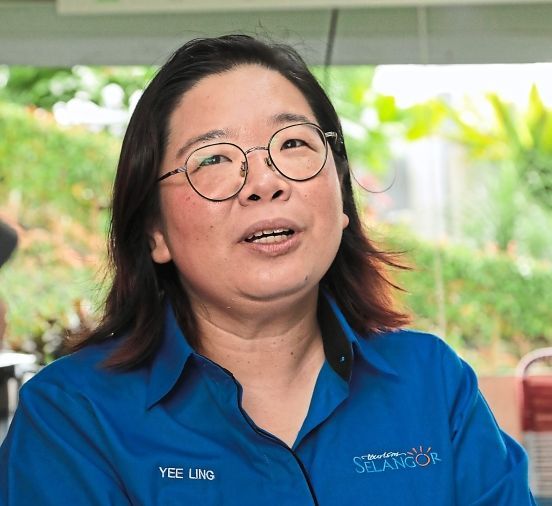
Village Vision founder Chua Yee Ling said these settlements often face challenges such as an ageing and dwindling population, and badly needed an injection of youthful vibrancy.
She said sustainability-driven initiatives aimed at rejuvenating new villages by equipping residents with income-generating skills, enhancing their quality of life and fostering a deeper sense of belonging.
Recognising the potential of such efforts, Village Vision has been organising a pitching competition to inspire and support sustainability projects.

The third edition of the competition last year sought to unearth innovative ideas that aligned with its theme, “Empowering Sustainable Communities.”
The projects drew inspiration from environmental, social and governance (ESG) principles to encourage environmental stewardship, social cohesion and good governance among villagers.
“We often hear about ESG in the corporate world, but new villages can also practise these principles at the grassroots level.
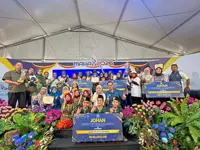
“The competition awarded grants to seven groups that successfully pitched sustainable projects fostering unity within their communities,” said Chua.
Two groups received the excellence award, three were honoured with the most promising award and another two received the consolation award.
Grants of RM15,000, RM10,000, and RM5,000 were awarded to winners of the respective categories.
Started by Persatuan Sahabat Komuniti Mampan Selangor dan Kuala Lumpur, Village Vision works for community togetherness while aiming to reposition the role of new villages nationwide.
It does this by discovering and nurturing the unique characteristics and values of the villages.
StarMetro discovers more about three projects that won the excellence and most promising awards.
Continuing a fishing tradition
Did you know that fishermen in Kuala Sepetang, Perak, once used special clothing dyed with mangrove bark?
Back in the 1920s, fishermen would insulate their shirts and strengthen their nets with a reddish dye rich in tannin, extracted after submerging mangrove tree bark in water.
This dyeing process, known as “ni siap” in the Teochew dialect had begun to fade by the 1970s as modern fishing equipment replaced traditional methods.
Look! Port Weld, a non government organisation, is working to preserve the practice.

“Back in the day, fishermen wore shirts with the mangrove dye due to its water-resistant properties.
“However, such methods had slowly died out because fishermen no longer needed to dive into the sea, possibly due to the use of mechanised fishing equipment,” said Look! Port Weld group member Go Tyan Yin.
Recognising the cultural significance of this lost art, Go collaborated with Taiwanese artist Luisa Hung, who has been based in Penang for decades, to revive the fishermen’s shirt or baju nelayan.
Together, they modernised the design of the fishermen’s clothing while preserving its historical essence.
“After speaking to some villagers and finding out about the long-lost tradition of making fishermen’s clothing with mangrove dye, I partnered with a tailor to refine the details and create various versions,” said Hung.
The project generated much interest among villagers, especially the younger generation, to learn about “ni siap”.
“Kuala Sepetang is renowned for its thriving fishing and charcoal industries, which have historically been male-dominated, while the women in the community primarily engaged in tailoring and other supporting roles.
“Back then, female villagers would also make fishermen’s clothing with natural dye,” said Hung.

Women and children from the village participated in workshops to create updated and modern versions of these garments, which were also showcased during an exhibition last year.
Villagers also proudly modelled the outfits during a fashion show.
Winning the excellence award has propelled their project further and the group plans to expand the use of mangrove dye in other products, further enhancing Kuala Sepetang’s identity as a village rooted in fishing and mangrove conservation.
“Bringing back this tradition offers villagers an opportunity to rediscover fragments of a lifestyle that was once a norm and had disappeared for half a century,” Go said.
“It also brings the community together while cementing the identity of Kuala Sepetang.”
Green oasis in school
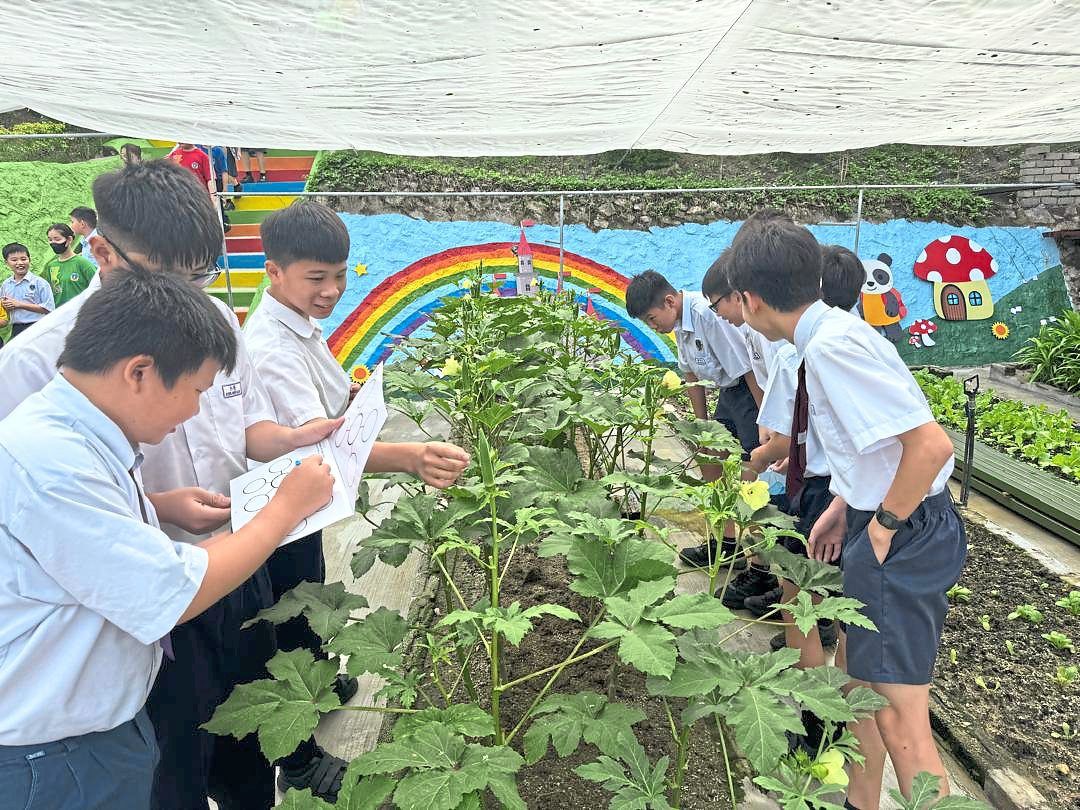
In Kampung Baru Ampang, in Ampang, Selangor, a neglected schoolyard at SJK(C) Kg Baru Ampang (KBA) has been transformed into a vibrant community farm and learning space.
The initiative called “Sustainable School, Sustainable Community,” integrates environmental education with greening efforts and has become a hub for villagers and pupils alike.
“The school, established in 1952, had seen a decline in enrolment over the years.
“During the Covid-19 pandemic, the decision was made to demolish a disused school block and turn the space into a community farm.
“What began as a practical solution for underutilised land has evolved into a platform that unites the community,” said the school’s board of directors chairman Phang Yew Choy.
Once the project became more known, school alumni, teachers, and local residents eagerly joined, contributing their time and effort to establish the thriving community farm.
The initiative integrates environmental education with greening efforts through three flagship projects: KBA Learning Vegetable Farm, KBA Reading Garden called “Medan Ilmu” and the Integrated Special Education Class.
It also serves as an educational tool for pupils to learn about agriculture, waste management and sustainability.
Special needs children participate in sensory learning activities, such as watering plants to develop their motor skills.
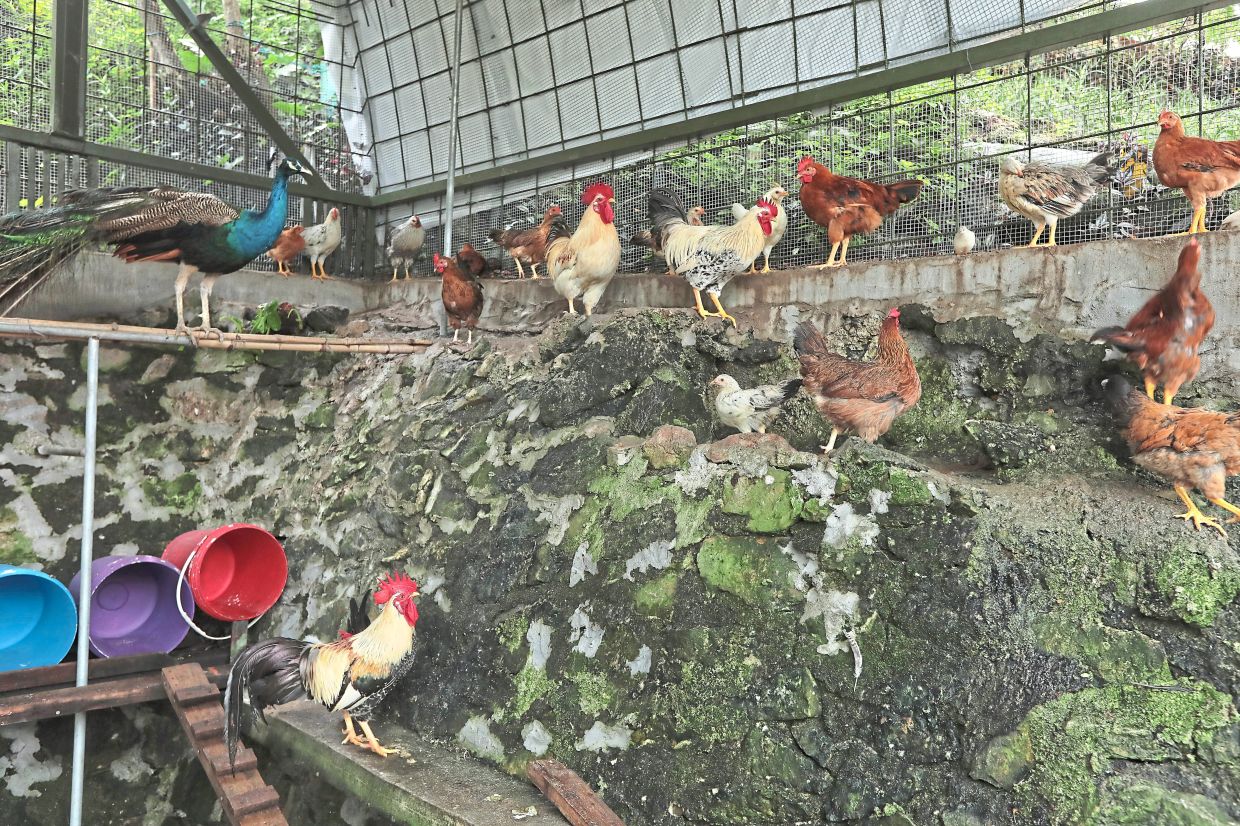
The half-acre farm has vegetables, fruits, flowers, a fish pond and an enclosure for birds like chickens and peacocks.
Proceeds from the sale of vegetables go towards sustaining the farm while some of the harvest is given to villagers.“We incorporated the farm to help higher primary pupils learn to care for plants and record their growth while lower primary pupils can enjoy the natural setting,” said the school’s headmistress Chai Fui Chen.
“It also acts as a space for special needs kids to engage in sensory learning,” she said.
The project, which won the excellence award, is set to expand further.
Plans include introducing black soldier fly larvae to break down food waste and microalgae cultivation to absorb carbon dioxide.
“These additions will educate students about recycling and carbon reduction while enhancing the farm’s ecological value,” said Phang, adding that the plan was expected to be ready by April.
Round the mulberry tree
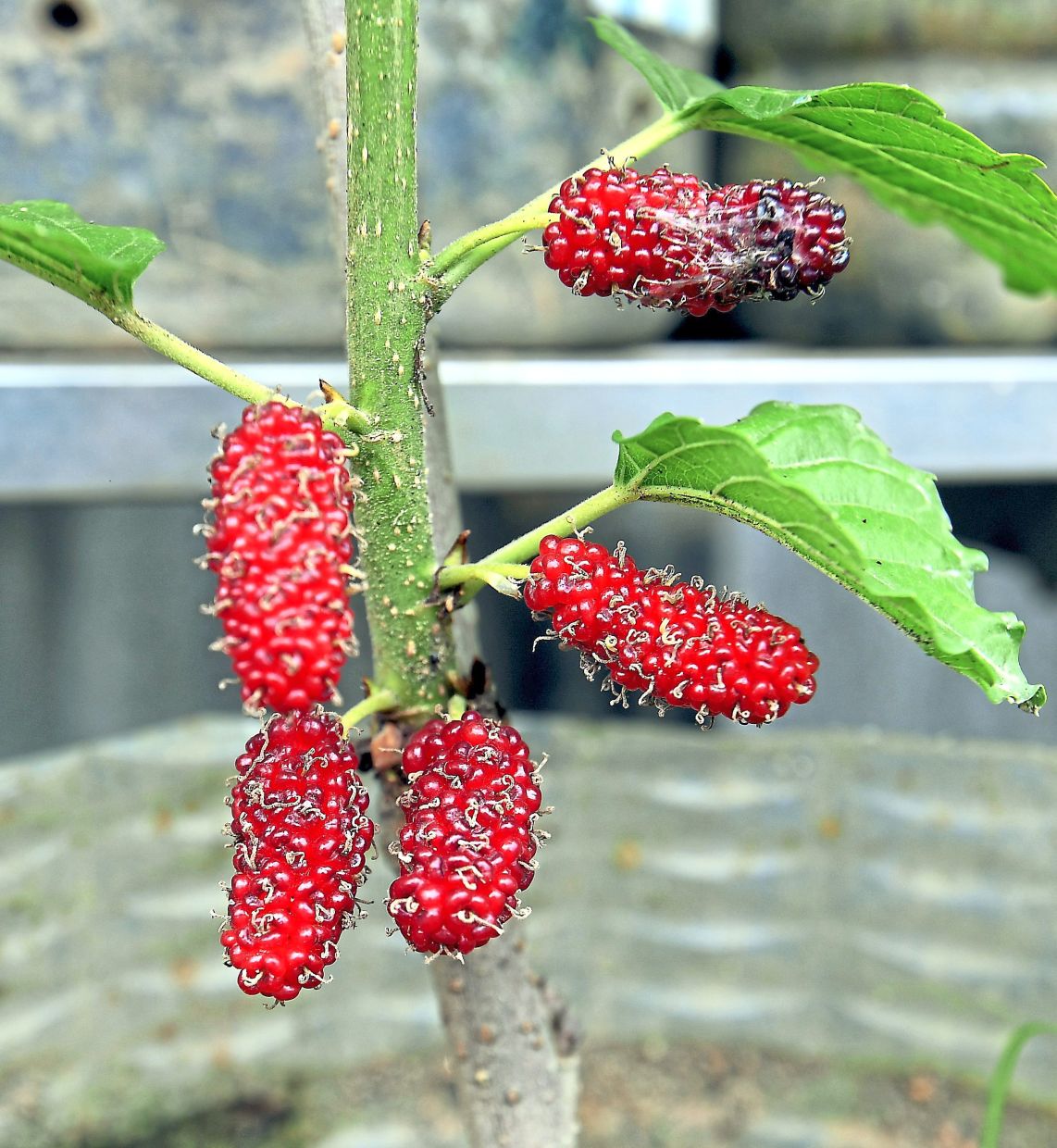
In Kampung Baru Sri Berjuntai, Bestari Jaya, Selangor a project involving mulberry trees has brought the community closer.
Village chief Chiang Yoke Leong initiated the mulberry trees planting project to give the elderly a sense of purpose, especially those living alone.
“The ageing population in our village often face issues like loneliness.
“By involving them in mulberry tree planting, we’re fostering community engagement and ensuring they feel valued.”
Chiang partnered with Amy Lew, a resident with over 10 years of experience, to cultivate the mulberry trees.
They now have about 300 trees which require minimal maintenance in her backyard.
“Malaysians are not familiar with mulberry trees; there are more than 200 different strains.
“However, I only grow a few good strains as they produce more fruits throughout the year,” Lew said, adding the trees were easy to grow.
“When the fruits grow, we have only a two-week period to harvest them or it becomes food for the birds,” Lew said.
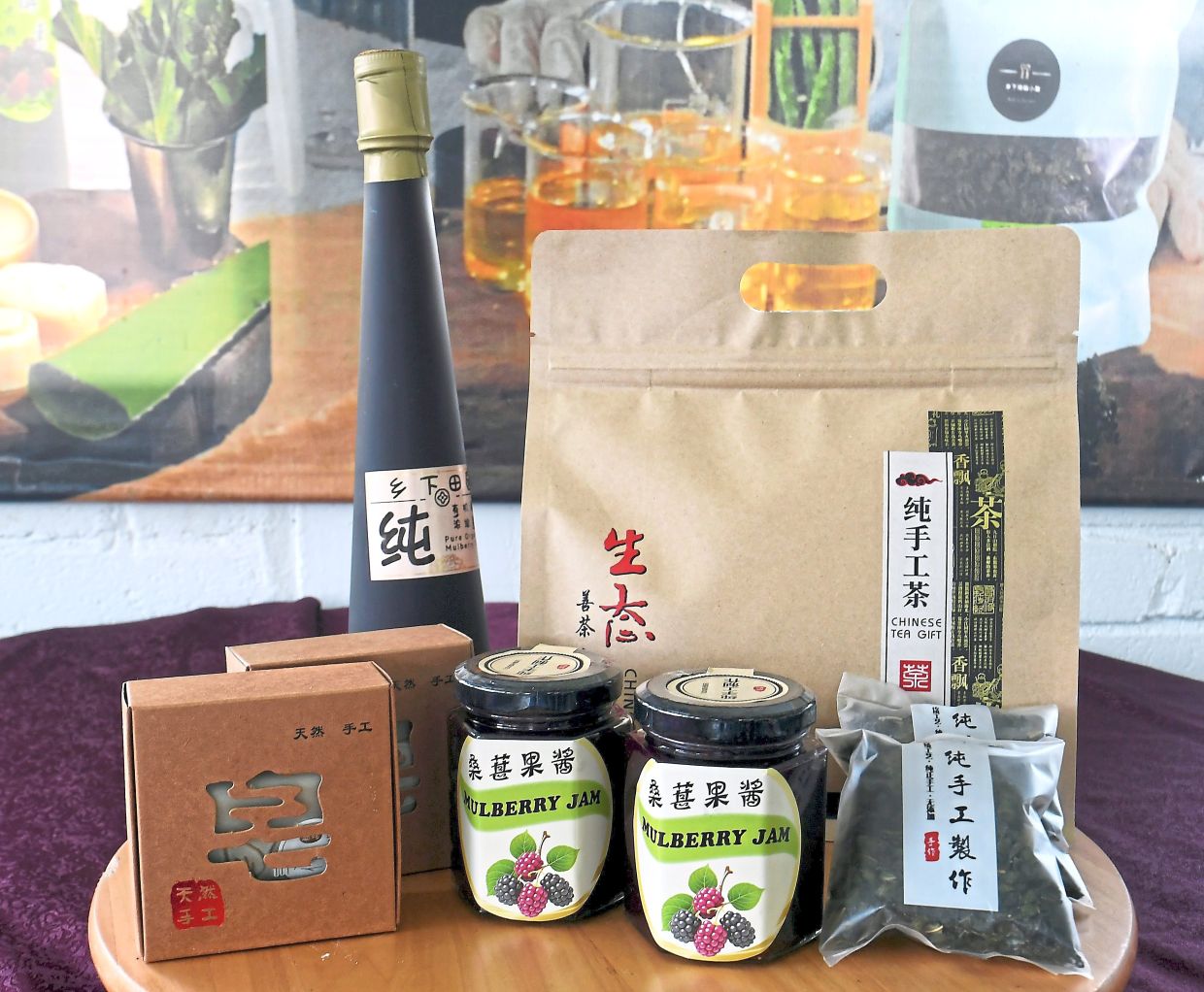
Lew and Chiang also organised workshops on making jam, syrup, juice and tea, creating new income opportunities for villagers.
“Neighbouring Malay villages have also showed interest and we have given them tree saplings to cultivate.
“The project has not only connected the residents here but also fostered better ties with surrounding villages,” he said.
The project, which won the most promising award, also attracted tourists.
Visitors can tour Lew’s farm and learn about the different types of mulberry trees and uses.
Chiang envisions the mulberry tree becoming an enduring symbol of Kampung Baru Sri, Berjuntai and the villagers’ resilience and adaptability.