EIGHTY shuttlers, among whom are 63 with intellectual and developmental disabilities (IDD), are competing at the Special Olympics Asia Pacific Badminton Competition in Kuala Lumpur.
The four-day meet at Stadium Juara in Bukit Kiara involves athletes from Bangladesh, India, Indonesia, Maldives, Pakistan, Papua New Guinea, the Philippines, Singapore and Thailand, aside from Malaysia. It ends tomorrow.
It features men’s and women’s singles, doubles and unified doubles, in two age categories – 16 to 21 and 22 to 33.
Unified doubles is a category that pairs players with and without IDD.
There are 17 unified partners – players without disabilities – in this competition.
Malaysia’s contingent comprises 12 shuttlers with IDD and four unified partners.
Special Olympics Asia Pacific Badminton Competition organisers said the event expanded opportunities for people with IDD, who often faced social exclusion and discrimination.
The competition’s opening ceremony on Wednesday featured a delegation march-in and speeches by officials from Malaysia and Special Olympics Asia Pacific.
Special Olympics Malaysia president Bong Koi Sin said sports offered benefits beyond the game arena.
“It fosters personal growth, builds confidence and strengthens social bonds that empower athletes.
“The resilience and joy that these athletes bring inspire us to value every individual’s potential,” he said.
Youth and Sports Ministry’s Sports Development for People with Disabilities branch director Siti Mariam Ahmad Tobias said Malaysia was proud to host the competition.
“We welcome athletes and partners from across the region.
“This platform shows that sports belong to everyone, regardless of ability,” she said.
Special Olympics Asia Pacific regional president and managing director Dipak Natali said the competition reflected growing partnerships with the Badminton World Federation (BWF), Badminton Asia and Badminton Oceania.
“True inclusion is achieved when every person, regardless of ability, is given the chance to discover their strengths and be celebrated for their contributions. This competition is a reflection of that,” he said.
BWF president Khunying Patama Leeswadtrakul said the partnership aligned with the federation’s mission.
“Our vision is to give every child a chance to play badminton for life.
“The Special Olympics’ efforts to expand opportunities for people with cognitive challenges fit perfectly with this.
“Playing badminton brings joy and important health benefits, enhancing quality of life,” she added.
In a media statement, Special Olympics Malaysia national director Connie Yee said this badminton competition was a historic moment for the country’s inclusive sports movement.
“Hosting this event is a significant milestone in progressing Malaysia’s inclusive sports movement.
“It not only showcases sporting excellence, but also reinforces our regional commitment to inclusion, dignity and equal opportunity,” she said.
Special Olympics Kuching coach Badrul Hisham Majid, who trains football and badminton players, said sports give athletes a sense of purpose.
“It is not just about learning how to play, but about building discipline, focus and resilience.
“Many of them come in unsure of themselves. Through training and teamwork, they begin to grow in confidence.
“They form friendships, develop routines and start to believe in their own potential, not just as athletes but as individuals,” said Badrul Hisham.
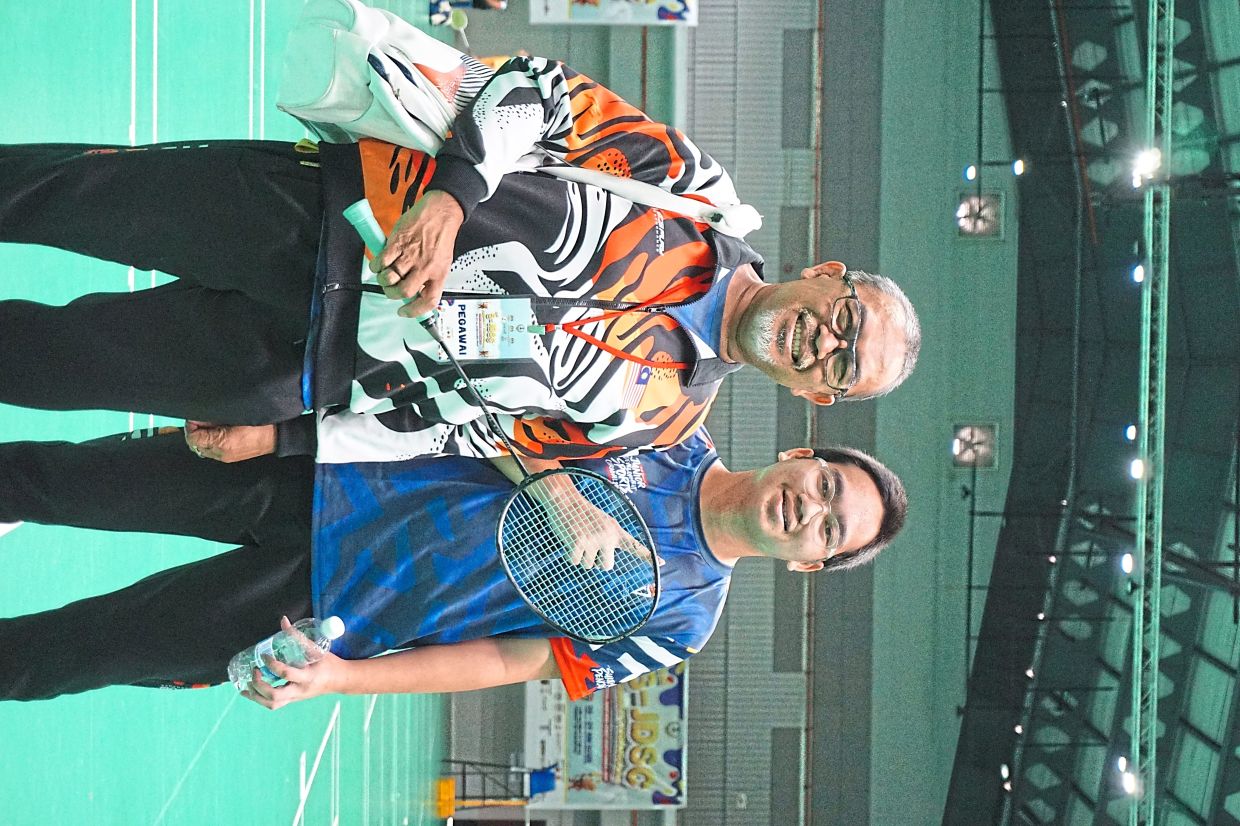
Among the Malaysian athletes competing is 21-year-old Muhammad Hafiyyan Mat Noor from Putrajaya, who has developmental disabilities.
His father and coach Mat Noor Ramli said badminton had helped his son gain confidence since picking up the sport at age 10.
“Hafiyyan started to grow in confidence, with the support of the Special Olympics community.
“He has since developed a fast-paced playing style that has supported him in reducing the risk of having seizures during prolonged matches,” said Mat Noor.
Hafiyyan, who won gold at the Special Olympics Malaysia Unified Badminton Championship last year, said he was honoured to represent Malaysia.
“Being selected is a dream come true. Badminton has helped me grow stronger despite the challenges I face.
“I always remind myself not to give up. I want to keep improving and wear the national jersey with pride,” said Hafiyyan.
Special Olympics Pakistan’s shuttler Ibni Amin said inclusive events spread awareness and respect.
“Events like this matter because they give every athlete the chance to show what they are good at.
“Sports have the power to unite people of all abilities,” he said.
Malaysian Aqilah Qistina Addei, a unified doubles player, agreed.
“These competitions provide equal opportunities, strengthen relationships and build self-confidence,” she said.
The event is supported by Youth and Sports Ministry, Malaysia Stadium Corporation, FWD Takaful, Spritzer, Baker Hughes and various other sponsors.
The Healthy Athletes Programme, backed by Golisano Foundation, is also being held at the venue until today. It offers free screenings in physiotherapy, dental, optometry, mental health and general health to athletes with IDD.
Special Olympics and BWF are expected to launch the Badminton Impact Report 2020-2024 today, highlighting the sport’s growth among people with IDD, the involvement of coaches and unified partners and the positive impact on athletes’ lives.
Special Olympics Asia Pacific has seen steady growth in badminton, with 16 countries now offering training. — By MEGAT SYAHAR