INTERIM Manchester United coach Michael Carrick faces his biggest test yet when Premier League leaders Arsenal visit Old Trafford tomorrow.
With United still bubbling and riding the momentum of their sumptuous derby triumph over Manchester City last weekend, Carrick will know deep down that if he can pull this off, he may well be given the job outright, although he’ll have to follow it up with a few more nuggets, to be honest.
The defeat of City did more than lift spirits; it resurrected a sense of club structure, football clarity and fan belief that had been missing for quite a while now.
The question is whether Carrick’s United can transform this renewed purpose into a performance good enough to unsettle and upset the Premier League’s most polished side.
Carrick’s impact has been unmistakably outstanding, and equally welcome. Against City, they looked calmer in possession, a lot more compact without the ball and a great deal less vulnerable when in transition.
Their defensive lines last weekend stayed connected, their pressing was more triggered and their attacking ploys were displays of intent rather than those of desperation.
It was a performance that clearly gave notice United have rediscovered a blueprint rather than stumbled into a one‑off surge of raw emotion.
They will need every ounce of discipline against a Gunners unit that has spent the past three seasons refining a title‑challenging identity.
Mikel Arteta’s squad boasts the league’s best defensive record, a midfield that thrives on territorial control and a front line that attacks from almost every direction.
The trio of Declan Rice, Martin Zubimendi and skipper Martin Odegaard has given Arsenal a midfield balance that few teams in England, or indeed Europe, can disrupt.
They can dominate the half‑spaces, which has become key to their superiority.
Carrick’s bid for stability will likely see him opt for Ugarte as the anchor and hand Fernandes a more defensive role too.
United’s wide players will be called upon to be decisive, if only because of Bukayo Saka’s ability to isolate full‑backs and force centre‑halves into uncomfortable decisions – this is among Arsenal’s more reliable attacking formations.
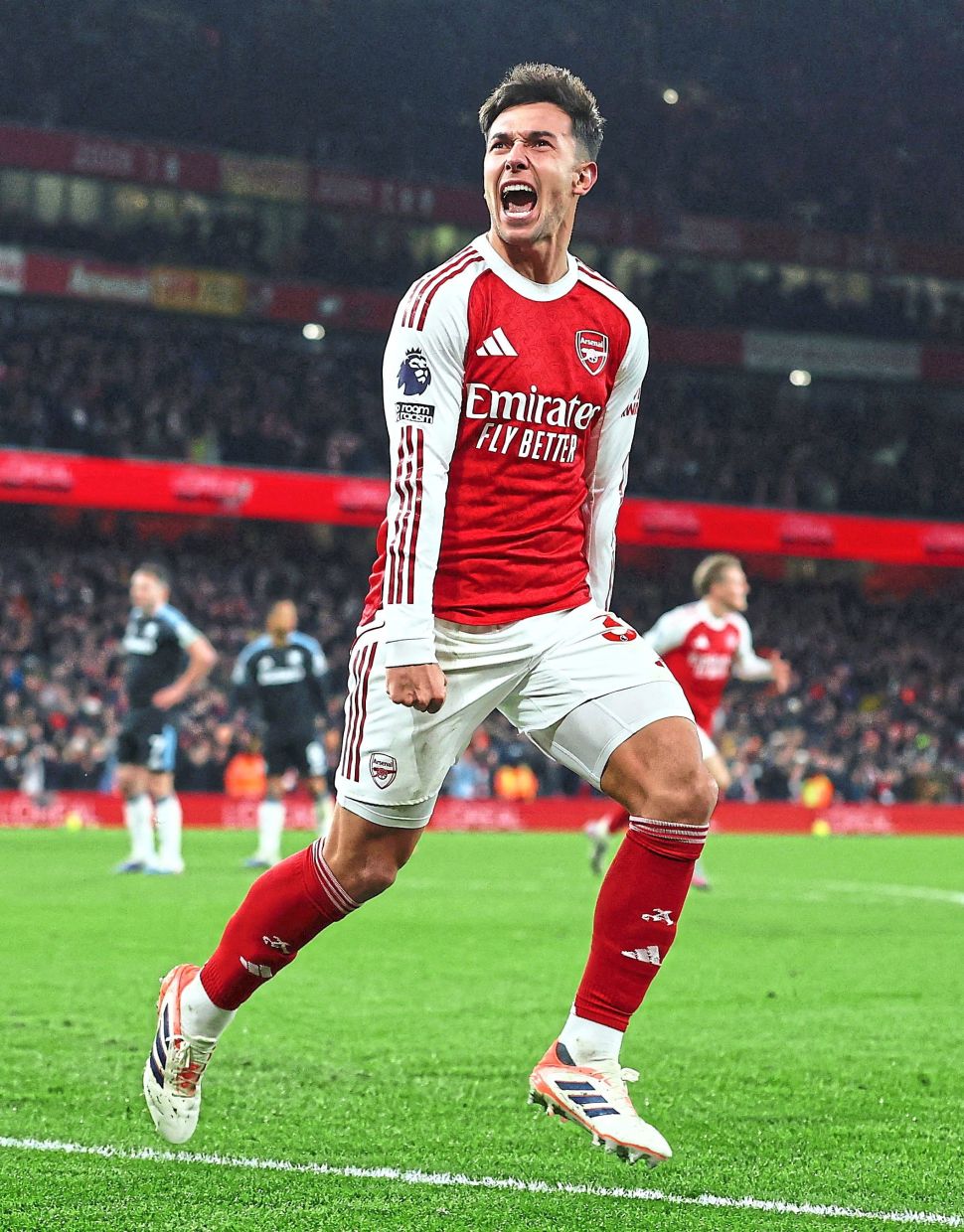
Gabriel Martinelli’s diagonal runs on the opposite flank, into the blindside of defenders, are often used to destabilise even the most organised of defences.
United’s Patrick Dorgu and Amad Diallo, grafting as wing‑backs, will need support from the midfield to avoid being exposed in one‑on‑one situations.
Up front, Benjamin Sesko’s role will become even more pivotal.
His hold‑up play against City gave United a massive release valve, allowing them to escape pressure and bring more back-up into the game.
Against Arsenal, he’ll need to worry William Saliba persistently and disrupt the Gunners’ defensive rhythm.
Arsenal’s press securely designed in their 4‑4‑2 structure, with Viktor Gyokeres joining Odegaard to lock the centre, is employed specifically to have the opposition resort to long balls.
Carrick’s tweaks against City, using shorter passing chains, closer angles and simplified distribution – will need to work again against Arsenal, who so ruthlessly punish hesitation.
Set‑pieces have offered Arsenal clear advantages this season, with some distinction.
The threat Saliba, Gabriel and Rice pose in the air is one of the Premier League’s most lethal weapons of attack.
In contrast, United have been inconsistent in dead‑ball situations, and will also need to cut down on fouls around the box.
If Arsenal strike early, they will suffocate the tempo and force United into fewer attacks.
And we all know that a tight contest deep into the second half will favour Arsenal’s depth, although United’s Carrick-driven confidence should give them at least a fighting chance.
For Carrick, this will be more than a tactical examination.
It will be an opportunity to show that the derby win was no fluke but the start of a genuine revival.
For Gunners boss Arteta, it should be another step in a title race that demands utmost consistency.