
Cats may be everywhere in Kuching, Sarawak but as one local jokingly puts it, the real ones are harder to find because they have all been turned into statues.
Indeed, larger-than-life feline statues greet visitors along the city’s streets, a playful nod to its name, which means “cat” in Bahasa Malaysia, while beyond these familiar landmarks lies a destination rich in cultural traditions, distinctive flavours and natural wonders.
About 35km from the city centre, Sarawak Cultural Village at the foot of Mount Santubong gives visitors an introduction to the state’s rich heritage through traditional houses, handicrafts and customs of seven major ethnic communities: Bidayuh, Iban, Orang Ulu, Melanau, Malay, Chinese and Penan.
Ibrahim Abdullah, marketing and public relations head of Sarawak Cultural Village, said that the place works with tourism agencies to attract more international visitors by promoting the state’s cultural heritage.
He expressed optimism that AirBorneo’s new direct flight service between Kuching and Jakarta, Indonesia will help attract more Indonesian visitors, noting that fewer than 500 Indonesians visited the village between January and October this year, out of nearly 35,000 international visitors.
“We need to encourage more visitors from Indonesia. They do come, but not in the same volume as visitors from other places,” he said in an interview.
Beyond its traditional houses and cultural performances, the village also hosts the internationally renowned Rainforest World Music Festival each year, which brings musicians and audiences together against the rainforest backdrop of Mount Santubong.
Sarawak’s Tourism, Creative Industry and Performing Arts Minister Datuk Seri Abdul Karim Rahman Hamzah also sees the new route as an opportunity to strengthen two-way travel and deepen tourism and cultural exchanges.
“In the coming years, we see this as a very promising market. We expect it to grow,” he said at a cultural entertainment event in Kuching recently.
For Indonesian tourism industry player Christyana, who was part of a recent media familiarisation trip to Kuching, the city offers a break from hectic city life.
“Kuching has something that is increasingly valuable for people living in big cities: a chance to slow down, unwind and reconnect with themselves,” she said.
She believes stronger promotion and more direct flights could make Sarawak an attractive getaway for Indonesian travellers.
Food is another attraction, with Kuching’s local favourites such as Sarawak laksa, mi kolok (or kolo mee) and kek lapis also popular with tourists. Its culinary heritage earned the city recognition as a Unesco Creative City of Gastronomy in 2021.
The city’s name itself has an interesting history. One popular account suggests that James Brooke, Sarawak’s first White Rajah, mistook a local reference to a passing cat for the settlement’s name. Another traces it to mata kucing fruit trees once found near a stream in the city.
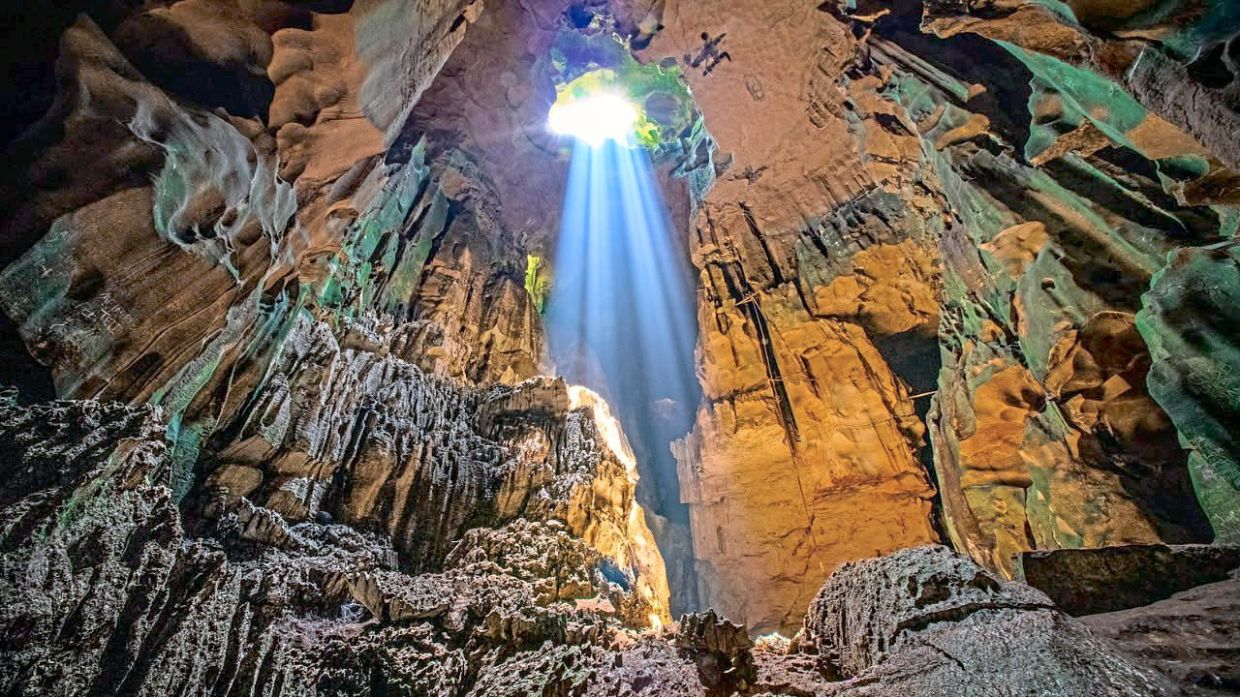
Beyond Kuching, Sarawak also has natural and archaeological attractions, including two Unesco World Heritage Sites: Gunung Mulu National Park, renowned for its extensive cave systems and limestone formations, and the Niah National Park Caves Complex, where evidence of human activity dates back tens of thousands of years.
The state is developing its hydrogen-powered Autonomous Rapid Transit (ART) system to modernise urban mobility, while good private healthcare facilities are gaining traction in the medical and wellness tourism sector.
Indonesian tourism industry player Angelica was impressed by Kuching’s cleanliness and well-organised surroundings.
She said many Indonesians already travel to Sarawak for medical treatments, but believed direct flights could encourage them to explore its leisure attractions as well.
AirBorneo chief executive officer Megat Ardian Wira Mohd Aminuddin had previously identified medical and leisure tourism as key markets for the Jakarta-Kuching service, describing Kuching as a gateway to Sarawak’s wider tourism attractions.
Indonesia’s importance to Sarawak’s tourism industry is reflected in official figures: As many as 490,254 Indonesian visitors arrived in the state between January and September this year, making it the second-largest international source market after Brunei, according to the Tourism, Creative Industry and Performing Arts Ministry. – Nik Nurfaqih Nik Wil/Bernama