The children giggle as they coax several horses closer with half-eaten apples, their laughter drifting across the fields. Nearby, their parents sit at wooden benches with a picnic and glasses in hand, while above them the sky holds its pale wash of gold and blue.
At first glance, this could be an ordinary summer afternoon in Europe, except that it isn’t. The clock says it is less than an hour to midnight.
This is Iceland in June, when night time never quite arrives.
Because the country lies so close to the Arctic Circle, the Earth’s tilt keeps the country angled towards the sun for unusually long hours during the summer months, stretching daylight deep into what should be night.
In winter, the same tilt brings the opposite extreme, reducing daylight to a brief visitation – perhaps explaining the exuberance I glimpsed through the windows of my hotel.
I had long been taken by the romance of the midnight sun: the notion where one might set off on a walk after dinner or sit by a window at 1am and still make out the outline of mountains against the sky.
But during my journey there, I met an American couple who compared it to summers in Alaska in the United States, where the refusal of darkness, they said, could unsettle the body’s natural rhythms.
Sleep becomes frayed, tempers shortened, and accidents are more likely to happen.
Even law enforcement, they claimed, braced for the season differently.
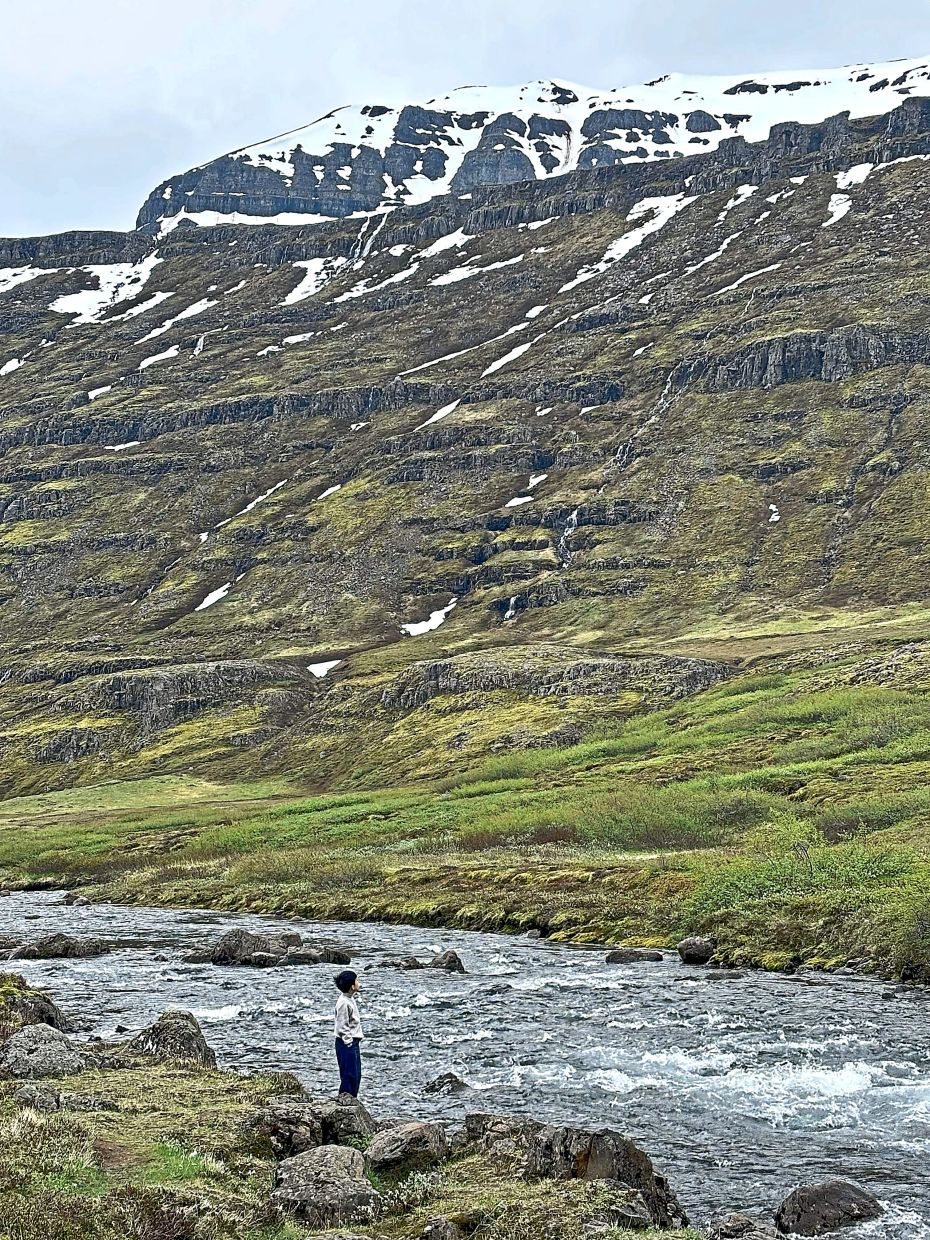
Their words stayed with me as I step onto Icelandic soil for the first time, in the fishing town of Seydisfjordur in the remote east, where dozens of waterfalls spill, almost extravagantly, from the mountains around us.
Here, summer is benevolent by European standards – a chill in the air, low broody clouds and a kind of silvery softness permeates the landscape.
Into the otherworld
In our rental 4WD, we join Iceland’s main highway, the Ring Road, the famous loop most visitors follow because it delivers the country’s headline sights: waterfalls, glaciers, black sand beaches, volcanoes and lagoons of improbable blue.
But there is another, lesser-known Iceland beyond it, reached by the F-roads – remote mountain tracks open only in summer, when the snow has retreated enough to allow passage.
Across the country, a subculture of super jeeps and modified trucks has grown around these roads, their enormous tyres built for river crossings, gravel, ice and the particular Icelandic pleasure of going where ordinary cars can’t.
On a few occasions, we see one of them lumbering past, all hulking wheels and raised suspension, looking like an off-duty monster truck.
For long intervals, though, there are no houses, no shops, no reassuring signs of human busyness; only sheep, water, rock and sky.
And somewhere along that first drive, with the landscape morphing around us, I feel my guard begin to loosen and the first stirrings of affection for a country that looks, at times, like another planet.
Our first meal is in a pizza joint. There is reindeer on the menu, but after a day spent staring reverently at the wilderness, we retreat to the more familiar comfort of jalapeno pizza.
The man taking our order warns us that the jalapeno pizza is spicy, and even offers to tone it down. I, foolishly confident in my Asian tolerance for heat, wave away his concern.
The result is a pizza of startling ferocity, and I later learn that spice, as an everyday pleasure, is a relatively recent arrival in Iceland – and one the country appears to have embraced with the zeal of a convert.
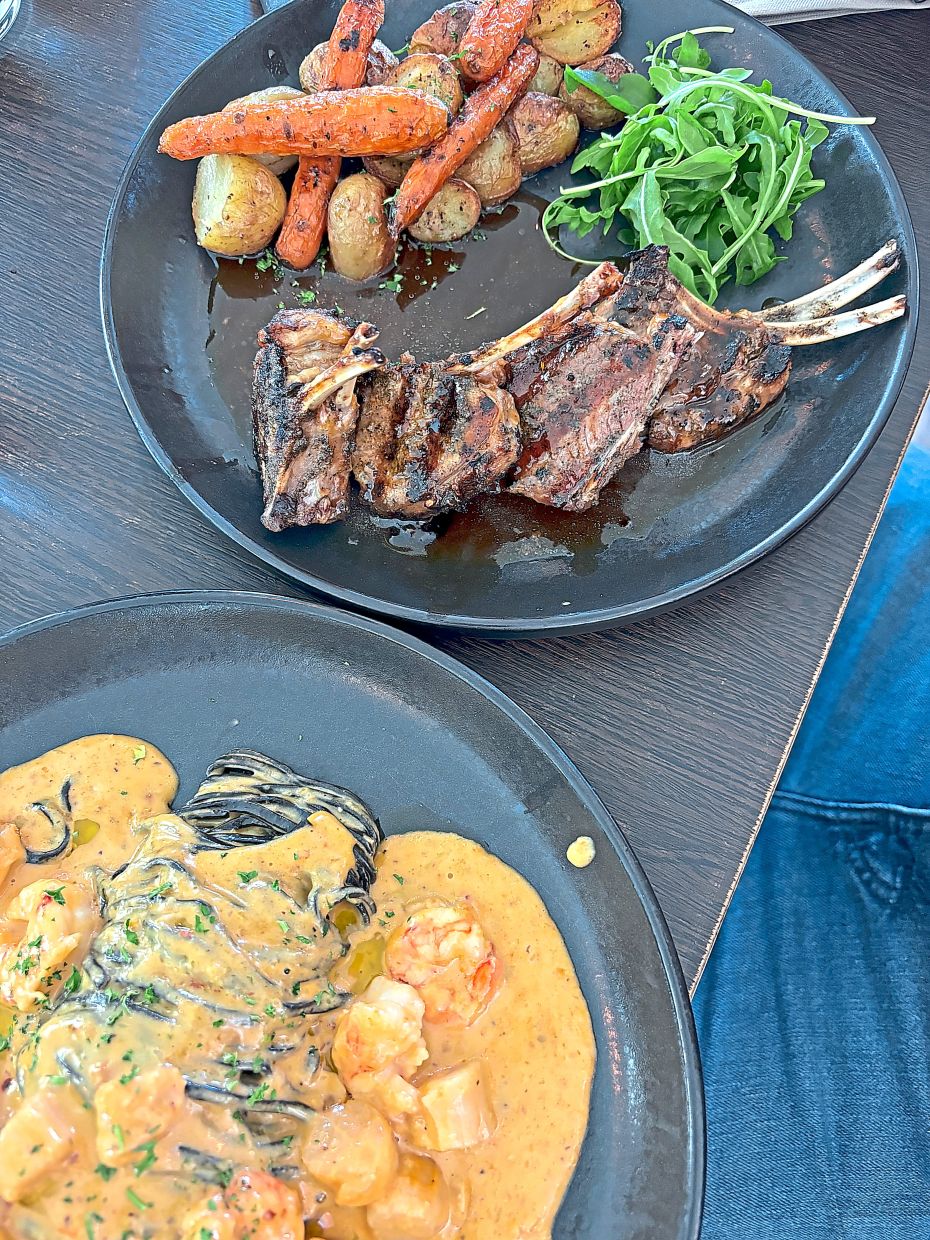
When the cashier rings up the bill, the number on the register gives us a second jolt: 11,700 Icelandic krona, or about RM378, for three pizzas. We will soon learn that Iceland is very expensive, thanks to its geographical isolation, small market, high costs and reliance on imported ingredients, and this first sit-down meal would be our cheapest in the country.
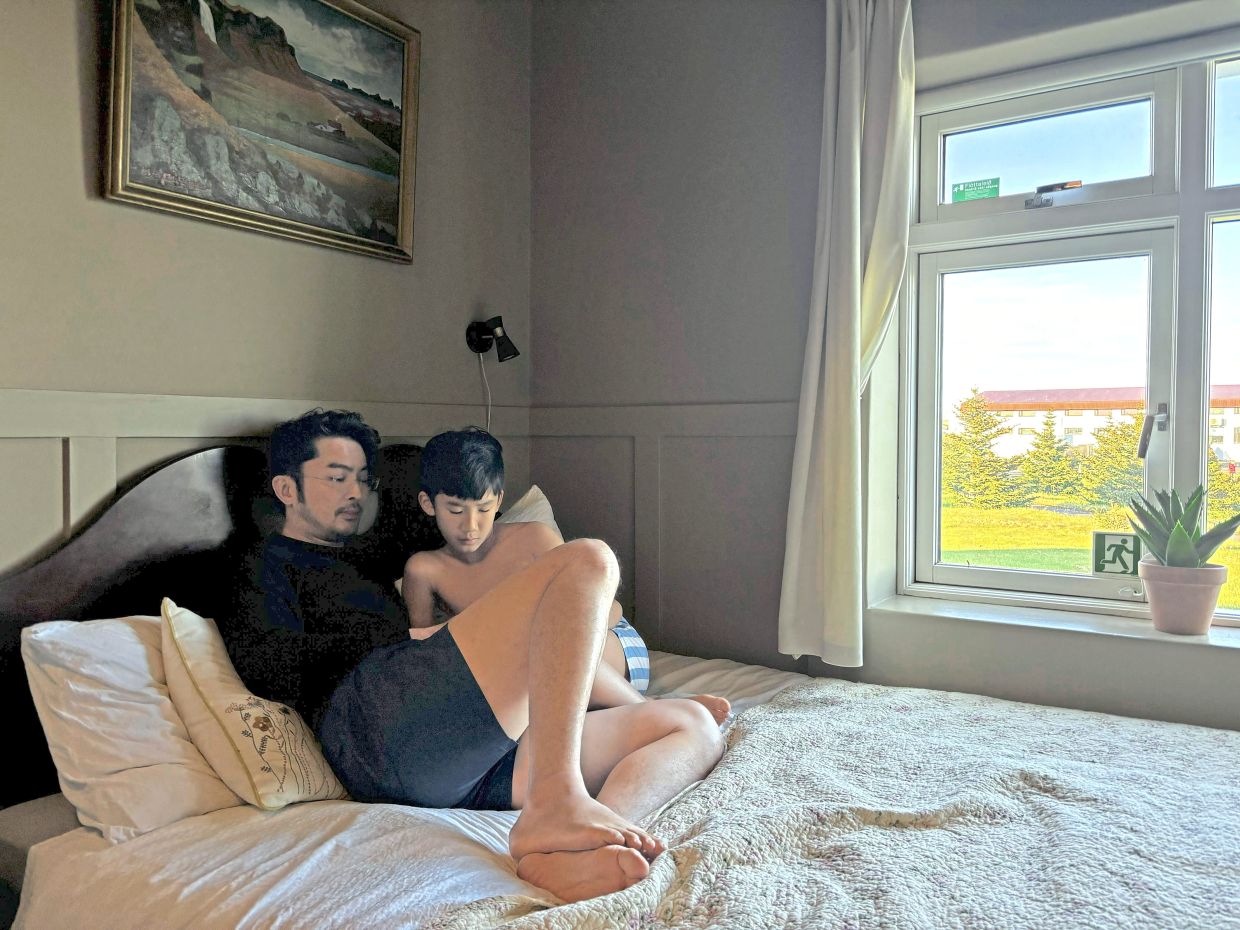
By the time we reach our hotel near the glaciers, the day has stretched into that strange Icelandic suspension where time no longer seems interested in making itself useful. Despite all my earlier unease, we sleep like babies, not knowing that the country is about to change its mood.
The next morning dawns with an almost suspicious brightness. The clouds have lifted, and on the radio, newscasters are warning of the arrival of a super El Nino. We continue south, past the kind of scenery that makes the country feel almost mythological, wondering if it would impact our trip.
Big business
Over the next few days, the weather seems to defy every piece of Iceland advice I have ever read. The skies remain largely clear, the temperature hovers around 15°C, and the sweaters and rainproof jackets we had painstakingly packed and lugged around with us begin, one by one, to come off.
“This is very unusual weather,” says Norazman Chung, managing director of Berjaya Marina Reykjavik, when I meet him at the hotel towards the end of my trip.
A Malaysian who has lived in Iceland for the past 15 years while his wife and son remain back home, Norazman has learned to love the sun as much as the locals do.
He is not the only compatriot I encounter.
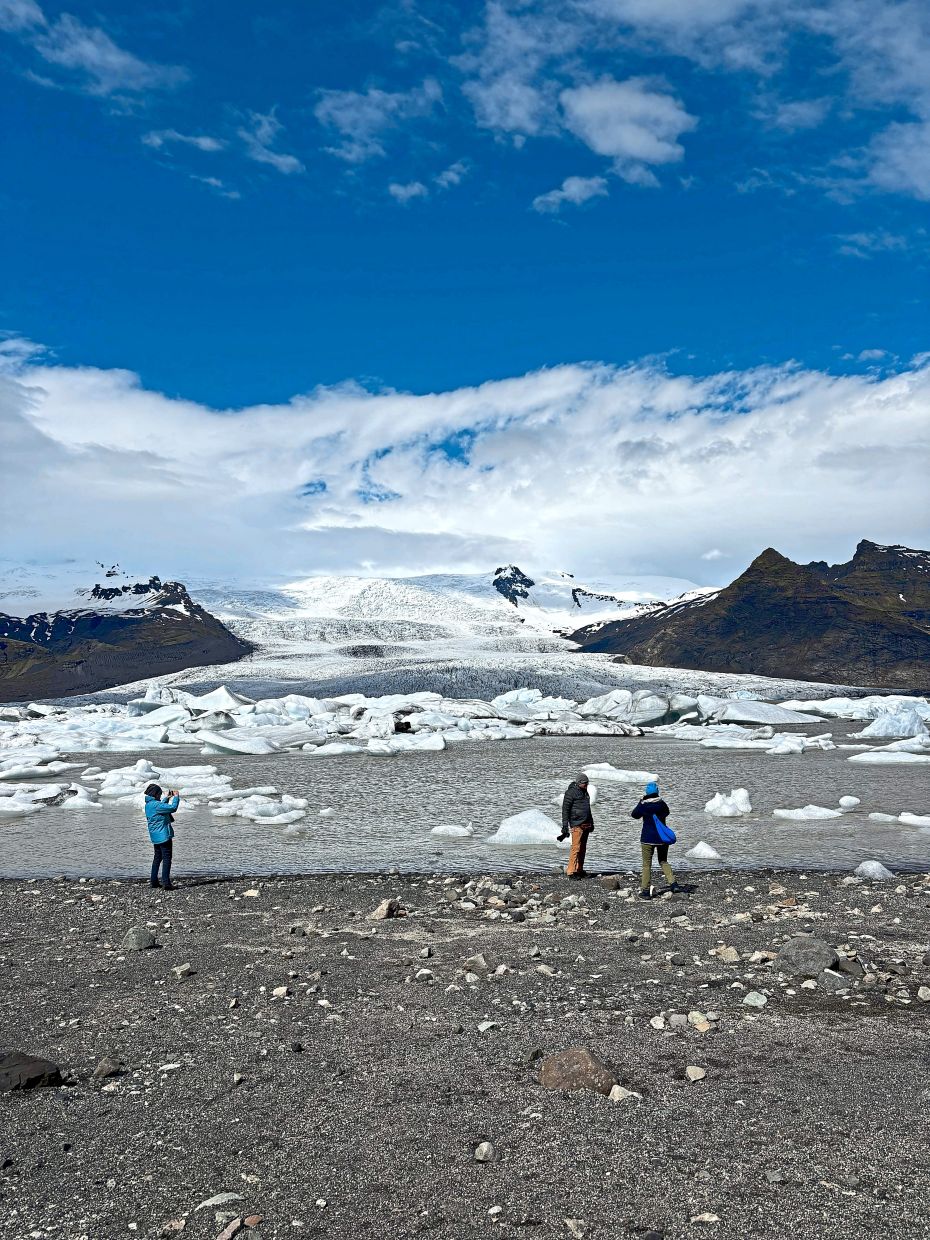
It is a small wonder, in itself, to find such a strong Malaysian presence in Iceland. Berjaya Group entered the market in 2019, when its subsidiary Berjaya Land acquired a majority stake in Icelandair Hotels. Their portfolio now includes 13 properties in Iceland: seven in the capital, with the rest dotting the countryside.
Set in the city’s old downtown harbour district, with views of hulking fishing boats, Berjaya Marina Reykjavik occupies a former paint factory that has been reimagined with a bright, offbeat sensibility.
In the reception area, a wooden sculpture by Icelandic artist Adalheidur S. Eysteinsdottir sits close to a bookcase made from 1,600 wooden blocks recycled from the hotel’s refurbishment. Slippbarinn, the hotel’s bar and restaurant specialising in hand-crafted cocktails, is a popular hangout spot for locals, especially on the luminous summer nights.
When the weather is kind and the wind drops, people go outside almost out of duty – to gather, to drink, no matter what time of the day it is. Very little, I am told, is accomplished on such days.
Very little sleep is had either.
Hospitality is not the only unexpected industry drawing outsiders to Iceland. As we talk, Norazman mentions another sector reshaping the country’s economy: data centres.
It seems at odds with the Iceland of postcards, but the country’s renewable energy, cold climate and relatively cheap electricity makes it attractive to cloud and AI companies.
Major data centres already sit largely in the southwest, and more are expected in the coming years. Some reports suggest the sector could one day overtake tourism.
The sleepless sun
It’s not the data centres that keep me awake but the light.
As we travel westwards towards Reykjavik, the long day begins to follow us indoors. In one hotel after another, it finds the small failures in human design: the gap between curtain and wall, the pale seam beneath a blind.
I find myself waking at 2am disoriented, unsure whether night has arrived at all.
I begin to understand why locals speak of summer as something both glorious and destabilising. In the car, I catch myself nodding off, which feels like a minor betrayal in Iceland, where the journey often matters as much as the destination.
The one thing that properly snaps me back to attention is fermented shark.
It’s handed to me one afternoon by an enterprising local who has bought and refurbished a cave, turning it into a small tourist attraction. The shark arrives in a plastic container, cut into tiny white cubes that look, at first, entirely harmless.
Then the lid comes off.
The smell is astonishing – sharp, ammoniac, somewhere between old cheese, damp socks and something that should probably have remained buried. Traditionally, he explains, Icelanders eat it as a snack, often with a local alcoholic spirit.
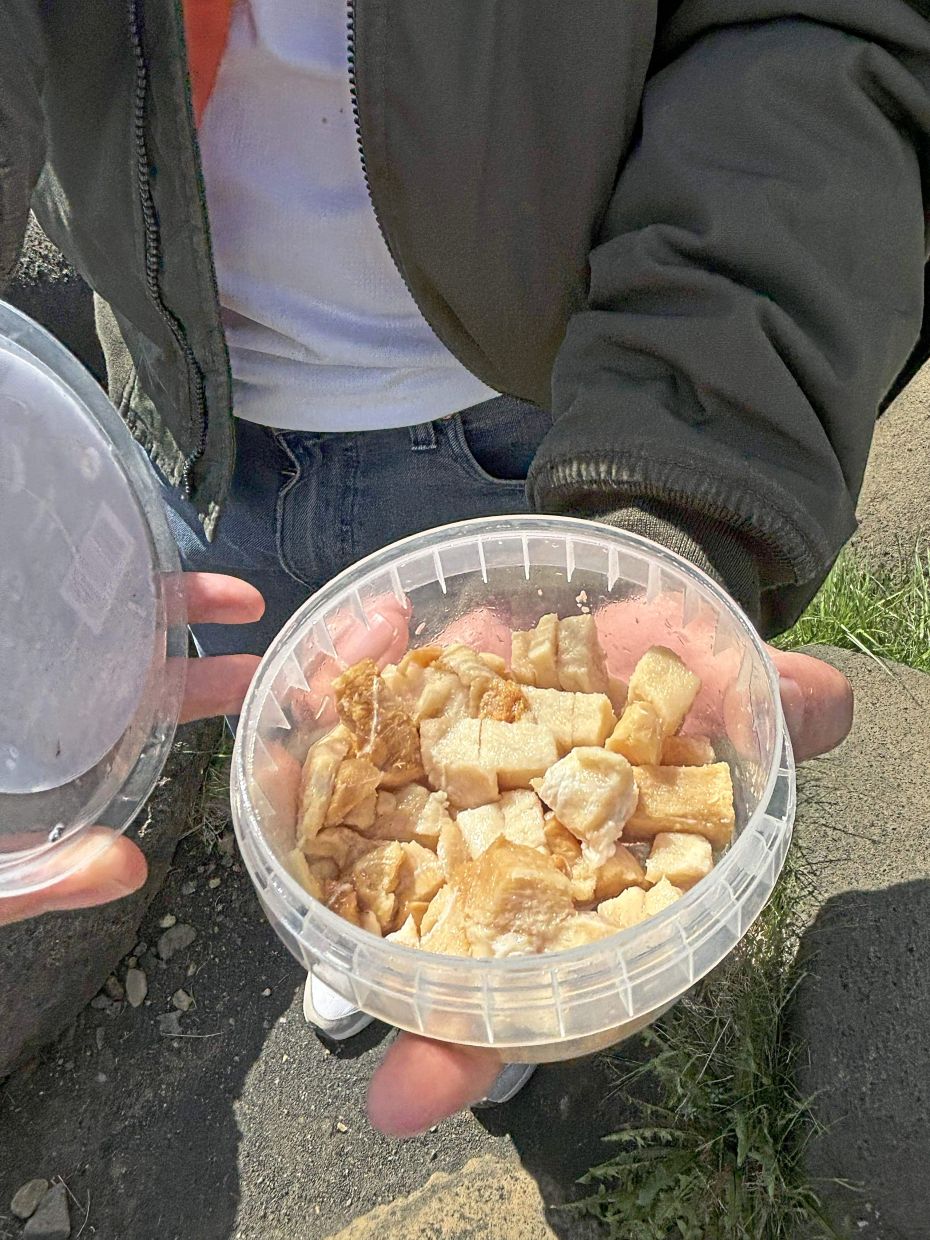
“It doesn’t taste as bad as it smells,” he says, adding that people usually eat only a few cubes at a time.
Shortly after, we reach Reykjavik.
Home to about 64% of Iceland’s roughly 400,000 people, the capital feels startlingly animated. The old town greets us in an explosion of colour, with bright facades and painted rainbow streets designed to hold their own against the country’s long grey spells.
Against a cloudless blue sky however, the effect is heightened. People spill out onto the streets from every corner, liberated of their heavy, woollen sweaters. In the distance, the magnificent Hallgrimskirkja church rises over the city, looking like a brutalist rocket ship, its concrete wings pointing towards the sky as if preparing for departure.
For our final day, we choose to partake in Iceland’s national pastime: soaking in hot water, preferably outdoors. I am told that Icelanders will go to a geothermal pool in rain, wind, sleet and even snowstorms.
There are about 160 geothermal pools across the country, but we go, inevitably, to the most famous of them all: the Blue Lagoon, that very touristy, very photogenic expanse of mineral-rich, impossibly blue water.
It is 8pm when we arrive, but the sky is still blazing. I catch sight of myself on my camera – clay drying across my face, hair slicked back, looking faintly like a long-lost member of some ceremonial tribe – and realise, with some amusement, that this is the most relaxed I have felt in days.
There have been no accidents, no frayed tempers, no brushes with law enforcement. Only a little brain fog, a slight fatigue, and the peculiar sensation that my mind has become mildly intoxicated by all this light.
Before coming to Iceland, I had learnt the phrase betta reddast – pronounced “thetta red-ast” – often described as the country’s unofficial motto. Roughly, it means: everything will work out. Not in the passive, careless sense of doing nothing, but rather meeting what can be met, enduring what must be endured, and trusting that the rest will sort itself out.
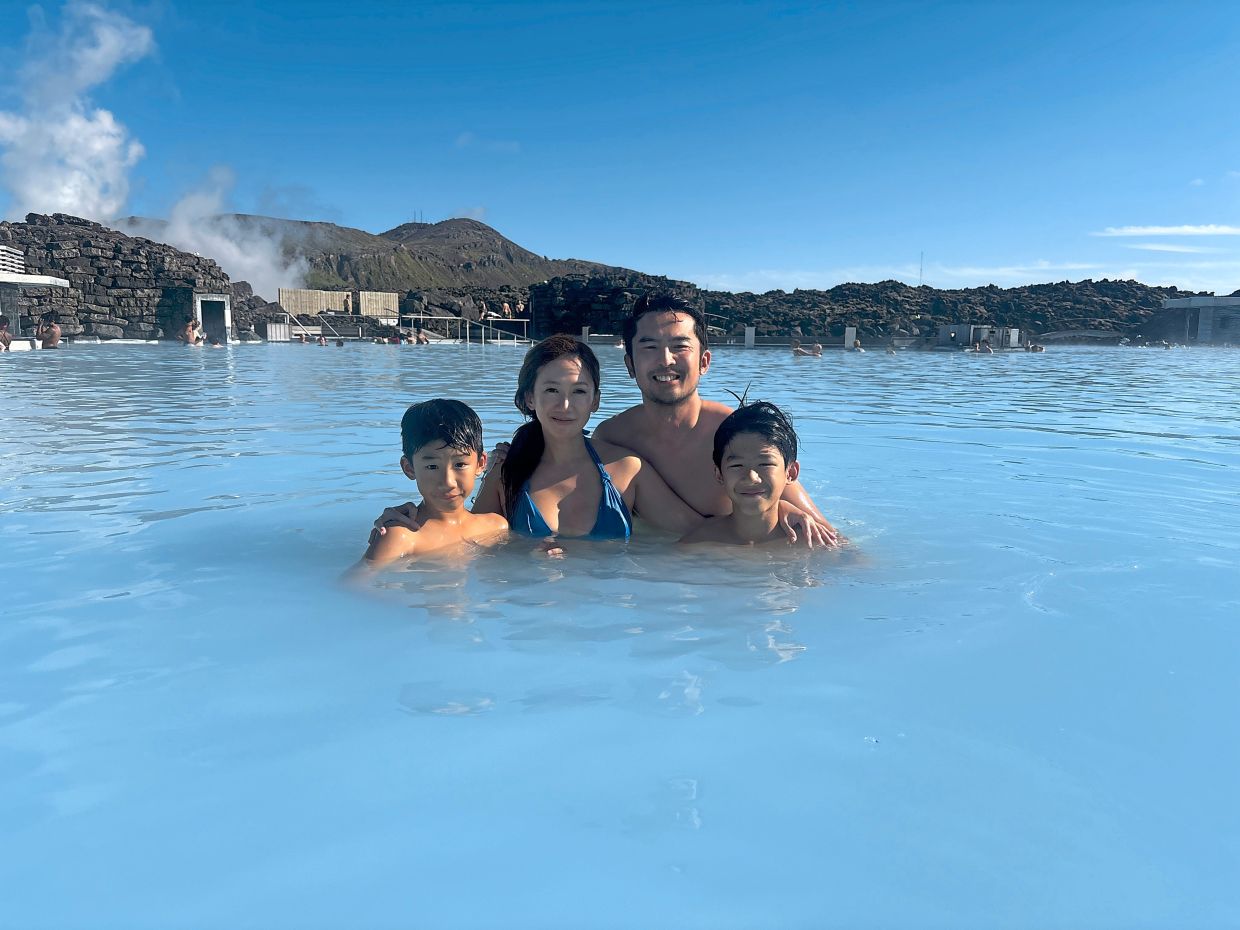
Sitting there in the Blue Lagoon, under an evening sky that still refuses to call it a day, I finally understand the comfort of it. The light will come through the curtains. The weather will change. The pizza may be far too spicy.
But Iceland has a way of wearing down resistance, until even a worrier begins to believe what the country has been saying all along: it will all work out.
Travel notes
How to get there: There are currently no direct flights from Malaysia to Iceland, so travellers will need to connect through major European or Asian hubs before arriving at Keflavik International Airport, the country’s main international gateway near Reykjavík.
Another option is to arrive by sea. Some northern cruise itineraries include Iceland, either as a port of call or as the final disembarkation point, which can be a gentler way to fold the country into a longer journey.
Where to stay: Malaysian travellers may be surprised to find a familiar name in Iceland. Berjaya Land Berhad owns Iceland Hotel Collection by Berjaya, which has 13 properties in the country.
In Reykjavik, Berjaya Reykjavík Marina Hotel is a good mid-range option, especially for families who want character without full luxury-hotel prices.
Tips and hacks: For travellers with more time or prefer a slower pace, Iceland’s F-roads offer a wilder way to explore the country beyond the main tourist routes.
These remote mountain roads can lead to some of Iceland’s most dramatic, off-the-beaten-path landscapes but not all rental 4WDs are permitted on them, so check carefully with your car rental company before setting off.
Iceland is also more expensive than many travellers expect, and costs can add up quickly. Credit and debit cards are widely accepted, which makes travelling convenient but also dangerously easy.
Sit-down meals in Iceland can be eye-wateringly expensive, so consider making lunch your budget meal. The country’s excellent bakeries serve hearty sandwiches, soups and pastries for a fraction of restaurant prices, leaving you more to splurge on dinner.
Better still, pick up a picnic and enjoy it against some of the most spectacular scenery you’ll ever eat in.
For a more local experience, pack an extra towel in the car. Many geothermal pools charge an entry fee, but Iceland also has free natural hot springs and bathing spots where travellers can take a dip just like the locals.
Summer is a rewarding time to visit Iceland, with long daylight hours and easier road access, but it is also peak season, so hotels and rental cars tend to be more expensive.
Winter brings the possibility of seeing the aurora, but daylight is limited and roads outside Reykjavik can be affected by closures due to snowstorms, making it inconvenient if you plan to venture beyond the capital.