
A sudden chime echoed in the air, stopping us in our tracks as we wandered through Warsaw’s Old Town in Poland.
The sound came from Zegar Zygmunta, a historic clock mounted high on the facade of a building. The clock had an unusual design, its face decorated with zodiac symbols and moon phases.
This was just the first of six timepieces my friend and I came across in the heart of the quaint neighbourhood. What really set us off on a “clock hunt” was spotting the second one – the Simonettich Tenement clock. It bore intricate carvings, and was tucked away in a corner.
We also saw the mosaic-styled Mariensztat clock and a few others, each with its own charm and story.
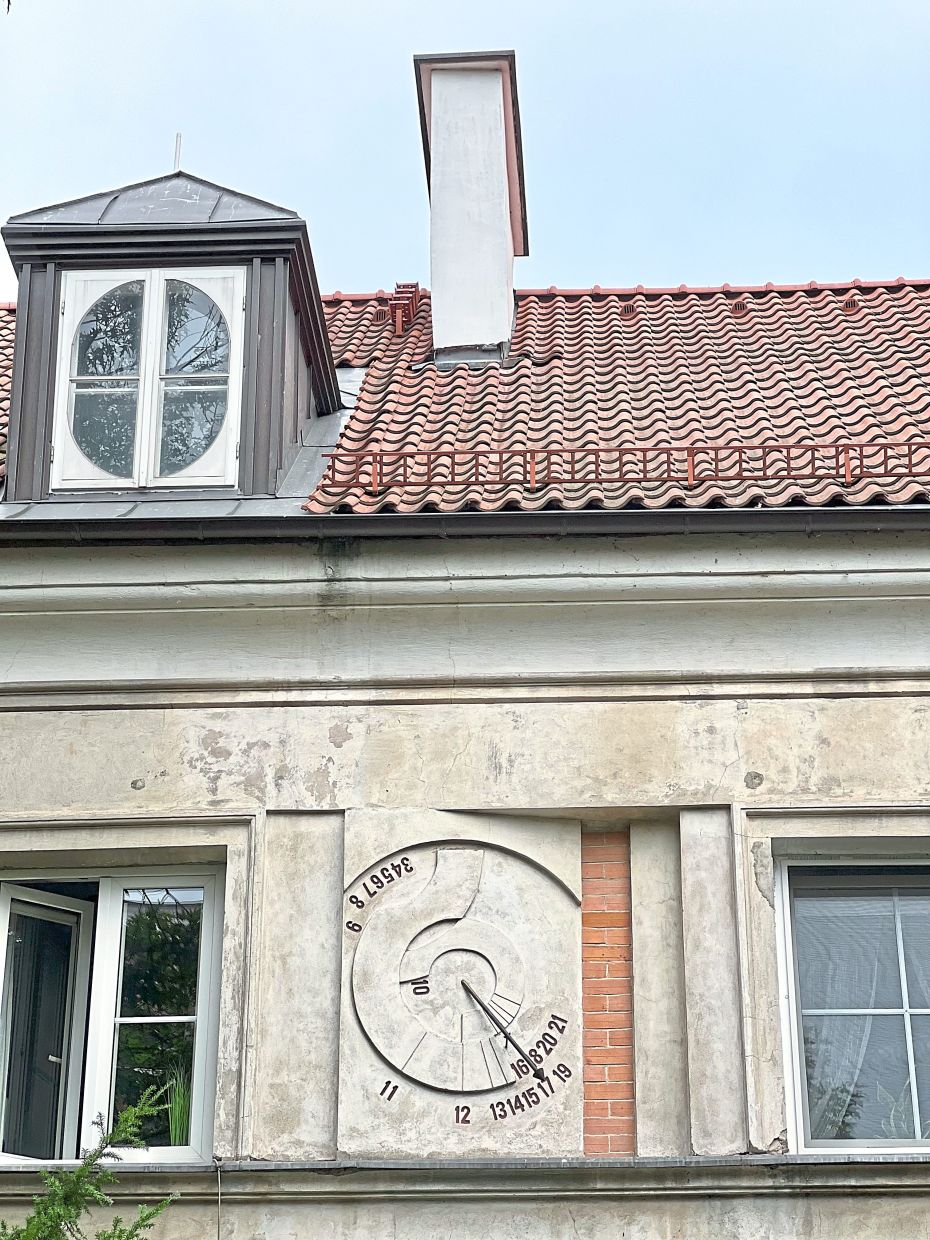
But the most puzzling – and fascinating – was a giant sundial. Its numbers were carved into a building’s wall. Sundials are ancient timekeeping devices that rely on direct sunlight to tell the time. And, of course, we had absolutely no idea how to read it.
Clocks aside, the Old Town is steeped in history and filled with interesting landmarks.
We headed to the Dung Hill Lookout Point. The hill was formerly a dumping ground for all kinds of waste – human excrement, food scraps, trash – for centuries.
It was once notorious for its stench and the rats that infested the area; one can only imagine the misery the surrounding community had to endure. Things began to improve in the 1840s, when the hill was finally covered with soil to manage the waste and prepare the land for development.
Today, the hill serves as a panoramic viewpoint for visitors and a nice spot for some peace and quiet.
At Dung Hill, you will find a bronze statue of a man carrying a boulder on his shoulder. Known as The Strong Man (or Silacz in Polish), the sculpture has been here for more than 120 years. Created by Polish artist Stanislaw Czarnowski, it reflects the resilience and strength of the country’s people.
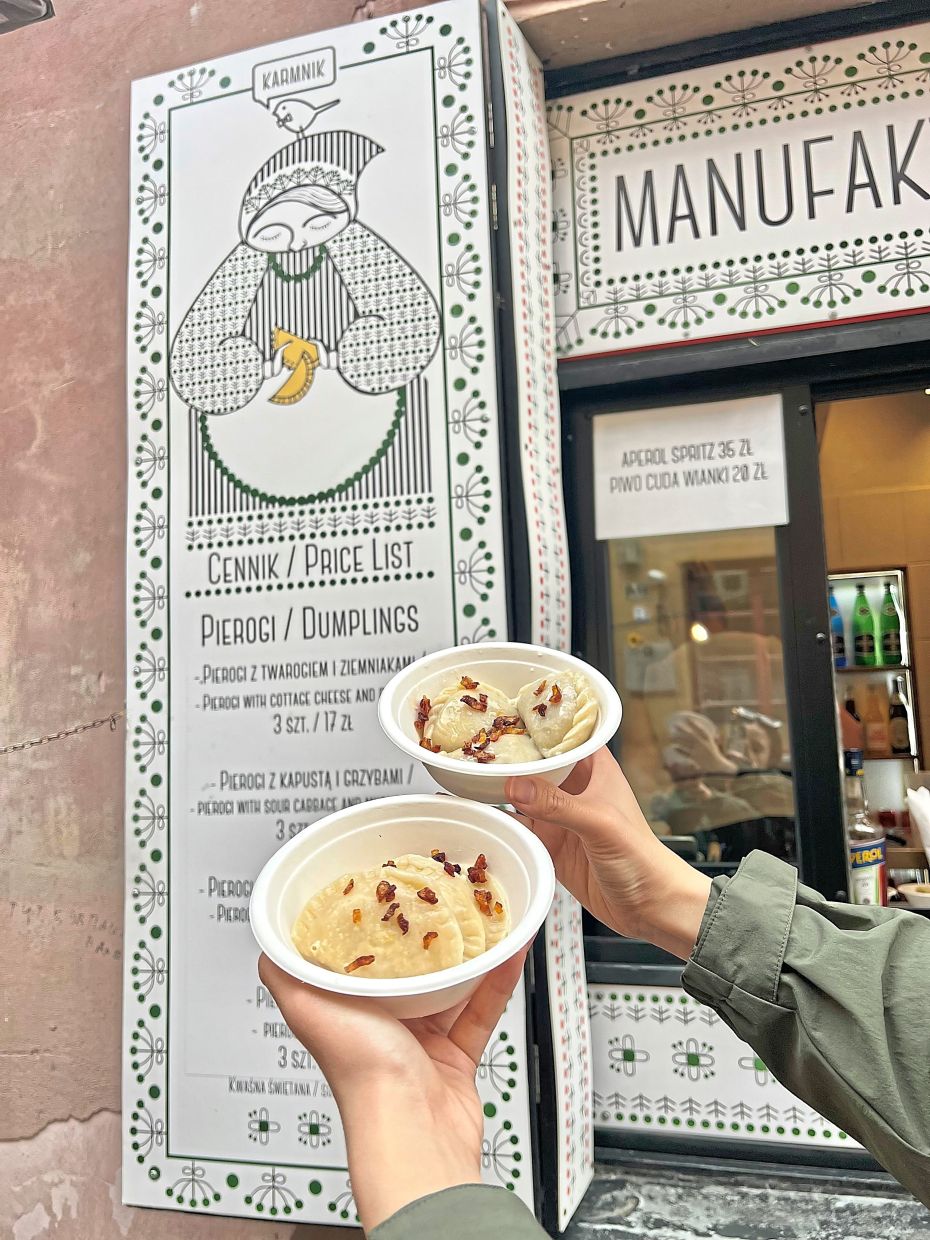
Hunger soon drew us into an unassuming shop selling pierogi, Poland’s beloved dumplings. It was our first taste of this traditional dish. Unlike Chinese dumplings, a pierogi has a thicker skin – we tried both the meat-filled and potato-filled versions.
Just beside the pierogi shop, carvings of pigeons above the cafe’s arched entrance caught our eye. At first, we thought nothing of it, until we overheard a tour guide explaining its history to his group of visitors.
With a little research, we learned that the sculpture commemorates Kazimiera Majchrzak, affectionately known as the “Old Town Pigeon Lady”. She spent her days feeding the birds in the area, sharing her food despite having very little herself.
Majchrzak continued caring for her feathered friends until her death in 1947. Her kindness lives on, immortalised in the stone relief of the pigeons.
A short walk away, we stumbled upon the Wishing Bell, a rusty relic from the 17th century. Locals say that if you walk around it, your wish may just come true.
A step back in time
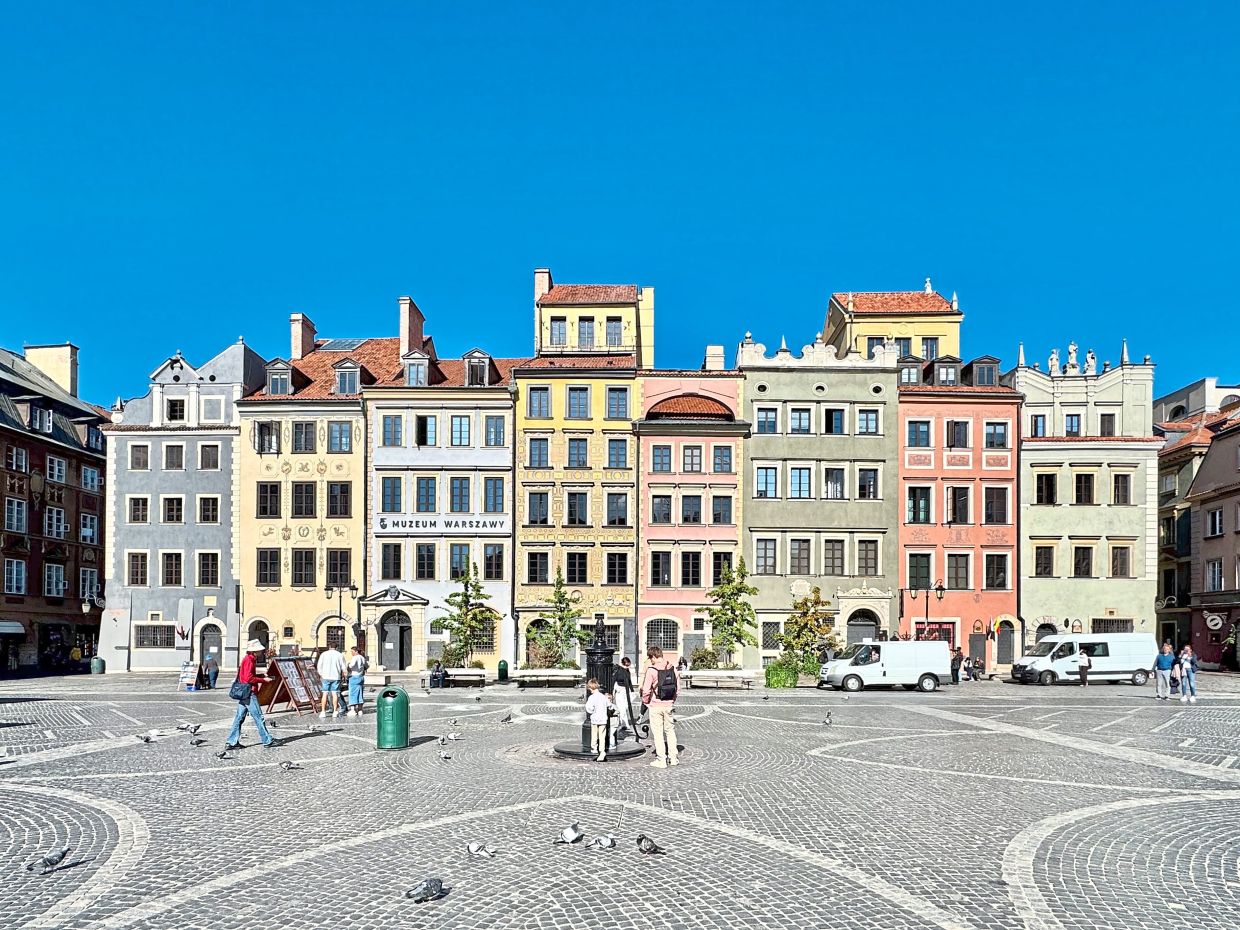
At the Museum of Warsaw, we learned about the city’s history. The museum is housed in eight historic townhouses that were once home to wealthy merchants. We spent nearly five hours here.
It is divided into several sections, which begin with an introduction of how the city was formed and how World War II shaped the neighbourhood.
The city was almost completely destroyed in the war, and what we see today is largely a reconstruction. This transformation is illustrated through blueprints, maps and miniature models of the buildings.
Everyday household items – plates, glass bottles, kitchenware – which were excavated by archaeologists and are now on display, preserve a piece of Warsaw’s life before the war.
Some of the items were carefully pieced back together from broken fragments. We noticed that some of these artefacts such as bowls and plates were plain, while others had intricate patterns, reflecting the social and financial status of the families who once owned them.
Not far from the museum, the Antonina Lesniewska Museum of Pharmacy sheds light on the city’s medical history. Named after Antonina Lesniewska, who paved the way for women in pharmaceuticals, the museum showcases wooden cabinets, glass jars and traditional remedies dating back to the 19th century.
Here, visitors can take part in a hands-on workshop to create their own fragrance while learning about the medicinal benefits of plants.
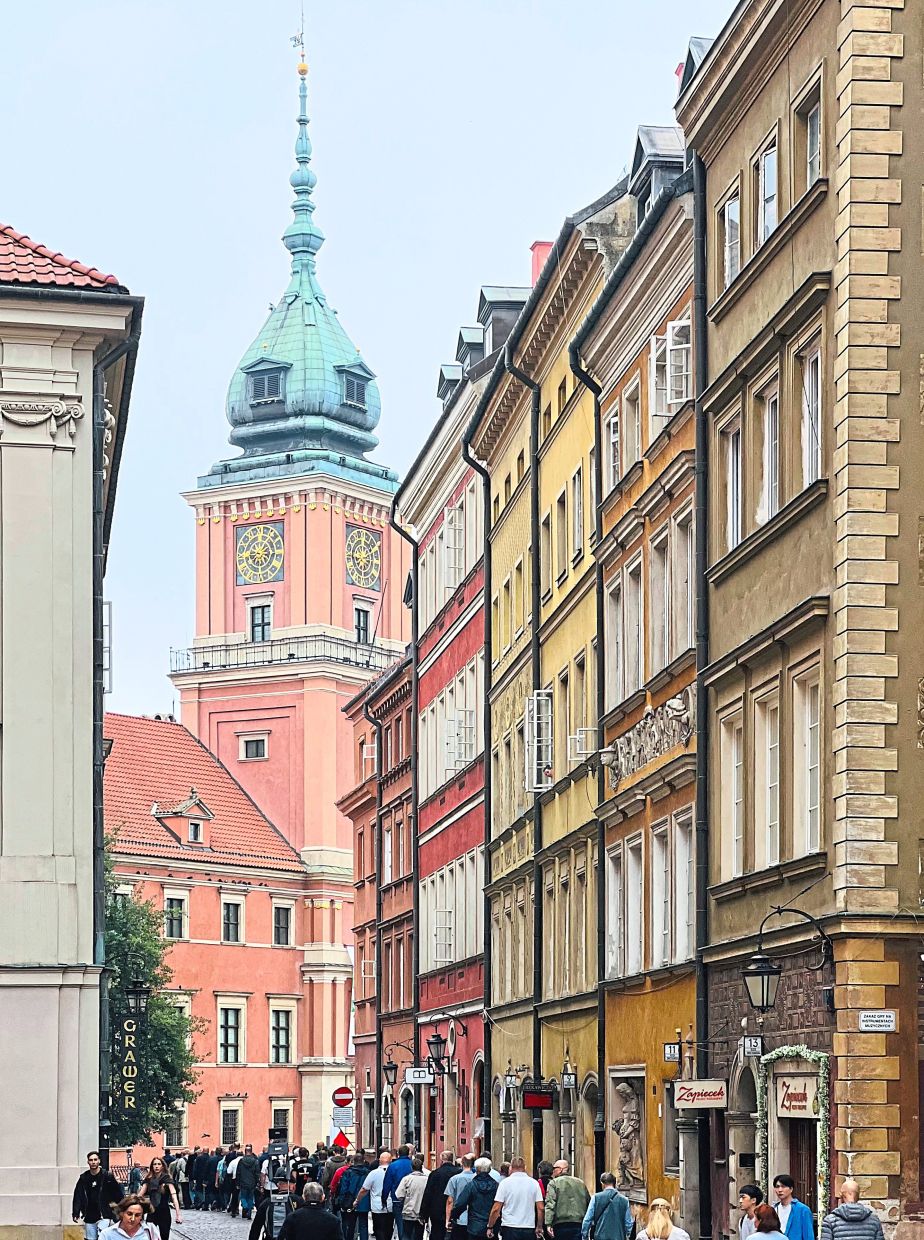
Another place worth visiting is the Royal Castle, welcoming visitors with its architectural grandeur. Just behind the main entrance, you will find the Castle Gardens, a beautifully manicured space filled with colourful plants.
I figured this place would be great for a leisurely stroll after a busy day of exploration. The area also hosts many public events throughout the year.
A stone’s throw away is the Warsaw Barbican, part of the Old Town’s historic fortifications. You can climb the steps of the brick walls for a higher vantage point over the surrounding streets.
For dinner, we ventured out of the Old Town and stopped at a neighbourhood restaurant, where we enjoyed a hearty meal of Polish dishes.
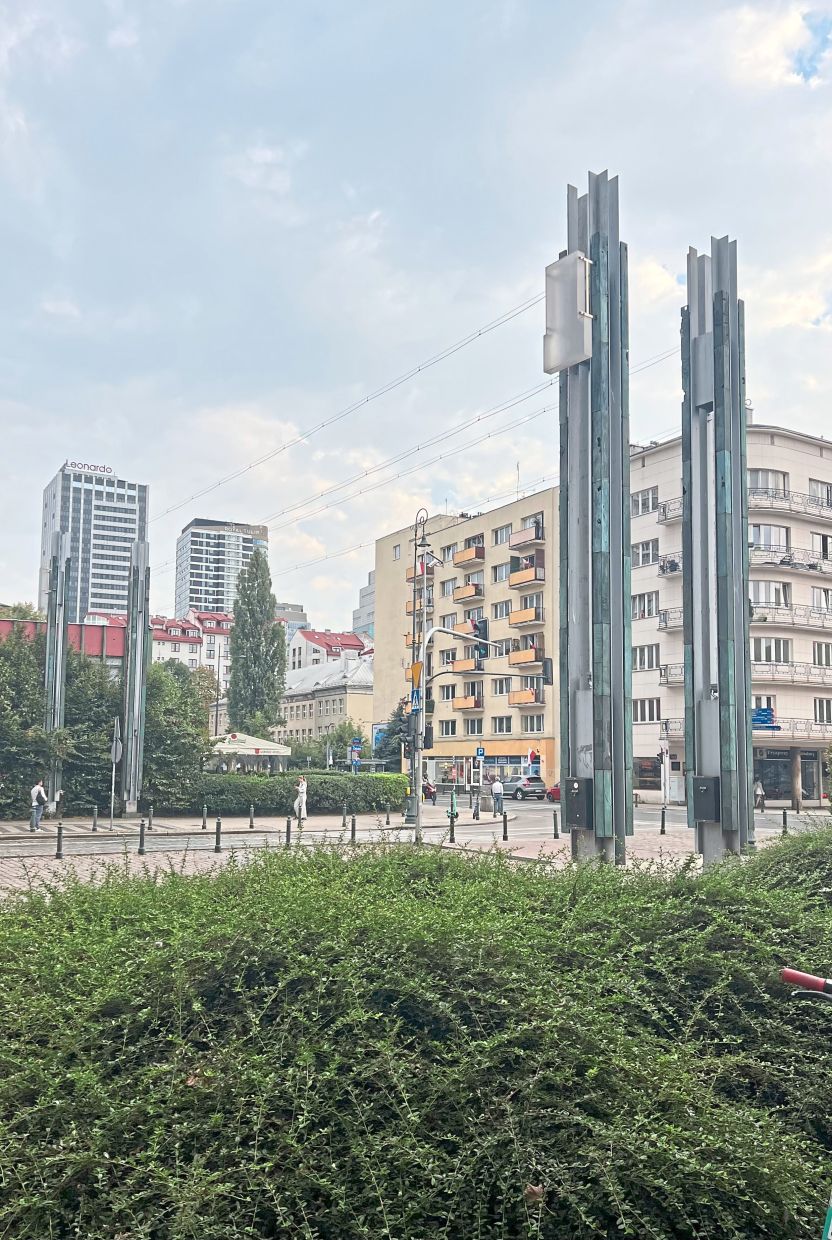
Near the restaurant, we came across two towering metal poles called the Footbridge of Memory. Unveiled in 2011, the installation pays tribute to the wooden bridge that once connected two sections of the Jewish ghettos during the Nazi occupation.
We peered through a narrow opening and saw a footage of how people once crossed the bridge.
In a way, that experience summed up our entire journey in Warsaw, a city that invites people to take a peek at the past hidden in plain sight.