
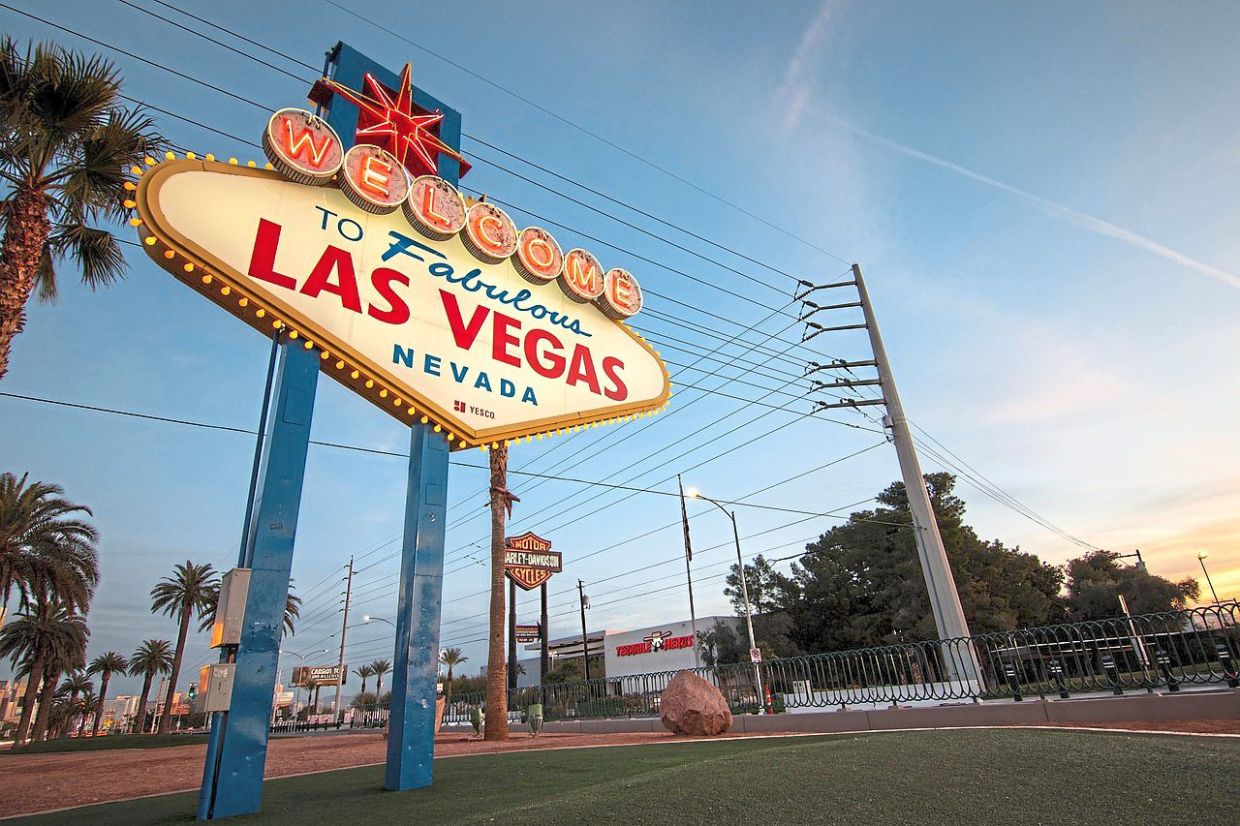
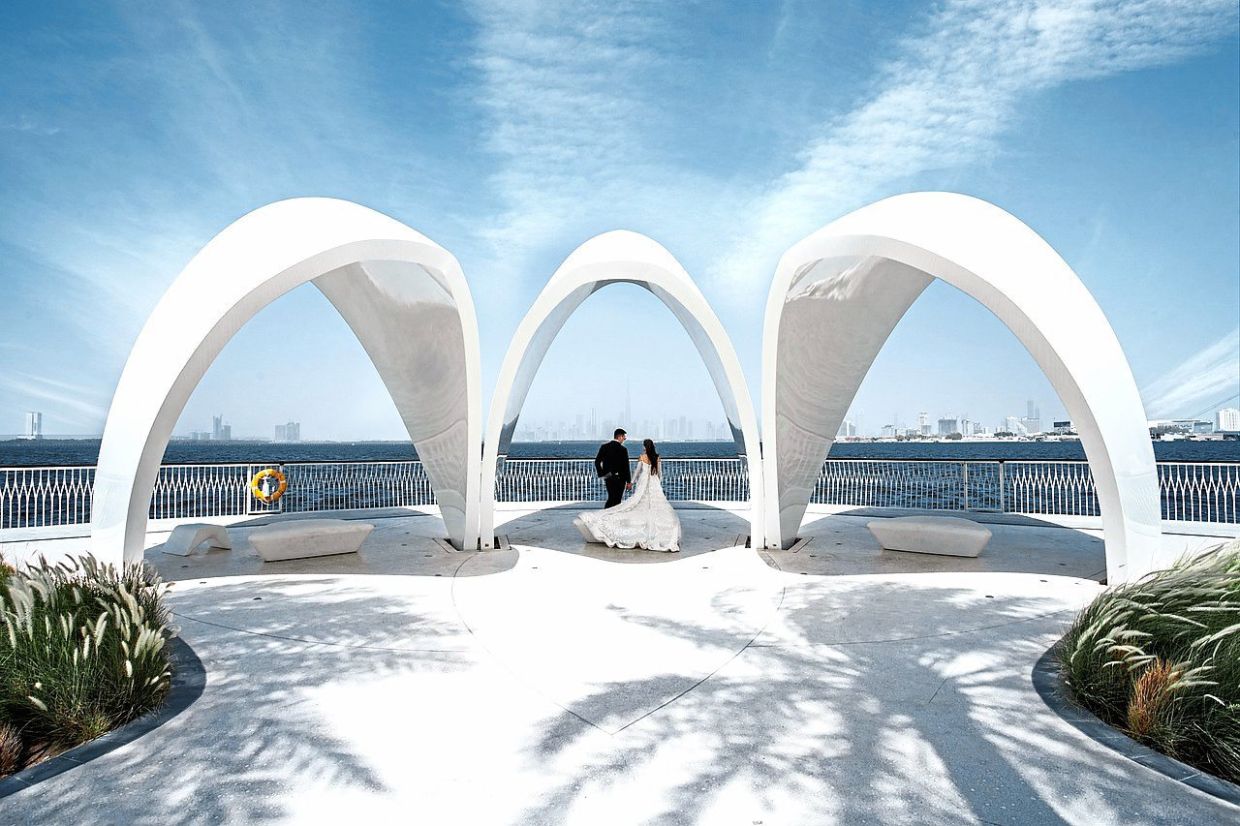
They may be nearly 13,000km apart, but Dubai in the United Arab Emirates and Las Vegas, Nevada in the United States are becoming oddly alike, particularly where tourism is concerned.
For one thing, both are doubling down on large-scale events and good winter weather as reasons to visit. The emirate’s first casino licenses are on the horizon. And now, Dubai has beat Las Vegas at one of its own games.
According to new data pulled for Bloomberg by real estate analyst CoStar Group, the Middle Eastern city now has more hotel rooms than the US’ resort capital.
For years, Dubai thrived as a transfer hub – a city people would fly through but not stay in. Hotel infrastructure proves that has changed. Asking visitors to stay in town – rather than transiting through the airport on a layover – requires the matching infrastructure, so the city has doubled the number of available hotel beds over the past decade.
Setting aside Chinese cities, which benefit from massive numbers of domestic tourists in the second-most-populous country, Dubai is now a runner-up only to London, England in number of hotel rooms globally.
The parallels between Dubai and Las Vegas extend further. Only a few months ago, a Las Vegas expert marvelled in a Bloomberg Pursuits city guide that her hometown “... was literally built from nothing, in the middle of the desert”. The same could be said of Dubai.
And just as Vegas has identified successful culinary concepts from around the world and replicated them in its own hotels and resorts, so has Dubai. (Check out recent imports such as London-born China Tang, India’s Bombay Club and the Le Relais de l’Entrecote from Paris, France.)
Vegas is doubling down on sports – having acquired teams in the National Football League ( L), Women’s National Basketball Association (WNBA) and National Hockey League (NHL) – so too are the Emirates, with neighbouring city Abu Dhabi hosting Formula One races and the US’ National Basketball Association pre-season games that are easily accessible from Dubai.
All of these draws have increased Dubai’s appeal as a leisure destination worth returning to.
As for the hotel boom, it runs the gamut from more affordable stays to decadent five-star resorts. And it shows no signs of stopping: Upcoming openings include Ciel Tower, set to become the world’s tallest hotel when it opens in November, with 1,004 rooms and eight restaurants filling 82 floors at the Dubai Marina. That’s just one of 56 hotels in the city’s construction pipeline as of early this year, according to industry researchers at Lodging Economics. Together, those projects represented another 15,000-plus rooms being added to Dubai’s total.
Restaurants are following a similar trajectory. In 2024 alone, the Emirate issued 1,200 new restaurant licenses, while beach clubs in the Palm Jumeirah and Dubai Marina areas have exploded in popularity.
But there’s one notable point of distinction between Las Vegas and Dubai: Business in Dubai is up, while in Vegas it’s lagging. Between January and May, average occupancy rates in Dubai’s hotels stood at 83%, up from 81% in the same period last year, according to official data.
In Las Vegas, figures from CoStar found that hotels on the Strip have seen occupancy rates dip between 1% and 5% every month since February 2025 when compared to the year prior.
Both cities are contending with complex geopolitics. Vegas’ performance relates at least in part to the broader problems of international tourism to the US lagging in the face of tariffs, along with a sharp shifts in behaviour from angry Canadians.
Dubai’s successes come in spite of regional instability and the 12-day Israel-Iran war in June, which briefly closed airspace in the UAE.
Resilience in the face of such significant considerations is at least as telling about the cities’ futures than the number of hotel rooms they contain. – Bloomberg