
Every piece of jewellery begins with an idea, whether it’s inspired by a childhood memory, a precious heirloom, an architectural detail or even an everyday object.
Many of us may only see the finished product in boutiques behind a glass display, but what goes into transforming an idea into something wearable requires more than creativity alone.
Apart from mastering traditional techniques such as metalsmithing and stone setting, requirements such as understanding digital design software, branding, marketing and customer experience are important in the pathway to a career in jewellery design.
As consumers increasingly seek bespoke pieces with personal stories rather than mass-produced accessories, the opportunities for independent designers have also expanded.
In Malaysia, there is no single route into the profession.
Some pursue formal education, while others learn through workshops, apprenticeships or years of self-directed practice before honing their skills through specialised training.
More than artistic talent
Contrary to popular belief, aspiring jewellery designers do not necessarily need to be accomplished artists before embarking on formal training.
As Raffles College Of Higher Education jewellery design lecturer Yunus Yeo explains, passion and commitment matter far more than arriving with polished drawing skills.
“There is no strict artistic requirement,” he says. “The most important thing is genuine passion for creativity and craftsmanship. Students should be curious, detail-oriented and willing to commit fully to learning.”
Where he lectures, students begin with the fundamentals before progressing to more advanced techniques.
While computer-aided design (CAD) has become an essential industry tool, Yunus believes technology should never replace traditional skills.
Students learn everything from jewellery sketching and design principles to wax carving, silversmithing, casting and 3D modelling.
Equally important are subjects that prepare them for working life, including jewellery marketing, sales and portfolio development.
“We always emphasise manual hand drawing first,” he says. “If you don’t have technology, you should still be able to create. Strong fundamentals make you a better designer.”
Read more: As high-end bag and shoe sales slow, jewellery shines for luxury fashion brands
Bespoke jewellery designer Adeline Chua Edmonds says authenticity ultimately outweighs technical perfection.
“You have to be true to yourself and your vision,” says the founder of jewellery brands Smitten And Such, and Smitten Fine. “Showing up as your most authentic self is the highest reward of all.”
As a business owner, she says, designers inevitably wear many hats, but advises creatives not to lose sight of their strengths.
“Always come back to what you’re good at and remember why you started.”
Metalsmith Jessie Koh, who founded the brands JK Gems and Jessie’s Trinket Trove, agrees that artistic ability alone is rarely what determines success.
“The best jewellery makers are often those who are patient, curious and willing to keep learning,” says Koh. “Jewellery making requires precision and attention to detail, but it also involves problem-solving because no two pieces or materials behave exactly the same way.”
Mistakes, she adds, are simply part of the process.
“Every failed solder joint or imperfect finish is an opportunity to improve.”
The learning never stops
Formal education is only one way into jewellery design.
Both Koh and Edmonds are largely self-taught, although each sought structured training to strengthen their skills.
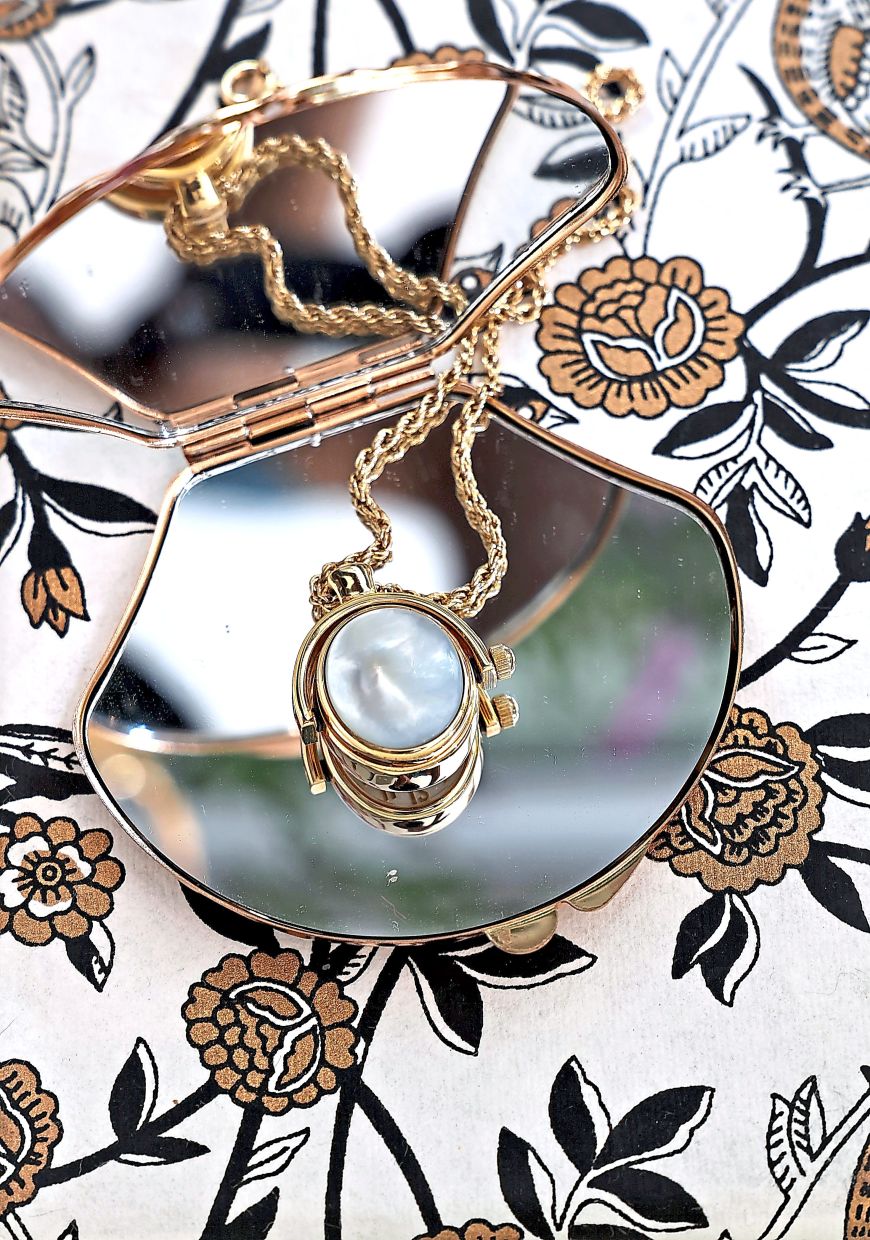
Edmonds’ fascination with making things began long before she considered jewellery as a profession, collecting pebbles, shells, broken beads and buttons as a child.
Later, she would pick up interesting pieces from her travels all over the world, transforming them into wearable keepsakes.
“I enrolled myself into a jewellery-making course,” she says.
“It taught me that I can be a better version of myself if I keep at it and persevere.”
After completing a 12-week introductory jewellery course, Edmonds says she gained a newfound respect for the craft after realising how much it takes to produce a single ring.
“That’s when I learned how much patience, time and effort goes into creating something from nothing.”
Koh, who also gives workshops at her showroom My Artisan Hub, similarly believes aspiring designers benefit enormously from broad exposure beyond the classroom.
“Visiting workshops, learning from practising artisans and seeing how craftspeople in different cultures approach their work all broaden your perspective and inspire new ideas,” she says.
Read more: Is Japan's luxury jewellery boom signalling a new era of fashion investing?
Equally valuable are business skills.
“Running a successful jewellery business requires much more than making beautiful pieces.
“Skills such as pricing, branding, photography, marketing and understanding customer needs are equally important.”
Those lessons now shape the workshops she conducts, where enthusiasts develop solid foundational craftsmanship, and experience the satisfaction of creating something with their own hands.
Beyond the designer’s bench
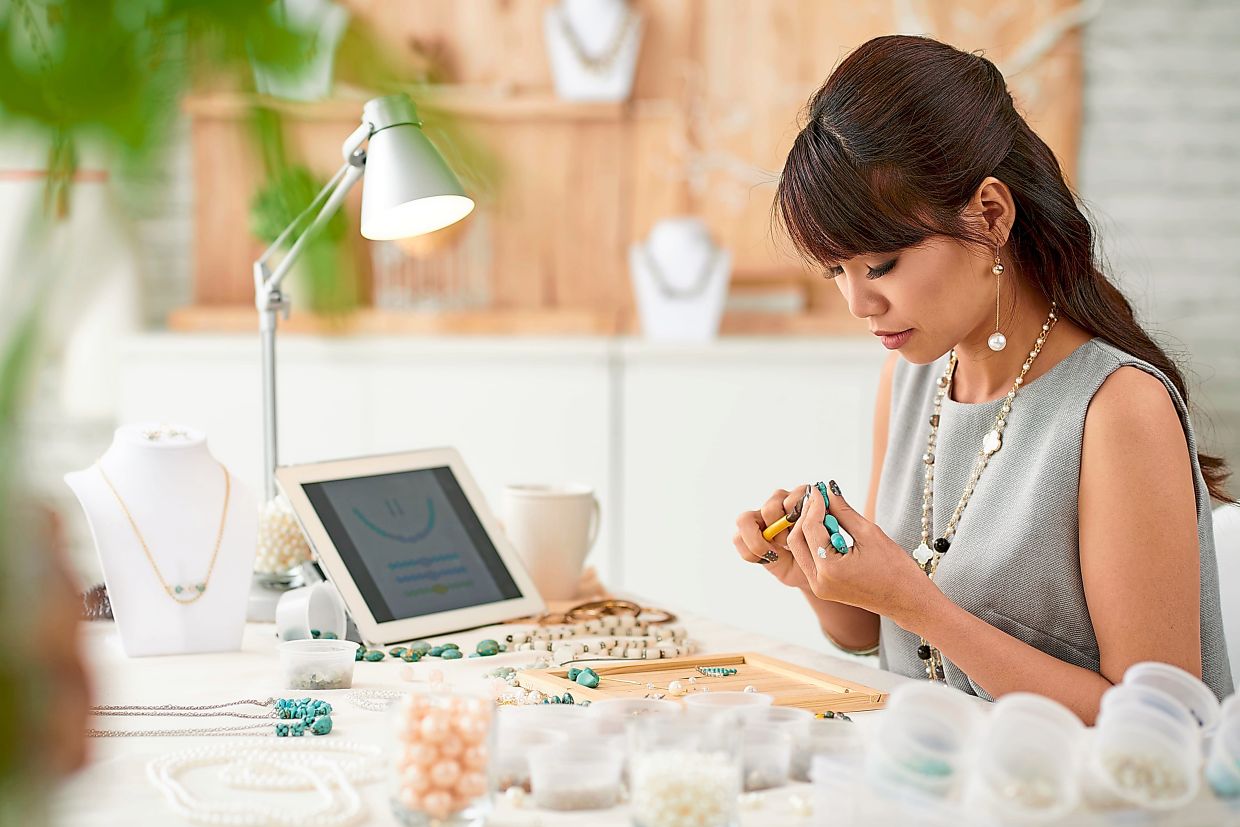
While many people associate jewellery education with becoming a designer, the industry offers a broad range of career paths.
According to Yunus, graduates can move into computer-aided design, retail, merchandising, gemology, quality control or even establish their own brands.
Mastering jewellery-making skills can also open unexpected creative doors.
“If you understand the craft, you can apply it to many artistic fields,” he says. “You can create watches, gift items, souvenirs – the possibilities go beyond jewellery.”
His students also gain exposure through visits to both local and international jewellery brands, helping them understand how different parts of the industry operate.
Entrepreneurship, however, remains a recurring theme.
Edmonds believes today’s market increasingly rewards designers who tell personal stories through their creations.
“I think of jewellery design like storytelling,” she says. “If the jewellery I wore could speak, what would it say?”
That philosophy has become the foundation of her bespoke practice, where many commissions commemorate milestones, relationships and memories.
“Every piece I create reminds me of that human connection,” she says. “When you make people feel something, people like that.”
She also believes jewellery design is evolving rather than disappearing.
In an age of mass production, she sees growing demand for personalised, heirloom-quality pieces, particularly among younger consumers seeking authenticity, sustainability and meaningful craftsmanship.
Today, Edmonds increasingly works with recyclable gold, transforming existing pieces into contemporary designs while preserving their sentimental value.
Koh shares that optimism.
“I don’t believe jewellery making is a dying art,” she says.
“People are seeking experiences, authenticity and pieces with meaning and a story behind them.”
She has also noticed increasing interest among younger generations, not only as hobbyists but as people exploring jewellery as a viable profession.
“It isn’t for someone looking for instant success,” Koh says. “It requires patience, continuous learning and a commitment to refining both your craft and your business.”
Whether entering through a college studio, a weekend workshop or years of self-directed practice, building a career in jewellery is about mastering the craft, embracing lifelong learning and creating treasures.