
In the world of high horology, five years is a significant span of time for a single creative exploration.
For Richard Mille, the period between 2021 and 2026 has been defined by a rigorous study of how colour, light and advanced materials can redefine the feminine timepiece.
The release of the 2026 RM 07-01 Coloured Ceramics collection marks the culmination of this journey.
It is a finale that manages to be both a nostalgic nod to the bold aesthetics of the 1980s, and a forward-looking masterclass in technical watchmaking.
Far from being a mere exercise in surface-level styling, this collection −comprising three limited editions of 50 pieces each − represents a deep dive into the structural integrity of ceramics and the ancestral precision of hand-decoration.
It is where the “laboratory of emotions” meets the hard reality of engineering.
The 1980s reimagined
The RM 07-01 draws inspiration from the bold energy of the ’80s (an era characterised by the rejection of the mundane) and an embrace of radical geometry.
Richard Mille translates this energy into a sophisticated, postmodern element.
The dials are not merely painted; they are constructed through a complex layering of materials that challenge the eye.
At the centre of this aesthetic is a grey PVD-treated red gold base.
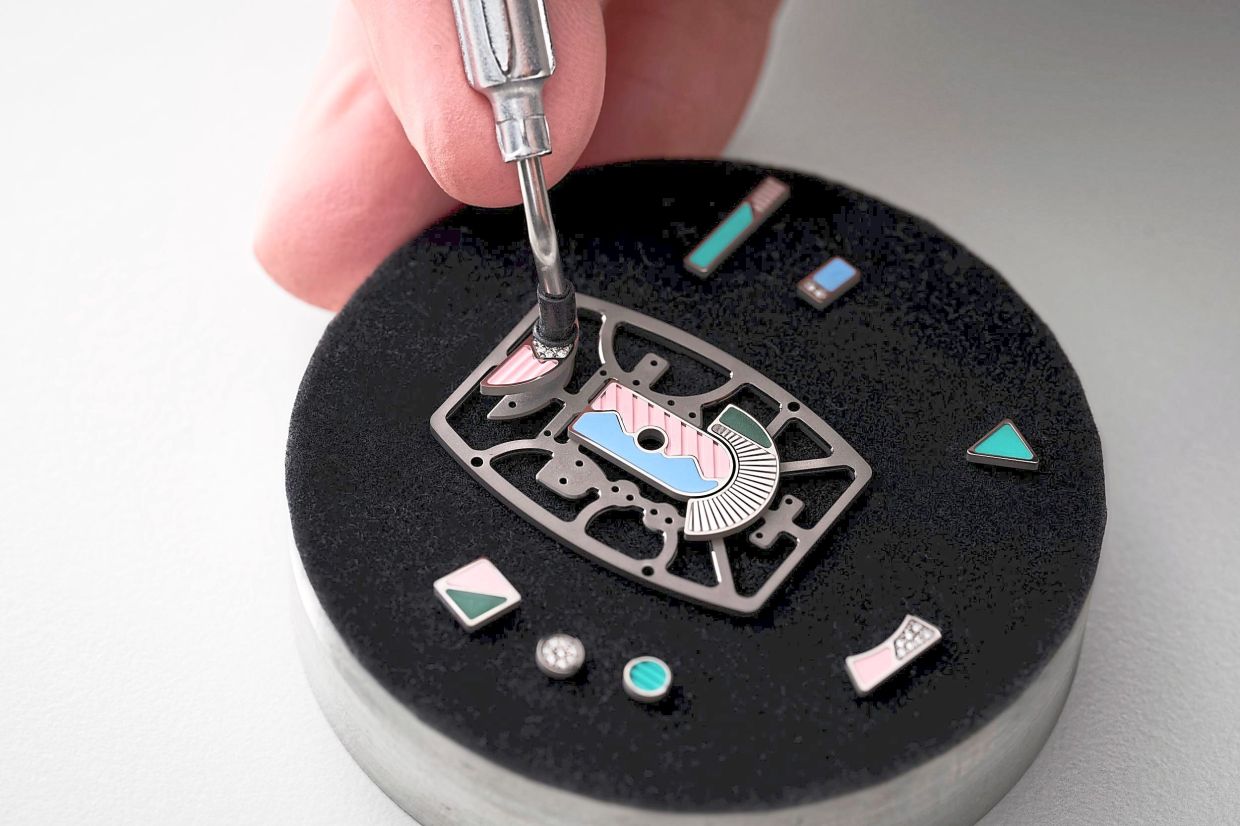
Upon this surface, the brand integrates coloured ceramic details finished to the nearest micron, alongside laser-cut rubber appliqués and diamond-set white gold inserts.
This juxtaposition of “industrial” rubber and “noble” gold creates a tension that is central to the Richard Mille identity.
It is a refusal to categorise a watch as either a tool or piece of jewelry, insisting instead that it can be both simultaneously.
Perhaps the most striking element of this contemporary collection is its reliance on guillochage, a decorative technique that dates back centuries.
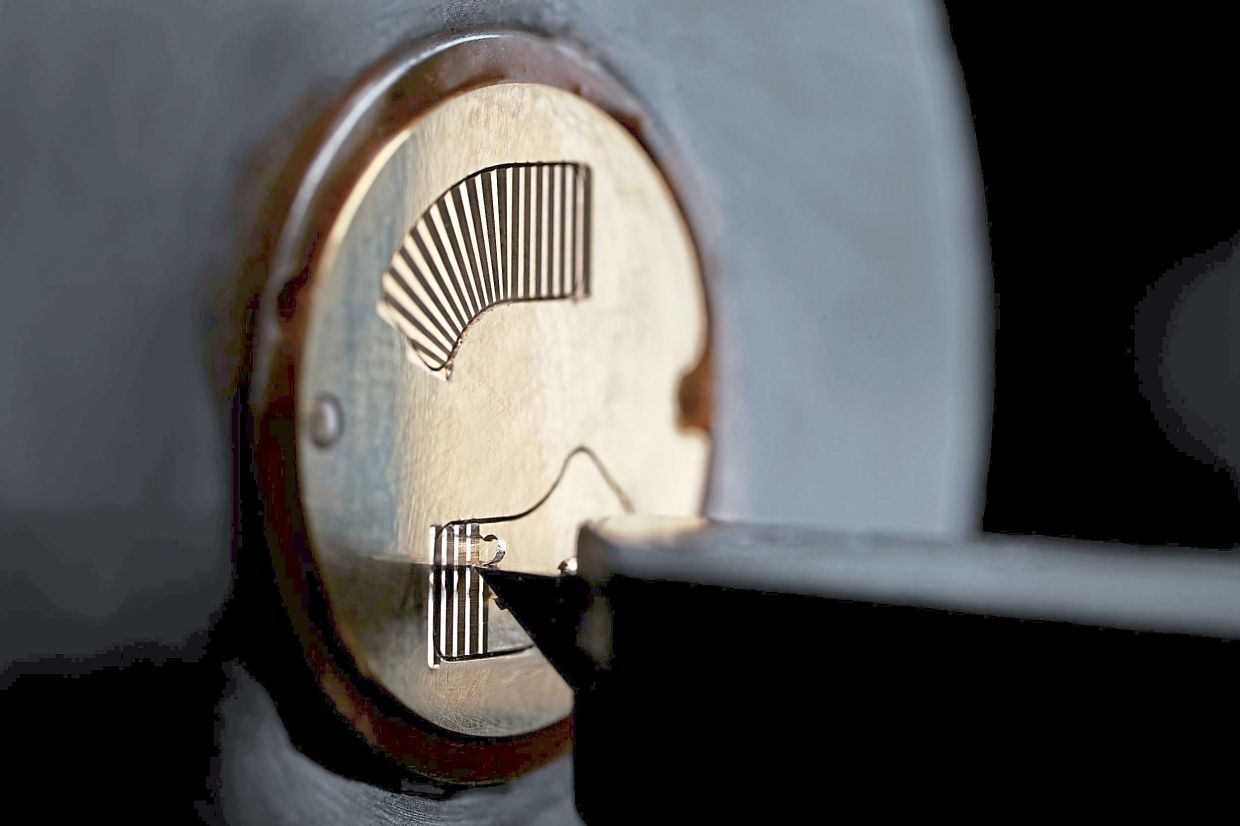
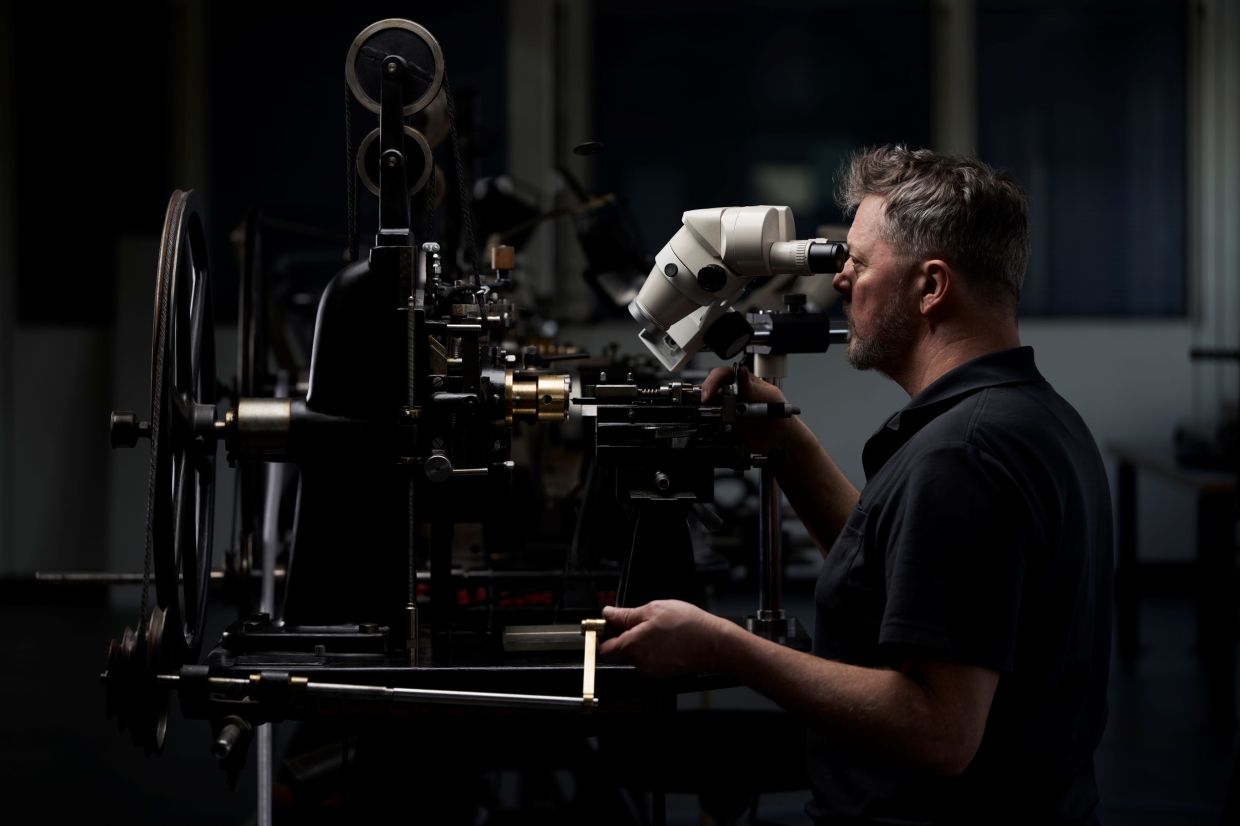
While the RM 07-01 looks like a product of the future, its heart is shaped by a manual rose engine.
This machine, operated by a master artisan, cuts fine, striated curves into the gold dial, creating a surface that captures and diffracts light with every movement of the wrist.
Guillochage requires an almost meditative level of discipline.
The artisan must maintain a constant, millimetric pressure; the slightest variation in force would result in an uneven depth, ruining the piece.
By integrating this secular technique into a watch defined by modern ceramics and rubber, Richard Mille creates a bridge between generations of craftsmanship.
This goes to show that even today, true luxury is still defined by the human touch.
Engineering the unseen
While the exterior of the watch invites admiration, the interior demands respect.
Powering the collection is the in-house CRMA2 calibre, a skeletonised automatic movement that reveals the architectural complexity Richard Mille is known for.
The movement is crafted primarily from Grade 5 titanium, a material favoured in aerospace for its exceptional strength-to-weight ratio and resistance to corrosion.
The skeletonisation isn’t just for show; it is a meticulous removal of excess material to achieve the perfect balance of lightness and structural rigidity.
The bridges and baseplate undergo electroplasma treatments to enhance their durability and provide a stark, matte contrast to the shimmering gold of the variable-geometry rotor.
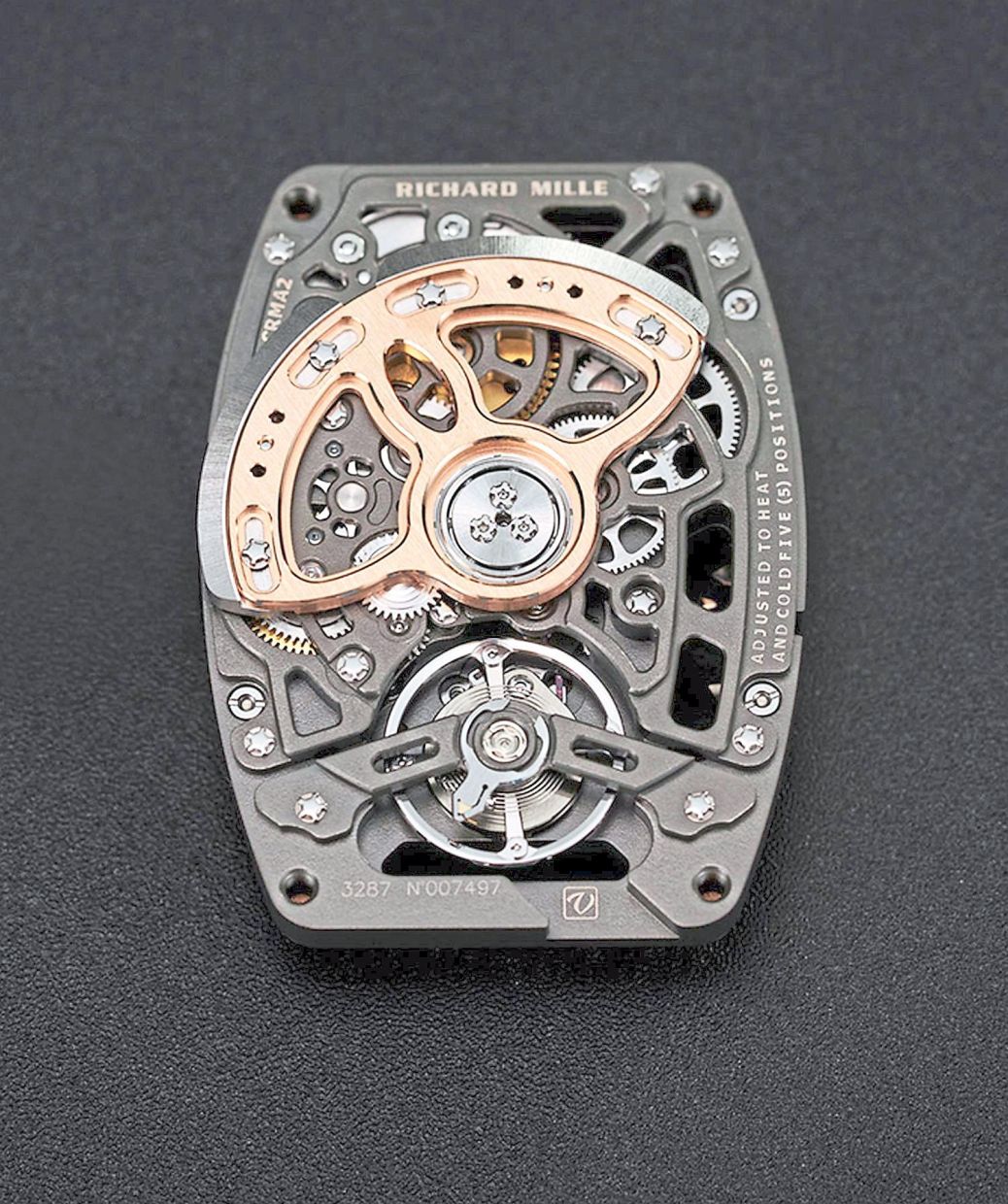
This rotor is a particular point of technical pride.
It allows the winding of the watch to be tailored to the wearer’s lifestyle.
By adjusting the two weights, the inertia of the rotor can be modified – speeding up the winding process for someone with a relaxed lifestyle or slowing it down for an athlete.
This ensures the mainspring is always optimally tensioned, providing a consistent 50-hour power reserve.
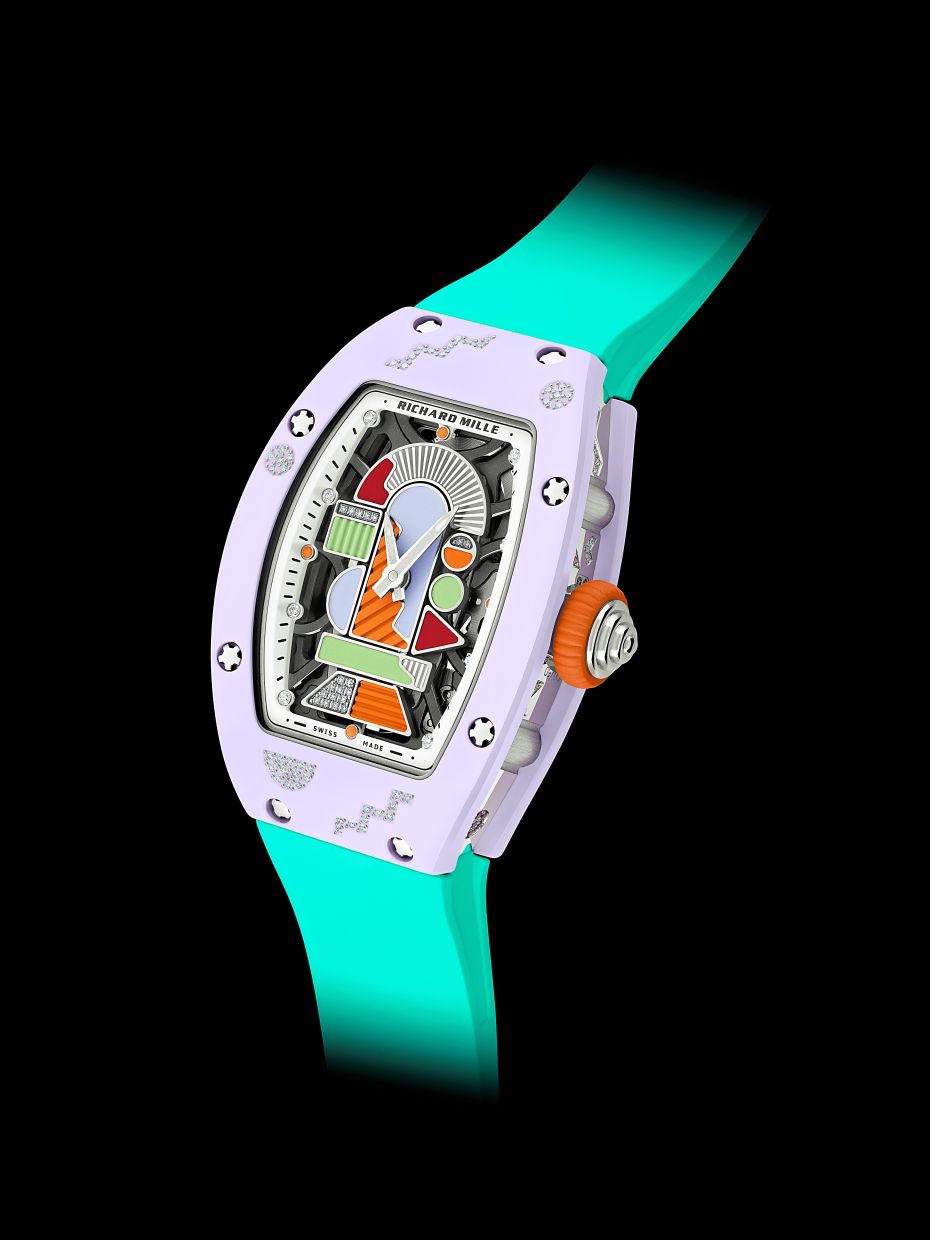
The watch cases are rendered in TZP (tetragonal zirconia polycrystal) ceramic, available in three distinct shades: Blush Pink, Lavender Pink and Powder Blue.

TZP is selected for its biocompatibility and its extreme resistance to scratches and environmental wear.
However, its hardness presents a significant hurdle when it comes to decoration.
Gem-setting a ceramic bezel is one of the most difficult tasks in modern watchmaking.
That is because the material cannot be easily machined once fired; the mitraillage technique requires absolute precision.
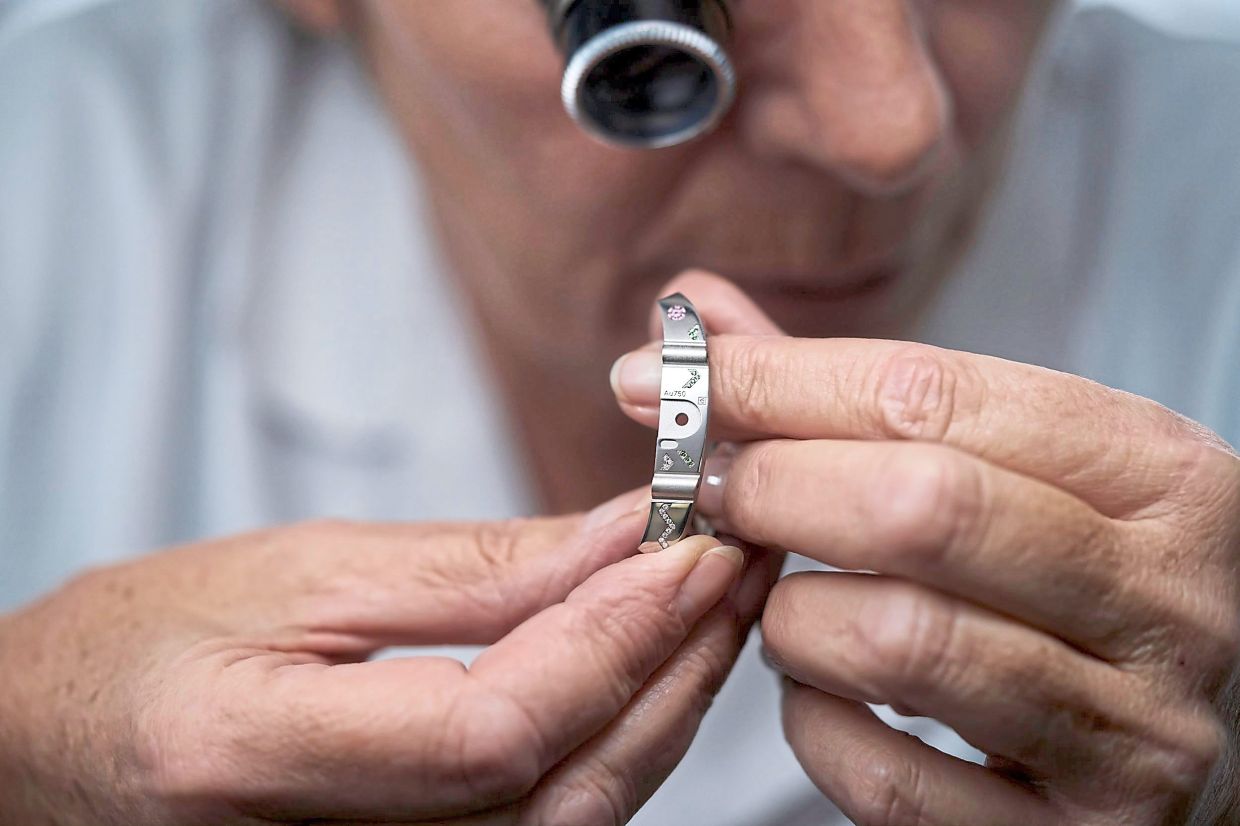
Gold prongs must be delicately hand-fitted into the ceramic to hold the stones.
In this final edition, the sparkle of diamonds is joined by a vibrant palette of sapphires and tsavorites.
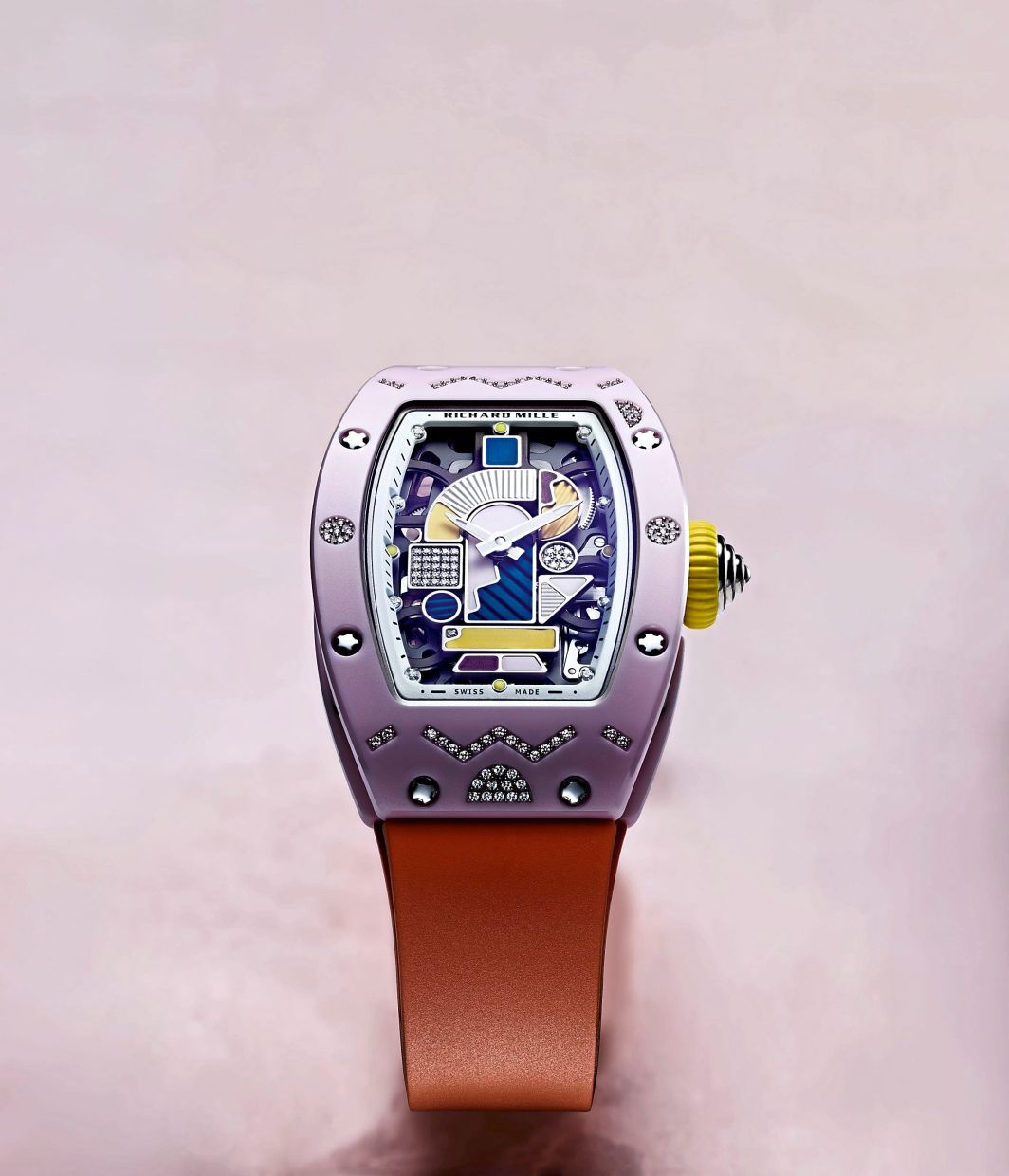
The RM 07-01 Blush Pink features a warm gradient of diamonds and yellow and blue sapphires, while the Powder Blue model opts for a cooler contrast with pink sapphires and green tsavorites.
The Lavender Pink version completes the trio with a mix of orange sapphires and rubies.
Each stone is set into polished white gold casebands, creating a play of light that softens the industrial edges of the ceramic.
A legacy of technical mastery
As the final instalment of this five-year exploration, the 2026 Coloured Ceramics collection is more than a seasonal launch.
It proves that vibrant colours and a playful design do not have to come at the expense of horological depth.
By housing a high-performance titanium movement within a hand-guilloché and gem-set ceramic shell, Richard Mille has created a timepiece that is as intellectually stimulating as it is visually arresting.
It is a refined conclusion to a chapter that has successfully pushed the boundaries of what a contemporary lady’s watch can be.