
Minimalism in fashion is often reduced to a visual – clean lines, neutral palettes and uncluttered silhouettes.
In practice, it is layered: for some, minimalism is a way of thinking – a conscious decision to buy more thoughtfully and build a wardrobe that reflects personal identity rather than passing trends.
For others, it remains firmly rooted in design: a discipline of restraint, where cut, proportion and material take precedence over embellishment.
Increasingly, it is also tied to a shift in consumer mindset, as more Malaysians begin to question not just what they wear, but why they buy.
Less but better
Fashion Revolution Malaysia country coordinator Melissa Tan says that a minimalist approach to fashion is owning exactly what you need, that is uniquely you, without excess, which naturally translates to owning less.
To optimise your wardrobe to be minimalist, every single piece has its place.
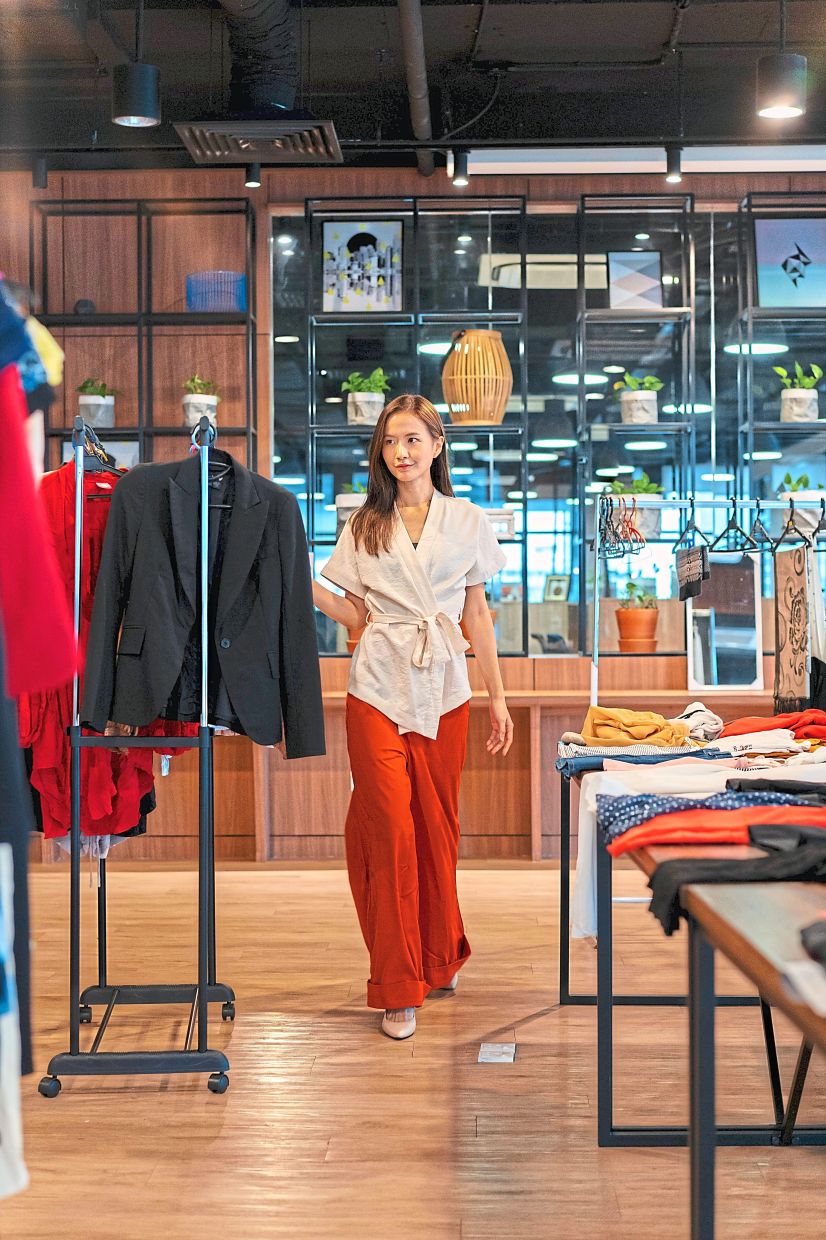
Similarly, slow fashion advocate Joanne Nathaniel notes that as a mindset, minimalism resonates deeply.
While she can appreciate that minimalist fashion is usually defined as clean silhouettes, neutral tones and pared-back pieces, she doesn’t consider herself a minimalist in that visual sense.
“I’m naturally drawn to patterns, colours, layers and textures – much of which is shaped by my Indian heritage,” she says.
As a mindset, it isn’t about imposing restrictions, but about being intentional.
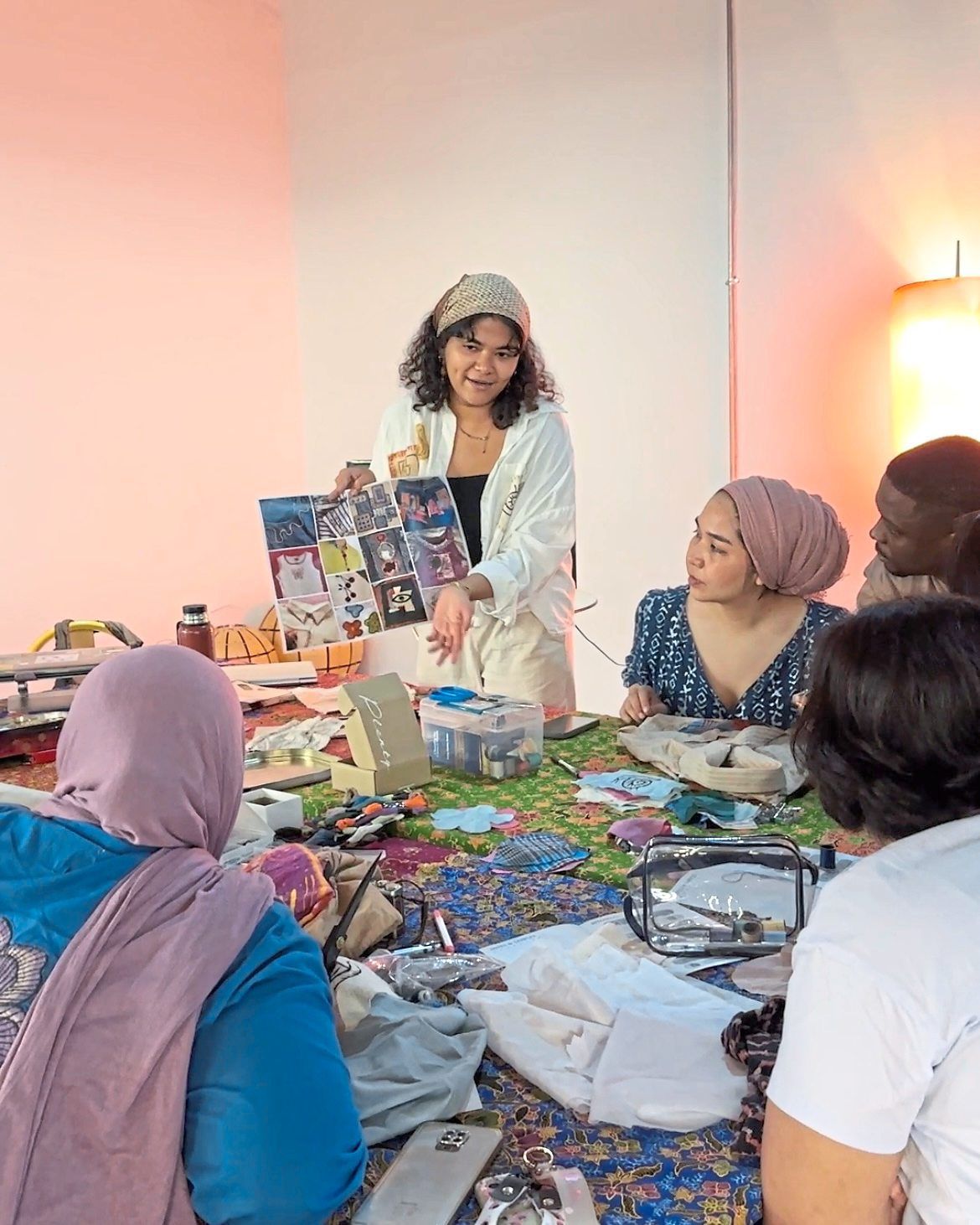
“Minimalism is about choosing quality over quantity and being thoughtful about what we bring into our lives,” adds Joanne, who regularly holds workshops and speaks on upcycling and sewing through her initiative Stories We Wear.
Read more: Climate crisis threatens to wipe out a third of fashion profits, says report
For Auri chief marketing and creative officer Suyi Chin, minimalist fashion focuses on clarity and function.
“It’s about choosing pieces that integrate easily into daily life, from work to weekends to travel. When each piece works well with the others, getting dressed becomes much simpler,” says Chin.
“Minimalism, ultimately, isn’t about restriction. It’s about clarity in what you choose to keep in your wardrobe,” she adds.
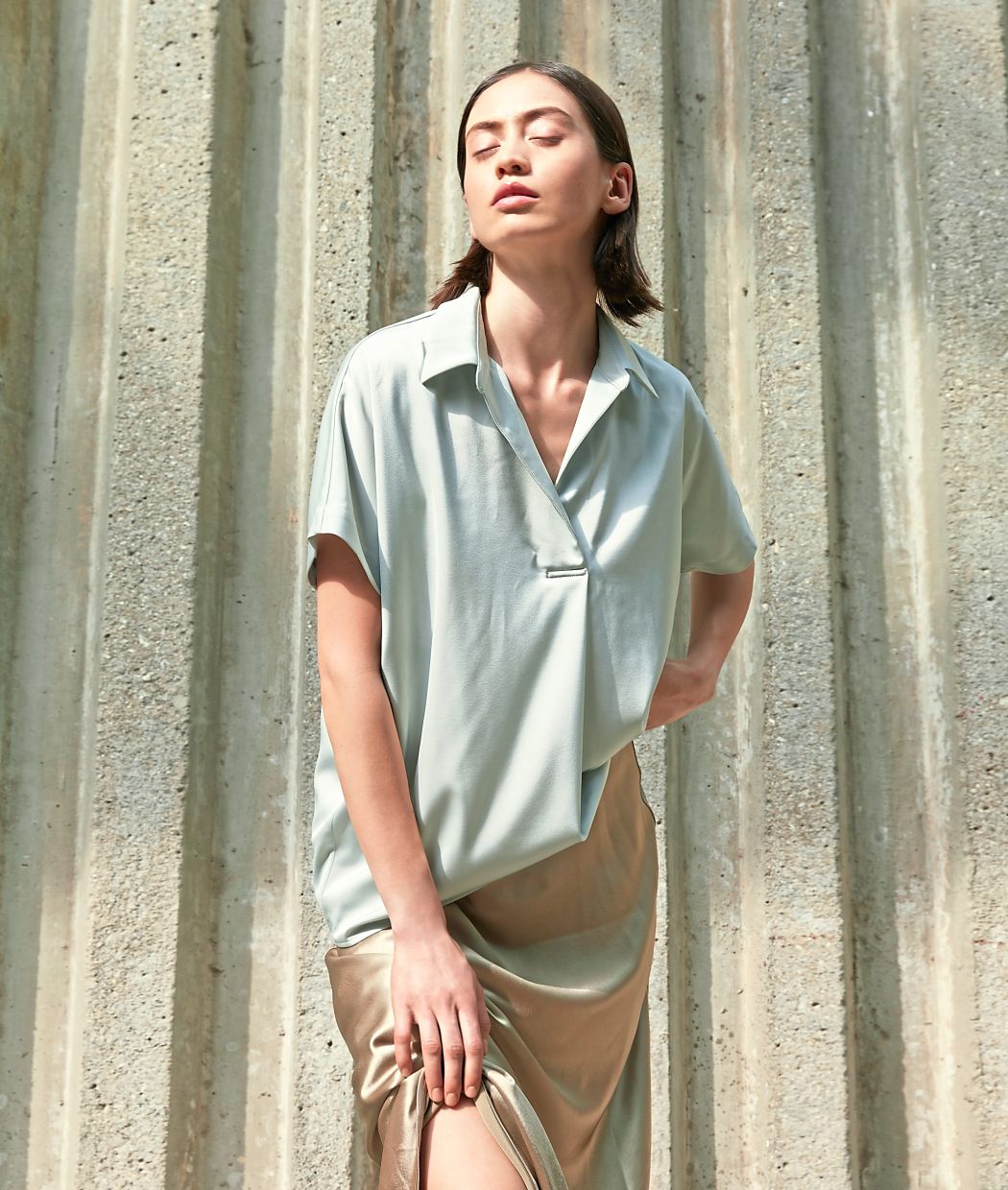
The creative director for Singaporean brand Monoloq, Wykidd Song, roots minimalism in design history.
Referencing the 1990s minimalist movement, he describes it as “stripping design to its essence – clean lines, white space, silence made visible”, emphasising that it was never originally about spending less, but about achieving the highest standard through restraint.
A solution to overconsumption?
While minimalism is often positioned as an antidote to overconsumption, its role is more nuanced.
“It is one of the tools – a very powerful one,” says Tan. “Minimalism helps you be more discerning about what truly brings value into your life. So you’re less likely to be swayed by sales, trends or how other people think everyone should dress.”
Joanne notes that at its core, a minimalist mindset shifts focus from accumulation to intention.
“A minimalist approach asks us to turn inward first – to understand what truly resonates with us, rather than seeking external validation through what we buy,” she says.
To Chin, it’s not just about owning less for the sake of it but owning better pieces and wearing them more.
“For brands, that means designing clothing that people genuinely want to wear again and again. Comfortable pieces that are able to stay relevant beyond one season naturally reduce the need for constant replacement,” she says.
Song offers a design-led perspective, noting that in South-East Asia, with no real seasonal shifts, simplicity is often a practical reality – but one that demands greater creativity in fashion.
“Heat and humidity flatten fashion’s usual vocabulary,” says Song. “What it does force, though, is a kind of creative translation – designing pieces that carry the feeling of winter without the weight.
“A sculptural collar, a deep drape, a fabric with enough body to suggest structure, all the visual codes of considered dressing, achieved through cut and construction rather than cloth. That’s actually a sharper design challenge than simply adding layers,” he says.
A gradual shift
There are signs that Malaysian consumers are becoming more intentional, with some moving away from fast fashion fatigue.
“As a slow fashion advocate and community organiser, I meet people across very different stages of awareness when it comes to clothing consumption. While there is a growing interest in buying less and choosing better, it’s not the norm among Malaysians just yet,” says Joanne.
“Awareness around fashion waste and impact is still relatively low. Most environmental conversations tend to focus on plastic, while fast fashion continues to become cheaper and more accessible, making overconsumption even harder to address,” she adds.
“That said, Malaysia is also a very social and digital culture. With outfit posts, there’s still some expectation that every look needs to be ‘new’, which can encourage buying in higher volumes,” says Chin.
“However, I’m also noticing that some creators and consumers are beginning to talk more about value, the idea that a piece should be wearable in many ways,” she adds.
Read more: From thrifted finds to fashion: The compelling story of 632 wool skirts
Keeping it fresh
If minimalism is about restraint, staying relevant requires creativity.
For Tan, the answer lies in disengaging from constant consumption.
Having not shopped for new clothes in six years, she credits practices like restyling, mending and swapping for helping her rediscover her personal style.
“Our community celebrates practices like swapping, borrowing, sewing, mending, learning new ways of styling and nurturing craft and heritage.
“These are all tools to being your most authentically stylish self without the mental, financial, environmental and human rights impact that fast fashion has,” says Tan.
By improving fabrics, silhouettes and subtle design details, while also introducing new textures and colours, Chin believes essentials can continue to feel current.
“Versatility is another key part of keeping minimalism relevant. When a single piece can be styled in multiple ways, it naturally feels fresh every time it’s worn.
“In many ways, minimalist fashion is less about constant reinvention and more about continuously refining the essentials,” she explains.
Song focuses on designing details that feel personal, with proportions that flatter.
“And whenever possible, we select fabrics that are kind to both the earth and the wearer: materials that breathe, age well and carry a lightness of conscience.
“When what you wear costs the world less, it tends to sit on the body more honestly too,” he says.