
Ask The Expert is a monthly column to answer your questions on topics related to fashion and beauty.
In this edition, celebrity makeup artist Azmier Hisyamuqris answers your queries about everyday products and application.
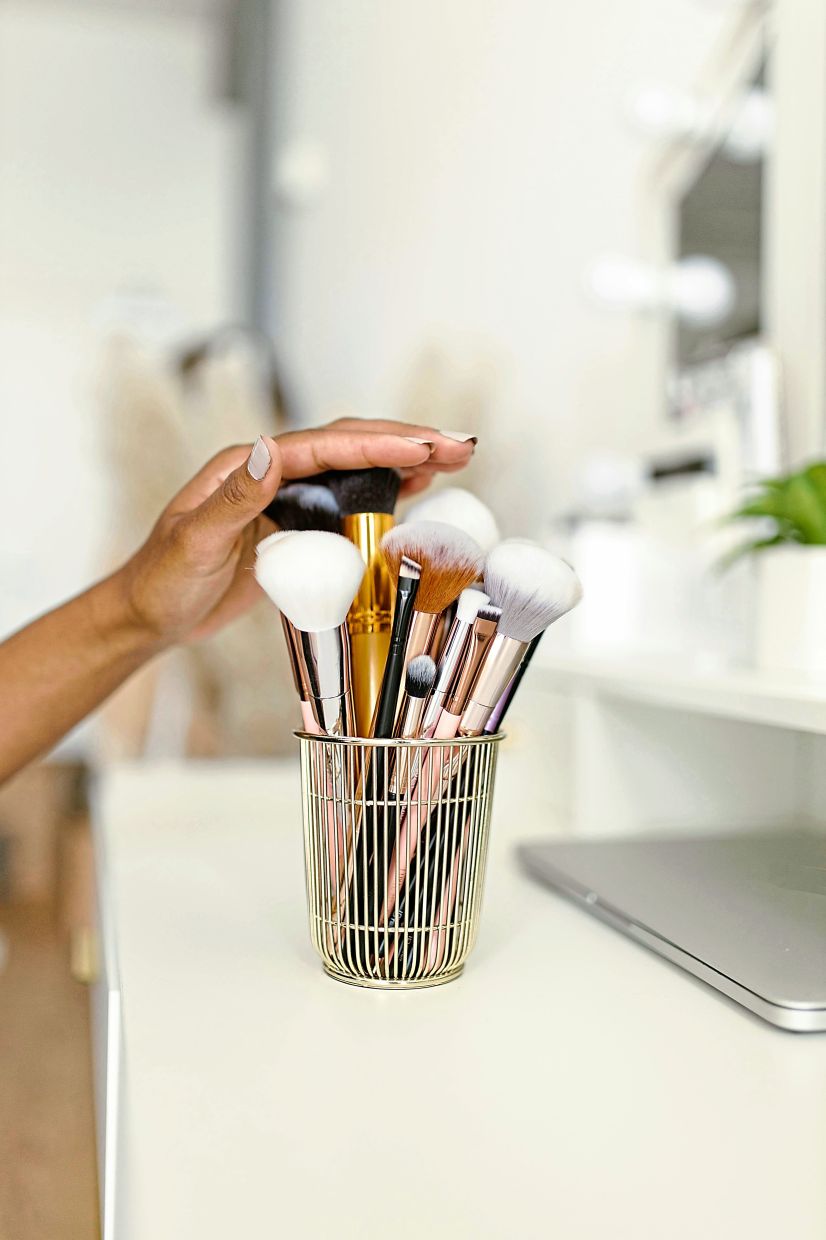
Do I need to use makeup brushes, or can I just use my fingers? – Aisya, KL
You can use either your fingers or brushes, depending on the product.
For cream-based products such as cream blush you can use your fingers as the warmth from your fingertips can help the product set smoothly.
However, brushes and sponges are designed for a more even and smooth application, especially for eyeshadow and contouring products.

Makeup sponges should be cleaned after each use.
Because they hold moisture, damp sponges can quickly become a breeding ground for bacteria, which may lead to breakouts or skin irritation.
Brushes used for liquid or cream products should be cleaned at least once a week to remove product buildup, oils and bacteria, keeping them hygienic and ensuring makeup applies smoothly every time. Regular cleaning also helps extend the life of your tools.
Read more: Ask The Expert: A celebrity hairstylist’s guide to healthy hair and scalp
How can I stop my makeup from melting in hot weather? – Angela, JB
To help your makeup last longer in hot and humid weather, start with a light moisturiser followed by a primer.
If your skin tends to get oily, choose a mattifying primer to control shine.
Next, use long-wear or waterproof pressed powder to set your base, and opt for waterproof formulas for eye products such as mascara and eyeliner.
These steps help your makeup stay in place, reduce smudging, and keep your look fresh throughout the day.
What is the correct order to apply makeup? – Joanne, KL
A simple step-by-step makeup order starts with skincare.
Apply a moisturiser and SPF first to protect and hydrate your skin, then follow with a primer to create a smooth base.
Next, apply concealer, eyeshadow, eyeliner and mascara for the eyes, before moving on to blush and lipstick for a finished look.
Finally, use a setting spray to lock everything in place and help your makeup last longer.
Primer functions as a barrier between your skin and your makeup, to prep your skin and prevent makeup from settling into pores.
It helps your makeup last longer and also functions to help with oil control, to cover your pores as well as even out your skin’s texture.
How do I choose the right foundation colour for my skin? – Alia, KL
Test the product along your jawline or neck, not on your hand or wrist. It’s best to do this in natural lighting.
You’ll also need to determine your undertone, whether it’s cool (pink or blue), warm (yellow or golden), or neutral (a balance of both).
What is better for foundation: a brush or a sponge? – Elizabeth, KL
This depends on the finishing you desire, but I personally prefer sponges as they offer a more natural finish, like a second skin.
Polyurethane sponges (such as Beautyblender) help blend the product evenly into the skin, resulting in a more lightweight finish.
What is the difference between loose powder and pressed powder? – Kelly, Kuching
Loose powder has a fine, lightweight texture and is mainly used to set liquid or cream foundation and smooth the skin’s finish.
Pressed powder is more compact and is usually more pigmented, making it suitable for touch-ups and light extra coverage.
Read more: Ask The Expert: Grooming and style tips every modern man needs to know
When should I use setting spray? Before or after makeup? – Lily, KL
Setting spray is usually applied as the final step in your makeup routine.
It helps melt the different layers of makeup into one seamless finish and locks everything in place so makeup lasts longer throughout the day or night.
Some setting sprays can also be used before makeup, after skincare, to lightly prep the skin and help makeup apply more smoothly.
However, its main role is to be used after makeup to set and extend wear.
Do you have any questions on fashion and beauty? Email us with the subject heading Ask The Expert at lifestyle@thestar.com.my. Please include your name, address, contact number and if you prefer, a pseudonym.