In Malaysia, homegrown beauty brands are working harder to be sustainable


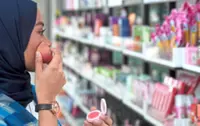
The misconception that sustainable products lack vibrancy is one that brands are trying to quell. Photo: Bluemolly

Driven by the changing face of consumers, beauty and skincare brands across the globe are striving towards adopting practices in their businesses that are more mindful.

A study by PowerReviews which surveyed 10,646 active beauty consumers revealed that 76% focused on buying products that are sustainably made, and that they take the trouble to research companies to find out if they implement ethical operations.

The concept of conscious beauty is simple: do no harm, whether its to our bodies through products, to the environment through the production process, or to the wellbeing of the workers under your care.

Byrdie.com defines conscious beauty as having the following pillars: inclusivity, sustainability, sourcing, transparency, impact, and brand story.

For each pillar, there are various components that determine whether a company makes the cut when it comes to mindful practices.

In Malaysia, homegrown labels have also been making the move towards producing clean and sustainable products, with manufacturing and operational processes that adhere to stricter guidelines.

Read more: Green is still in? Yes, you can dress up and still keep your eco credential

From conception to consumers

Sarah Shah Nor, Cuura Malaysia managing director, started her brand after experiencing bad post-partum eczema.

Unable to find a local brand that catered to dry hypersensitive skin, she began researching natural, homegrown actives and found an Australian botany scientist living in Malaysia who produces Virgin Coconut Oil, which became the foundation for her brand’s first product.

Implementing sustainable practices while keeping products affordable is costly, but worthwhile in the long-run. Photo: Cuura
“We started developing products for hypersensitive skin, from our first face, hair and body oils to super gentle cleansers (even suitable for babies with eczema) and later on we started researching the most important skincare item for everyone, the sunscreen,” says Sarah.

“We have always worked towards being sustainable especially with the core of our products – the actives,” explains Sarah.

“Trading of such produce has to be selected from suppliers who are also big supporters of this movement. From 2019 when we saw a big rise in our online orders, we changed our courier bags to edible ones (made from corn)."

They also changed all their plastic bags to recycled paper and in 2022, all their newly revamped packaging has been changed 100% to post-consumer recycled materials.

The concept at boutique beauty brand Bluemolly, a company that makes velvet lip crayons, is that “beauty is only truly powerful when it is gentle and respectful to all living creatures and this earth”, according to co-founder Shireen Zainudin.

“Every single step has been taken with our environment in mind,” says Shireen, who founded the brand with her sister Yati Zainudin and their friend Sherry Kamaruddin.

“From choosing all-natural, vegan and cruelty-free ingredients, to sourcing wood for our crayons from sustainable forests, to choosing crayons over traditional lipsticks for a zero-waste product.”

“Our caps are made of plastic, yes, but we only use plastic that has been recycled and is recyclable. Even our packaging and delivery boxes are made from recycled cardboard.”

Another homegrown beauty brand, R+B (Repurpose + Beauty), fully embodies the idea of circular beauty, incorporating sustainability throughout their value chain.

The brand’s debut skincare range focuses on utilising repurposed coffee grounds as the key component, along with other natural ingredients.

According to the British Coffee Association, approximately two billion cups of coffee are consumed per day, statistics that stood out to R + B founders, Irene Lim and Soo Hoo Siew Kheng.

“Can you imagine the amount of waste? Every 100 grams of coffee generates 91 grams of waste from the coffee grounds, and when they decompose, they generate methane gas, which is 86 times more polluting than CO2,” says Lim.

“Coffee is something everyone can identify with, and it generates huge amounts of waste. We wanted an ingredient that can make an impact and that people can identify with,” adds Lim.

Apart from using repurposed ingredients, the brand also implements a “return, refill, reuse, and repeat” policy to reduce waste.

Once the products are finished, consumers can return the empty jars and bottles using the packaging they received during their initial purchase, and RM20 will be credited to the registered account when the items are returned.

In line with the conscious beauty pillar of impact (making a difference by using their platform ) R+B donate adds value to the community by donating 10% of every purchase made to NGOs such as 4X4 Relief Malaysia and Animal Projects & Environmental Education (APE Malaysia).

Price point – finding the sweet spot

While using only conscious beauty is a great lifestyle change to aspire to, like most things in life for those who fall below the category of one-percenters, the price must be right.

Going the sustainable route for brands also means investing more in good manufacturing practices and finding the balance between creating a product that works, and keeping it affordable.

“Yes, the sustainable route is definitely more costly,” says Shireen. “That is something we don’t want to compromise on. Where we cut cost is that the three of us do everything ourselves.”

The core team works with formulators in Germany and manufacturers in Italy, but everything else from conceptualisation and design to delivery are handled by Shireen, Yati and Sherry.

“We have no employees and run everything from our homes, favourite cafes or wherever we happen to be hanging our hats at any given moment. We outsource what we lack, in mainly technological and millennial expertise, to a tight trusted team of collaborators and partners,” she adds.

Sarah agrees that for Cuura, implementing sustainable practices while keeping their products affordable, has been costly.

“We believe that although it is a very hard process to go through and it makes our profit margins lower than usual, we believe the social impact it has on educating consumers and overall, making them trust us more as a brand, is worth it,” expresses Sarah.

“And when that happens, our sales increase a whole lot, and in the end we do make some profit and we contribute to saving the planet as well.”

In their early years, everything was handmade by the team, with active ingredients sourced from a special organic chemist who also helped formulate every concoction.

“When our business grew we realised that it was only fair to have proper manufacturers so that we could get the necessary approvals and halal certs for our products, but in order to do that we may have to change our ingredients supplier and finding a manufacturer willing to use our premium actives was so hard in Malaysia,” explains Sarah.

Homegrown brands are making the move towards producing clean and sustainable products.Photo: R + B
In the end, they helped their chemist and suppliers start their own manufacturing company, which led to them finally getting all their certifications in order.

“This was also a huge achievement on our side because not only did we grow as a brand, we helped other businesses grow too. Our skincare products are all priced below RM100, only our premium edible functional antioxidant drink is RM199,” says Sarah.

At R + B, keeping operational costs low are the key to putting out quality products without a huge price tag.

Operating online without a physical store, rental fees or promoters keeps their overheads at a minimum.

“We wanted to make our products really accessible as much as we could without compromising on efficacy,” says Lim.

“At the end of the day, we don’t just sell beauty products that make you feel beautiful and confident, but our mission is to bring across the message that our planet has limited resources and we need to change our lifestyles, to inspire people to live in a more sustainable way.”

Read more: How about clothes made out of algae? The future of fashion now grows in a pond

Quelling consumer doubts

There is plenty of awareness out there on the long-run benefits of going sustainable, whether you’re a consumer or brand owner, yet there are still roadblocks to get through when it comes to getting people to fully embrace conscious beauty.

One of the main misconceptions is that all clean beauty or products that are produced sustainably are expensive, which is clearly not the case as proven by these homegrown labels.

“If you walk into a drugstore or pharmacy, our products are similarly priced to most of the other products,” quips Lim. “They are affordable and are pretty much the same price point, between RM50 and RM100.”

Another issue, according to Sarah, is the unhealthy competition between sustainable brands.

“I think the biggest misconceptions come from marketing campaigns done by some brands who promote their own brands as sustainable while putting other brands down as being unsafe or toxic,” she opines.

“This is usually untrue and it creates non-healthy competition among beauty brands, when we are supposed to help and educate each other on sustainability.”

Finally, the idea that sustainable brands are plain dull.

“Probably that sustainable beauty brands somehow compromise on delivering pigment vibrancy,” quips Shireen, who encourages consumers to give these products a try before making judgements.

Get 20% OFF The Star Digital Access

Monthly Plan

RM 13.90/month

RM 11.12/month

Billed as RM 11.12 for the 1st month, RM 13.90 thereafter.

Best Value

Annual Plan

RM 12.33/month

RM 9.87/month

Billed as RM 118.40 for the 1st year, RM 148 thereafter.

Follow us on our official WhatsApp channel for breaking news alerts and key updates!
beauty , trends , sustainability

Next In Style

From Hong Kong to the Paris runway, Robert Wun is living the couture dream
Malaysian heritage represented through adaptive fashion at V&A exhibition
What are multitasking cosmetics and why are they now a go-to beauty choice?
Dior versus Chanel: Which fashion house won the celebrity bridal battle?
Framing fashion: Bibo Aswan, the photographer shaping Malaysia's visual style
Has Taylor Swift’s wedding just outshone the Met Gala in fashion stakes?
Fashion awaits Taylor Swift's bridal look, but here's what the guests wore
The American dream, dressed: A look into 250 years of fashion and aspiration
Why letting go of a wedding dress can be among fashion’s hardest choices
Fashion sees clearly as glasses emerge as the chic accessory of the moment

Others Also Read