



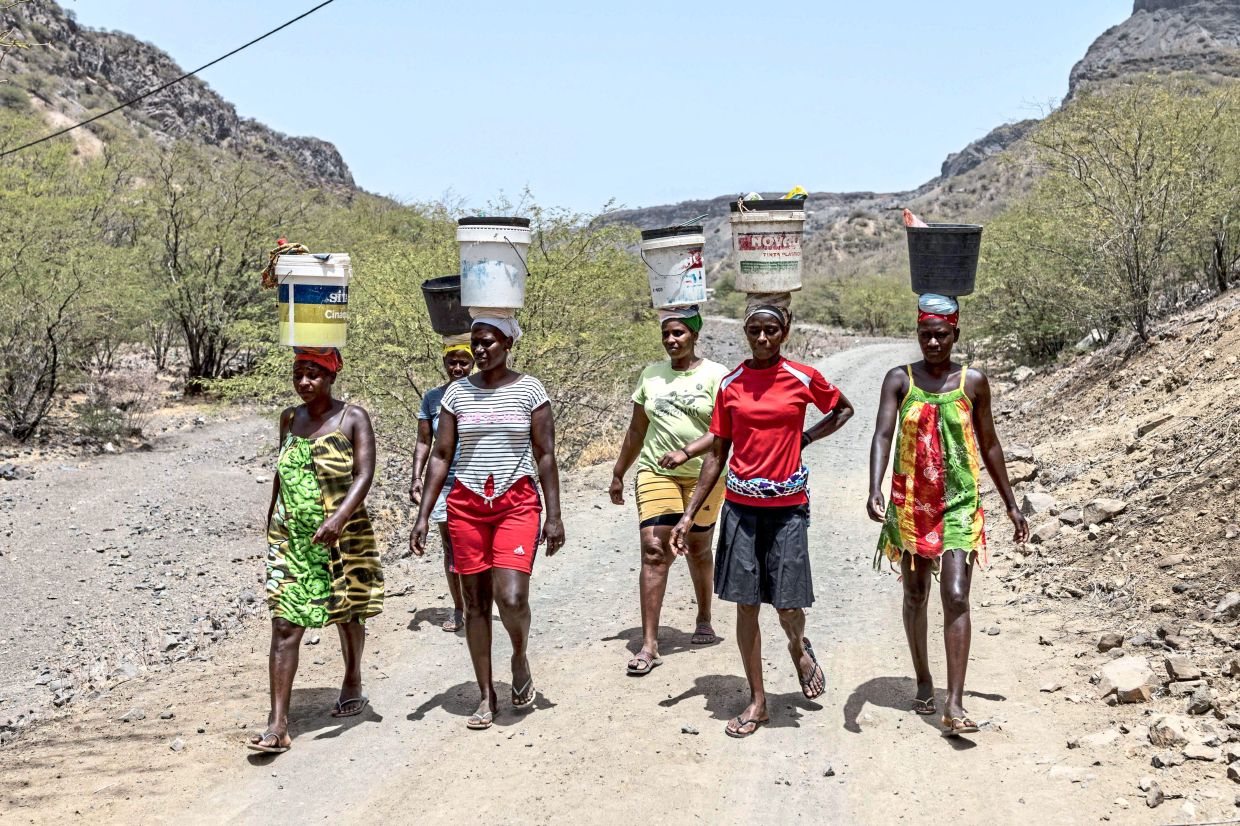
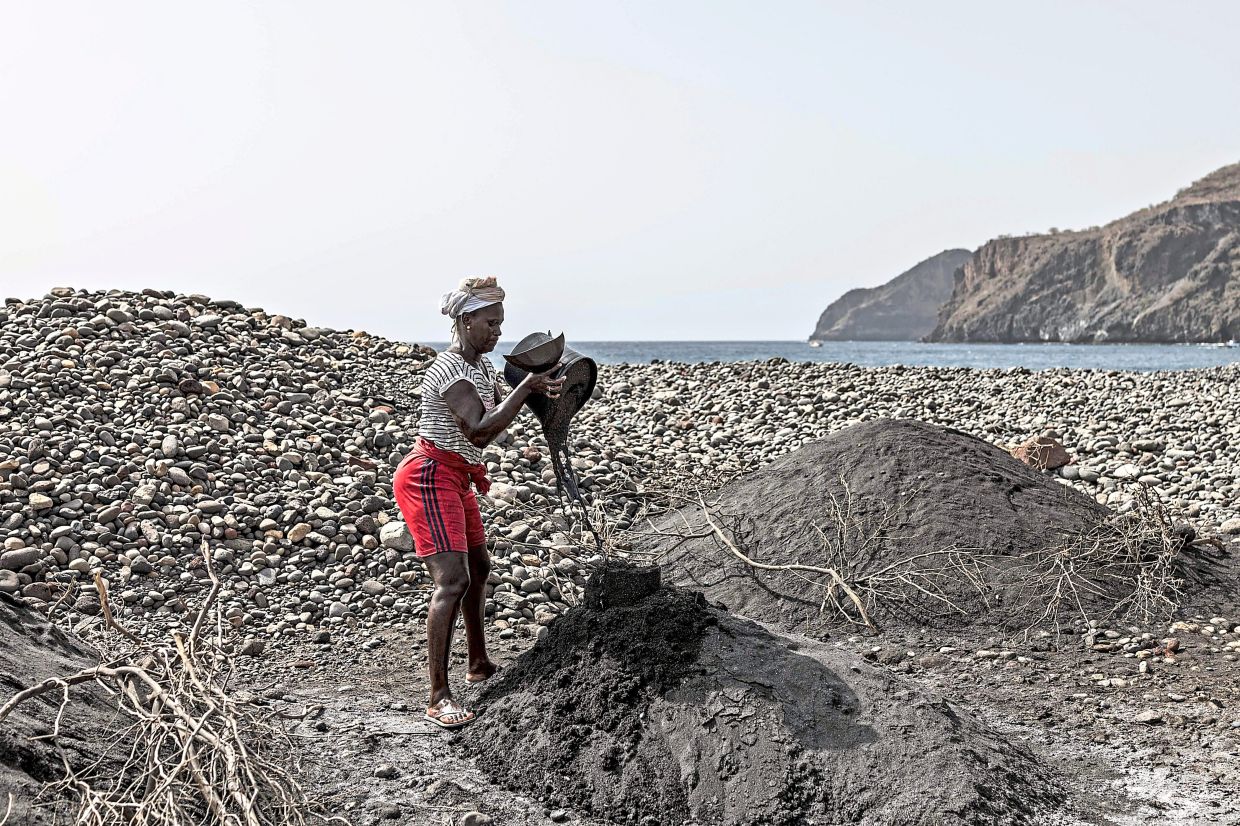
On a rocky Cape Verde beach, Maria and Vania Tavares fill their buckets with black sand the moment the waves recede, transporting it on their heads to a stockpile where it will be sold illegally.The women struggle to keep their footing against the rough ocean while balancing the loads, which weigh dozens of kilogrammes.
The beach is far from the typical picture postcard image of the west African archipelago and Tavares makes the sign of the cross before stepping into its dangerous waves.
The women, known as "sand thieves", have performed this gruelling task almost daily for more than 15 years in order to survive in one of the island nations' poorest regions.
With solemn expressions, the pair plus four other neighbouring women move in a silent, hours-long dance during low tide at Charco Beach near the town of Ribeira da Barca, located on the main island of Santiago.
Maria Eleonore Monteiro's slender frame sways under the weight of the bucket as she climbs towards dry land to empty it beside a dozen large piles, which will be sold to contractors or resellers.
Buyers pay around US$140 (RM565) for a load of sea sand, often gathered over weeks, which is still cheaper than what is legally extracted from quarries.
"It's my only alternative, I have no other job," Monteiro said, exhausted after a trip to the piles.
"I've been gathering sand for so long that I have back pain. Sometimes I spend three days in bed," she said.
Stones and craters
Far from the idyllic white or black sand beaches found on some Cape Verdean islands, Ribeira da Barca attracts no tourists, much like the majority of Santiago Island's beach areas.
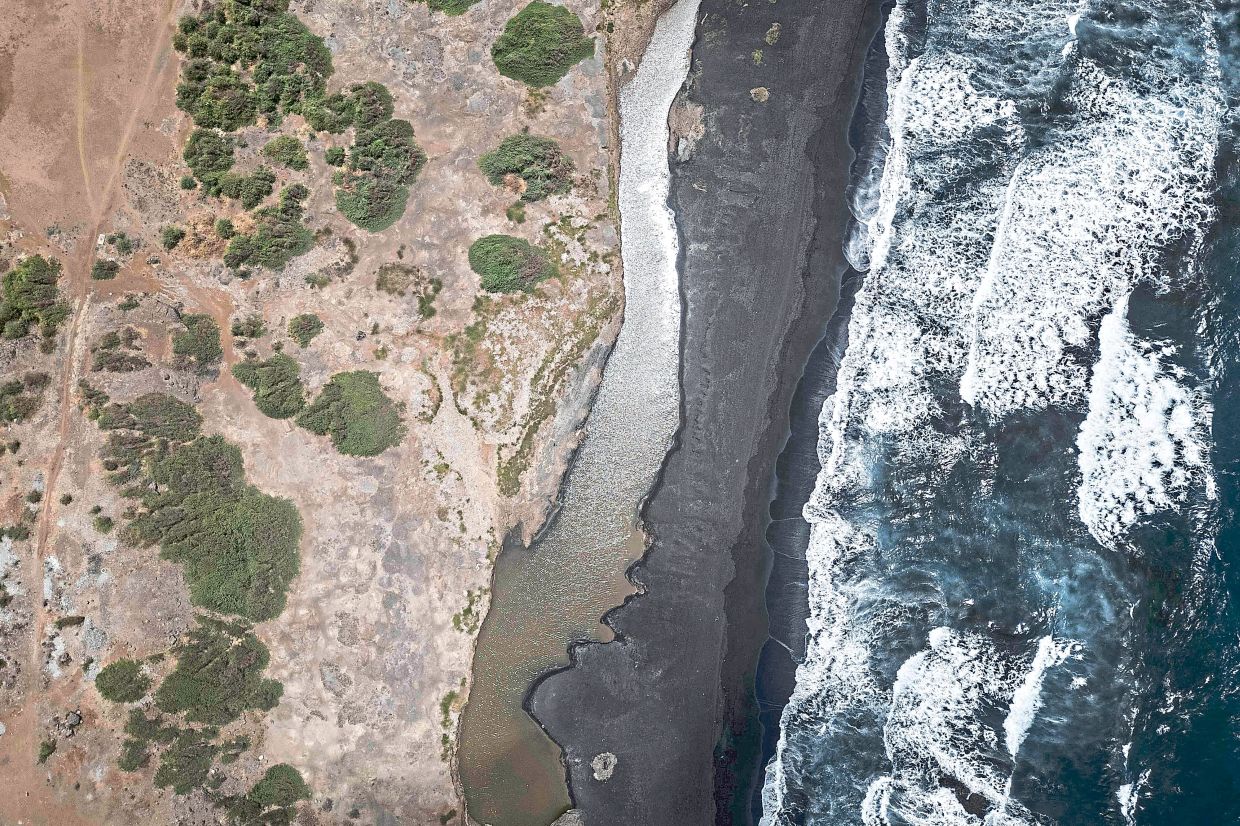
For decades these sites have served as artisanal open-pit mines for harvesting sand sold at rock-bottom prices, leaving behind a desolate landscape of stones and craters.
The actual beach at Charco has mostly vanished, forcing the women to extract the remaining sand from the water, even though many of them cannot swim.
Sand mining is illegal in Cape Verde under laws passed between 1997 and 2017, punishable by fines or imprisonment.
Yet the practice persists, with authorities sometimes turning a blind eye when it's a matter of survival.
The women interviewed have not had any run-ins with the police in three years.
As the only natural resource in the impoverished archipelago, sand fuelled urban expansion in the 1980s and 1990s.
Most of the capital, Praia, was literally built with it, Ana Veiga, director of the NGO Lantuna, said.
To reach the remote beach where they gather sand, Monteiro and her neighbours walk half an hour from their poor community, which lacks running water.
This is where Tavares also lives. She was forced to drop out of school at age 13 to work, and has been harvesting sand for the last 16 years to feed her children.
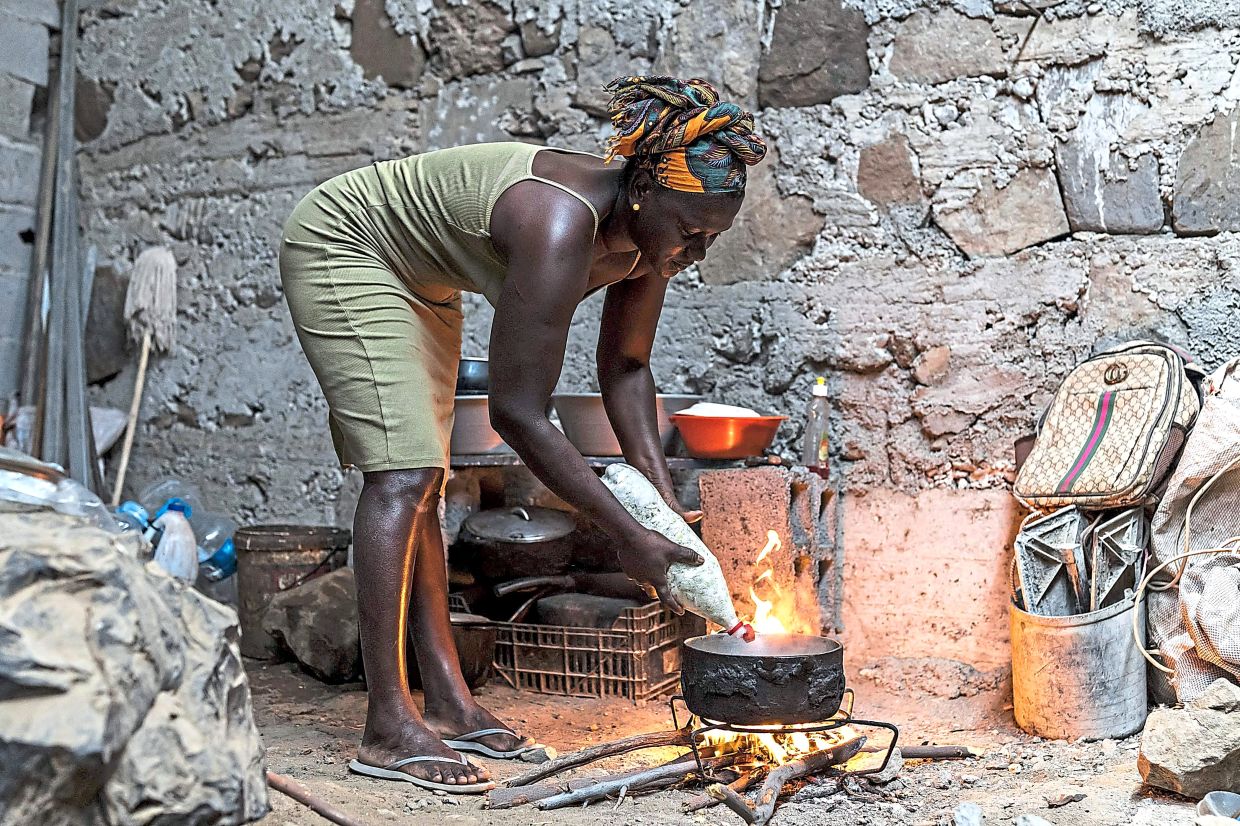
On the day AFP visited, she was cooking over a wood fire that emits an acrid smoke, unable to afford gas.
Sand mining is one of the few means of survival for single mothers like Tavares' sister, Vanilda, 32, who has three children by three different fathers, "none of whom help" raise them.
'Disastrous consequences'
The illegal beach sand trade has been curbed in recent years via a crackdown and awareness campaigns.
"Sometimes we wait a month before selling a truckload of sand," Tavares said.
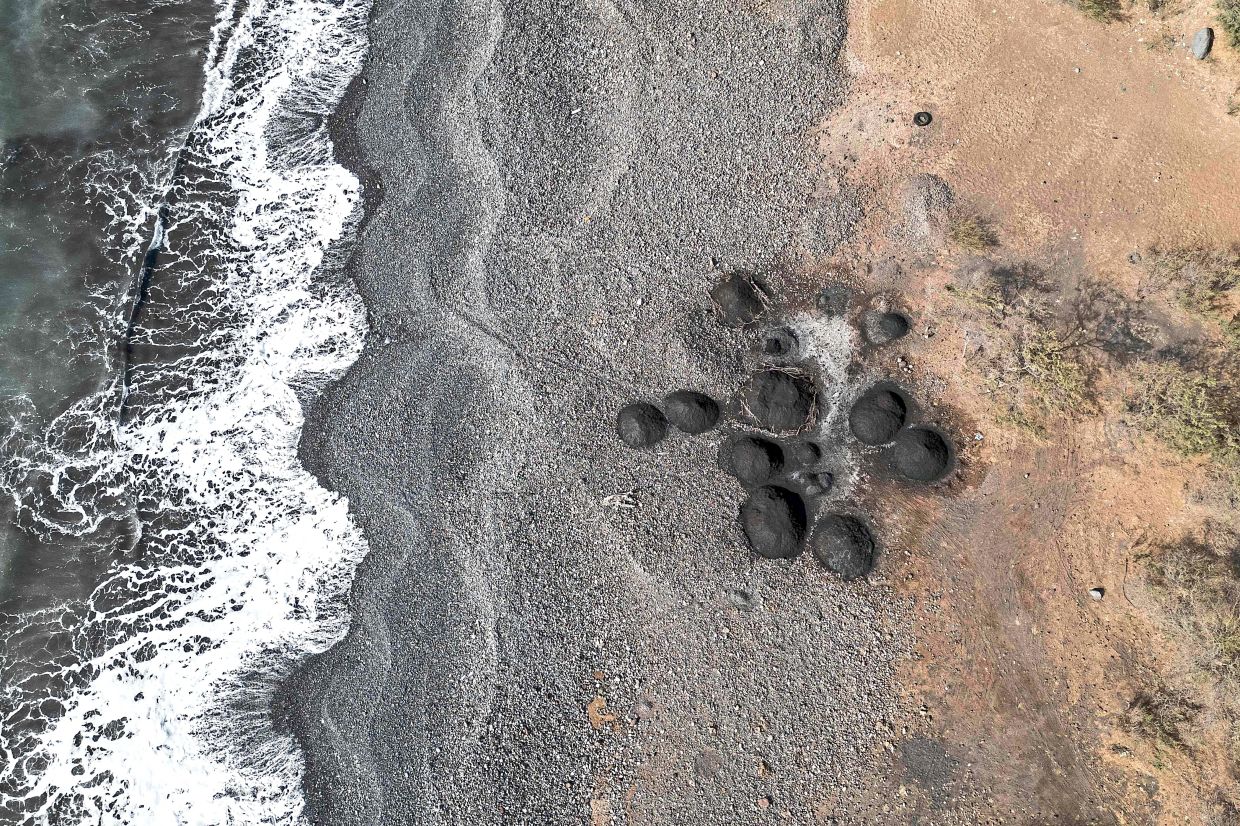
Decades of sand harvesting have also left their mark on what was once the vast beach of Praia de Areia Grande, on the island's east.
The sand mining has left the area with "disastrous consequences for agriculture", said Samuel Leal, a 34-year-old agricultural engineer and representative from the Ministry of Agriculture and Environment for the municipality of Santa Cruz.
"The natural barrier was broken, seawater penetrated the land and the soil degraded due to salinisation."
Behind the Praia de Areia Grande beach, farmland has vanished, replaced by acacia trees that Leal pointed out. Nearly 100 farmers have had to abandon their fields in this region alone.
Hoping for change
Leal praises the government's prevention efforts in recent years, which have "helped reduce the impact" of sand harvesting.
Veiga takes a much more critical view. She slams the authorities' inaction and calls for a plan to reintegrate into society the women harvesters "who feel marginalised".
Thanks to her NGO, dozens have already transitioned to raising pigs or sheep over the past two years.
"When authorities told us the beach would end up like this, we didn't believe them," said Monteiro.
She is sad to see her surroundings scarred by decades of a practice to which she has contributed.
"If I ever find help, I won't come here to collect sand anymore," she said. – AFP
